🚚 Free Worldwide Shipping on All Orders!Shop Now

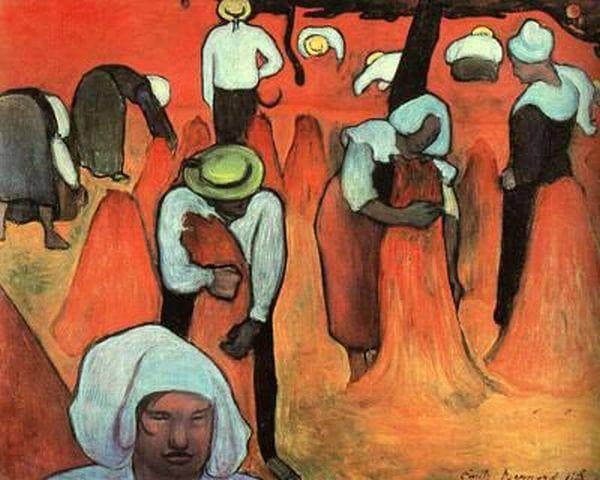
Buckwheat Harvesters at Pont Aven
Exploring the Artistic Essence of Buckwheat Harvesters at Pont Aven
Emile Bernard: A Pioneer of Post-Impressionism
Life and Influences of Emile Bernard
Emile Bernard, born in 1868 in Lille, France, emerged as a significant figure in the Post-Impressionist movement. His early exposure to the vibrant art scene in Paris shaped his artistic vision. Influenced by the works of Vincent van Gogh and Paul Gauguin, Bernard developed a unique style that blended color and form. He often drew inspiration from the rural landscapes and traditions of Brittany, where he spent much of his artistic career.Bernard's Role in the Pont Aven School
Bernard played a crucial role in the Pont Aven School, a collective of artists who sought to capture the essence of Breton life. This group emphasized the use of bold colors and simplified forms. Bernard's innovative approach to color theory and composition helped define the school's identity. His work, including "Buckwheat Harvesters at Pont Aven," reflects the spirit of this artistic community, showcasing the beauty of rural labor and the connection to nature.Visual Analysis of Buckwheat Harvesters
Color Palette: The Vibrant Hues of Rural Life
In "Buckwheat Harvesters," Bernard employs a rich color palette that evokes the warmth of the Breton countryside. The earthy browns and vibrant greens capture the essence of the harvest season. The use of golden yellows symbolizes the ripeness of the buckwheat, while deep blues in the sky suggest a serene atmosphere. This harmonious blend of colors creates a lively yet tranquil scene, inviting viewers to immerse themselves in the rural landscape.Composition: Balancing Figures and Landscape
The composition of "Buckwheat Harvesters" skillfully balances the figures of the harvesters with the expansive landscape. Bernard positions the workers in the foreground, emphasizing their connection to the land. The diagonal lines of the fields lead the eye towards the horizon, creating depth and perspective. This thoughtful arrangement highlights the importance of labor in rural life, showcasing the harmony between humanity and nature.Brushwork Techniques: Capturing Movement and Emotion
Bernard's brushwork in this painting is dynamic and expressive. He uses short, quick strokes to convey the movement of the harvesters as they gather buckwheat. This technique adds a sense of vitality to the scene, making it feel alive. The texture created by the brushwork enhances the emotional impact of the painting, allowing viewers to feel the energy of the harvest.Thematic Elements in Buckwheat Harvesters
Harvesting Tradition: A Glimpse into Rural Labor
"Harvesting Tradition" is a central theme in "Buckwheat Harvesters." The painting offers a glimpse into the daily lives of Breton farmers, showcasing their hard work and dedication. This portrayal of rural labor highlights the importance of agriculture in sustaining communities. Bernard captures the essence of this tradition, celebrating the connection between people and the land.Symbolism of Buckwheat: Cultural Significance in Brittany
Buckwheat holds significant cultural value in Brittany, where it has been a staple crop for centuries. In the painting, it symbolizes nourishment and sustenance. The harvest of buckwheat represents the cycle of life and the relationship between the land and its people. Bernard's focus on this crop reflects the deep-rooted agricultural practices of the region, emphasizing the importance of local traditions.Seasonal Changes: The Impact of Nature on Daily Life
The painting also explores the theme of seasonal changes and their impact on daily life. The warm colors and lush fields suggest the peak of the harvest season, a time of abundance and celebration. Bernard captures the fleeting beauty of nature, reminding viewers of the rhythms of rural life. This connection to the seasons adds depth to the painting, inviting reflection on the passage of time.Historical Context of the Painting
Late 19th Century France: A Time of Change
"Buckwheat Harvesters" was created during the late 19th century, a period marked by significant social and political changes in France. The rise of industrialization contrasted sharply with rural traditions. Artists like Bernard sought to preserve the beauty of rural life through their work. This painting serves as a testament to the enduring value of agricultural practices amidst modernization.The Influence of Regionalism on Bernard's Work
Bernard's work is deeply rooted in regionalism, reflecting the unique culture and landscape of Brittany. His focus on local subjects and themes distinguishes him from other artists of his time. By celebrating the everyday lives of Breton farmers, Bernard contributes to a broader narrative of regional identity in art. This emphasis on place and culture resonates throughout "Buckwheat Harvesters."Art Movements: Connecting with Symbolism and Impressionism
Bernard's style connects with both Symbolism and Impressionism, blending emotional depth with visual beauty. His use of color and form reflects the Impressionist focus on light and atmosphere. At the same time, the symbolic elements in his work align with the ideals of the Symbolist movement. This fusion of styles creates a rich tapestry of meaning in "Buckwheat Harvesters."Comparative Analysis: Buckwheat Harvesters and Other Works
Contrasting with Fellow Pont Aven Artists
When compared to fellow Pont Aven artists, Bernard's "Buckwheat Harvesters" stands out for its vibrant color and emotional resonance. While other artists focused on abstraction, Bernard maintained a connection to realism. His portrayal of rural life offers a unique perspective within the Pont Aven School, emphasizing the beauty of everyday labor.Similarities with Contemporary Post-Impressionist Works
"Buckwheat Harvesters" shares similarities with other contemporary Post-Impressionist works, particularly in its use of color and brushwork. Artists like Paul Cézanne and Henri Toulouse-Lautrec also explored themes of rural life and labor. Bernard's ability to capture movement and emotion aligns with the broader trends of the Post-Impressionist movement, showcasing the evolution of artistic expression during this time.Emotional Resonance: Viewer Experience and Interpretation
Connecting with the Harvesters: Empathy and Reflection
Viewers of "Buckwheat Harvesters" often feel a deep connection to the harvesters depicted in the painting. The portrayal of their labor evokes empathy and reflection on the value of hard work. This emotional resonance invites viewers to consider their own relationship with nature and the land. Bernard's ability to capture the human experience makes this painting a powerful work of art.Personal Interpretations: What the Painting Evokes
Each viewer may interpret "Buckwheat Harvesters" differently, finding personal meaning in the scene. Some may see it as a celebration of rural life, while others may reflect on the passage of time and the cycles of nature. This diversity of interpretation adds to the painting's richness, allowing it to resonate with a wide audience.Preservation and Legacy of Buckwheat Harvesters
Current Location and Exhibition History
Today, "Buckwheat Harvesters" is housed in a prominent museum, where it continues to inspire visitors. The painting has been featured in various exhibitions, showcasing Bernard's contributions to Post-Impressionism. Its preservation ensures that future generations can appreciate the beauty and significance of this work.Impact on Future Generations of Artists
Bernard's "Buckwheat Harvesters" has left a lasting impact on future generations of artists. Its celebration of rural life and innovative use of color continue to influence contemporary art. Artists who seek to explore themes of nature and labor often draw inspiration from Bernard's work, ensuring that his legacy endures.FAQs about Buckwheat Harvesters at Pont Aven
What is the story behind Buckwheat Harvesters?
The story behind "Buckwheat Harvesters" revolves around the daily lives of Breton farmers during the harvest season. Bernard captures the essence of their labor, celebrating the connection between people and the land.How does Emile Bernard's style differ from other artists of his time?
Emile Bernard's style differs from his contemporaries through his focus on vibrant color and emotional depth. While many artists explored abstraction, Bernard maintained a connection to realism and the beauty of rural life.What techniques did Bernard use to create this painting?
Bernard used dynamic brushwork and a rich color palette to create "Buckwheat Harvesters." His techniques capture movement and emotion, bringing the scene to life.What cultural significance does buckwheat hold in Brittany?
Buckwheat is culturally significant in Brittany as a staple crop that has sustained local communities for centuries. It symbolizes nourishment and the deep-rooted agricultural traditions of the region.How has Buckwheat Harvesters influenced modern art?
"Buckwheat Harvesters" has influenced modern art by inspiring artists to explore themes of nature and labor. Its innovative use of color and form continues to resonate in contemporary artistic practices.FAQs about the Painting Reproduction
What should I consider when purchasing a reproduction of this painting?
When purchasing a reproduction of "Buckwheat Harvesters," consider the quality of materials used, the accuracy of colors, and the craftsmanship involved. A high-quality painting reproduction will capture the essence of the original artwork.How can I ensure the quality of the reproduction matches the original?
To ensure the quality of the reproduction matches the original, look for reputable art reproduction companies that specialize in oil painting reproductions. These reproductions are superior to prints, as they replicate the texture and depth of the original artwork, providing a more authentic experience.Select Size
From $89.98
Original: $299.95
-70%Buckwheat Harvesters at Pont Aven—
$299.95
$89.98Product Information
Product Information
Shipping & Returns
Shipping & Returns