The Dream of St. Anthony of Padua
The Dream of St. Anthony of Padua: A Masterpiece by Elisabetta Sirani
Historical Context of Elisabetta Sirani's Artistic Journey
The Role of Women in Baroque Art
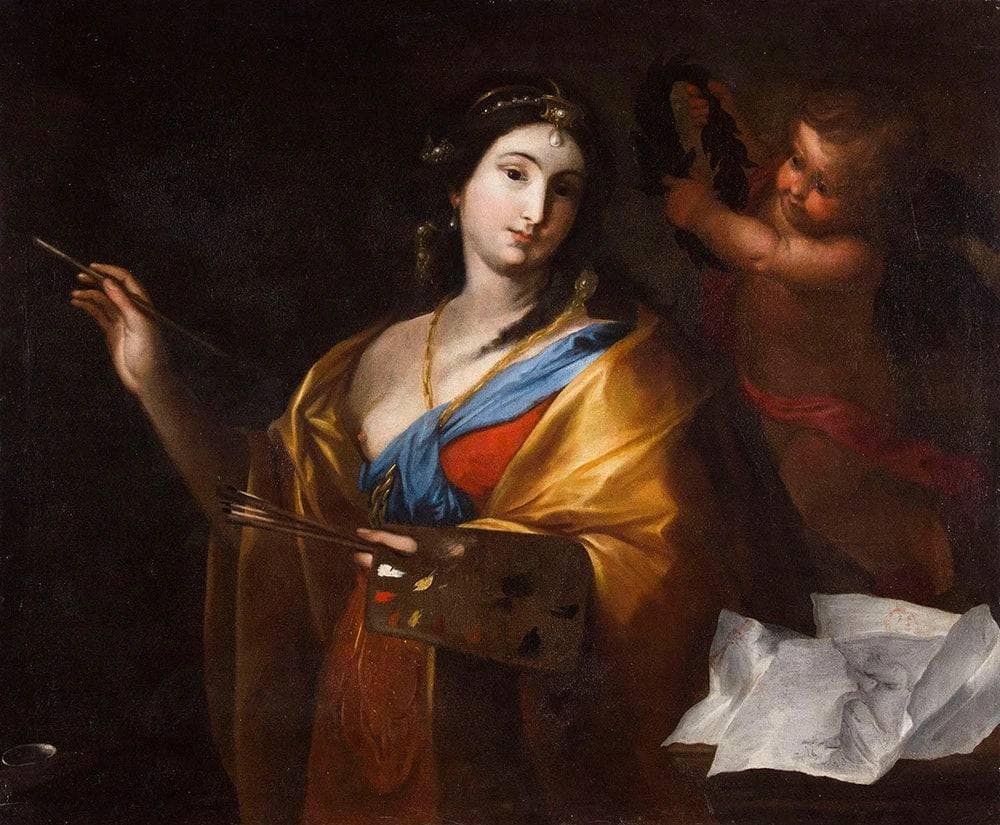
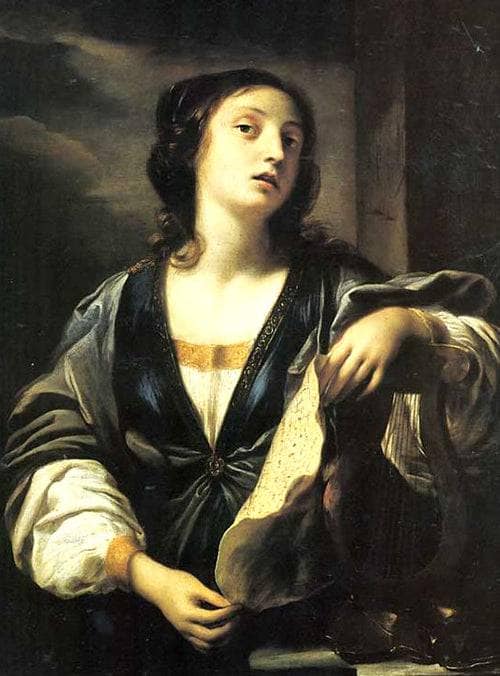
During the Baroque period, women artists faced significant challenges in gaining recognition. Despite societal constraints, many, like Elisabetta Sirani, broke through barriers. Sirani's success as a female painter in the 17th century is a testament to her talent and determination.
Elisabetta Sirani: A Prodigy of the 17th Century
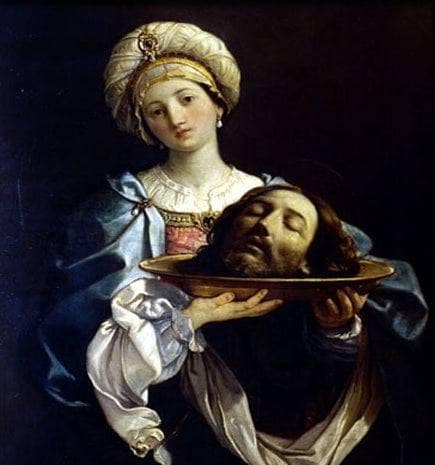
Born in Bologna in 1630, Elisabetta Sirani became a celebrated artist by her early twenties. She was a student of the renowned painter Guido Reni. Sirani's works often reflect her deep understanding of light, color, and emotion, making her a standout figure in Baroque art.
Influences and Inspirations Behind Sirani's Work
Sirani drew inspiration from both her father, a painter, and the vibrant artistic community in Bologna. Her exposure to classical themes and religious subjects shaped her artistic vision. The influence of Caravaggio's dramatic realism is also evident in her work.
Exploring the Iconography of The Dream of St. Anthony
Symbolism of St. Anthony in Christian Art
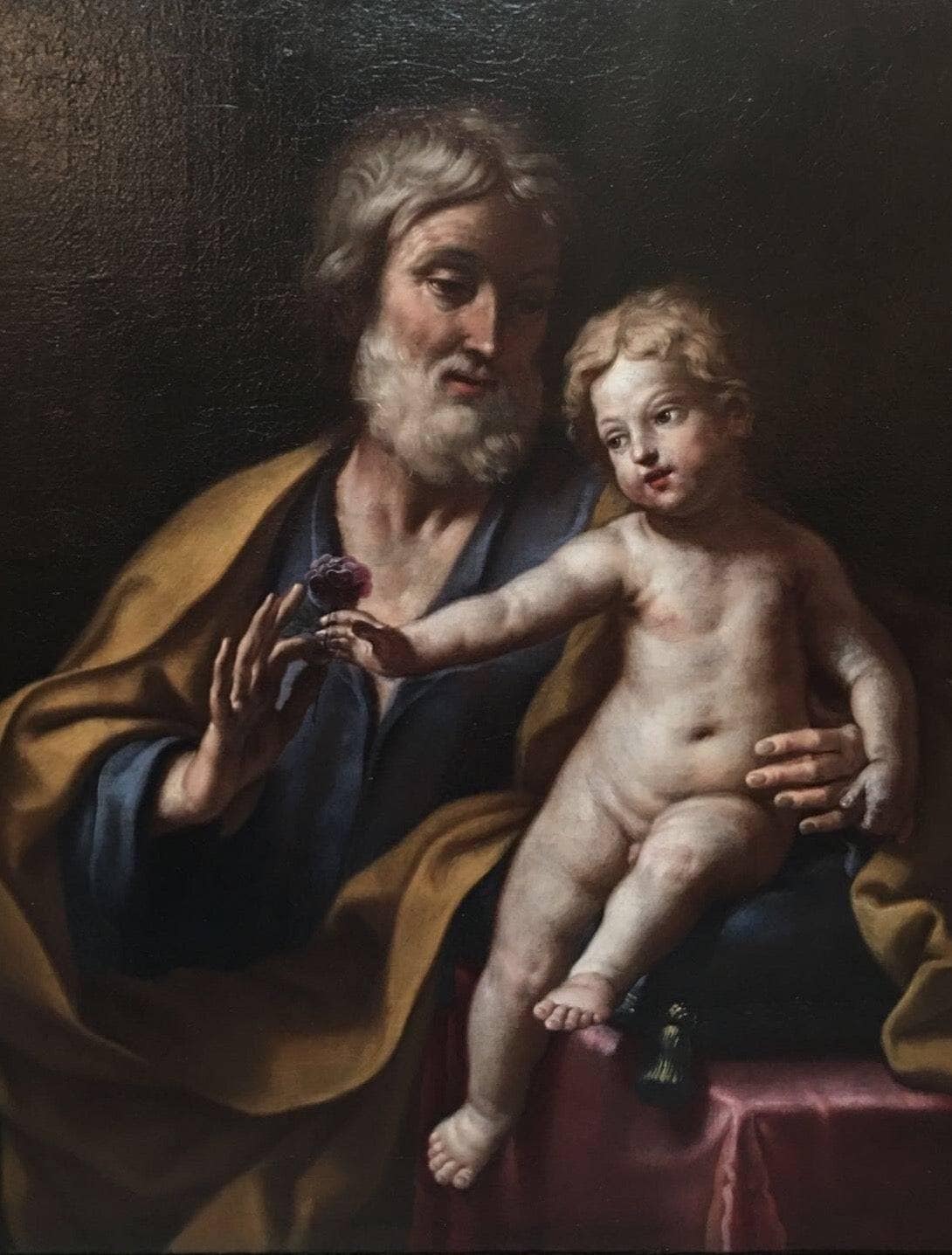
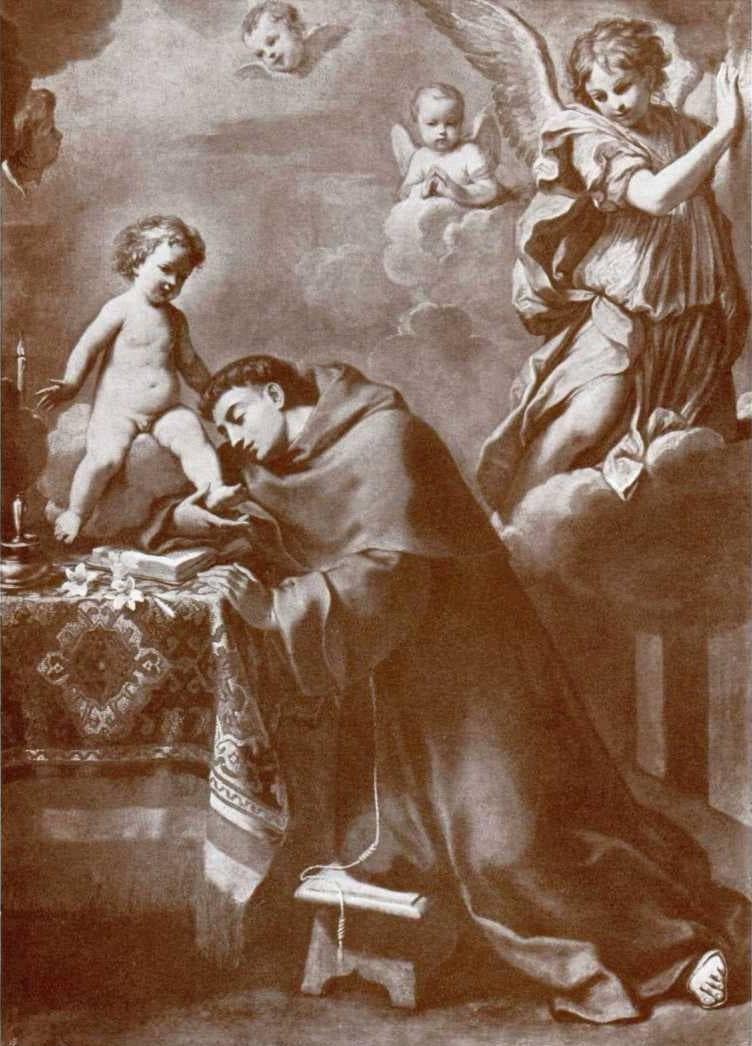
St. Anthony of Padua is often depicted with the Christ Child, symbolizing his deep faith and connection to the divine. In Sirani's painting, this relationship is central, showcasing the saint's role as a miracle worker and protector of the faithful.
Dream Imagery: A Window into the Divine
The dream motif in Sirani's painting serves as a powerful narrative device. It invites viewers to explore the intersection of the earthly and the heavenly. This imagery reflects the Baroque fascination with spirituality and the supernatural.
Color Palette and Its Spiritual Significance
Sirani's use of a rich color palette enhances the painting's emotional depth. Warm golds and deep blues create a sense of serenity and divine presence. The colors not only attract the eye but also evoke a spiritual atmosphere, inviting contemplation.
Technical Mastery: Techniques Used in The Dream of St. Anthony
Oil Painting Techniques of the Baroque Era
Sirani employed traditional oil painting techniques, allowing for vibrant colors and intricate details. Her mastery of layering and glazing techniques adds depth and luminosity to the artwork. This method was essential in achieving the Baroque style's dramatic effects.
Brushwork and Texture: A Closer Look
The brushwork in The Dream of St. Anthony is both delicate and bold. Sirani's ability to create texture through varied brush strokes enhances the realism of the figures. This technique draws viewers into the scene, making them feel part of the dream.
Light and Shadow: Chiaroscuro in Sirani's Art
Chiaroscuro, the contrast of light and shadow, plays a crucial role in Sirani's painting. This technique adds drama and highlights the emotional intensity of the scene. The light illuminates St. Anthony, emphasizing his spiritual significance.
The Emotional Impact of The Dream of St. Anthony
Conveying Spirituality Through Facial Expressions
Sirani captures profound spirituality through the expressions of St. Anthony and the Christ Child. Their serene faces convey a sense of peace and divine connection. This emotional depth invites viewers to reflect on their own spiritual journeys.
The Role of Composition in Evoking Emotion
The composition of The Dream of St. Anthony guides the viewer's eye toward the central figures. The arrangement creates a sense of intimacy and focus, enhancing the emotional impact. Sirani's thoughtful layout draws viewers into the narrative.
Viewer Engagement: How the Painting Speaks to Us
This artwork engages viewers on multiple levels. It invites contemplation of faith, dreams, and the divine. Sirani's ability to connect with the audience through visual storytelling makes this painting a timeless masterpiece.
Comparative Analysis: Sirani's Work in Context
Contrasting The Dream of St. Anthony with Other Baroque Paintings
When compared to other Baroque works, Sirani's painting stands out for its emotional depth and feminine perspective. While many male artists focused on grand historical themes, Sirani's intimate portrayal of spirituality offers a unique lens on Baroque art.
Elisabetta Sirani vs. Her Male Contemporaries
Sirani's work often rivals that of her male contemporaries, such as Caravaggio and Reni. Her ability to convey emotion and spirituality sets her apart. Sirani's legacy challenges the notion that only male artists could achieve greatness in this era.
Legacy of Sirani's Style in Modern Art
Elisabetta Sirani's influence extends into modern art. Her innovative techniques and emotional storytelling resonate with contemporary artists. Sirani's work continues to inspire discussions about gender and representation in the art world.
Visiting the Original: Where to Experience The Dream of St. Anthony
Location and Significance of the Original Painting
The original painting is housed in the prestigious collection of the Museo di San Salvatore in Bologna, Italy. This location is significant as it reflects Sirani's roots and the cultural context of her work. Visitors can appreciate the painting's historical importance in its original setting.
Art Exhibitions Featuring Sirani's Work
Sirani's paintings are occasionally featured in exhibitions dedicated to Baroque art. These exhibitions provide a rare opportunity to view her work alongside that of her contemporaries. Art lovers can gain deeper insights into her artistic contributions.
Tips for Art Lovers Visiting Museums
When visiting museums, take time to read the descriptions accompanying the artwork. Engage with the art by observing details and considering the historical context. Joining guided tours can enhance your understanding of Sirani's masterpieces.
FAQs About The Dream of St. Anthony of Padua
What is the story behind The Dream of St. Anthony?
The Dream of St. Anthony depicts a moment of divine revelation where St. Anthony receives a vision of the Christ Child. This moment emphasizes his faith and connection to the divine, showcasing the saint's role in Christian tradition.
What techniques did Elisabetta Sirani use in this painting?
Sirani used oil painting techniques, including layering and glazing, to achieve depth and vibrancy. Her mastery of chiaroscuro enhances the emotional impact of the scene, creating a dramatic interplay of light and shadow.
How does The Dream of St. Anthony reflect Baroque art characteristics?
This painting embodies Baroque characteristics through its emotional intensity, dramatic use of light, and rich color palette. Sirani's focus on spirituality and personal connection aligns with the Baroque emphasis on the viewer's emotional experience.
What are the main symbols present in The Dream of St. Anthony?
Key symbols include the Christ Child, representing divine revelation, and St. Anthony's serene expression, symbolizing faith. The dream imagery itself serves as a metaphor for spiritual awakening and connection to the divine.
How has The Dream of St. Anthony influenced modern interpretations of St. Anthony?
Sirani's portrayal of St. Anthony has influenced modern interpretations by emphasizing his compassionate nature and connection to the divine. This painting invites contemporary audiences to explore themes of faith and spirituality in their own lives.
FAQs About The Dream of St. Anthony Art Reproduction
What should I consider when purchasing a reproduction of The Dream of St. Anthony?
When purchasing a reproduction, consider the quality of materials used. Look for reproductions that capture the vibrant colors and intricate details of the original painting. A high-quality reproduction can enhance your space and appreciation for Sirani's work.
How can I ensure the quality of the reproduction matches the original's beauty?
Choose reputable art reproduction companies that specialize in oil painting reproductions. These reproductions often provide a more authentic representation of the original artwork compared to standard prints. Look for reviews and samples to ensure quality.
Original: $299.95
-70%$299.95
$89.98Product Information
Product Information
Shipping & Returns
Shipping & Returns
Description
The Dream of St. Anthony of Padua: A Masterpiece by Elisabetta Sirani
Historical Context of Elisabetta Sirani's Artistic Journey
The Role of Women in Baroque Art
During the Baroque period, women artists faced significant challenges in gaining recognition. Despite societal constraints, many, like Elisabetta Sirani, broke through barriers. Sirani's success as a female painter in the 17th century is a testament to her talent and determination.
Elisabetta Sirani: A Prodigy of the 17th Century
Born in Bologna in 1630, Elisabetta Sirani became a celebrated artist by her early twenties. She was a student of the renowned painter Guido Reni. Sirani's works often reflect her deep understanding of light, color, and emotion, making her a standout figure in Baroque art.
Influences and Inspirations Behind Sirani's Work
Sirani drew inspiration from both her father, a painter, and the vibrant artistic community in Bologna. Her exposure to classical themes and religious subjects shaped her artistic vision. The influence of Caravaggio's dramatic realism is also evident in her work.
Exploring the Iconography of The Dream of St. Anthony
Symbolism of St. Anthony in Christian Art
St. Anthony of Padua is often depicted with the Christ Child, symbolizing his deep faith and connection to the divine. In Sirani's painting, this relationship is central, showcasing the saint's role as a miracle worker and protector of the faithful.
Dream Imagery: A Window into the Divine
The dream motif in Sirani's painting serves as a powerful narrative device. It invites viewers to explore the intersection of the earthly and the heavenly. This imagery reflects the Baroque fascination with spirituality and the supernatural.
Color Palette and Its Spiritual Significance
Sirani's use of a rich color palette enhances the painting's emotional depth. Warm golds and deep blues create a sense of serenity and divine presence. The colors not only attract the eye but also evoke a spiritual atmosphere, inviting contemplation.
Technical Mastery: Techniques Used in The Dream of St. Anthony
Oil Painting Techniques of the Baroque Era
Sirani employed traditional oil painting techniques, allowing for vibrant colors and intricate details. Her mastery of layering and glazing techniques adds depth and luminosity to the artwork. This method was essential in achieving the Baroque style's dramatic effects.
Brushwork and Texture: A Closer Look
The brushwork in The Dream of St. Anthony is both delicate and bold. Sirani's ability to create texture through varied brush strokes enhances the realism of the figures. This technique draws viewers into the scene, making them feel part of the dream.
Light and Shadow: Chiaroscuro in Sirani's Art
Chiaroscuro, the contrast of light and shadow, plays a crucial role in Sirani's painting. This technique adds drama and highlights the emotional intensity of the scene. The light illuminates St. Anthony, emphasizing his spiritual significance.
The Emotional Impact of The Dream of St. Anthony
Conveying Spirituality Through Facial Expressions
Sirani captures profound spirituality through the expressions of St. Anthony and the Christ Child. Their serene faces convey a sense of peace and divine connection. This emotional depth invites viewers to reflect on their own spiritual journeys.
The Role of Composition in Evoking Emotion
The composition of The Dream of St. Anthony guides the viewer's eye toward the central figures. The arrangement creates a sense of intimacy and focus, enhancing the emotional impact. Sirani's thoughtful layout draws viewers into the narrative.
Viewer Engagement: How the Painting Speaks to Us
This artwork engages viewers on multiple levels. It invites contemplation of faith, dreams, and the divine. Sirani's ability to connect with the audience through visual storytelling makes this painting a timeless masterpiece.
Comparative Analysis: Sirani's Work in Context
Contrasting The Dream of St. Anthony with Other Baroque Paintings
When compared to other Baroque works, Sirani's painting stands out for its emotional depth and feminine perspective. While many male artists focused on grand historical themes, Sirani's intimate portrayal of spirituality offers a unique lens on Baroque art.
Elisabetta Sirani vs. Her Male Contemporaries
Sirani's work often rivals that of her male contemporaries, such as Caravaggio and Reni. Her ability to convey emotion and spirituality sets her apart. Sirani's legacy challenges the notion that only male artists could achieve greatness in this era.
Legacy of Sirani's Style in Modern Art
Elisabetta Sirani's influence extends into modern art. Her innovative techniques and emotional storytelling resonate with contemporary artists. Sirani's work continues to inspire discussions about gender and representation in the art world.
Visiting the Original: Where to Experience The Dream of St. Anthony
Location and Significance of the Original Painting
The original painting is housed in the prestigious collection of the Museo di San Salvatore in Bologna, Italy. This location is significant as it reflects Sirani's roots and the cultural context of her work. Visitors can appreciate the painting's historical importance in its original setting.
Art Exhibitions Featuring Sirani's Work
Sirani's paintings are occasionally featured in exhibitions dedicated to Baroque art. These exhibitions provide a rare opportunity to view her work alongside that of her contemporaries. Art lovers can gain deeper insights into her artistic contributions.
Tips for Art Lovers Visiting Museums
When visiting museums, take time to read the descriptions accompanying the artwork. Engage with the art by observing details and considering the historical context. Joining guided tours can enhance your understanding of Sirani's masterpieces.
FAQs About The Dream of St. Anthony of Padua
What is the story behind The Dream of St. Anthony?
The Dream of St. Anthony depicts a moment of divine revelation where St. Anthony receives a vision of the Christ Child. This moment emphasizes his faith and connection to the divine, showcasing the saint's role in Christian tradition.
What techniques did Elisabetta Sirani use in this painting?
Sirani used oil painting techniques, including layering and glazing, to achieve depth and vibrancy. Her mastery of chiaroscuro enhances the emotional impact of the scene, creating a dramatic interplay of light and shadow.
How does The Dream of St. Anthony reflect Baroque art characteristics?
This painting embodies Baroque characteristics through its emotional intensity, dramatic use of light, and rich color palette. Sirani's focus on spirituality and personal connection aligns with the Baroque emphasis on the viewer's emotional experience.
What are the main symbols present in The Dream of St. Anthony?
Key symbols include the Christ Child, representing divine revelation, and St. Anthony's serene expression, symbolizing faith. The dream imagery itself serves as a metaphor for spiritual awakening and connection to the divine.
How has The Dream of St. Anthony influenced modern interpretations of St. Anthony?
Sirani's portrayal of St. Anthony has influenced modern interpretations by emphasizing his compassionate nature and connection to the divine. This painting invites contemporary audiences to explore themes of faith and spirituality in their own lives.
FAQs About The Dream of St. Anthony Art Reproduction
What should I consider when purchasing a reproduction of The Dream of St. Anthony?
When purchasing a reproduction, consider the quality of materials used. Look for reproductions that capture the vibrant colors and intricate details of the original painting. A high-quality reproduction can enhance your space and appreciation for Sirani's work.
How can I ensure the quality of the reproduction matches the original's beauty?
Choose reputable art reproduction companies that specialize in oil painting reproductions. These reproductions often provide a more authentic representation of the original artwork compared to standard prints. Look for reviews and samples to ensure quality.