🚚 Free Worldwide Shipping on All Orders!Shop Now

Allegory of Justice, Charity, and Prudence
Exploring the Symbolism in Elisabetta Sirani's Allegory of Justice, Charity, and Prudence
Understanding the Triad: Justice, Charity, and Prudence
The Historical Context of the Allegory
Elisabetta Sirani painted the "Allegory of Justice, Charity, and Prudence" in the 17th century, a time when Baroque art flourished in Italy. This period was marked by dramatic expressions and rich symbolism. Sirani, a talented female artist, created this piece during a time when women faced significant barriers in the art world. Her work reflects the societal values of her time, emphasizing the importance of virtue and morality.Symbolic Representation of Virtues in Art
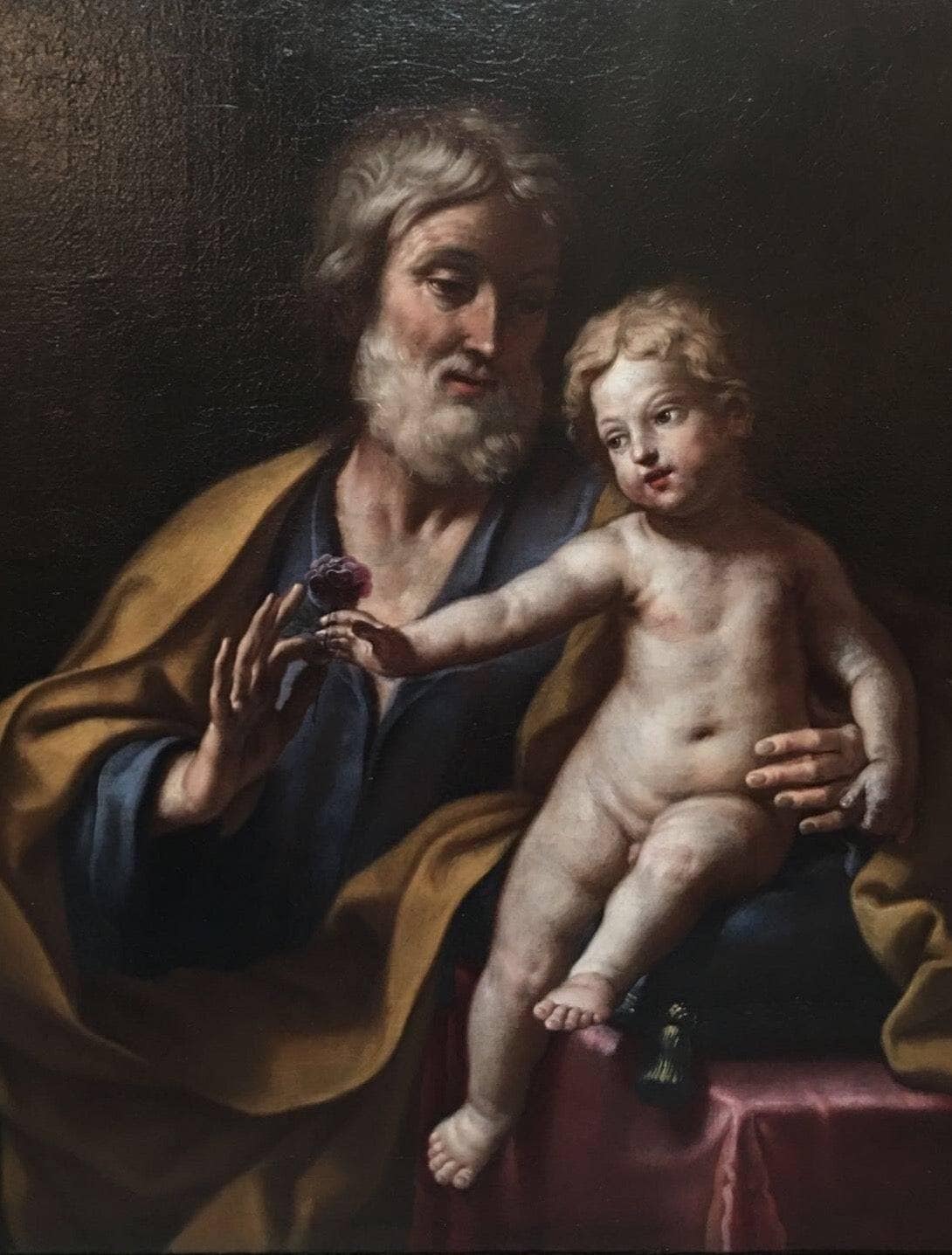
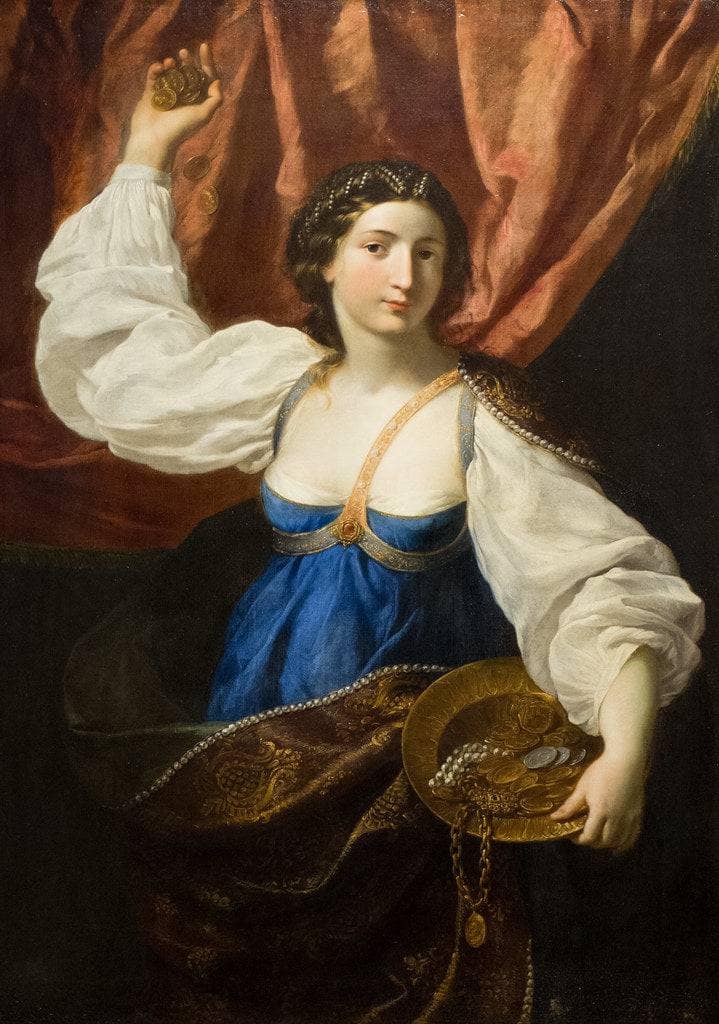
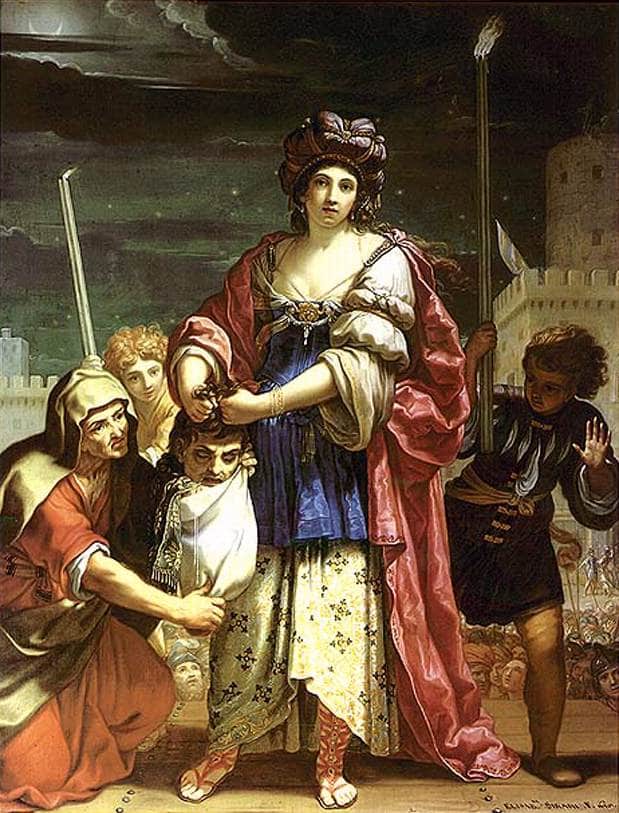
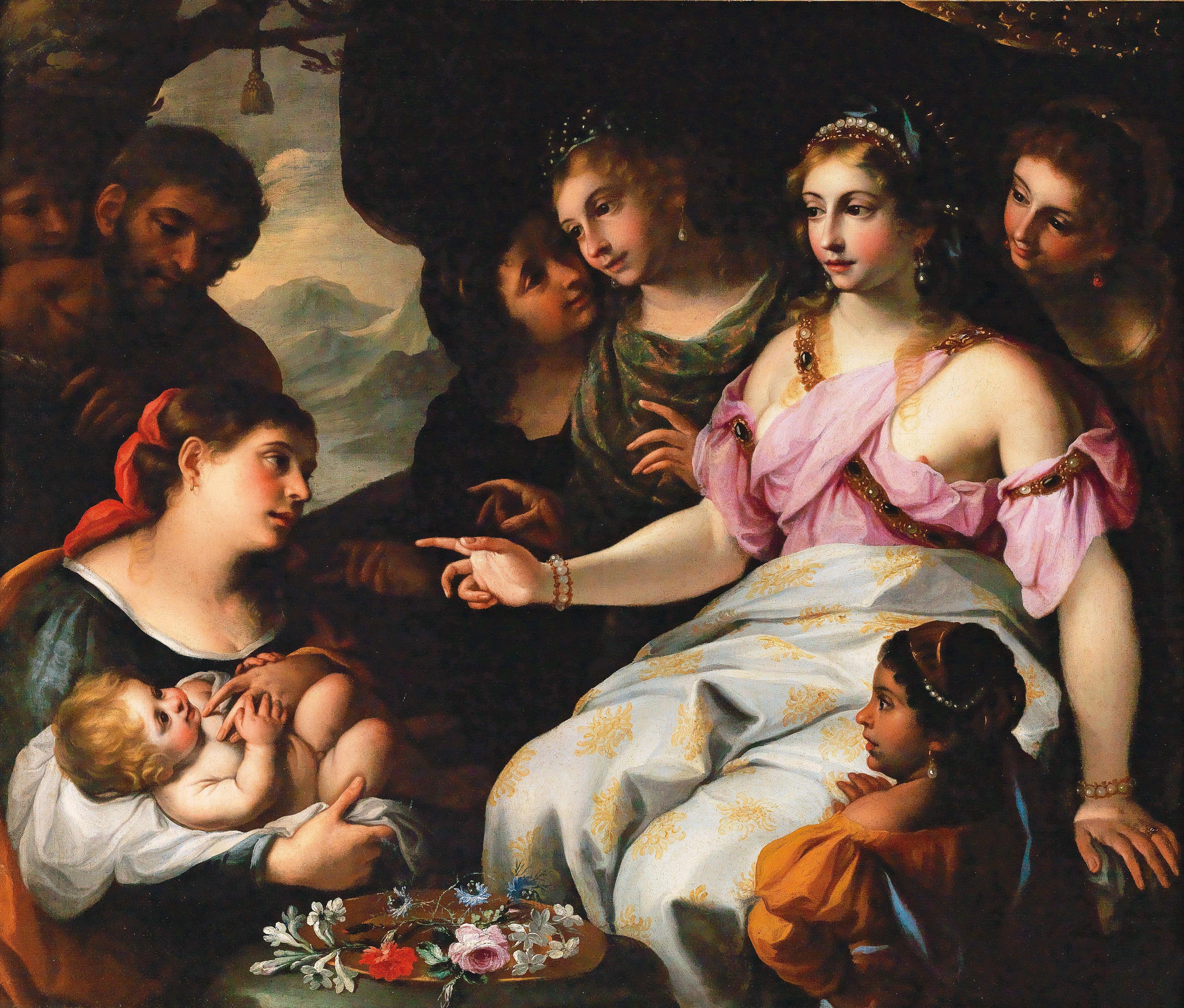
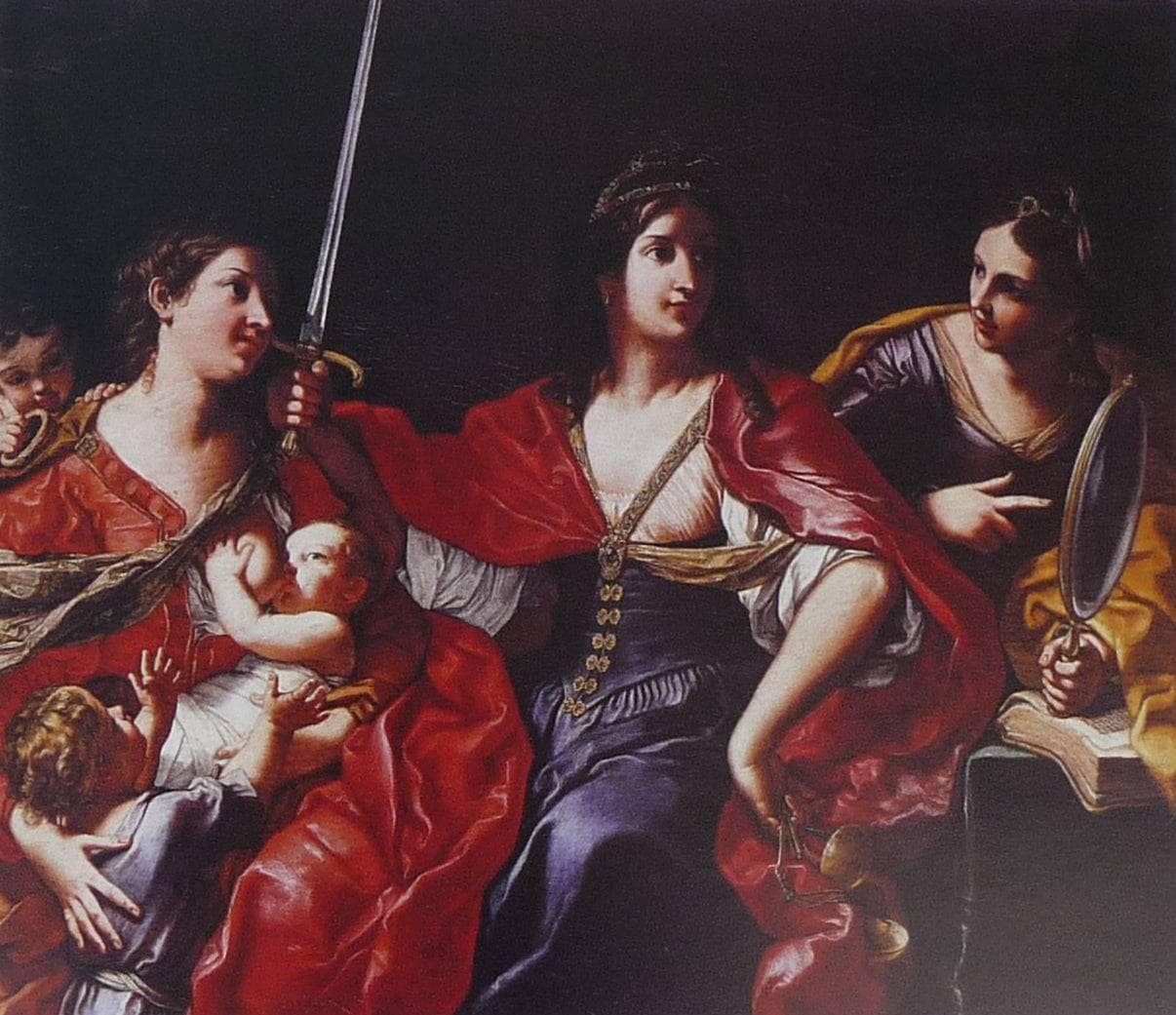
In this painting, Sirani masterfully illustrates the three cardinal virtues: Justice, Charity, and Prudence. Each figure embodies distinct qualities that resonate with viewers. Justice holds a scale and sword, symbolizing fairness and authority. Charity, depicted as a nurturing figure, represents compassion and selflessness. Prudence, often associated with wisdom, is shown with a serpent and a mirror, suggesting foresight and reflection.Elisabetta Sirani: A Pioneer of Baroque Art
Her Influence in the Male-Dominated Art World
Sirani was a trailblazer in a male-dominated field. She gained recognition for her exceptional talent and became a sought-after artist in Bologna. Her ability to convey deep emotion and complex themes set her apart from her contemporaries. Sirani's success paved the way for future generations of female artists, challenging societal norms.Notable Techniques and Styles of Sirani
Sirani employed various techniques that showcased her skill. She used vibrant colors and intricate details to bring her subjects to life. Her brushwork displayed a unique blend of realism and idealism, capturing the essence of her characters. Sirani's ability to convey emotion through facial expressions and body language is particularly noteworthy.Visual Analysis of the Painting's Composition
Color Palette: The Emotional Impact of Hues
The color palette in "Allegory of Justice, Charity, and Prudence" is rich and evocative. Sirani used warm tones to create a sense of intimacy and connection. The contrasting colors highlight the virtues, drawing the viewer's eye to each figure. This thoughtful use of color enhances the emotional impact of the painting.Figures and Their Arrangement: A Study in Balance
The arrangement of the figures is carefully balanced. Justice stands tall and authoritative, while Charity leans in, exuding warmth. Prudence, positioned thoughtfully, connects the two. This composition creates a harmonious flow, guiding the viewer's gaze across the painting and emphasizing the interconnectedness of the virtues.The Role of Light and Shadow in Sirani's Work
Chiaroscuro Techniques: Enhancing Depth and Emotion
Sirani's use of chiaroscuro, the contrast between light and dark, adds depth to her work. This technique creates a three-dimensional effect, making the figures appear lifelike. The interplay of light and shadow enhances the emotional resonance of the painting, drawing attention to the expressions and gestures of the characters.Illumination of Key Figures: Focus and Attention
Key figures in the painting are illuminated, guiding the viewer's focus. Justice, Charity, and Prudence are bathed in light, symbolizing their importance. This strategic use of illumination not only highlights their virtues but also creates a sense of divine presence, elevating the moral message of the artwork.Interpreting the Figures: Who Are Justice, Charity, and Prudence?
Justice: The Scale and Sword as Symbols of Fairness
Justice is depicted with a scale and sword, representing balance and authority. The scale signifies the weighing of actions, while the sword symbolizes the enforcement of law. This portrayal emphasizes the importance of justice in society, reflecting the values of 17th-century Italy.Charity: The Maternal Figure and Its Significance
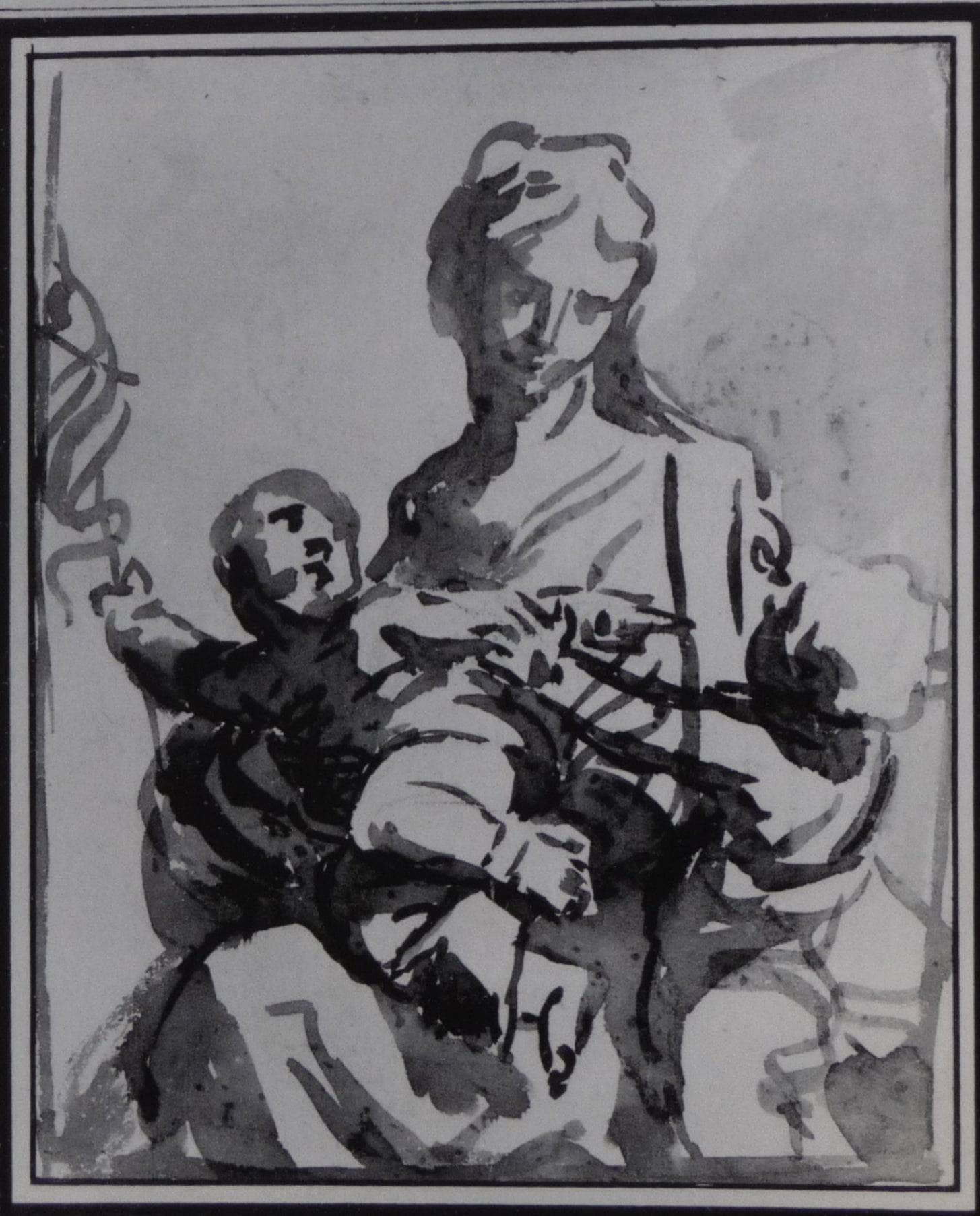
Charity is portrayed as a maternal figure, embodying love and compassion. Her nurturing pose and gentle expression convey a sense of warmth. This representation highlights the significance of charity in human relationships, reminding viewers of the importance of kindness and generosity.Prudence: The Serpent and Mirror as Metaphors
Prudence is depicted with a serpent and a mirror, rich in symbolism. The serpent represents wisdom and caution, while the mirror signifies self-reflection. This duality emphasizes the need for careful consideration in decision-making, a vital aspect of virtuous living.The Cultural Impact of Allegory in 17th Century Italy
Art as a Reflection of Societal Values
In 17th-century Italy, allegorical art served as a mirror to societal values. Sirani's painting reflects the ideals of virtue and morality that were highly regarded during this time. The emphasis on Justice, Charity, and Prudence resonates with the cultural and religious beliefs of the era.Patronage and the Role of Women in Art
Patronage played a crucial role in the success of artists like Sirani. Wealthy patrons supported her work, allowing her to thrive in a challenging environment. Sirani's achievements highlight the evolving role of women in the arts, showcasing their contributions to cultural heritage.Comparative Analysis: Sirani's Work vs. Her Contemporaries
Contrasting Styles: Sirani and Caravaggio
Sirani's style contrasts with that of Caravaggio, another prominent Baroque artist. While Caravaggio focused on dramatic realism and stark contrasts, Sirani's work embodies a softer, more emotional approach. This distinction highlights her unique voice in the art world.Influence of Other Female Artists in the Baroque Era
Sirani's influence extended beyond her own work. She inspired other female artists of the Baroque era, encouraging them to pursue their artistic ambitions. Her legacy continues to resonate, reminding us of the vital role women played in shaping art history.Legacy of the Allegory of Justice, Charity, and Prudence
How This Painting Influences Modern Interpretations of Virtue
The "Allegory of Justice, Charity, and Prudence" remains relevant today. Its themes of virtue and morality continue to inspire modern interpretations. Artists and scholars alike draw from Sirani's work, exploring the complexities of human values in contemporary society.Sirani's Enduring Impact on Contemporary Art
Elisabetta Sirani's legacy endures in the art world. Her innovative techniques and powerful themes influence contemporary artists. By studying her work, we gain insight into the evolution of art and the ongoing dialogue about virtue and morality.Frequently Asked Questions About Allegory of Justice, Charity, and Prudence
What is the main theme of the painting?
The main theme of the painting is the representation of the three cardinal virtues: Justice, Charity, and Prudence, highlighting their importance in moral philosophy.How does Elisabetta Sirani depict the virtues of Justice, Charity, and Prudence?
Sirani depicts Justice with a scale and sword, Charity as a nurturing figure, and Prudence with a serpent and mirror, each symbolizing their respective virtues.What techniques did Sirani use to create depth in the painting?
Sirani used chiaroscuro techniques to create depth, employing light and shadow to enhance the three-dimensionality of the figures and evoke emotion.What historical significance does this painting hold?
This painting holds historical significance as it reflects the societal values of 17th-century Italy and showcases the talent of a pioneering female artist in a male-dominated field.How does this artwork reflect the values of 17th century Italy?
The artwork reflects the values of 17th-century Italy by emphasizing the importance of virtue, morality, and the role of women in society and the arts.What should I know about reproductions of this painting?
Reproductions of this painting are superior to prints, as they capture the intricate details and vibrant colors of the original artwork, allowing for a more authentic experience.Are there any notable differences between the original and its reproductions?
While reproductions strive to replicate the original, they may vary in texture and depth. A high-quality reproduction can closely resemble the original, offering a beautiful representation of Sirani's artistry.Select Size
From $74.98
Original: $249.95
-70%Allegory of Justice, Charity, and Prudence—
$249.95
$74.98Product Information
Product Information
Shipping & Returns
Shipping & Returns