Madonna and Child
Discovering the Divine: An In-Depth Look at Madonna and Child by Elisabetta Sirani
The Artist Behind the Masterpiece: Elisabetta Sirani's Legacy
Exploring Sirani's Influence in Baroque Art
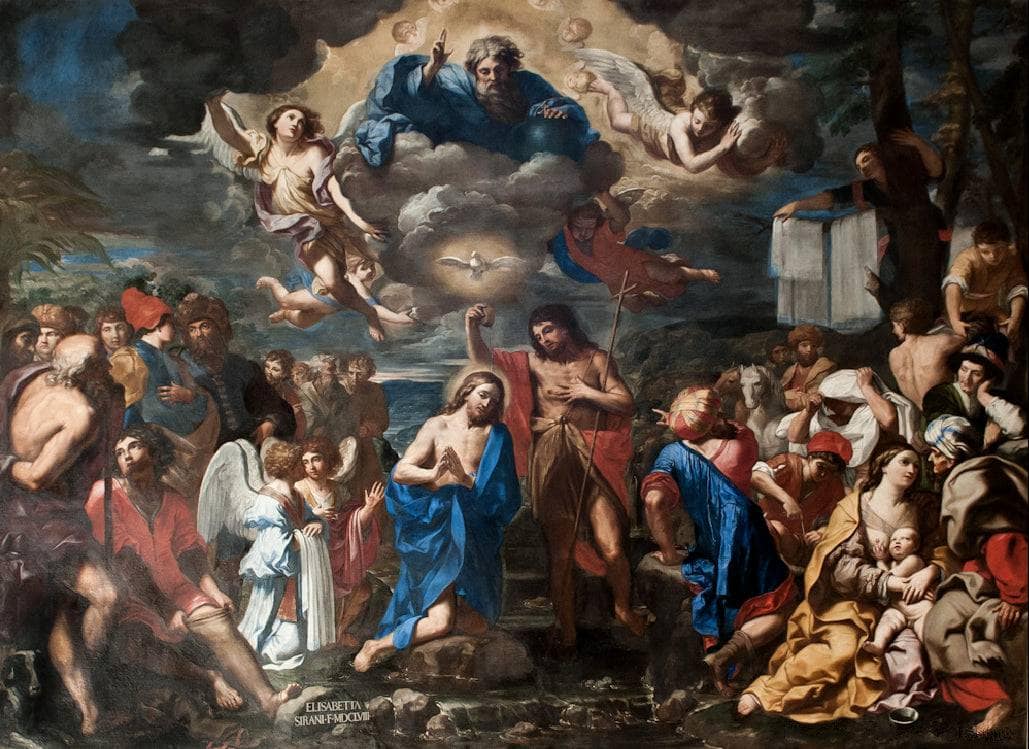
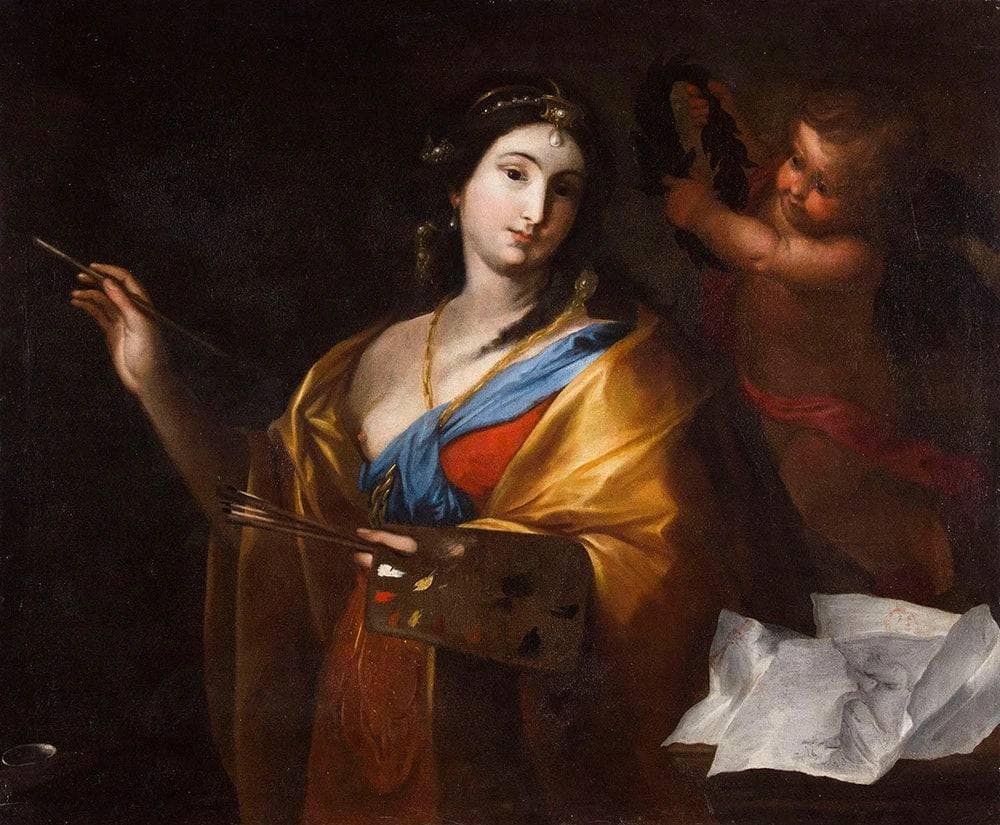
Elisabetta Sirani (1630-1665) was a prominent Italian painter known for her remarkable contributions to Baroque art. Born in Bologna, she became one of the few female artists to gain recognition in a male-dominated field. Sirani's work is characterized by its emotional depth and technical precision, making her a significant figure in the history of art.
Women Artists in the 17th Century: Breaking Barriers
During the 17th century, women artists faced numerous challenges, yet Sirani broke through these barriers. She not only created stunning artworks but also trained other women in the craft. Her success paved the way for future generations of female artists, showcasing their potential in a world that often overlooked them.
Unveiling the Iconography: Symbolism in Madonna and Child
The Significance of the Virgin Mary in Art History
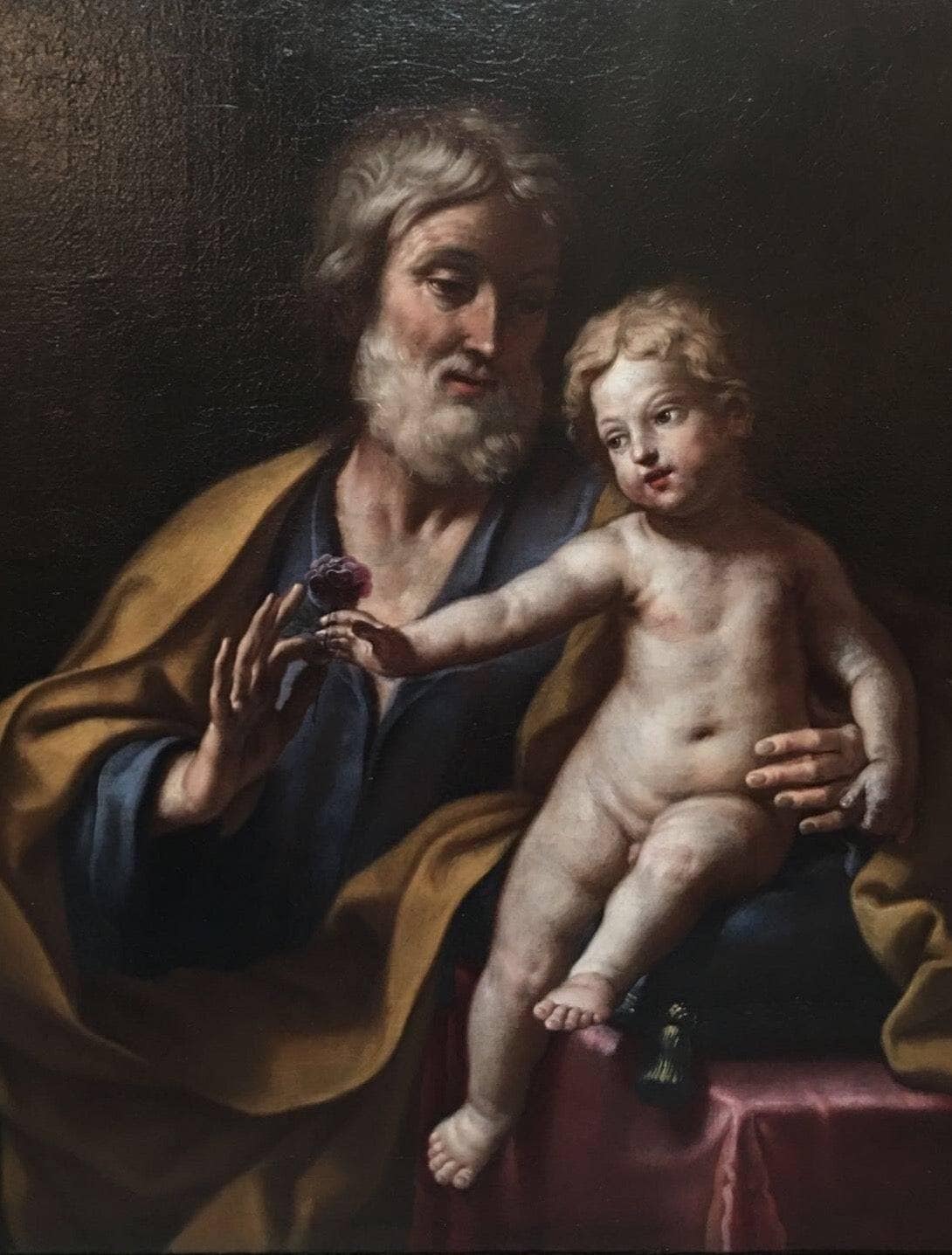
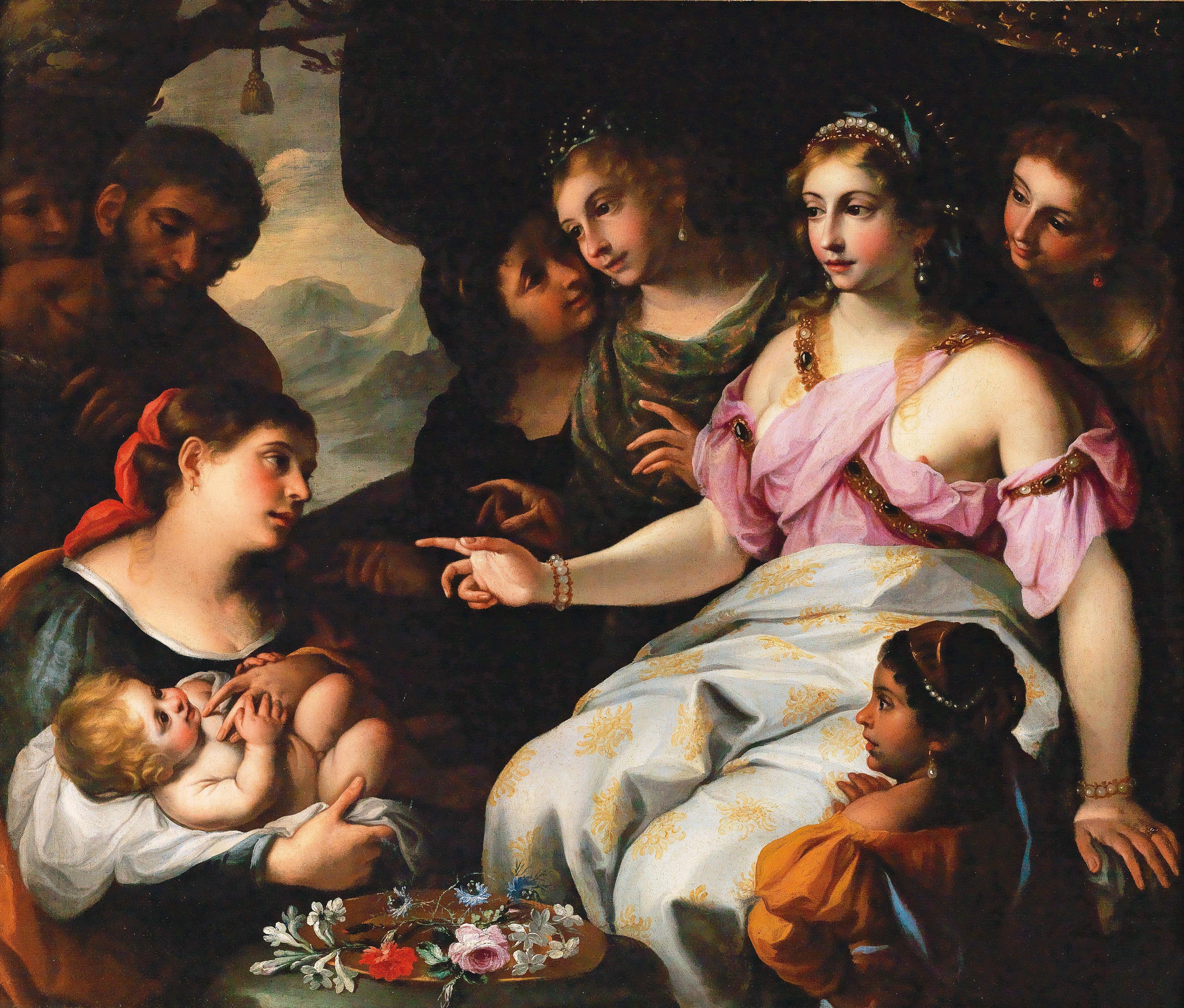
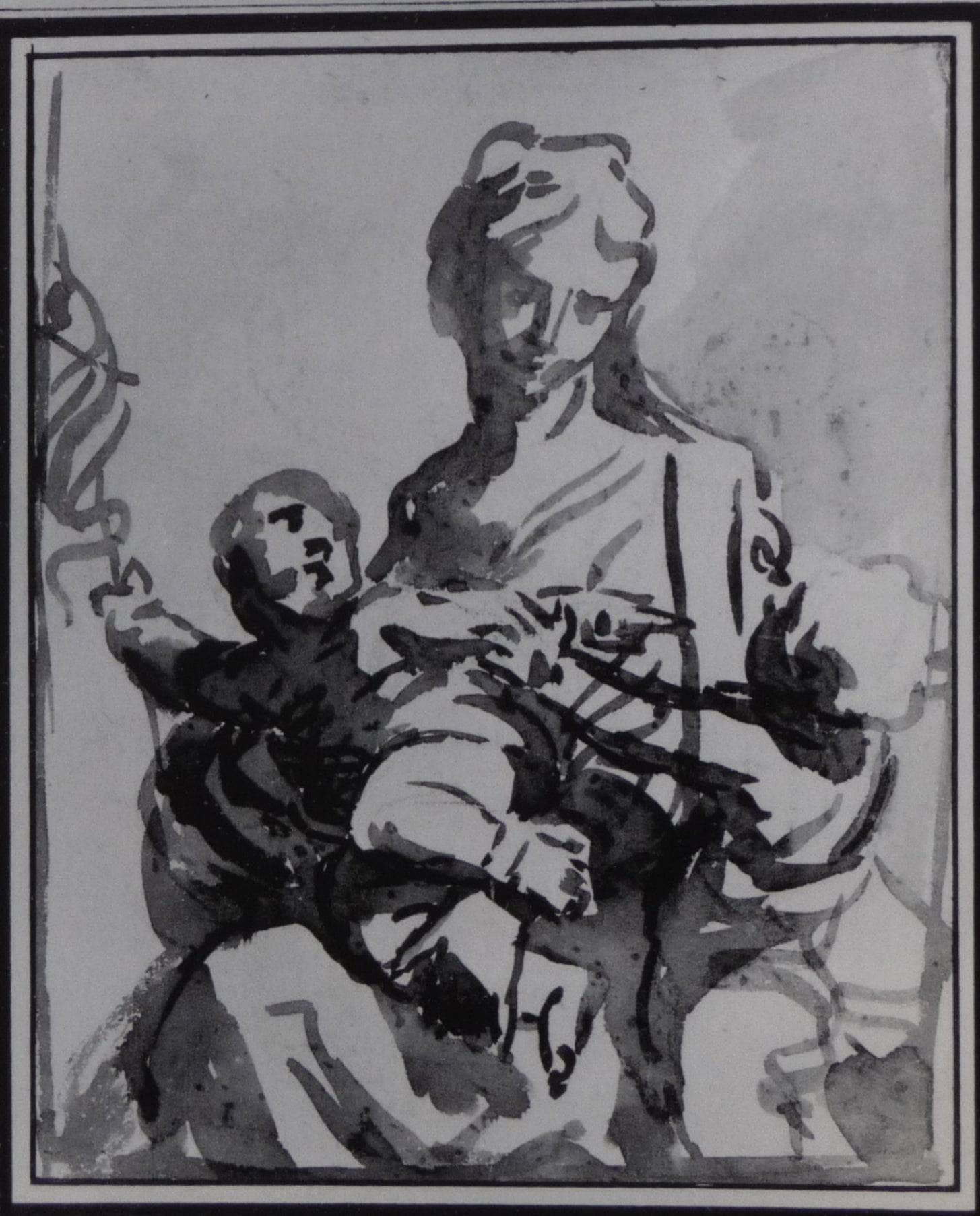
The Virgin Mary has been a central figure in Christian art, symbolizing purity, motherhood, and compassion. In Sirani's 'Madonna and Child,' Mary embodies divine grace, offering a nurturing presence that resonates with viewers. This portrayal reflects the deep reverence for Mary during the Baroque period, emphasizing her role as a spiritual guide.
Child Jesus: A Representation of Innocence and Divinity
In this painting, the Child Jesus is depicted with an aura of innocence and divinity. His gentle expression and tender pose evoke a sense of peace and love. This representation aligns with the Baroque emphasis on emotional connection, inviting viewers to reflect on the sacred bond between mother and child.
Color Palette and Its Emotional Impact
Sirani's choice of colors in 'Madonna and Child' enhances the emotional impact of the scene. Soft blues and warm earth tones create a harmonious atmosphere, while the use of light highlights the figures' faces. This careful selection of hues draws the viewer's eye and evokes feelings of serenity and devotion.
Artistic Techniques: Sirani's Brushwork and Style
Oil Painting Techniques: Layering and Glazing Explained
Sirani employed advanced oil painting techniques, including layering and glazing, to achieve depth and richness in her work. By applying multiple layers of paint, she created a luminous quality that brings her subjects to life. This method showcases her mastery of the medium and her commitment to artistic excellence.
Light and Shadow: Creating Depth in the Composition
Light and shadow play a crucial role in 'Madonna and Child.' Sirani skillfully used chiaroscuro to create a three-dimensional effect, giving the figures a sense of volume and presence. This technique enhances the emotional intensity of the painting, drawing viewers into the intimate moment shared between mother and child.
Facial Expressions: Capturing Emotion in Portraiture
Sirani's ability to capture subtle facial expressions is one of her defining traits. In 'Madonna and Child,' Mary's serene smile and the Child's curious gaze convey a profound emotional connection. This attention to detail invites viewers to engage with the painting on a personal level, fostering a deeper appreciation for the subjects.
Historical Context: The Cultural Landscape of 17th Century Bologna
Religious Themes in Art During the Baroque Period
The Baroque period was marked by a strong emphasis on religious themes, reflecting the Catholic Church's influence. Artists like Sirani created works that inspired devotion and conveyed spiritual narratives. 'Madonna and Child' exemplifies this trend, serving as a visual testament to faith and piety in a time of religious fervor.
Patronage and the Role of Art in Society
Art during the 17th century was often commissioned by wealthy patrons, including the Church and nobility. Sirani's work was no exception, as she received commissions that allowed her to showcase her talent. This patronage system not only supported artists but also shaped the cultural landscape of Bologna, making it a hub for artistic innovation.
Comparative Analysis: Madonna and Child in Art History
Similar Works: Comparing Sirani's Madonna with Other Artists
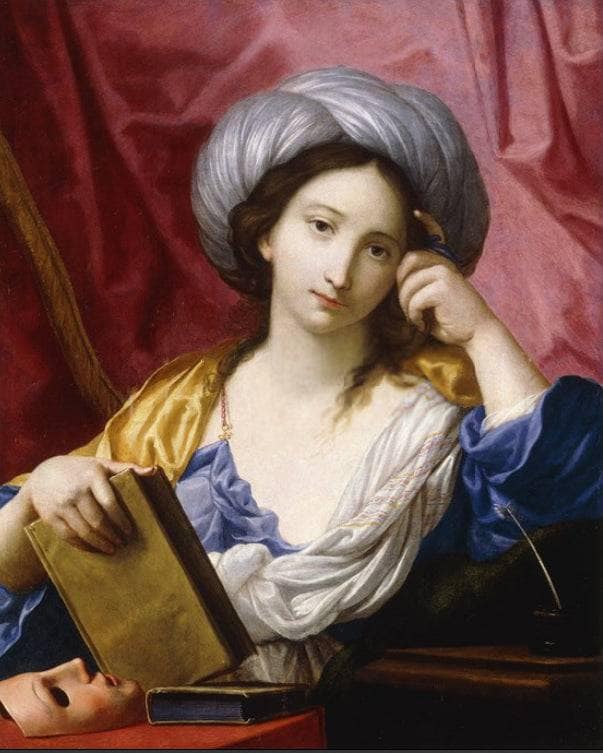
When comparing Sirani's 'Madonna and Child' to works by contemporaries like Guido Reni and Annibale Carracci, one can see distinct differences in style and emotional expression. While Reni's Madonnas often exude ethereal beauty, Sirani's portrayal is grounded in realism and maternal warmth, offering a unique perspective on the iconic subject.
Evolution of the Madonna Iconography Through the Ages
The depiction of the Madonna has evolved significantly over the centuries. From the Byzantine icons to the Renaissance masterpieces, each era brought new interpretations. Sirani's work represents a pivotal moment in this evolution, blending traditional iconography with a fresh, intimate approach that resonates with viewers today.
Personal Reflections: Experiencing the Painting
Emotional Resonance: What the Painting Evokes
Viewing 'Madonna and Child' evokes a sense of peace and reflection. The tender interaction between Mary and Jesus invites viewers to contemplate themes of love, protection, and spirituality. This emotional resonance makes the painting a timeless piece that continues to inspire and uplift.
Visiting the Original: A Journey to the Gallery
The original 'Madonna and Child' is housed in the prestigious collection of the Pinacoteca Nazionale di Bologna. Visiting this gallery offers a unique opportunity to experience Sirani's masterpiece in person. The ambiance of the gallery enhances the viewing experience, allowing one to appreciate the intricate details and vibrant colors up close.
FAQs About Madonna and Child by Elisabetta Sirani
What is the historical significance of Madonna and Child?
'Madonna and Child' holds historical significance as a representation of Baroque art and the role of women artists in the 17th century. It showcases Sirani's skill and the cultural values of the time.
How does Elisabetta Sirani's style differ from her contemporaries?
Sirani's style is characterized by emotional depth and realism, setting her apart from contemporaries who often focused on idealized beauty. Her ability to convey intimate moments is a hallmark of her work.
What are the main themes depicted in Madonna and Child?
The main themes in 'Madonna and Child' include motherhood, divine love, and the sacred bond between Mary and Jesus. These themes resonate deeply with viewers, inviting reflection on spirituality and family.
Where can I see the original painting today?
The original painting can be seen at the Pinacoteca Nazionale di Bologna, where it is part of a rich collection of Baroque art. This gallery is a must-visit for art enthusiasts.
What techniques did Sirani use to create depth in her paintings?
Sirani used techniques such as layering, glazing, and chiaroscuro to create depth and dimension in her paintings. These methods enhance the visual impact and emotional resonance of her work.
How does the painting reflect the Baroque period's values?
'Madonna and Child' reflects the Baroque period's values through its emphasis on emotional expression, religious devotion, and the celebration of motherhood. These elements are central to the art of this era.
FAQs About the Painting Reproduction
What should I consider when purchasing a reproduction of Madonna and Child?
When purchasing a reproduction of 'Madonna and Child,' consider the quality of materials, the accuracy of colors, and the craftsmanship involved. A high-quality painting reproduction will capture the essence of Sirani's original work.
How can I ensure the quality of the painting reproduction?
To ensure quality, look for reproductions created by skilled artists using premium materials. A well-crafted painting reproduction will offer a more authentic experience than standard prints, allowing you to appreciate the details and textures of the original artwork.
Original: $299.95
-70%$299.95
$89.98Product Information
Product Information
Shipping & Returns
Shipping & Returns
Description
Discovering the Divine: An In-Depth Look at Madonna and Child by Elisabetta Sirani
The Artist Behind the Masterpiece: Elisabetta Sirani's Legacy
Exploring Sirani's Influence in Baroque Art
Elisabetta Sirani (1630-1665) was a prominent Italian painter known for her remarkable contributions to Baroque art. Born in Bologna, she became one of the few female artists to gain recognition in a male-dominated field. Sirani's work is characterized by its emotional depth and technical precision, making her a significant figure in the history of art.
Women Artists in the 17th Century: Breaking Barriers
During the 17th century, women artists faced numerous challenges, yet Sirani broke through these barriers. She not only created stunning artworks but also trained other women in the craft. Her success paved the way for future generations of female artists, showcasing their potential in a world that often overlooked them.
Unveiling the Iconography: Symbolism in Madonna and Child
The Significance of the Virgin Mary in Art History
The Virgin Mary has been a central figure in Christian art, symbolizing purity, motherhood, and compassion. In Sirani's 'Madonna and Child,' Mary embodies divine grace, offering a nurturing presence that resonates with viewers. This portrayal reflects the deep reverence for Mary during the Baroque period, emphasizing her role as a spiritual guide.
Child Jesus: A Representation of Innocence and Divinity
In this painting, the Child Jesus is depicted with an aura of innocence and divinity. His gentle expression and tender pose evoke a sense of peace and love. This representation aligns with the Baroque emphasis on emotional connection, inviting viewers to reflect on the sacred bond between mother and child.
Color Palette and Its Emotional Impact
Sirani's choice of colors in 'Madonna and Child' enhances the emotional impact of the scene. Soft blues and warm earth tones create a harmonious atmosphere, while the use of light highlights the figures' faces. This careful selection of hues draws the viewer's eye and evokes feelings of serenity and devotion.
Artistic Techniques: Sirani's Brushwork and Style
Oil Painting Techniques: Layering and Glazing Explained
Sirani employed advanced oil painting techniques, including layering and glazing, to achieve depth and richness in her work. By applying multiple layers of paint, she created a luminous quality that brings her subjects to life. This method showcases her mastery of the medium and her commitment to artistic excellence.
Light and Shadow: Creating Depth in the Composition
Light and shadow play a crucial role in 'Madonna and Child.' Sirani skillfully used chiaroscuro to create a three-dimensional effect, giving the figures a sense of volume and presence. This technique enhances the emotional intensity of the painting, drawing viewers into the intimate moment shared between mother and child.
Facial Expressions: Capturing Emotion in Portraiture
Sirani's ability to capture subtle facial expressions is one of her defining traits. In 'Madonna and Child,' Mary's serene smile and the Child's curious gaze convey a profound emotional connection. This attention to detail invites viewers to engage with the painting on a personal level, fostering a deeper appreciation for the subjects.
Historical Context: The Cultural Landscape of 17th Century Bologna
Religious Themes in Art During the Baroque Period
The Baroque period was marked by a strong emphasis on religious themes, reflecting the Catholic Church's influence. Artists like Sirani created works that inspired devotion and conveyed spiritual narratives. 'Madonna and Child' exemplifies this trend, serving as a visual testament to faith and piety in a time of religious fervor.
Patronage and the Role of Art in Society
Art during the 17th century was often commissioned by wealthy patrons, including the Church and nobility. Sirani's work was no exception, as she received commissions that allowed her to showcase her talent. This patronage system not only supported artists but also shaped the cultural landscape of Bologna, making it a hub for artistic innovation.
Comparative Analysis: Madonna and Child in Art History
Similar Works: Comparing Sirani's Madonna with Other Artists
When comparing Sirani's 'Madonna and Child' to works by contemporaries like Guido Reni and Annibale Carracci, one can see distinct differences in style and emotional expression. While Reni's Madonnas often exude ethereal beauty, Sirani's portrayal is grounded in realism and maternal warmth, offering a unique perspective on the iconic subject.
Evolution of the Madonna Iconography Through the Ages
The depiction of the Madonna has evolved significantly over the centuries. From the Byzantine icons to the Renaissance masterpieces, each era brought new interpretations. Sirani's work represents a pivotal moment in this evolution, blending traditional iconography with a fresh, intimate approach that resonates with viewers today.
Personal Reflections: Experiencing the Painting
Emotional Resonance: What the Painting Evokes
Viewing 'Madonna and Child' evokes a sense of peace and reflection. The tender interaction between Mary and Jesus invites viewers to contemplate themes of love, protection, and spirituality. This emotional resonance makes the painting a timeless piece that continues to inspire and uplift.
Visiting the Original: A Journey to the Gallery
The original 'Madonna and Child' is housed in the prestigious collection of the Pinacoteca Nazionale di Bologna. Visiting this gallery offers a unique opportunity to experience Sirani's masterpiece in person. The ambiance of the gallery enhances the viewing experience, allowing one to appreciate the intricate details and vibrant colors up close.
FAQs About Madonna and Child by Elisabetta Sirani
What is the historical significance of Madonna and Child?
'Madonna and Child' holds historical significance as a representation of Baroque art and the role of women artists in the 17th century. It showcases Sirani's skill and the cultural values of the time.
How does Elisabetta Sirani's style differ from her contemporaries?
Sirani's style is characterized by emotional depth and realism, setting her apart from contemporaries who often focused on idealized beauty. Her ability to convey intimate moments is a hallmark of her work.
What are the main themes depicted in Madonna and Child?
The main themes in 'Madonna and Child' include motherhood, divine love, and the sacred bond between Mary and Jesus. These themes resonate deeply with viewers, inviting reflection on spirituality and family.
Where can I see the original painting today?
The original painting can be seen at the Pinacoteca Nazionale di Bologna, where it is part of a rich collection of Baroque art. This gallery is a must-visit for art enthusiasts.
What techniques did Sirani use to create depth in her paintings?
Sirani used techniques such as layering, glazing, and chiaroscuro to create depth and dimension in her paintings. These methods enhance the visual impact and emotional resonance of her work.
How does the painting reflect the Baroque period's values?
'Madonna and Child' reflects the Baroque period's values through its emphasis on emotional expression, religious devotion, and the celebration of motherhood. These elements are central to the art of this era.
FAQs About the Painting Reproduction
What should I consider when purchasing a reproduction of Madonna and Child?
When purchasing a reproduction of 'Madonna and Child,' consider the quality of materials, the accuracy of colors, and the craftsmanship involved. A high-quality painting reproduction will capture the essence of Sirani's original work.
How can I ensure the quality of the painting reproduction?
To ensure quality, look for reproductions created by skilled artists using premium materials. A well-crafted painting reproduction will offer a more authentic experience than standard prints, allowing you to appreciate the details and textures of the original artwork.