🚚 Free Worldwide Shipping on All Orders!Shop Now

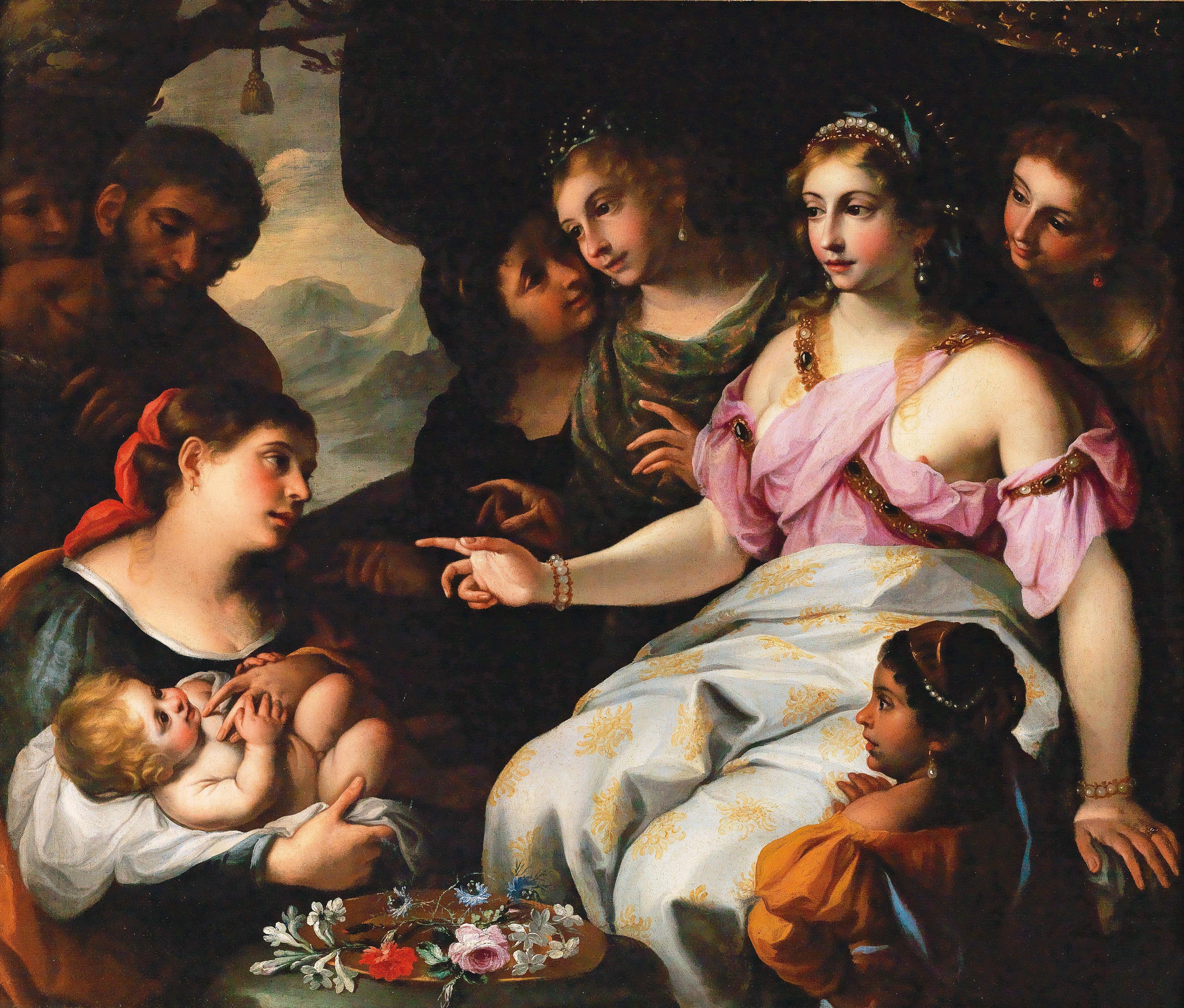
Finding of Moses
Discovering the Masterpiece: Finding of Moses by Elisabetta Sirani
Historical Context of the Baroque Era
The Rise of Female Artists in the 17th Century
The 17th century marked a significant shift in the art world, particularly for female artists. During the Baroque era, women began to break through the barriers of a male-dominated field. Artists like Artemisia Gentileschi and Elisabetta Sirani emerged, showcasing their talents and challenging societal norms. This period saw a growing appreciation for the contributions of women in art, leading to a richer and more diverse artistic landscape.Elisabetta Sirani: A Trailblazer in Art
Elisabetta Sirani (1630-1665) was a remarkable figure in Baroque art. Born in Bologna, Italy, she was a prodigy who began painting at a young age. Sirani gained recognition for her skillful oil paintings and her ability to convey emotion through her work. She became a successful artist, earning commissions from prominent patrons. Her legacy as a female artist in a male-dominated society is inspiring and significant.Unveiling the Narrative: The Story Behind Finding of Moses
Biblical Inspiration: The Tale of Moses and the Pharaoh's Daughter
The Finding of Moses draws from the biblical story found in the Book of Exodus. This narrative tells of the Pharaoh's daughter discovering the infant Moses in a basket along the Nile River. The painting captures this pivotal moment, symbolizing hope and divine intervention. Sirani's interpretation adds depth to the story, highlighting themes of compassion and maternal instinct.Symbolism and Themes: Rescue, Innocence, and Divine Intervention
In Finding of Moses, Sirani weaves rich symbolism throughout the composition. The act of rescuing Moses represents innocence and the power of love. The painting also reflects themes of divine intervention, suggesting that fate plays a crucial role in shaping destinies. Sirani's use of light and shadow enhances these themes, creating a dramatic and emotional scene.Artistic Techniques and Style in Finding of Moses
Oil Painting Mastery: Brushwork and Color Palette
Sirani's mastery of oil painting is evident in Finding of Moses. She employed delicate brushwork to create lifelike textures and intricate details. Her color palette features warm tones, which evoke a sense of warmth and tenderness. The vibrant hues bring the scene to life, drawing the viewer into the emotional narrative.Composition and Perspective: Guiding the Viewer's Eye
The composition of Finding of Moses is carefully crafted to guide the viewer's eye. Sirani arranged the figures in a triangular formation, creating a sense of balance and harmony. The use of perspective draws attention to the central figures, emphasizing their emotional expressions. This technique enhances the storytelling aspect of the painting, inviting viewers to engage with the scene.Analyzing the Characters: A Closer Look at the Figures
Moses: The Child of Destiny
Moses, depicted as a vulnerable infant, embodies the theme of destiny. His serene expression contrasts with the dramatic circumstances of his discovery. Sirani captures the innocence of childhood, making Moses a relatable figure for viewers. This portrayal invites empathy and connection, allowing audiences to reflect on the significance of his future.The Pharaoh's Daughter: Compassion and Nobility
The Pharaoh's daughter is portrayed with grace and compassion. Her gentle demeanor and nurturing posture convey a sense of nobility. Sirani's depiction challenges traditional views of power, showcasing a woman in a position of influence. This character adds depth to the narrative, highlighting the importance of empathy in leadership.Supporting Figures: The Role of the Attendants
The attendants in Finding of Moses play a crucial role in the narrative. They enhance the scene's emotional weight, reflecting the societal norms of the time. Their expressions and gestures contribute to the overall atmosphere, emphasizing the significance of the moment. Sirani's attention to detail in these supporting figures enriches the storytelling.Emotional Resonance: The Impact of Finding of Moses
Evoking Empathy: The Viewer's Connection to the Scene
Finding of Moses evokes a strong emotional response from viewers. The tender moment captured in the painting invites empathy and reflection. Sirani's ability to convey deep emotions through her characters allows audiences to connect with the story on a personal level. This emotional resonance is a hallmark of her artistic style.Art as a Reflection of Society: Gender and Power Dynamics
Sirani's work reflects the gender and power dynamics of her time. By portraying strong female characters, she challenges traditional roles and highlights the importance of compassion in leadership. Finding of Moses serves as a commentary on societal values, encouraging viewers to consider the impact of empathy and kindness in their own lives.Elisabetta Sirani's Legacy: Influence on Future Generations
Impact on Baroque Art and Beyond
Elisabetta Sirani's influence extends beyond her lifetime. Her innovative techniques and themes inspired future generations of artists. Sirani's work contributed to the evolution of Baroque art, paving the way for greater recognition of female artists. Her legacy continues to inspire and empower women in the arts today.Rediscovery and Recognition in Modern Art History
In recent years, Sirani's work has experienced a resurgence in interest. Art historians and enthusiasts are rediscovering her contributions to the Baroque movement. Exhibitions and publications celebrating her artistry highlight her significance in art history. Sirani's legacy is being recognized, ensuring her place among the great masters of her time.Exploring the Reproduction: Bringing Art into Your Home
Why Choose a Reproduction of Finding of Moses?
Choosing a reproduction of Finding of Moses allows you to bring a piece of art history into your home. Unlike prints, high-quality oil painting reproductions capture the texture and depth of the original work. They offer a more authentic experience, allowing you to appreciate the nuances of Sirani's artistry.Enhancing Your Space with Timeless Art
A reproduction of Finding of Moses can enhance any space, adding elegance and sophistication. The emotional depth and historical significance of the painting make it a conversation starter. Whether displayed in a living room, office, or gallery wall, this artwork brings timeless beauty and inspiration to your environment.FAQs About Finding of Moses by Elisabetta Sirani
What is the significance of the Finding of Moses in art history?
Finding of Moses is significant for its portrayal of female strength and compassion, showcasing Sirani's talent in a male-dominated art world.How does Elisabetta Sirani's style differ from her male contemporaries?
Sirani's style emphasizes emotional depth and the portrayal of strong female characters, setting her apart from many male artists of her time.What are the main themes depicted in the Finding of Moses?
The main themes include rescue, innocence, divine intervention, and the power of compassion, all woven into the narrative of Moses's discovery.Where can I see the original Finding of Moses painting?
The original Finding of Moses is housed in the collection of the National Gallery of Canada, where visitors can appreciate its beauty firsthand.What techniques did Sirani use to create the Finding of Moses?
Sirani used oil painting techniques, including delicate brushwork and a vibrant color palette, to create depth and emotion in the scene.How can a reproduction of Finding of Moses enhance my home decor?
A reproduction of Finding of Moses adds elegance and historical significance to your decor, making it a beautiful focal point in any room.What should I consider when purchasing a reproduction of this painting?
When purchasing a reproduction, consider the quality of the materials, the artist's attention to detail, and how well it captures the essence of the original artwork.Select Size
From $74.98
Original: $249.95
-70%Finding of Moses—
$249.95
$74.98Product Information
Product Information
Shipping & Returns
Shipping & Returns