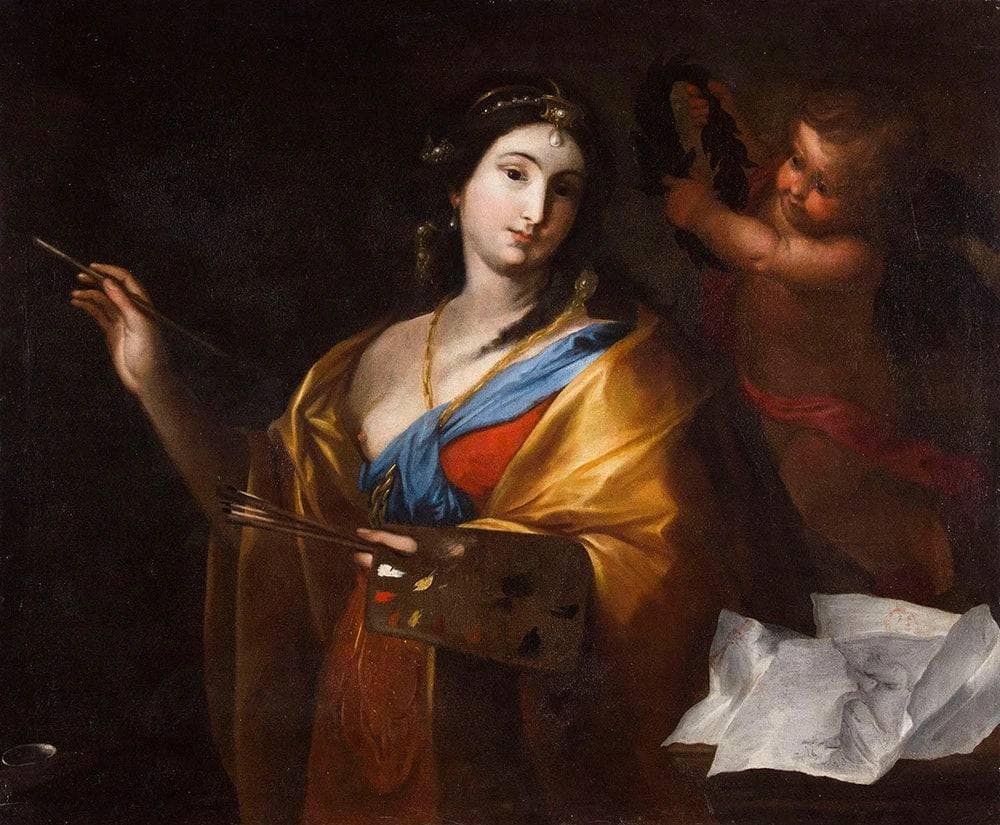
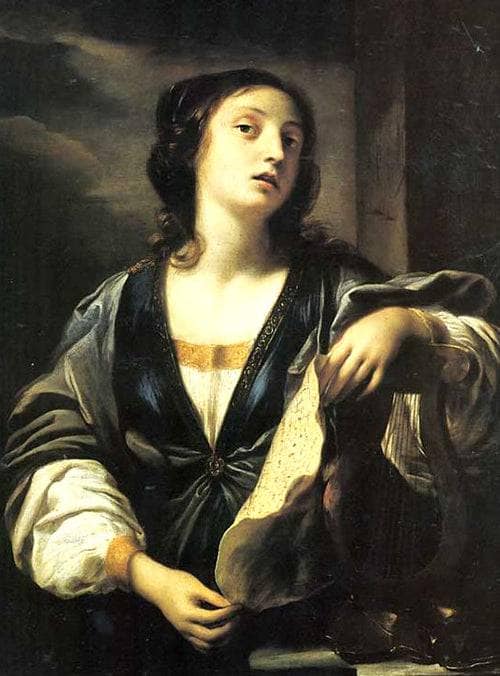
Allegory of Music
Discovering the Allegory of Music: A Masterpiece by Elisabetta Sirani
Historical Context of the Allegory of Music
The Role of Women in Baroque Art
During the Baroque period, women artists faced significant challenges. Despite societal constraints, some, like Elisabetta Sirani, broke through barriers. They contributed richly to the art world, showcasing their talents in a male-dominated field.
Elisabetta Sirani: A Pioneering Female Artist
Elisabetta Sirani (1630-1665) was a remarkable figure in 17th-century Bologna. She gained recognition for her skillful oil paintings and became a successful artist at a young age. Sirani's legacy includes not only her artwork but also her role as a mentor to other aspiring female artists.
Influences of the Italian Baroque Period
The Italian Baroque period was characterized by dramatic expression and rich detail. Artists like Caravaggio and Annibale Carracci influenced Sirani's work. Their use of light, shadow, and emotional intensity can be seen in the Allegory of Music, which reflects the era's artistic innovations.
Symbolism and Themes in the Allegory of Music
Understanding Allegorical Representations in Art
Allegorical art uses symbols to convey deeper meanings. In the Allegory of Music, Sirani employs various elements to represent the power of music. The painting invites viewers to explore the relationship between art and emotion.
The Significance of Music in 17th Century Culture
In the 17th century, music was a vital part of cultural life. It symbolized harmony, joy, and even divine inspiration. Sirani's depiction of music reflects its importance in society, showcasing how it connects people across different backgrounds.
Exploring the Emotional Depth of Musical Allegories
Musical allegories often evoke strong emotions. Sirani's Allegory of Music captures the essence of joy and creativity. The figures in the painting express a sense of harmony, inviting viewers to feel the music's emotional resonance.
Visual Analysis of the Allegory of Music
Color Palette and Its Emotional Impact
Sirani's use of a vibrant color palette enhances the painting's emotional depth. Rich blues, warm golds, and soft pinks create a lively atmosphere. These colors not only attract the eye but also evoke feelings of joy and celebration.
Composition Techniques: Balance and Harmony
The composition of the Allegory of Music is carefully balanced. Sirani arranges the figures in a way that guides the viewer's eye throughout the painting. This harmony reflects the theme of music, creating a sense of unity and flow.
Figures and Their Symbolic Meanings
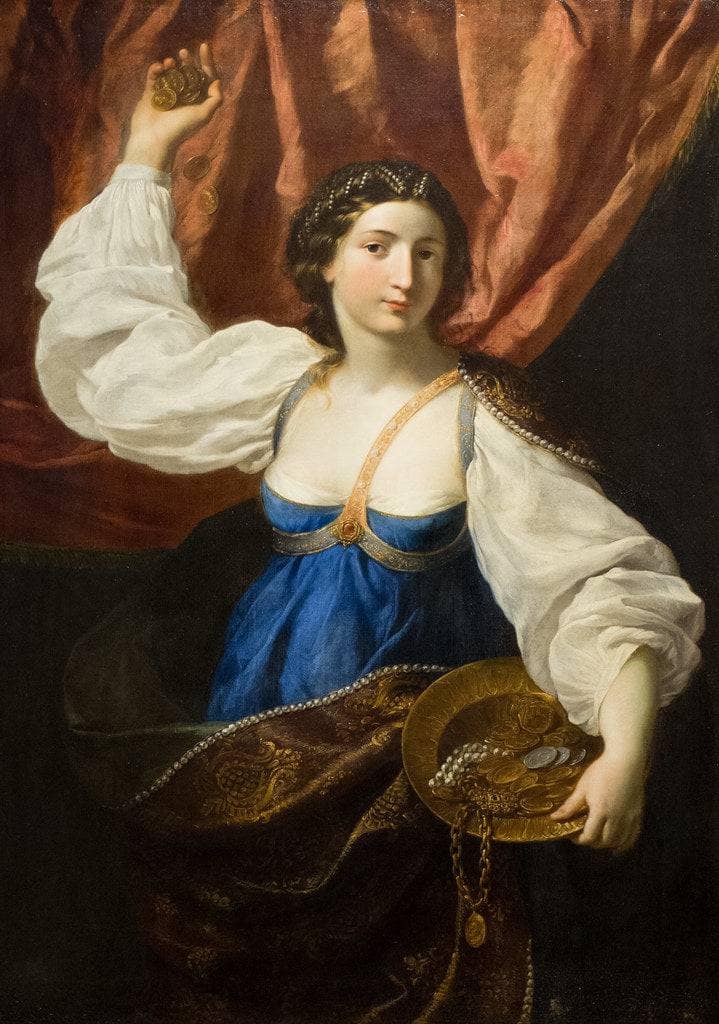
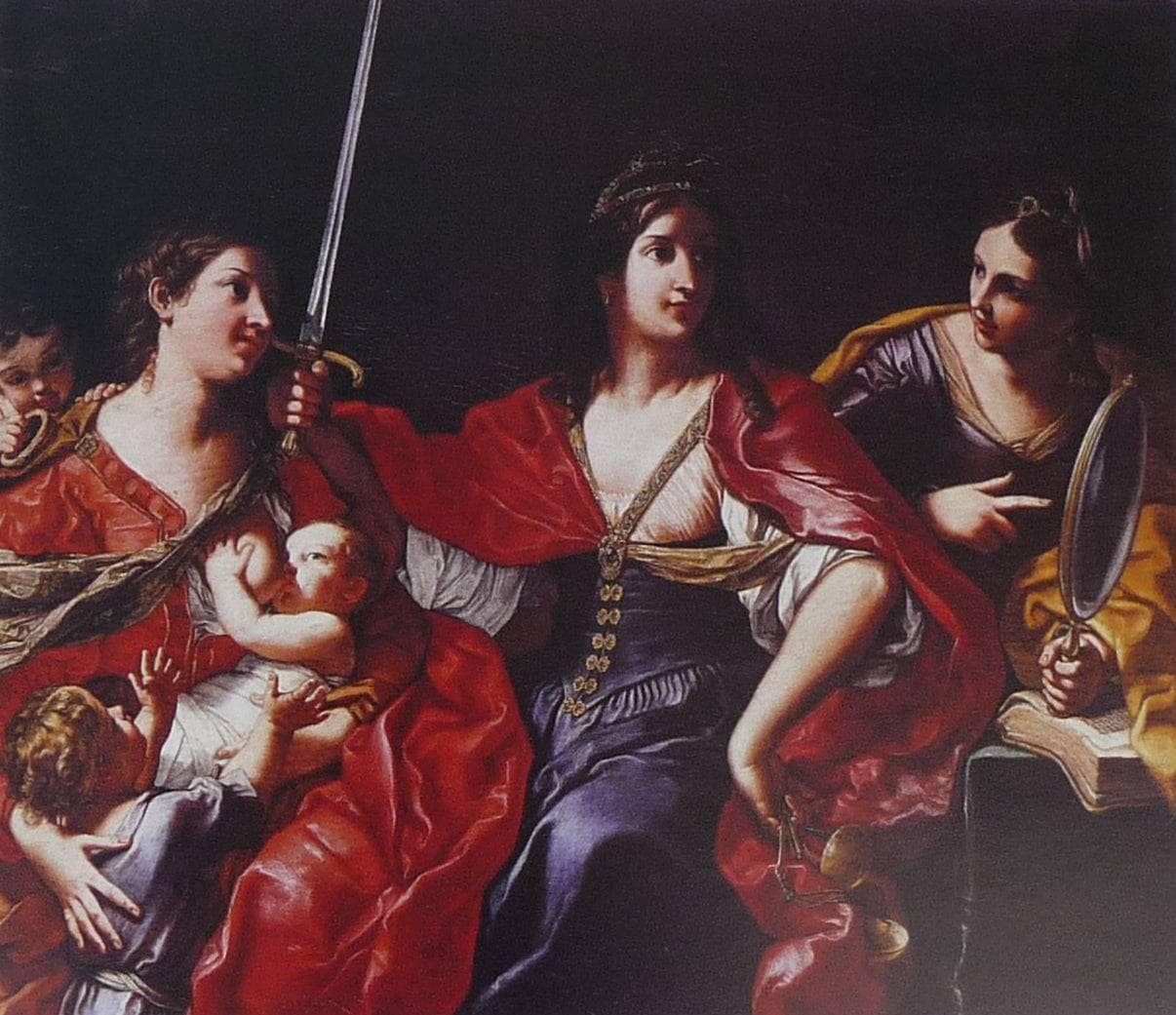
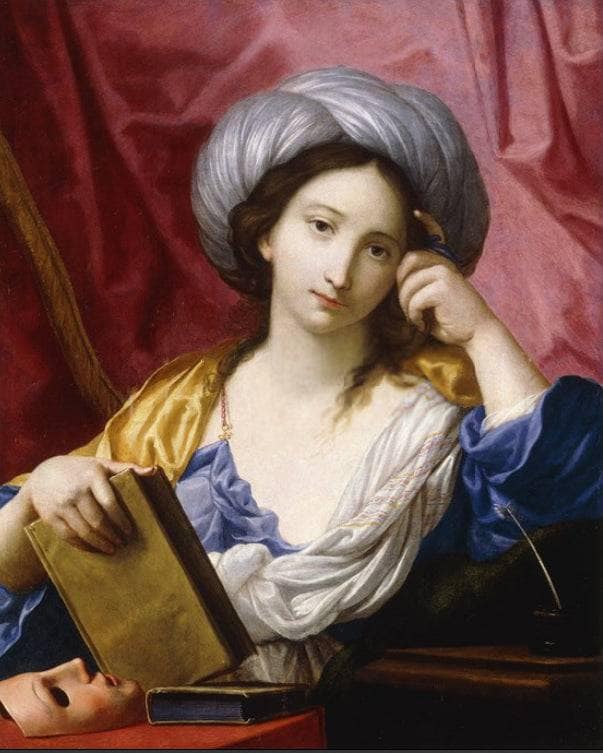
Each figure in the Allegory of Music carries symbolic weight. The central figure, often interpreted as Music herself, embodies creativity and inspiration. Surrounding figures represent various musical instruments, emphasizing the diverse aspects of music's influence.
Elisabetta Sirani's Artistic Techniques
Brushwork and Texture: A Closer Look
Sirani's brushwork is both delicate and expressive. She skillfully creates texture, giving life to fabrics and skin tones. This attention to detail enhances the realism of her figures, making them relatable and engaging.
Use of Light and Shadow in Sirani's Work
Light and shadow play a crucial role in Sirani's paintings. She employs chiaroscuro techniques to create depth and dimension. This use of light not only highlights the figures but also adds drama to the Allegory of Music.
Innovative Approaches to Portraiture and Allegory
Sirani's innovative approach sets her apart from her contemporaries. She blends portraiture with allegorical themes, creating a unique narrative. This technique allows viewers to connect personally with the subjects while exploring broader themes of art and music.
The Legacy of the Allegory of Music
Influence on Contemporary Artists and Art Movements
The Allegory of Music continues to inspire modern artists. Its themes of creativity and emotional expression resonate with contemporary art movements. Sirani's work encourages artists to explore the connections between music and visual art.
Preservation and Restoration of Sirani's Works
Efforts to preserve and restore Sirani's paintings are ongoing. Museums and art conservators work diligently to maintain the integrity of her works. This commitment ensures that future generations can appreciate her contributions to art history.
Exhibitions and Collections Featuring the Allegory of Music
The Allegory of Music is featured in various prestigious collections. Art enthusiasts can find it in museums dedicated to Baroque art. Special exhibitions often highlight Sirani's work, showcasing her talent and influence.
Connecting with the Allegory of Music: Personal Reflections
Experiencing the Painting in Person: A Visitor's Perspective
Seeing the Allegory of Music in person is a transformative experience. The vibrant colors and intricate details captivate viewers. Many visitors report feeling a deep emotional connection to the painting, as if they can hear the music it represents.
Emotional Resonance: What the Painting Evokes
The Allegory of Music evokes a range of emotions. Viewers often feel joy, nostalgia, and inspiration. Sirani's ability to capture these feelings through her art makes the painting a timeless masterpiece.
How the Allegory of Music Inspires Modern Creativity
Today, the Allegory of Music inspires artists across various disciplines. Musicians, writers, and visual artists draw from its themes. Sirani's work encourages a dialogue between different forms of creativity, highlighting the universal language of art.
FAQs about the Allegory of Music by Elisabetta Sirani
What is the story behind the Allegory of Music?
The Allegory of Music represents the celebration of music as a powerful force in human experience. It reflects the cultural significance of music in the 17th century and Sirani's interpretation of its emotional depth.
What are the main symbols depicted in the painting?
Main symbols include musical instruments, figures representing different musical elements, and the central figure of Music herself. Each element contributes to the overall theme of harmony and creativity.
How does the Allegory of Music reflect Baroque ideals?
The painting embodies Baroque ideals through its dramatic expression, rich colors, and emotional depth. Sirani's work captures the essence of the era, showcasing the interplay between art and emotion.
What techniques did Elisabetta Sirani use in this painting?
Sirani employed techniques such as chiaroscuro, detailed brushwork, and a vibrant color palette. These methods enhance the painting's realism and emotional impact, making it a standout piece of Baroque art.
Where can I see the original Allegory of Music today?
The original Allegory of Music is housed in a prominent museum collection. Art lovers can visit to experience Sirani's masterpiece firsthand and appreciate its historical significance.
FAQs about the Painting Reproduction
What should I consider when purchasing a reproduction of this painting?
When purchasing a reproduction, consider the quality of materials and craftsmanship. Look for oil painting reproductions, as they offer superior detail and texture compared to standard prints.
How can I ensure the quality of the Allegory of Music reproduction?
To ensure quality, choose a reputable seller who specializes in art reproductions. Check for reviews and look for reproductions that use high-quality canvas and oil paints to capture the essence of Sirani's work.
Original: $299.95
-70%$299.95
$89.98Product Information
Product Information
Shipping & Returns
Shipping & Returns
Description
Discovering the Allegory of Music: A Masterpiece by Elisabetta Sirani
Historical Context of the Allegory of Music
The Role of Women in Baroque Art
During the Baroque period, women artists faced significant challenges. Despite societal constraints, some, like Elisabetta Sirani, broke through barriers. They contributed richly to the art world, showcasing their talents in a male-dominated field.
Elisabetta Sirani: A Pioneering Female Artist
Elisabetta Sirani (1630-1665) was a remarkable figure in 17th-century Bologna. She gained recognition for her skillful oil paintings and became a successful artist at a young age. Sirani's legacy includes not only her artwork but also her role as a mentor to other aspiring female artists.
Influences of the Italian Baroque Period
The Italian Baroque period was characterized by dramatic expression and rich detail. Artists like Caravaggio and Annibale Carracci influenced Sirani's work. Their use of light, shadow, and emotional intensity can be seen in the Allegory of Music, which reflects the era's artistic innovations.
Symbolism and Themes in the Allegory of Music
Understanding Allegorical Representations in Art
Allegorical art uses symbols to convey deeper meanings. In the Allegory of Music, Sirani employs various elements to represent the power of music. The painting invites viewers to explore the relationship between art and emotion.
The Significance of Music in 17th Century Culture
In the 17th century, music was a vital part of cultural life. It symbolized harmony, joy, and even divine inspiration. Sirani's depiction of music reflects its importance in society, showcasing how it connects people across different backgrounds.
Exploring the Emotional Depth of Musical Allegories
Musical allegories often evoke strong emotions. Sirani's Allegory of Music captures the essence of joy and creativity. The figures in the painting express a sense of harmony, inviting viewers to feel the music's emotional resonance.
Visual Analysis of the Allegory of Music
Color Palette and Its Emotional Impact
Sirani's use of a vibrant color palette enhances the painting's emotional depth. Rich blues, warm golds, and soft pinks create a lively atmosphere. These colors not only attract the eye but also evoke feelings of joy and celebration.
Composition Techniques: Balance and Harmony
The composition of the Allegory of Music is carefully balanced. Sirani arranges the figures in a way that guides the viewer's eye throughout the painting. This harmony reflects the theme of music, creating a sense of unity and flow.
Figures and Their Symbolic Meanings
Each figure in the Allegory of Music carries symbolic weight. The central figure, often interpreted as Music herself, embodies creativity and inspiration. Surrounding figures represent various musical instruments, emphasizing the diverse aspects of music's influence.
Elisabetta Sirani's Artistic Techniques
Brushwork and Texture: A Closer Look
Sirani's brushwork is both delicate and expressive. She skillfully creates texture, giving life to fabrics and skin tones. This attention to detail enhances the realism of her figures, making them relatable and engaging.
Use of Light and Shadow in Sirani's Work
Light and shadow play a crucial role in Sirani's paintings. She employs chiaroscuro techniques to create depth and dimension. This use of light not only highlights the figures but also adds drama to the Allegory of Music.
Innovative Approaches to Portraiture and Allegory
Sirani's innovative approach sets her apart from her contemporaries. She blends portraiture with allegorical themes, creating a unique narrative. This technique allows viewers to connect personally with the subjects while exploring broader themes of art and music.
The Legacy of the Allegory of Music
Influence on Contemporary Artists and Art Movements
The Allegory of Music continues to inspire modern artists. Its themes of creativity and emotional expression resonate with contemporary art movements. Sirani's work encourages artists to explore the connections between music and visual art.
Preservation and Restoration of Sirani's Works
Efforts to preserve and restore Sirani's paintings are ongoing. Museums and art conservators work diligently to maintain the integrity of her works. This commitment ensures that future generations can appreciate her contributions to art history.
Exhibitions and Collections Featuring the Allegory of Music
The Allegory of Music is featured in various prestigious collections. Art enthusiasts can find it in museums dedicated to Baroque art. Special exhibitions often highlight Sirani's work, showcasing her talent and influence.
Connecting with the Allegory of Music: Personal Reflections
Experiencing the Painting in Person: A Visitor's Perspective
Seeing the Allegory of Music in person is a transformative experience. The vibrant colors and intricate details captivate viewers. Many visitors report feeling a deep emotional connection to the painting, as if they can hear the music it represents.
Emotional Resonance: What the Painting Evokes
The Allegory of Music evokes a range of emotions. Viewers often feel joy, nostalgia, and inspiration. Sirani's ability to capture these feelings through her art makes the painting a timeless masterpiece.
How the Allegory of Music Inspires Modern Creativity
Today, the Allegory of Music inspires artists across various disciplines. Musicians, writers, and visual artists draw from its themes. Sirani's work encourages a dialogue between different forms of creativity, highlighting the universal language of art.
FAQs about the Allegory of Music by Elisabetta Sirani
What is the story behind the Allegory of Music?
The Allegory of Music represents the celebration of music as a powerful force in human experience. It reflects the cultural significance of music in the 17th century and Sirani's interpretation of its emotional depth.
What are the main symbols depicted in the painting?
Main symbols include musical instruments, figures representing different musical elements, and the central figure of Music herself. Each element contributes to the overall theme of harmony and creativity.
How does the Allegory of Music reflect Baroque ideals?
The painting embodies Baroque ideals through its dramatic expression, rich colors, and emotional depth. Sirani's work captures the essence of the era, showcasing the interplay between art and emotion.
What techniques did Elisabetta Sirani use in this painting?
Sirani employed techniques such as chiaroscuro, detailed brushwork, and a vibrant color palette. These methods enhance the painting's realism and emotional impact, making it a standout piece of Baroque art.
Where can I see the original Allegory of Music today?
The original Allegory of Music is housed in a prominent museum collection. Art lovers can visit to experience Sirani's masterpiece firsthand and appreciate its historical significance.
FAQs about the Painting Reproduction
What should I consider when purchasing a reproduction of this painting?
When purchasing a reproduction, consider the quality of materials and craftsmanship. Look for oil painting reproductions, as they offer superior detail and texture compared to standard prints.
How can I ensure the quality of the Allegory of Music reproduction?
To ensure quality, choose a reputable seller who specializes in art reproductions. Check for reviews and look for reproductions that use high-quality canvas and oil paints to capture the essence of Sirani's work.