Herodias with the Head of John the Baptist
Elisabetta Sirani: A Pioneer of Baroque Art
Her Life and Artistic Journey
Early Influences and Training in Bologna
Elisabetta Sirani, born in 1638 in Bologna, Italy, emerged as a remarkable figure in the Baroque art movement. She received her artistic training from her father, Giovanni Andrea Sirani, a well-known painter. This early exposure to the world of art laid the foundation for her exceptional talent. Sirani quickly gained recognition for her skillful brushwork and innovative compositions, which set her apart from her contemporaries.
Breaking Gender Barriers in the 17th Century
In a time when women faced significant obstacles in the art world, Sirani broke through gender barriers with her remarkable achievements. She became one of the first female artists to gain widespread acclaim, earning respect from both patrons and critics. Her success paved the way for future generations of female artists, making her a trailblazer in a male-dominated field.
Understanding Baroque Art: Characteristics and Techniques
Emotional Depth and Dramatic Lighting
Baroque art is known for its emotional intensity and dramatic use of light and shadow, a technique known as chiaroscuro. Sirani masterfully employed this technique to create a sense of depth and movement in her paintings. Her ability to evoke strong emotions through her art is a hallmark of her style, making her works resonate with viewers on a profound level.
Use of Color and Composition in Sirani's Works
Color plays a vital role in Sirani's paintings, where she often used rich, vibrant hues to enhance the emotional impact of her subjects. Her compositions are carefully arranged, guiding the viewer's eye through the artwork. This thoughtful approach to color and composition contributes to the overall harmony and balance in her pieces.
Herodias with the Head of John the Baptist: An Iconic Masterpiece
The Story Behind the Painting
Historical Context: The Biblical Tale of John the Baptist
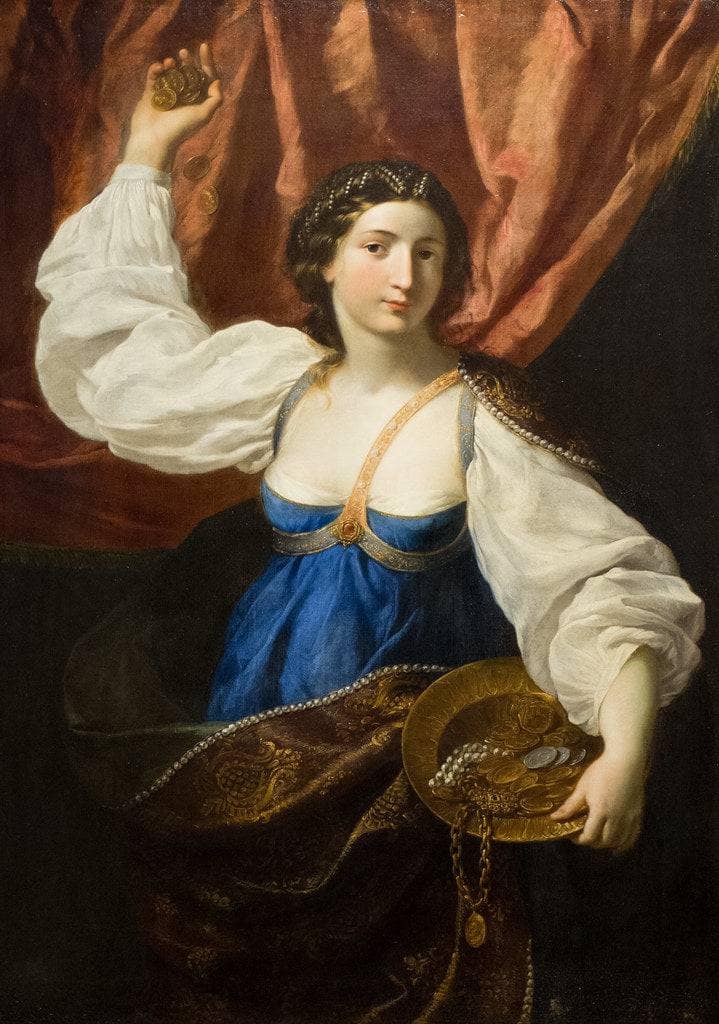
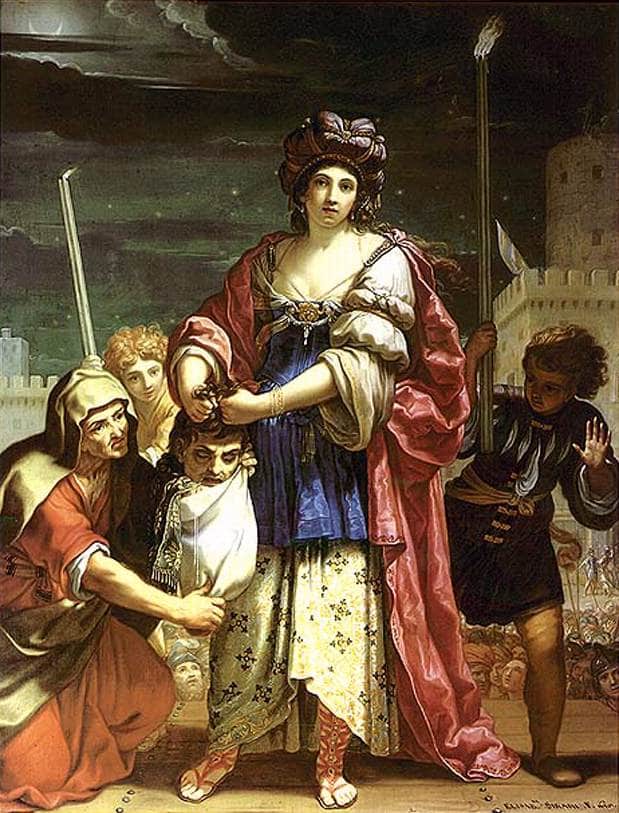
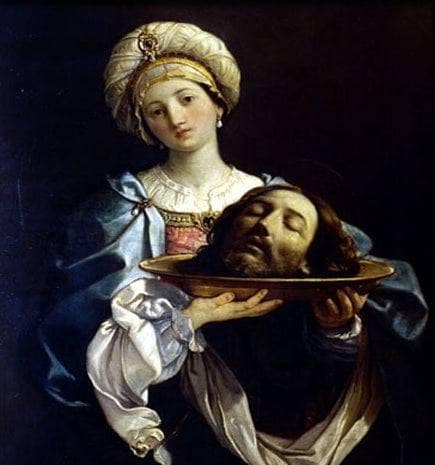
Sirani's painting, "Herodias with the Head of John the Baptist," depicts a powerful moment from the biblical narrative. This story, rooted in the New Testament, tells of the beheading of John the Baptist, a prophet who spoke out against King Herod's marriage to Herodias. The painting captures the tension and drama of this tragic tale, highlighting themes of power, betrayal, and revenge.
Symbolism of Power and Revenge in Herodias
In this artwork, Herodias is portrayed as a complex figure, embodying both feminine power and vengeance. The act of holding John's severed head symbolizes her triumph over the man who threatened her authority. This powerful imagery invites viewers to explore the darker aspects of ambition and the consequences of seeking revenge.
Visual Analysis: Composition and Color Palette
Dynamic Poses and Expressions of the Figures
Sirani's composition features dynamic poses that convey a sense of movement and urgency. The expressions on the characters' faces reveal a range of emotions, from triumph to horror. This attention to detail enhances the narrative quality of the painting, drawing viewers into the story.
Color Symbolism: Red, Gold, and the Use of Light
The color palette of "Herodias with the Head of John the Baptist" is rich and symbolic. The use of red signifies passion and violence, while gold represents wealth and power. Sirani's strategic use of light highlights the central figures, creating a dramatic focal point that captures the viewer's attention.
Artistic Techniques: Brushwork and Texture
Sirani's Unique Approach to Oil Painting
Elisabetta Sirani's technique in oil painting is characterized by her delicate brushwork and attention to detail. She skillfully layered paint to create texture and depth, bringing her subjects to life. This meticulous approach sets her apart from many of her contemporaries, showcasing her unique artistic voice.
Layering Techniques and Their Impact on Depth
Sirani's layering techniques add a three-dimensional quality to her paintings. By building up layers of paint, she achieved a richness in color and texture that enhances the overall visual experience. This method allows light to interact with the surface, creating a luminous effect that captivates viewers.
Thematic Exploration: Power, Femininity, and Morality
Herodias as a Complex Female Figure
Feminine Power in a Male-Dominated Society
Herodias is portrayed as a powerful woman navigating a patriarchal society. Sirani's depiction challenges traditional gender roles, presenting Herodias as a figure of strength and agency. This portrayal invites discussions about femininity and power dynamics in historical contexts.
Morality and Consequences: A Cautionary Tale
The painting serves as a cautionary tale about the consequences of unchecked ambition and revenge. Sirani's work prompts viewers to reflect on the moral implications of Herodias's actions, highlighting the complexities of human nature and the choices we make.
Religious and Cultural Significance of the Painting
Interpretations of Faith and Betrayal
"Herodias with the Head of John the Baptist" resonates with themes of faith and betrayal. The biblical story serves as a backdrop for exploring deeper questions about loyalty, morality, and the human condition. Sirani's interpretation adds layers of meaning, inviting viewers to engage with the narrative on multiple levels.
Impact on Contemporary Views of Gender and Authority
This painting continues to influence contemporary discussions about gender and authority. Sirani's portrayal of Herodias challenges viewers to reconsider historical narratives and the representation of women in art. Her work remains relevant, sparking conversations about power and identity in today's society.
Comparative Analysis: Sirani's Work in Context
Contrasting with Other Baroque Artists
Comparison with Caravaggio's Dramatic Style
While Caravaggio is known for his intense realism and dramatic lighting, Sirani's approach combines emotional depth with a softer, more lyrical quality. Her ability to convey complex emotions through her characters sets her apart in the Baroque movement.
Influence of Artemisia Gentileschi on Sirani
Artemisia Gentileschi, another prominent female artist of the Baroque era, influenced Sirani's work. Both artists explored themes of female strength and resilience, but Sirani's style is marked by a unique elegance and grace that distinguishes her from Gentileschi's more intense narratives.
Legacy of Herodias with the Head of John the Baptist
Influence on Later Artists and Art Movements
Sirani's "Herodias with the Head of John the Baptist" has left a lasting impact on later artists and movements. Her exploration of complex female figures and emotional narratives paved the way for future generations of artists to challenge societal norms and expectations.
Current Reception and Place in Art History
Today, Sirani's work is celebrated for its innovative approach and emotional depth. "Herodias with the Head of John the Baptist" is recognized as a significant contribution to Baroque art, showcasing her talent and the importance of female artists in art history.
FAQs About Herodias with the Head of John the Baptist
Common Questions About the Painting
What is the story depicted in Herodias with the Head of John the Baptist?
The painting illustrates the moment when Herodias presents the severed head of John the Baptist, a powerful symbol of revenge and authority.
What are the main themes explored in this painting?
The painting explores themes of power, femininity, morality, and the consequences of revenge, inviting viewers to reflect on the complexities of human nature.
How does Sirani's style differ from her contemporaries?
Sirani's style is characterized by emotional depth, delicate brushwork, and a unique use of color, setting her apart from the more dramatic styles of her contemporaries.
What techniques did Elisabetta Sirani use in this artwork?
Sirani employed layering techniques in oil painting, creating texture and depth that enhance the visual experience of her work.
Why is this painting significant in the context of Baroque art?
This painting is significant for its exploration of complex female figures and emotional narratives, showcasing Sirani's talent and the role of women in the Baroque art movement.
Questions About the Painting Reproduction
How can I ensure the quality of a reproduction of this painting?
To ensure quality, look for reproductions created by skilled artists who use high-quality materials and techniques that replicate the original's texture and color depth.
What should I look for in a reputable art reproduction seller?
Choose sellers who provide detailed information about their reproduction process, offer a satisfaction guarantee, and have positive reviews from previous customers.
Original: $249.95
-70%$249.95
$74.98Product Information
Product Information
Shipping & Returns
Shipping & Returns
Description
Elisabetta Sirani: A Pioneer of Baroque Art
Her Life and Artistic Journey
Early Influences and Training in Bologna
Elisabetta Sirani, born in 1638 in Bologna, Italy, emerged as a remarkable figure in the Baroque art movement. She received her artistic training from her father, Giovanni Andrea Sirani, a well-known painter. This early exposure to the world of art laid the foundation for her exceptional talent. Sirani quickly gained recognition for her skillful brushwork and innovative compositions, which set her apart from her contemporaries.
Breaking Gender Barriers in the 17th Century
In a time when women faced significant obstacles in the art world, Sirani broke through gender barriers with her remarkable achievements. She became one of the first female artists to gain widespread acclaim, earning respect from both patrons and critics. Her success paved the way for future generations of female artists, making her a trailblazer in a male-dominated field.
Understanding Baroque Art: Characteristics and Techniques
Emotional Depth and Dramatic Lighting
Baroque art is known for its emotional intensity and dramatic use of light and shadow, a technique known as chiaroscuro. Sirani masterfully employed this technique to create a sense of depth and movement in her paintings. Her ability to evoke strong emotions through her art is a hallmark of her style, making her works resonate with viewers on a profound level.
Use of Color and Composition in Sirani's Works
Color plays a vital role in Sirani's paintings, where she often used rich, vibrant hues to enhance the emotional impact of her subjects. Her compositions are carefully arranged, guiding the viewer's eye through the artwork. This thoughtful approach to color and composition contributes to the overall harmony and balance in her pieces.
Herodias with the Head of John the Baptist: An Iconic Masterpiece
The Story Behind the Painting
Historical Context: The Biblical Tale of John the Baptist
Sirani's painting, "Herodias with the Head of John the Baptist," depicts a powerful moment from the biblical narrative. This story, rooted in the New Testament, tells of the beheading of John the Baptist, a prophet who spoke out against King Herod's marriage to Herodias. The painting captures the tension and drama of this tragic tale, highlighting themes of power, betrayal, and revenge.
Symbolism of Power and Revenge in Herodias
In this artwork, Herodias is portrayed as a complex figure, embodying both feminine power and vengeance. The act of holding John's severed head symbolizes her triumph over the man who threatened her authority. This powerful imagery invites viewers to explore the darker aspects of ambition and the consequences of seeking revenge.
Visual Analysis: Composition and Color Palette
Dynamic Poses and Expressions of the Figures
Sirani's composition features dynamic poses that convey a sense of movement and urgency. The expressions on the characters' faces reveal a range of emotions, from triumph to horror. This attention to detail enhances the narrative quality of the painting, drawing viewers into the story.
Color Symbolism: Red, Gold, and the Use of Light
The color palette of "Herodias with the Head of John the Baptist" is rich and symbolic. The use of red signifies passion and violence, while gold represents wealth and power. Sirani's strategic use of light highlights the central figures, creating a dramatic focal point that captures the viewer's attention.
Artistic Techniques: Brushwork and Texture
Sirani's Unique Approach to Oil Painting
Elisabetta Sirani's technique in oil painting is characterized by her delicate brushwork and attention to detail. She skillfully layered paint to create texture and depth, bringing her subjects to life. This meticulous approach sets her apart from many of her contemporaries, showcasing her unique artistic voice.
Layering Techniques and Their Impact on Depth
Sirani's layering techniques add a three-dimensional quality to her paintings. By building up layers of paint, she achieved a richness in color and texture that enhances the overall visual experience. This method allows light to interact with the surface, creating a luminous effect that captivates viewers.
Thematic Exploration: Power, Femininity, and Morality
Herodias as a Complex Female Figure
Feminine Power in a Male-Dominated Society
Herodias is portrayed as a powerful woman navigating a patriarchal society. Sirani's depiction challenges traditional gender roles, presenting Herodias as a figure of strength and agency. This portrayal invites discussions about femininity and power dynamics in historical contexts.
Morality and Consequences: A Cautionary Tale
The painting serves as a cautionary tale about the consequences of unchecked ambition and revenge. Sirani's work prompts viewers to reflect on the moral implications of Herodias's actions, highlighting the complexities of human nature and the choices we make.
Religious and Cultural Significance of the Painting
Interpretations of Faith and Betrayal
"Herodias with the Head of John the Baptist" resonates with themes of faith and betrayal. The biblical story serves as a backdrop for exploring deeper questions about loyalty, morality, and the human condition. Sirani's interpretation adds layers of meaning, inviting viewers to engage with the narrative on multiple levels.
Impact on Contemporary Views of Gender and Authority
This painting continues to influence contemporary discussions about gender and authority. Sirani's portrayal of Herodias challenges viewers to reconsider historical narratives and the representation of women in art. Her work remains relevant, sparking conversations about power and identity in today's society.
Comparative Analysis: Sirani's Work in Context
Contrasting with Other Baroque Artists
Comparison with Caravaggio's Dramatic Style
While Caravaggio is known for his intense realism and dramatic lighting, Sirani's approach combines emotional depth with a softer, more lyrical quality. Her ability to convey complex emotions through her characters sets her apart in the Baroque movement.
Influence of Artemisia Gentileschi on Sirani
Artemisia Gentileschi, another prominent female artist of the Baroque era, influenced Sirani's work. Both artists explored themes of female strength and resilience, but Sirani's style is marked by a unique elegance and grace that distinguishes her from Gentileschi's more intense narratives.
Legacy of Herodias with the Head of John the Baptist
Influence on Later Artists and Art Movements
Sirani's "Herodias with the Head of John the Baptist" has left a lasting impact on later artists and movements. Her exploration of complex female figures and emotional narratives paved the way for future generations of artists to challenge societal norms and expectations.
Current Reception and Place in Art History
Today, Sirani's work is celebrated for its innovative approach and emotional depth. "Herodias with the Head of John the Baptist" is recognized as a significant contribution to Baroque art, showcasing her talent and the importance of female artists in art history.
FAQs About Herodias with the Head of John the Baptist
Common Questions About the Painting
What is the story depicted in Herodias with the Head of John the Baptist?
The painting illustrates the moment when Herodias presents the severed head of John the Baptist, a powerful symbol of revenge and authority.
What are the main themes explored in this painting?
The painting explores themes of power, femininity, morality, and the consequences of revenge, inviting viewers to reflect on the complexities of human nature.
How does Sirani's style differ from her contemporaries?
Sirani's style is characterized by emotional depth, delicate brushwork, and a unique use of color, setting her apart from the more dramatic styles of her contemporaries.
What techniques did Elisabetta Sirani use in this artwork?
Sirani employed layering techniques in oil painting, creating texture and depth that enhance the visual experience of her work.
Why is this painting significant in the context of Baroque art?
This painting is significant for its exploration of complex female figures and emotional narratives, showcasing Sirani's talent and the role of women in the Baroque art movement.
Questions About the Painting Reproduction
How can I ensure the quality of a reproduction of this painting?
To ensure quality, look for reproductions created by skilled artists who use high-quality materials and techniques that replicate the original's texture and color depth.
What should I look for in a reputable art reproduction seller?
Choose sellers who provide detailed information about their reproduction process, offer a satisfaction guarantee, and have positive reviews from previous customers.