Self-Portrait as an Allegory of Painting
Exploring Elisabetta Sirani's Masterpiece: Self-Portrait as an Allegory of Painting
Historical Context of Elisabetta Sirani's Artistic Journey
The Role of Women in 17th Century Art
In the 17th century, the art world was predominantly male-dominated. Women artists faced significant challenges in gaining recognition. However, Elisabetta Sirani emerged as a beacon of talent and determination. She not only created stunning works but also challenged societal norms. Sirani's success paved the way for future generations of female artists, showcasing their potential in a field often closed to them.
Sirani's Influence in the Bolognese School
Sirani was a key figure in the Bolognese School, known for its rich tradition of Baroque art. Her innovative techniques and emotional depth set her apart from her contemporaries. She studied under her father, Giovanni Andrea Sirani, and quickly gained acclaim for her skillful brushwork and vibrant color palettes. Sirani's influence extended beyond her lifetime, inspiring artists in Bologna and beyond.
Symbolism and Meaning Behind Self-Portrait as an Allegory of Painting
Decoding the Allegorical Elements in Sirani's Work
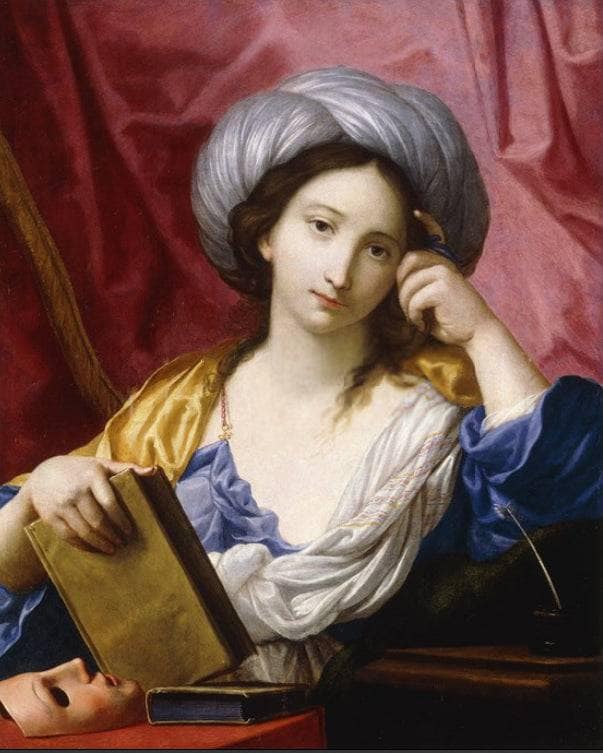
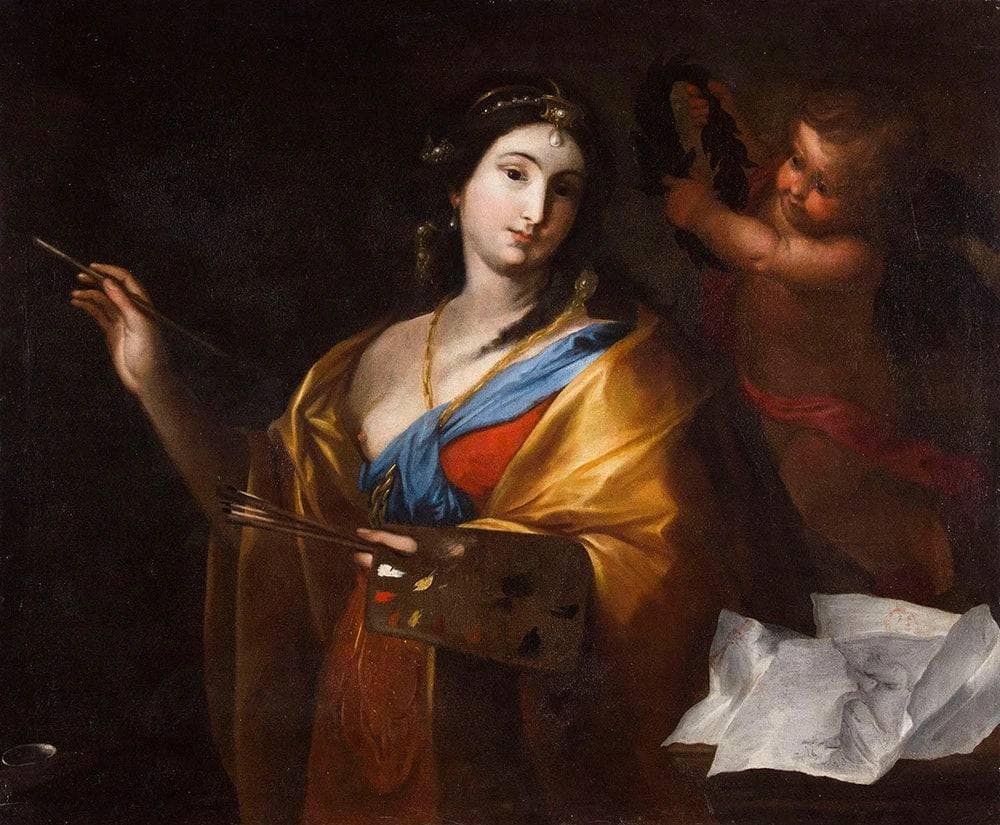
In 'Self-Portrait as an Allegory of Painting,' Sirani presents herself as the embodiment of art. The painting features rich allegorical elements, including the palette and brush, which symbolize creativity and artistic expression. Sirani's confident gaze invites viewers to explore her identity as an artist. This self-portrait serves as a powerful statement about the role of women in art and the importance of self-representation.
The Significance of the Palette and Brush in Artistic Identity
The palette and brush in Sirani's painting are not mere tools; they represent her artistic identity. The palette, filled with vibrant colors, signifies the emotional range and depth of her work. The brush, poised in her hand, symbolizes her control over her artistic destiny. Together, these elements highlight Sirani's mastery and passion for painting, reinforcing her status as a pioneering female artist.
Visual Analysis: Composition and Color Palette
Understanding the Use of Light and Shadow in Sirani's Technique
Sirani expertly employs chiaroscuro, the contrast of light and shadow, to create depth and dimension in her self-portrait. This technique enhances the three-dimensionality of her figure, drawing the viewer's eye to her expressive features. The interplay of light and shadow not only adds realism but also evokes a sense of drama, reflecting the emotional intensity of her artistic journey.
Color Symbolism: The Emotional Impact of Sirani's Choices
The color palette in 'Self-Portrait as an Allegory of Painting' is rich and evocative. Sirani uses warm tones to convey passion and creativity, while cooler shades suggest introspection and depth. Each color choice serves a purpose, enhancing the overall emotional impact of the painting. This thoughtful use of color showcases Sirani's understanding of the psychological effects of art.
Elisabetta Sirani: A Pioneer of Feminine Expression in Art
Breaking Barriers: Sirani's Legacy as a Female Artist
Elisabetta Sirani broke barriers in a male-dominated art world. She became one of the first women to gain recognition as a professional artist. Her success challenged stereotypes and opened doors for future female artists. Sirani's legacy is a testament to her talent and determination, inspiring countless women to pursue their artistic dreams.
Comparative Analysis: Sirani and Her Male Contemporaries
When compared to her male contemporaries, Sirani's work stands out for its emotional depth and technical skill. While many male artists focused on grand historical themes, Sirani often explored personal and intimate subjects. This unique perspective allowed her to connect with viewers on a deeper level, making her work resonate even today.
The Cultural Impact of Self-Portrait as an Allegory of Painting
Reception and Critique: How the Painting Was Viewed in Its Time
Upon its completion, 'Self-Portrait as an Allegory of Painting' received acclaim from critics and art enthusiasts alike. Viewers admired Sirani's technical prowess and the boldness of her self-representation. The painting challenged the norms of its time, prompting discussions about the role of women in art and society.
Modern Interpretations and Relevance in Contemporary Art
Today, Sirani's self-portrait continues to inspire artists and scholars. Modern interpretations often focus on themes of identity and empowerment. Sirani's work resonates with contemporary discussions about gender and representation in art, making her a relevant figure in today's artistic landscape.
Artistic Techniques: Brushwork and Textural Elements
Examining Sirani's Unique Painting Techniques
Sirani's brushwork is characterized by its fluidity and precision. She skillfully layered paint to create texture and depth, bringing her subjects to life. Her technique reflects a deep understanding of the materials and a commitment to excellence. This mastery of brushwork sets her apart as a significant figure in Baroque art.
The Role of Texture in Conveying Emotion and Depth
Texture plays a crucial role in Sirani's paintings. In 'Self-Portrait as an Allegory of Painting,' the varied textures enhance the emotional impact of the work. The smoothness of her skin contrasts with the roughness of the background, creating a dynamic visual experience. This attention to texture adds layers of meaning, inviting viewers to engage with the painting on multiple levels.
FAQs About Self-Portrait as an Allegory of Painting
What is the significance of the objects depicted in the painting?
The objects in Sirani's self-portrait, such as the palette and brush, symbolize her identity as an artist. They represent creativity, skill, and the act of painting itself.
How does Sirani's self-portrait reflect her identity as an artist?
Sirani's self-portrait showcases her confidence and mastery of her craft. It serves as a declaration of her artistic identity and her place in the art world.
What themes are prevalent in Sirani's body of work?
Common themes in Sirani's work include female empowerment, identity, and the exploration of emotional depth. She often depicted women in strong, assertive roles, challenging societal norms.
How did Sirani's upbringing influence her artistic style?
Growing up in a family of artists, Sirani was exposed to art from a young age. Her father's influence and the vibrant artistic community in Bologna shaped her style and techniques.
What are some notable exhibitions featuring this painting?
'Self-Portrait as an Allegory of Painting' has been featured in various exhibitions celebrating Baroque art and female artists. These exhibitions highlight Sirani's contributions to the art world and her enduring legacy.
FAQs About the Painting Reproduction
What should I consider when purchasing a reproduction of this painting?
When purchasing a reproduction, consider the quality of materials used, the accuracy of colors, and the level of detail. A high-quality painting reproduction will capture the essence of Sirani's original work.
How can I ensure the quality of the reproduction matches the original?
Look for reproductions created by skilled artists who specialize in oil painting techniques. Ensure that the reproduction is made using high-quality canvas and paints to achieve a faithful representation of the original.
Original: $299.95
-70%$299.95
$89.98Product Information
Product Information
Shipping & Returns
Shipping & Returns
Description
Exploring Elisabetta Sirani's Masterpiece: Self-Portrait as an Allegory of Painting
Historical Context of Elisabetta Sirani's Artistic Journey
The Role of Women in 17th Century Art
In the 17th century, the art world was predominantly male-dominated. Women artists faced significant challenges in gaining recognition. However, Elisabetta Sirani emerged as a beacon of talent and determination. She not only created stunning works but also challenged societal norms. Sirani's success paved the way for future generations of female artists, showcasing their potential in a field often closed to them.
Sirani's Influence in the Bolognese School
Sirani was a key figure in the Bolognese School, known for its rich tradition of Baroque art. Her innovative techniques and emotional depth set her apart from her contemporaries. She studied under her father, Giovanni Andrea Sirani, and quickly gained acclaim for her skillful brushwork and vibrant color palettes. Sirani's influence extended beyond her lifetime, inspiring artists in Bologna and beyond.
Symbolism and Meaning Behind Self-Portrait as an Allegory of Painting
Decoding the Allegorical Elements in Sirani's Work
In 'Self-Portrait as an Allegory of Painting,' Sirani presents herself as the embodiment of art. The painting features rich allegorical elements, including the palette and brush, which symbolize creativity and artistic expression. Sirani's confident gaze invites viewers to explore her identity as an artist. This self-portrait serves as a powerful statement about the role of women in art and the importance of self-representation.
The Significance of the Palette and Brush in Artistic Identity
The palette and brush in Sirani's painting are not mere tools; they represent her artistic identity. The palette, filled with vibrant colors, signifies the emotional range and depth of her work. The brush, poised in her hand, symbolizes her control over her artistic destiny. Together, these elements highlight Sirani's mastery and passion for painting, reinforcing her status as a pioneering female artist.
Visual Analysis: Composition and Color Palette
Understanding the Use of Light and Shadow in Sirani's Technique
Sirani expertly employs chiaroscuro, the contrast of light and shadow, to create depth and dimension in her self-portrait. This technique enhances the three-dimensionality of her figure, drawing the viewer's eye to her expressive features. The interplay of light and shadow not only adds realism but also evokes a sense of drama, reflecting the emotional intensity of her artistic journey.
Color Symbolism: The Emotional Impact of Sirani's Choices
The color palette in 'Self-Portrait as an Allegory of Painting' is rich and evocative. Sirani uses warm tones to convey passion and creativity, while cooler shades suggest introspection and depth. Each color choice serves a purpose, enhancing the overall emotional impact of the painting. This thoughtful use of color showcases Sirani's understanding of the psychological effects of art.
Elisabetta Sirani: A Pioneer of Feminine Expression in Art
Breaking Barriers: Sirani's Legacy as a Female Artist
Elisabetta Sirani broke barriers in a male-dominated art world. She became one of the first women to gain recognition as a professional artist. Her success challenged stereotypes and opened doors for future female artists. Sirani's legacy is a testament to her talent and determination, inspiring countless women to pursue their artistic dreams.
Comparative Analysis: Sirani and Her Male Contemporaries
When compared to her male contemporaries, Sirani's work stands out for its emotional depth and technical skill. While many male artists focused on grand historical themes, Sirani often explored personal and intimate subjects. This unique perspective allowed her to connect with viewers on a deeper level, making her work resonate even today.
The Cultural Impact of Self-Portrait as an Allegory of Painting
Reception and Critique: How the Painting Was Viewed in Its Time
Upon its completion, 'Self-Portrait as an Allegory of Painting' received acclaim from critics and art enthusiasts alike. Viewers admired Sirani's technical prowess and the boldness of her self-representation. The painting challenged the norms of its time, prompting discussions about the role of women in art and society.
Modern Interpretations and Relevance in Contemporary Art
Today, Sirani's self-portrait continues to inspire artists and scholars. Modern interpretations often focus on themes of identity and empowerment. Sirani's work resonates with contemporary discussions about gender and representation in art, making her a relevant figure in today's artistic landscape.
Artistic Techniques: Brushwork and Textural Elements
Examining Sirani's Unique Painting Techniques
Sirani's brushwork is characterized by its fluidity and precision. She skillfully layered paint to create texture and depth, bringing her subjects to life. Her technique reflects a deep understanding of the materials and a commitment to excellence. This mastery of brushwork sets her apart as a significant figure in Baroque art.
The Role of Texture in Conveying Emotion and Depth
Texture plays a crucial role in Sirani's paintings. In 'Self-Portrait as an Allegory of Painting,' the varied textures enhance the emotional impact of the work. The smoothness of her skin contrasts with the roughness of the background, creating a dynamic visual experience. This attention to texture adds layers of meaning, inviting viewers to engage with the painting on multiple levels.
FAQs About Self-Portrait as an Allegory of Painting
What is the significance of the objects depicted in the painting?
The objects in Sirani's self-portrait, such as the palette and brush, symbolize her identity as an artist. They represent creativity, skill, and the act of painting itself.
How does Sirani's self-portrait reflect her identity as an artist?
Sirani's self-portrait showcases her confidence and mastery of her craft. It serves as a declaration of her artistic identity and her place in the art world.
What themes are prevalent in Sirani's body of work?
Common themes in Sirani's work include female empowerment, identity, and the exploration of emotional depth. She often depicted women in strong, assertive roles, challenging societal norms.
How did Sirani's upbringing influence her artistic style?
Growing up in a family of artists, Sirani was exposed to art from a young age. Her father's influence and the vibrant artistic community in Bologna shaped her style and techniques.
What are some notable exhibitions featuring this painting?
'Self-Portrait as an Allegory of Painting' has been featured in various exhibitions celebrating Baroque art and female artists. These exhibitions highlight Sirani's contributions to the art world and her enduring legacy.
FAQs About the Painting Reproduction
What should I consider when purchasing a reproduction of this painting?
When purchasing a reproduction, consider the quality of materials used, the accuracy of colors, and the level of detail. A high-quality painting reproduction will capture the essence of Sirani's original work.
How can I ensure the quality of the reproduction matches the original?
Look for reproductions created by skilled artists who specialize in oil painting techniques. Ensure that the reproduction is made using high-quality canvas and paints to achieve a faithful representation of the original.