Judith and Holofernes
Elisabetta Sirani: A Trailblazer of Baroque Art
Exploring the Life and Legacy of Elisabetta Sirani
Early Life and Artistic Influences
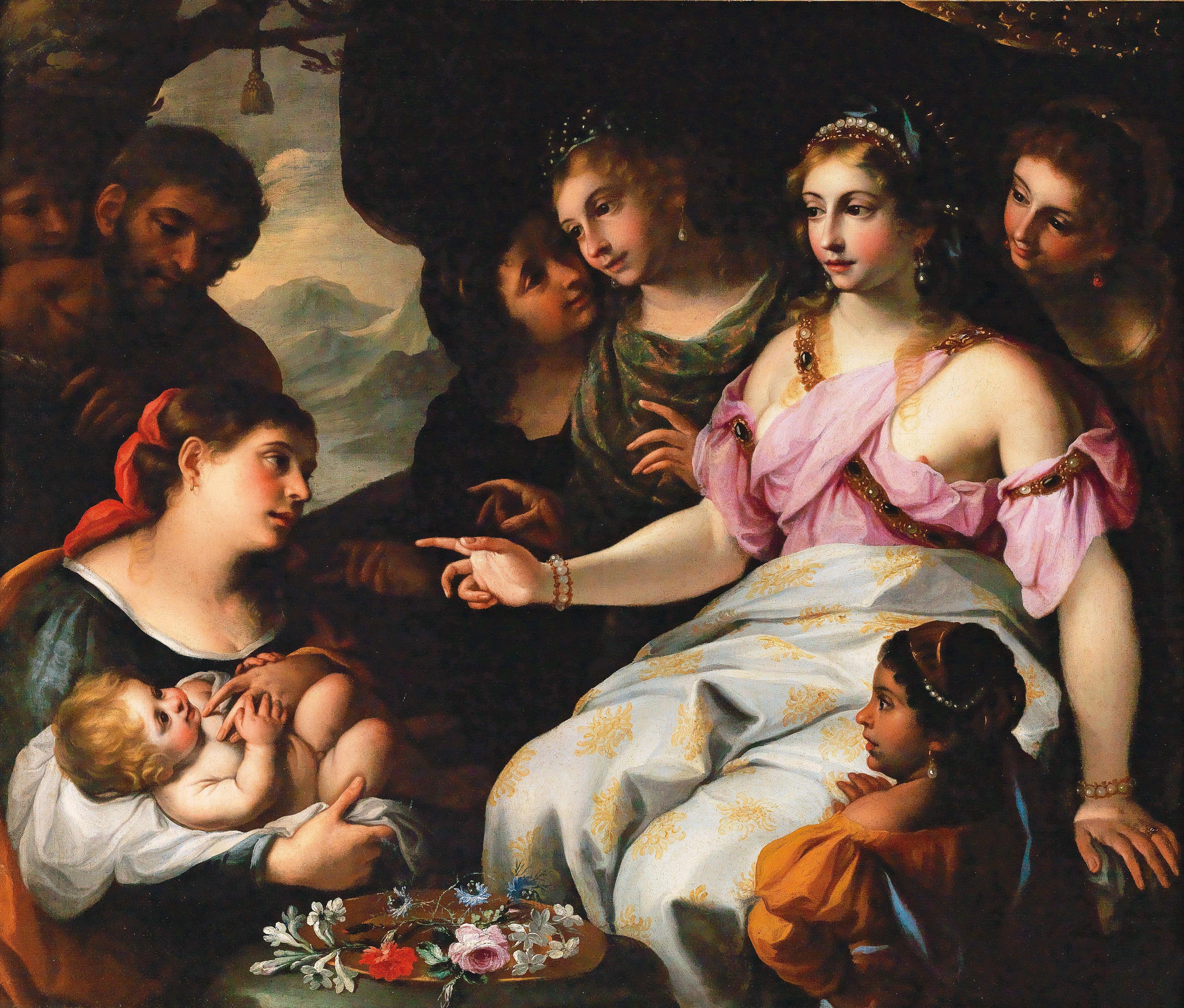
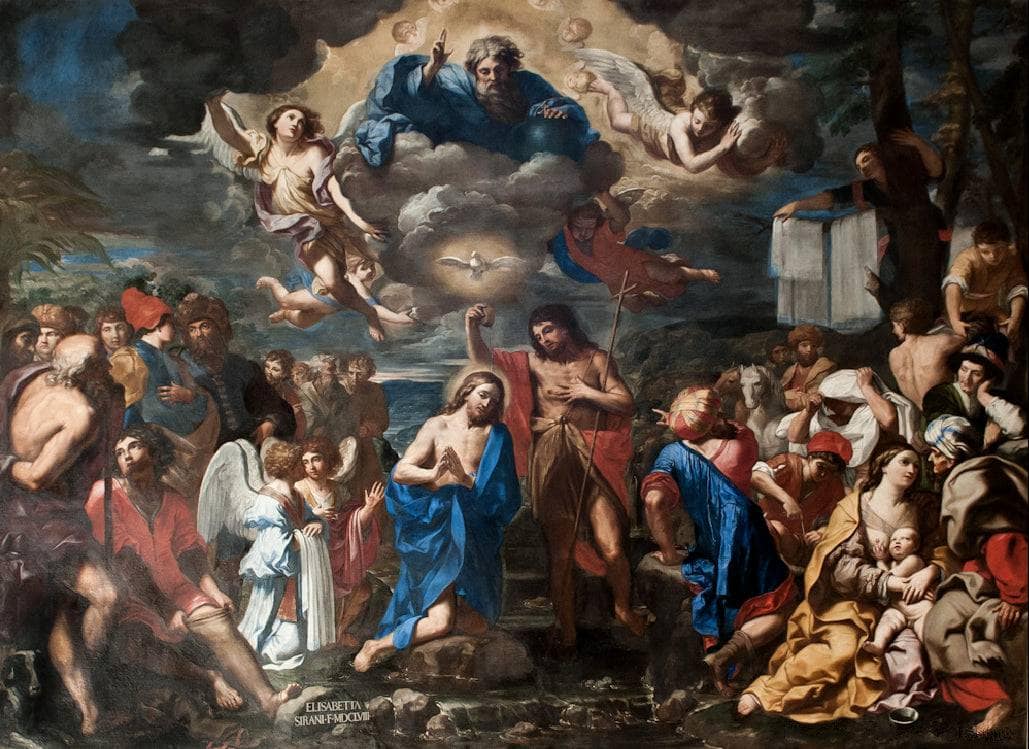
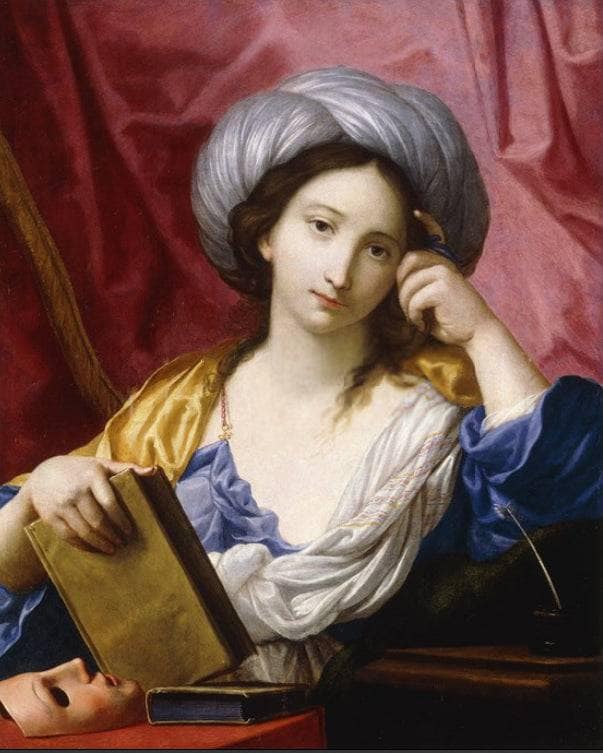
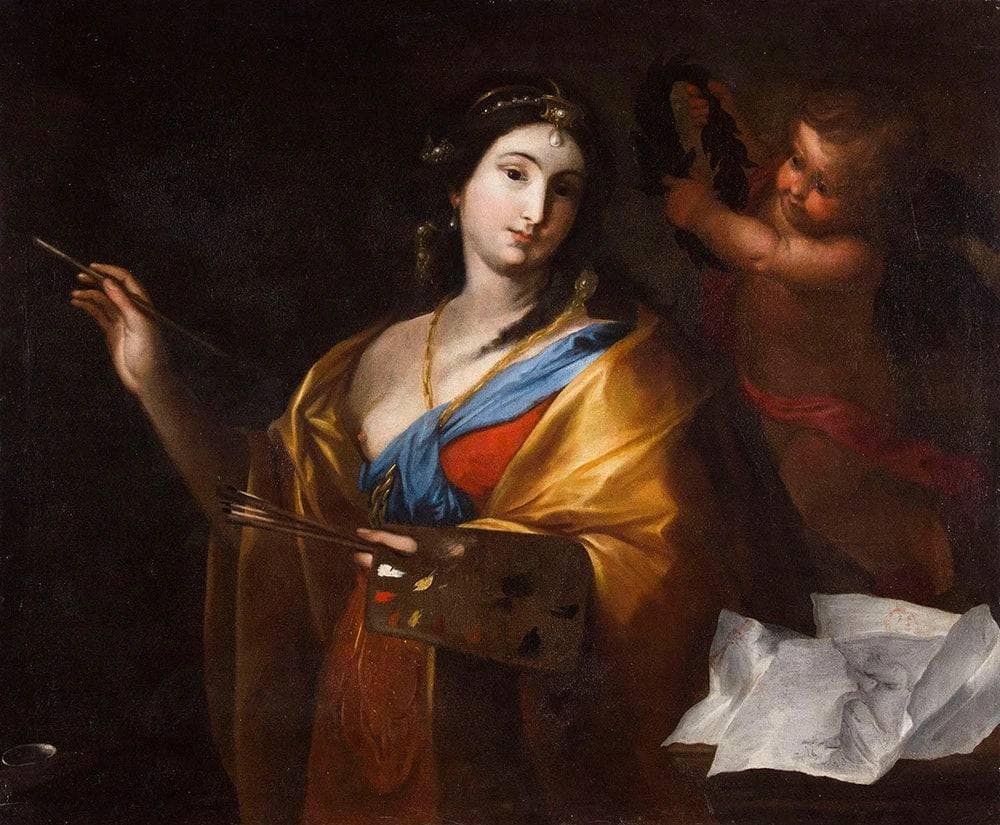
Elisabetta Sirani was born in 1638 in Bologna, Italy, into a family of artists. Her father, Giovanni Andrea Sirani, was a painter who greatly influenced her early artistic development. By the age of 17, Elisabetta had already gained recognition for her talent, showcasing her ability to blend classical themes with a unique feminine perspective.
Significance in the Male-Dominated Art World
In a time when the art world was predominantly male, Sirani broke barriers. She became one of the few female artists to achieve fame and financial independence. Her success challenged societal norms and paved the way for future generations of women in art.
Notable Works and Contributions to Baroque Painting
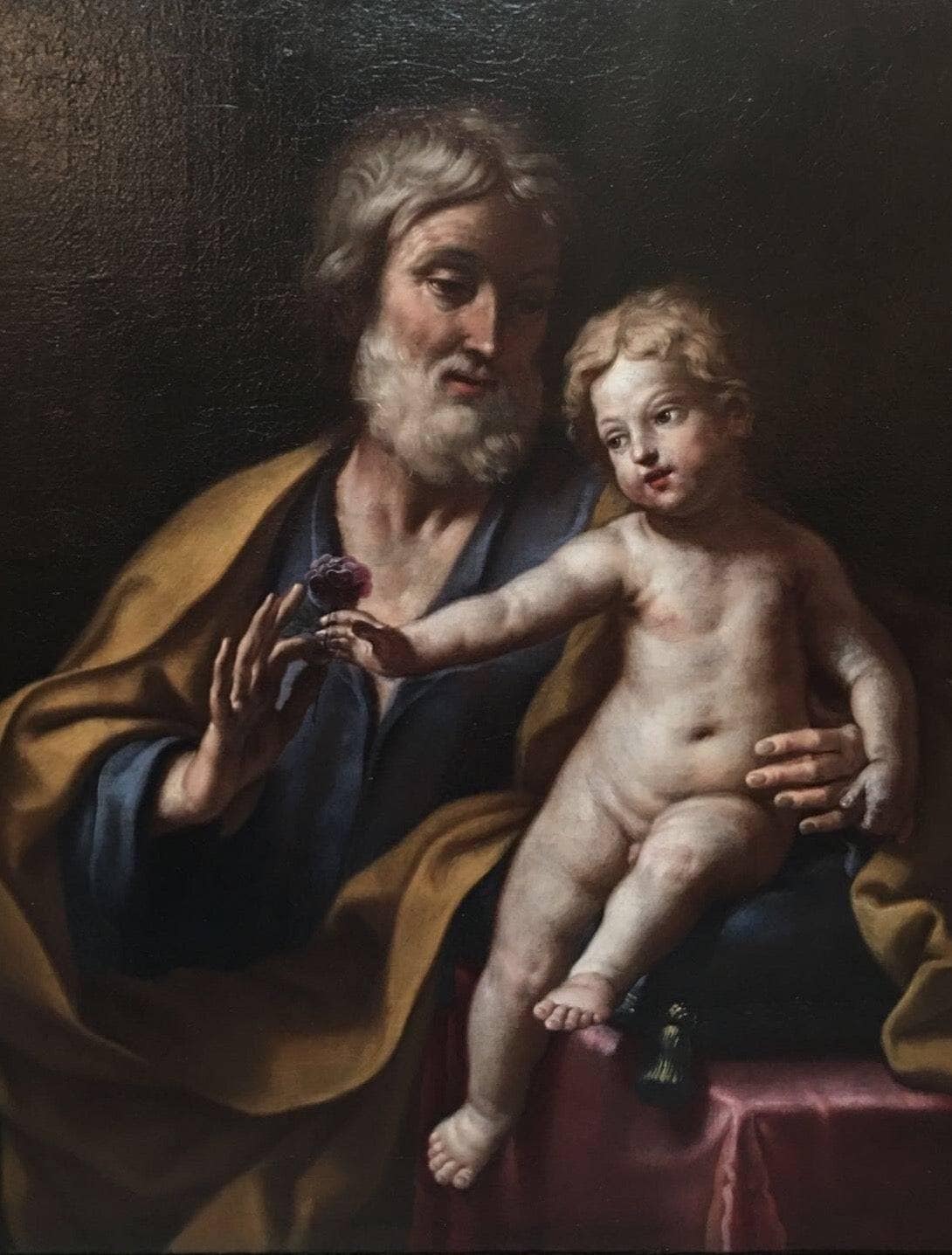
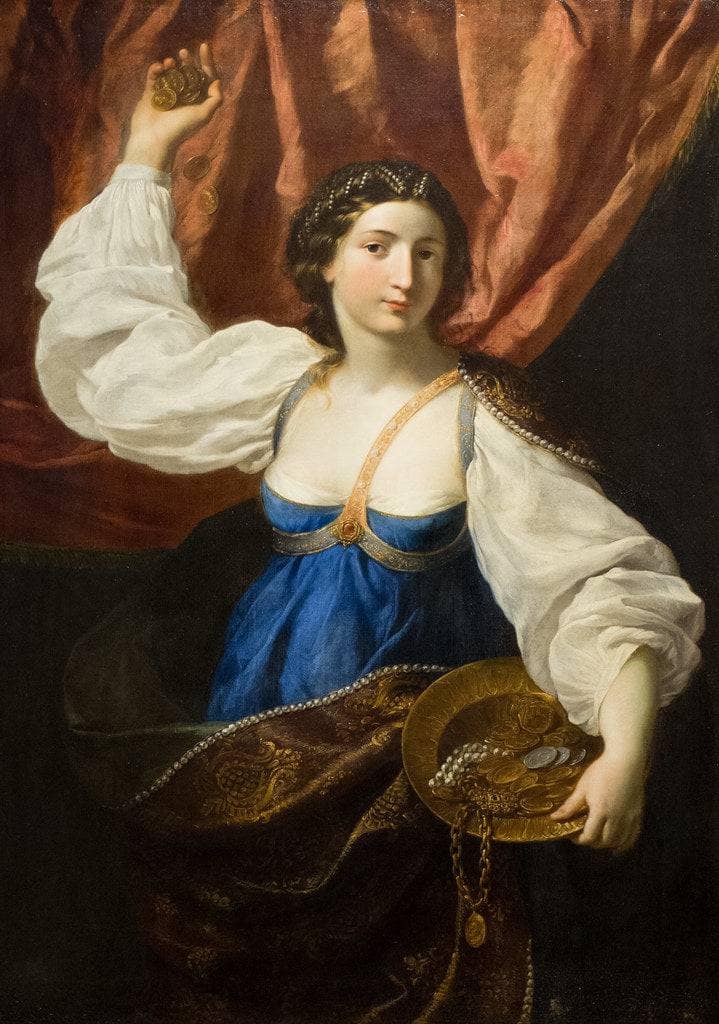
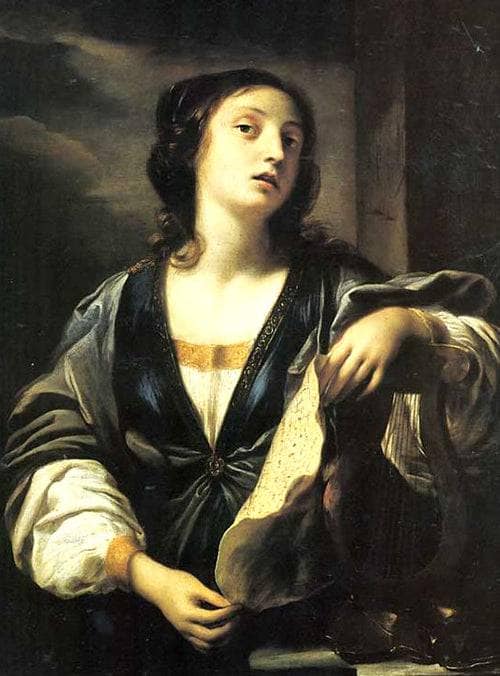
Sirani's oeuvre includes remarkable pieces like "Portia Wounding Her Thigh" and "The Virgin and Child." Her contributions to Baroque painting are significant, as she infused her works with emotional depth and vibrant colors, setting her apart from her contemporaries.
Judith and Holofernes: A Masterpiece of Feminine Strength
The Story Behind Judith and Holofernes
Historical Context of the Biblical Tale
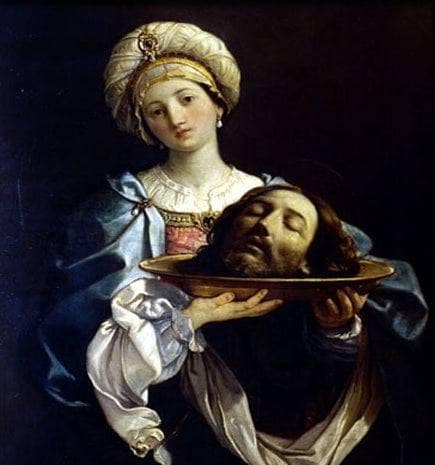
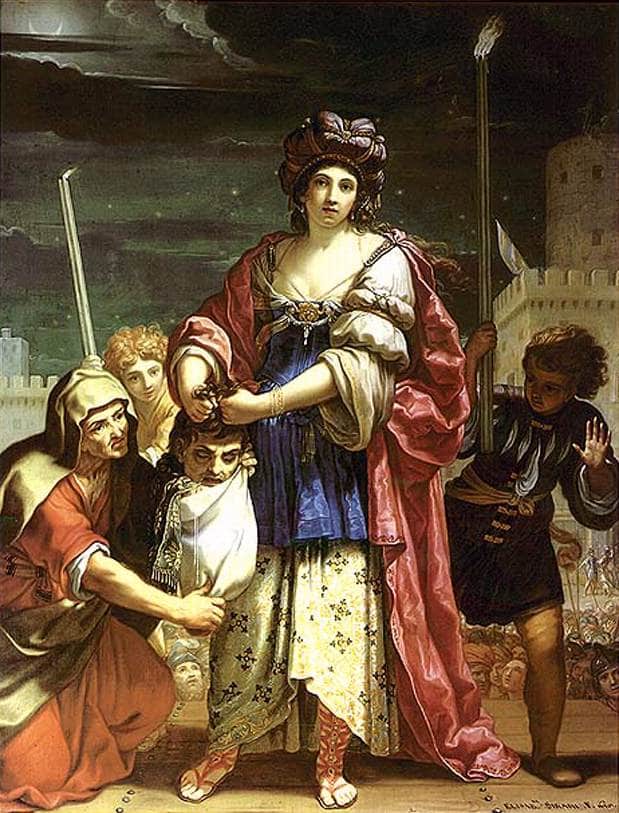
"Judith and Holofernes" depicts a powerful biblical story from the Book of Judith. This tale narrates how Judith, a widow, saves her city from the Assyrian general Holofernes by seducing and beheading him. The story symbolizes courage and the triumph of good over evil, resonating deeply with themes of female empowerment.
Symbolism of Power and Femininity in the Painting
In Sirani's interpretation, Judith embodies strength and virtue. The painting captures her determination and bravery, showcasing the duality of femininity—both nurturing and fierce. The act of beheading Holofernes serves as a powerful metaphor for the fight against oppression.
Artistic Techniques and Style of Sirani
Use of Color and Light in Judith and Holofernes
Sirani masterfully employs chiaroscuro, the contrast of light and shadow, to enhance the drama of the scene. The rich, deep colors create a sense of depth, drawing the viewer's eye to the central figures. The warm tones of Judith's skin contrast with the cooler hues of Holofernes' armor, emphasizing the emotional intensity of the moment.
Brushwork and Textural Elements that Captivate
The brushwork in "Judith and Holofernes" is both delicate and bold. Sirani's technique captures the textures of fabric and skin, making the scene feel alive. The intricate details of Judith's clothing and the lifelike representation of Holofernes add to the painting's overall impact.
Composition and Perspective: A Study in Balance
Sirani's composition is carefully balanced, with Judith positioned prominently in the foreground. The diagonal lines created by the figures guide the viewer's gaze, creating a dynamic sense of movement. This thoughtful arrangement enhances the narrative, making the viewer feel the tension of the moment.
Iconography and Themes in Judith and Holofernes
Understanding the Characters: Judith and Holofernes
Judith: The Archetype of Heroism and Virtue
Judith is portrayed as a heroic figure, embodying the qualities of bravery and intelligence. Her expression reflects determination, and her posture exudes confidence. Sirani's portrayal elevates Judith to a symbol of female empowerment, inspiring viewers to recognize the strength within themselves.
Holofernes: The Representation of Tyranny and Evil
Holofernes, in contrast, represents tyranny and oppression. His expression of shock and fear captures the moment of his defeat. Sirani's depiction of Holofernes serves as a reminder of the consequences of unchecked power and the importance of standing up against injustice.
Emotional Impact and Viewer Engagement
How Sirani Evokes Emotion Through Expression
Sirani's ability to convey emotion is evident in the expressions of both Judith and Holofernes. Judith's fierce determination and Holofernes' shock create a powerful emotional connection with the viewer. This engagement invites contemplation of the themes of courage and sacrifice.
The Role of Dramatic Tension in the Scene
The dramatic tension in "Judith and Holofernes" is palpable. The moment captured is one of high stakes, where Judith's bravery is juxtaposed with Holofernes' impending doom. This tension draws viewers into the narrative, making them feel part of the story.
Judith and Holofernes in Art History
Comparative Analysis with Other Depictions of Judith
Contrasting Sirani's Interpretation with Caravaggio's
While Caravaggio's "Judith Beheading Holofernes" is renowned for its dramatic lighting and intense realism, Sirani's version offers a more nuanced portrayal of Judith. Sirani emphasizes the emotional strength of her heroine, while Caravaggio focuses on the brutality of the act. This contrast highlights the diverse interpretations of the same biblical story.
Influence on Later Artists and Movements
Sirani's work has influenced many artists, particularly those exploring themes of female empowerment. Her unique perspective and techniques paved the way for future movements, including feminist art, which seeks to highlight women's experiences and contributions in the art world.
The Reception of Judith and Holofernes Over Time
Critical Acclaim and Historical Significance
Upon its completion, "Judith and Holofernes" received critical acclaim for its innovative approach and emotional depth. Art historians recognize it as a significant work within the Baroque period, showcasing Sirani's talent and the importance of female artists in history.
Modern Interpretations and Cultural Relevance
Today, "Judith and Holofernes" continues to resonate with audiences. Its themes of empowerment and resistance against tyranny are relevant in contemporary discussions about gender and power dynamics. The painting serves as a reminder of the enduring strength of women throughout history.
Frequently Asked Questions About Judith and Holofernes
What is the story behind Judith and Holofernes?
The painting depicts the biblical story of Judith, who saves her city by seducing and beheading the Assyrian general Holofernes.
What techniques did Elisabetta Sirani use in this painting?
Sirani used chiaroscuro to create depth, along with intricate brushwork to capture textures and emotions.
How does Judith and Holofernes reflect Baroque art principles?
The painting exemplifies Baroque principles through its dramatic use of light, emotional intensity, and dynamic composition.
What themes are explored in Judith and Holofernes?
The painting explores themes of female empowerment, courage, and the struggle against tyranny.
How has Judith and Holofernes influenced modern art?
Sirani's work has inspired contemporary artists to explore themes of gender and power, contributing to feminist art movements.
What are the key features of the painting Judith and Holofernes?
Key features include the dramatic expressions of the characters, the use of light and shadow, and the dynamic composition that captures a pivotal moment.
How can I appreciate the details in Judith and Holofernes?
To appreciate the details, observe the textures, colors, and expressions. Consider the emotional narrative and the historical context of the characters.
Understanding Art Reproductions of Judith and Holofernes
What should I look for in a quality reproduction?
When seeking a quality reproduction, look for accurate color matching, fine detail, and a texture that mimics the original painting's brushwork.
How do art reproductions capture the essence of the original?
Art reproductions capture the essence of the original by using high-quality materials and techniques that reflect the original's colors, textures, and emotional depth.
Why choose a reproduction of Judith and Holofernes for your collection?
A reproduction of "Judith and Holofernes" offers a unique opportunity to own a piece of art history. It allows you to appreciate Sirani's brilliance and the powerful themes of the painting in your own space.
Original: $299.95
-70%$299.95
$89.98Product Information
Product Information
Shipping & Returns
Shipping & Returns
Description
Elisabetta Sirani: A Trailblazer of Baroque Art
Exploring the Life and Legacy of Elisabetta Sirani
Early Life and Artistic Influences
Elisabetta Sirani was born in 1638 in Bologna, Italy, into a family of artists. Her father, Giovanni Andrea Sirani, was a painter who greatly influenced her early artistic development. By the age of 17, Elisabetta had already gained recognition for her talent, showcasing her ability to blend classical themes with a unique feminine perspective.
Significance in the Male-Dominated Art World
In a time when the art world was predominantly male, Sirani broke barriers. She became one of the few female artists to achieve fame and financial independence. Her success challenged societal norms and paved the way for future generations of women in art.
Notable Works and Contributions to Baroque Painting
Sirani's oeuvre includes remarkable pieces like "Portia Wounding Her Thigh" and "The Virgin and Child." Her contributions to Baroque painting are significant, as she infused her works with emotional depth and vibrant colors, setting her apart from her contemporaries.
Judith and Holofernes: A Masterpiece of Feminine Strength
The Story Behind Judith and Holofernes
Historical Context of the Biblical Tale
"Judith and Holofernes" depicts a powerful biblical story from the Book of Judith. This tale narrates how Judith, a widow, saves her city from the Assyrian general Holofernes by seducing and beheading him. The story symbolizes courage and the triumph of good over evil, resonating deeply with themes of female empowerment.
Symbolism of Power and Femininity in the Painting
In Sirani's interpretation, Judith embodies strength and virtue. The painting captures her determination and bravery, showcasing the duality of femininity—both nurturing and fierce. The act of beheading Holofernes serves as a powerful metaphor for the fight against oppression.
Artistic Techniques and Style of Sirani
Use of Color and Light in Judith and Holofernes
Sirani masterfully employs chiaroscuro, the contrast of light and shadow, to enhance the drama of the scene. The rich, deep colors create a sense of depth, drawing the viewer's eye to the central figures. The warm tones of Judith's skin contrast with the cooler hues of Holofernes' armor, emphasizing the emotional intensity of the moment.
Brushwork and Textural Elements that Captivate
The brushwork in "Judith and Holofernes" is both delicate and bold. Sirani's technique captures the textures of fabric and skin, making the scene feel alive. The intricate details of Judith's clothing and the lifelike representation of Holofernes add to the painting's overall impact.
Composition and Perspective: A Study in Balance
Sirani's composition is carefully balanced, with Judith positioned prominently in the foreground. The diagonal lines created by the figures guide the viewer's gaze, creating a dynamic sense of movement. This thoughtful arrangement enhances the narrative, making the viewer feel the tension of the moment.
Iconography and Themes in Judith and Holofernes
Understanding the Characters: Judith and Holofernes
Judith: The Archetype of Heroism and Virtue
Judith is portrayed as a heroic figure, embodying the qualities of bravery and intelligence. Her expression reflects determination, and her posture exudes confidence. Sirani's portrayal elevates Judith to a symbol of female empowerment, inspiring viewers to recognize the strength within themselves.
Holofernes: The Representation of Tyranny and Evil
Holofernes, in contrast, represents tyranny and oppression. His expression of shock and fear captures the moment of his defeat. Sirani's depiction of Holofernes serves as a reminder of the consequences of unchecked power and the importance of standing up against injustice.
Emotional Impact and Viewer Engagement
How Sirani Evokes Emotion Through Expression
Sirani's ability to convey emotion is evident in the expressions of both Judith and Holofernes. Judith's fierce determination and Holofernes' shock create a powerful emotional connection with the viewer. This engagement invites contemplation of the themes of courage and sacrifice.
The Role of Dramatic Tension in the Scene
The dramatic tension in "Judith and Holofernes" is palpable. The moment captured is one of high stakes, where Judith's bravery is juxtaposed with Holofernes' impending doom. This tension draws viewers into the narrative, making them feel part of the story.
Judith and Holofernes in Art History
Comparative Analysis with Other Depictions of Judith
Contrasting Sirani's Interpretation with Caravaggio's
While Caravaggio's "Judith Beheading Holofernes" is renowned for its dramatic lighting and intense realism, Sirani's version offers a more nuanced portrayal of Judith. Sirani emphasizes the emotional strength of her heroine, while Caravaggio focuses on the brutality of the act. This contrast highlights the diverse interpretations of the same biblical story.
Influence on Later Artists and Movements
Sirani's work has influenced many artists, particularly those exploring themes of female empowerment. Her unique perspective and techniques paved the way for future movements, including feminist art, which seeks to highlight women's experiences and contributions in the art world.
The Reception of Judith and Holofernes Over Time
Critical Acclaim and Historical Significance
Upon its completion, "Judith and Holofernes" received critical acclaim for its innovative approach and emotional depth. Art historians recognize it as a significant work within the Baroque period, showcasing Sirani's talent and the importance of female artists in history.
Modern Interpretations and Cultural Relevance
Today, "Judith and Holofernes" continues to resonate with audiences. Its themes of empowerment and resistance against tyranny are relevant in contemporary discussions about gender and power dynamics. The painting serves as a reminder of the enduring strength of women throughout history.
Frequently Asked Questions About Judith and Holofernes
What is the story behind Judith and Holofernes?
The painting depicts the biblical story of Judith, who saves her city by seducing and beheading the Assyrian general Holofernes.
What techniques did Elisabetta Sirani use in this painting?
Sirani used chiaroscuro to create depth, along with intricate brushwork to capture textures and emotions.
How does Judith and Holofernes reflect Baroque art principles?
The painting exemplifies Baroque principles through its dramatic use of light, emotional intensity, and dynamic composition.
What themes are explored in Judith and Holofernes?
The painting explores themes of female empowerment, courage, and the struggle against tyranny.
How has Judith and Holofernes influenced modern art?
Sirani's work has inspired contemporary artists to explore themes of gender and power, contributing to feminist art movements.
What are the key features of the painting Judith and Holofernes?
Key features include the dramatic expressions of the characters, the use of light and shadow, and the dynamic composition that captures a pivotal moment.
How can I appreciate the details in Judith and Holofernes?
To appreciate the details, observe the textures, colors, and expressions. Consider the emotional narrative and the historical context of the characters.
Understanding Art Reproductions of Judith and Holofernes
What should I look for in a quality reproduction?
When seeking a quality reproduction, look for accurate color matching, fine detail, and a texture that mimics the original painting's brushwork.
How do art reproductions capture the essence of the original?
Art reproductions capture the essence of the original by using high-quality materials and techniques that reflect the original's colors, textures, and emotional depth.
Why choose a reproduction of Judith and Holofernes for your collection?
A reproduction of "Judith and Holofernes" offers a unique opportunity to own a piece of art history. It allows you to appreciate Sirani's brilliance and the powerful themes of the painting in your own space.