They Still Say that Fish is Expensive!
Discovering Joaquín Sorolla's Masterpiece: They Still Say that Fish is Expensive!
Artistic Context: The Spanish Impressionist Movement
Understanding Sorolla's Influence in Early 20th Century Art
Joaquín Sorolla, a prominent figure in the Spanish Impressionist movement, emerged in the early 1900s. His work reflects a unique blend of light, color, and emotion, capturing the essence of Spanish coastal life. Sorolla's paintings often depict the vibrant culture of Spain, showcasing its landscapes, people, and traditions. His influence extended beyond Spain, inspiring artists worldwide with his innovative techniques and passionate themes.
Exploring the Characteristics of Impressionism in Sorolla's Work
Sorolla's style embodies the core principles of Impressionism, focusing on the effects of natural light and color. He often painted en plein air, allowing him to capture the fleeting moments of everyday life. His brushwork is loose and expressive, creating a sense of movement and spontaneity. This approach gives his paintings a lively quality, inviting viewers to experience the scene as if they were part of it.
Visual Elements: A Closer Look at the Composition
Color Palette: The Vibrant Blues and Earthy Tones
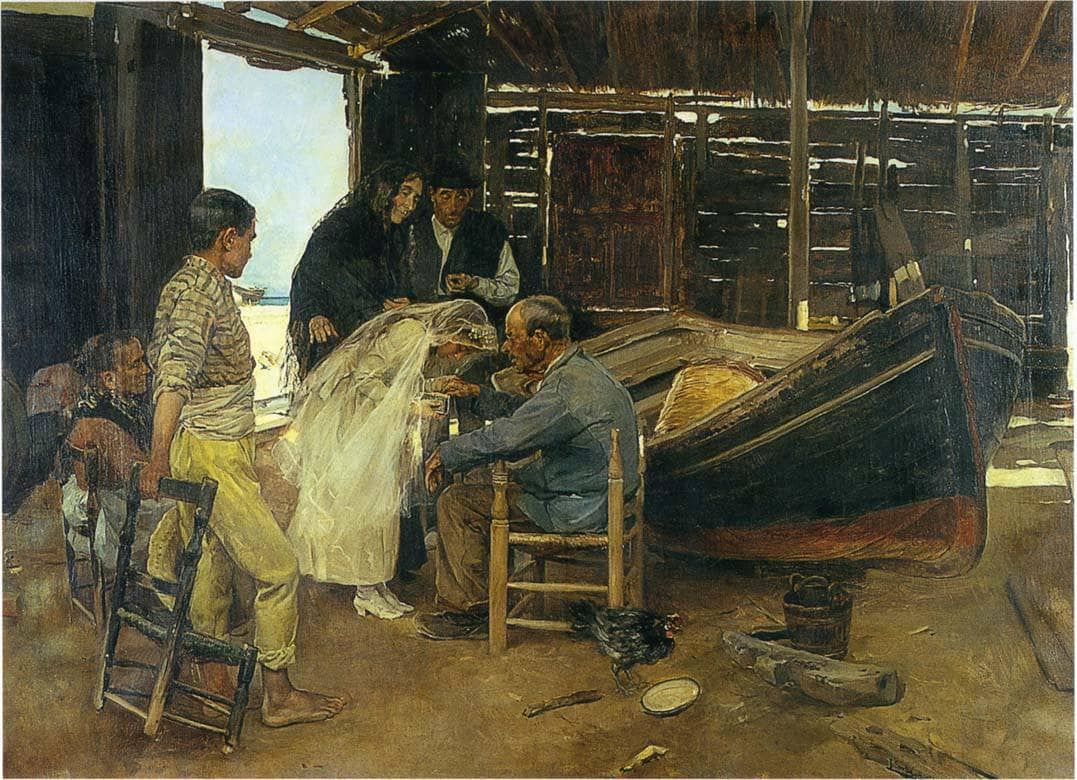
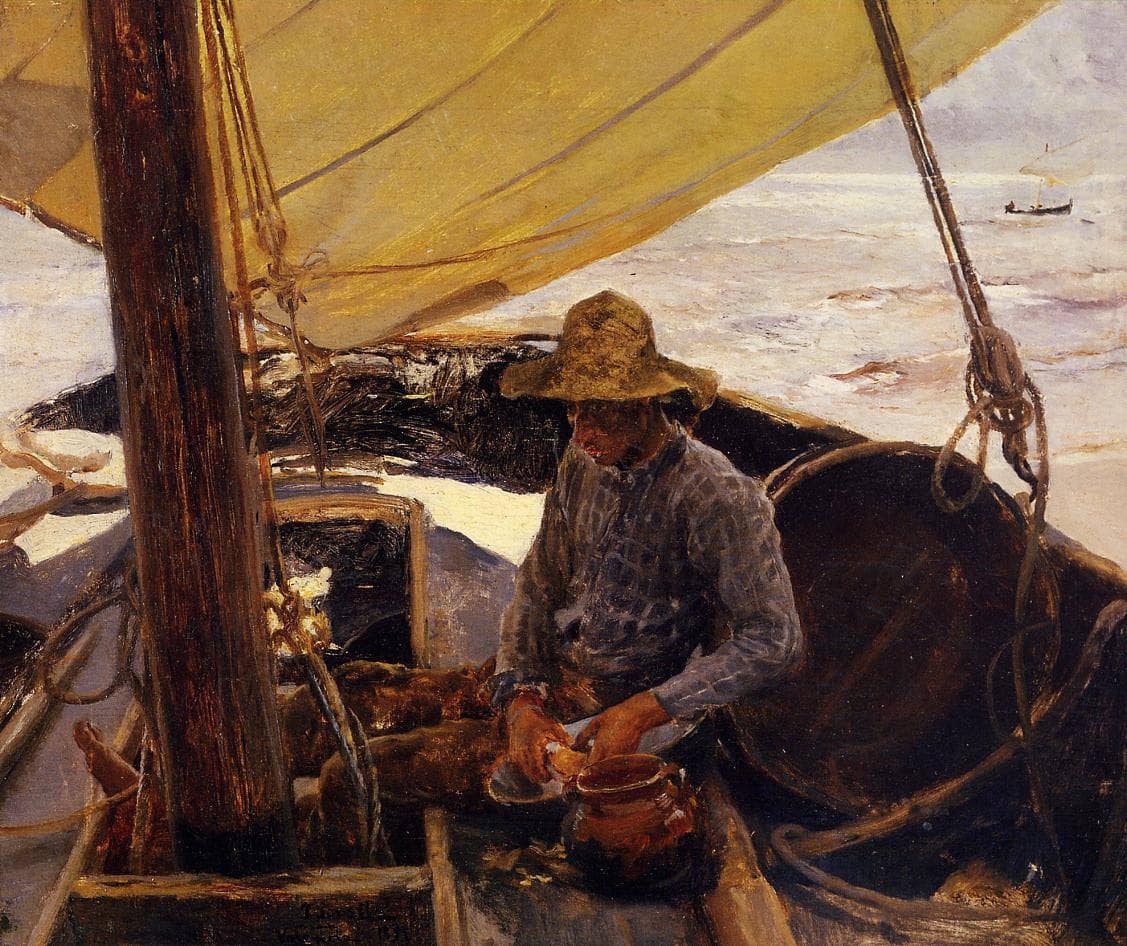
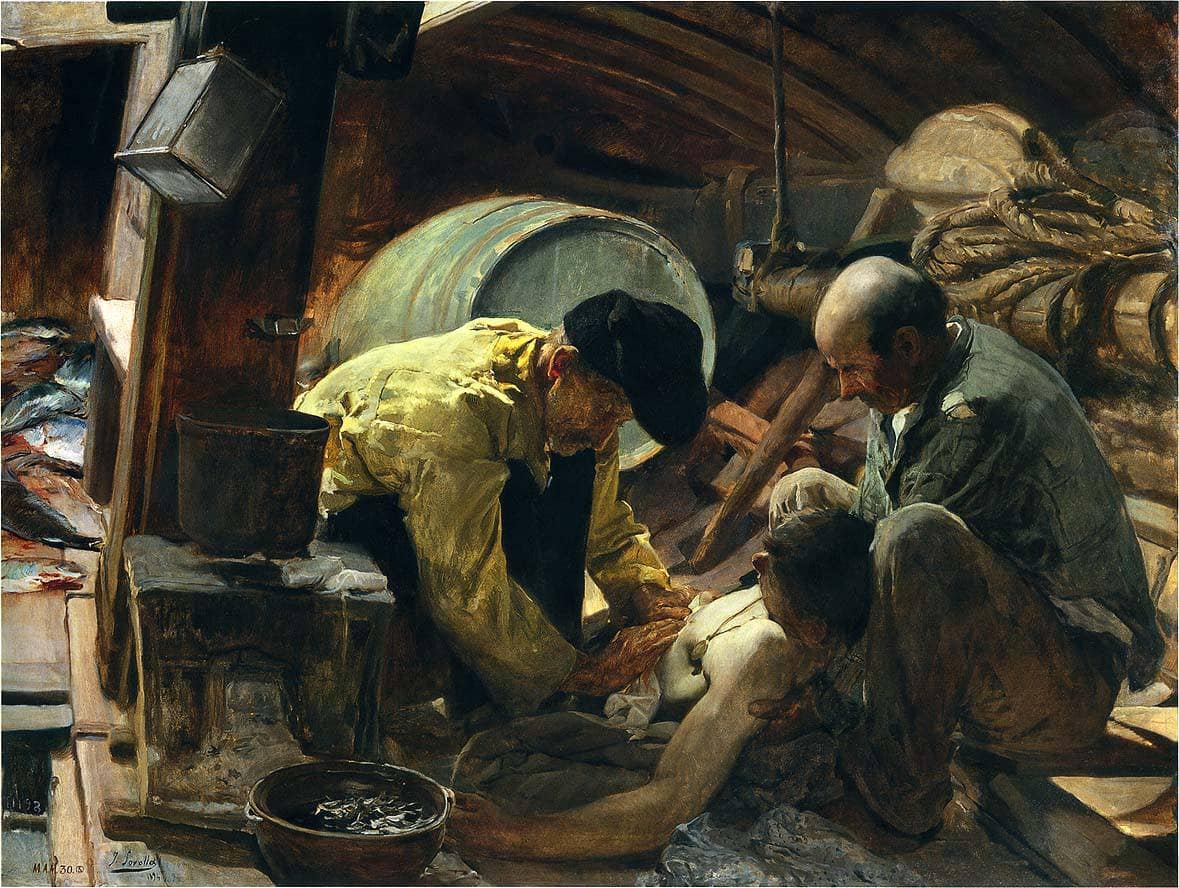
In "They Still Say that Fish is Expensive!", Sorolla employs a striking color palette dominated by vibrant blues and earthy tones. The deep azure of the sea contrasts beautifully with the warm hues of the fishermen's clothing and the sandy shore. This dynamic use of color not only enhances the visual appeal but also evokes the warmth of the Mediterranean sun, immersing viewers in the coastal atmosphere.
Brushwork Techniques: Capturing Light and Movement
Sorolla's brushwork is a hallmark of his artistry. He skillfully uses short, quick strokes to depict the shimmering surface of the water and the texture of the fishermen's nets. This technique creates a sense of immediacy, as if the scene is alive and in motion. The interplay of light and shadow adds depth, making the painting feel three-dimensional and inviting viewers to explore its details.
Figures and Focal Points: The Fishermen and Their Catch
The central figures in the painting are the fishermen, who embody the spirit of hard work and resilience. Their expressions and postures convey a deep connection to the sea and their labor. The catch of fish, glistening in the sunlight, symbolizes both the bounty of nature and the economic struggles faced by those who rely on it. Sorolla captures this moment with a sense of reverence, highlighting the dignity of their work.
Thematic Exploration: Symbolism in They Still Say that Fish is Expensive!
Economic Commentary: The Value of Labor and Nature
This painting serves as a poignant commentary on the economic realities of early 20th-century Spain. The phrase "They Still Say that Fish is Expensive!" reflects the ongoing struggle between the abundance of the sea and the challenges of making a living from it. Sorolla emphasizes the value of labor, showcasing the fishermen's hard work and the sacrifices they make to provide for their families.
Social Dynamics: The Interplay of Tradition and Modernity
Sorolla's work captures the tension between tradition and modernity in Spanish society. The fishermen represent a time-honored way of life, while the bustling coastal scene hints at the changes brought by industrialization. This duality invites viewers to reflect on the impact of progress on traditional livelihoods, making the painting a rich subject for discussion.
Nature's Role: The Sea as a Source of Life and Livelihood
The sea plays a central role in this artwork, symbolizing both sustenance and struggle. It is a source of life for the fishermen, providing them with food and income. However, it also represents the unpredictability of nature, reminding viewers of the challenges faced by those who depend on it. Sorolla's portrayal of the sea is both beautiful and complex, inviting admiration and contemplation.
Historical Significance: The Painting's Place in Art History
Exhibitions and Reception: How the Public Embraced Sorolla
Upon its completion, "They Still Say that Fish is Expensive!" garnered significant attention at exhibitions across Europe. Audiences were captivated by Sorolla's ability to convey emotion and movement through his brushwork. Critics praised his innovative approach, solidifying his reputation as a leading figure in the Impressionist movement. The painting remains a beloved piece in the art world, celebrated for its vibrant depiction of Spanish culture.
Influence on Future Generations of Artists
Sorolla's impact on future artists is profound. His techniques and themes inspired a new generation of painters who sought to capture the beauty of everyday life. His emphasis on light and color influenced not only Spanish artists but also those in other countries. Today, Sorolla's legacy continues to resonate, reminding us of the power of art to reflect and shape cultural narratives.
Personal Insights: Experiencing the Painting in Person
Visiting the Museo del Prado: A Journey Through Sorolla's World
To truly appreciate "They Still Say that Fish is Expensive!", a visit to the Museo del Prado in Madrid is essential. The museum houses an impressive collection of Sorolla's works, allowing visitors to immerse themselves in his artistic vision. Standing before the painting, one can feel the energy of the scene and the warmth of the Spanish sun, making it a memorable experience.
Emotional Impact: What the Painting Evokes in Viewers
This masterpiece evokes a range of emotions, from nostalgia to admiration. Viewers often feel a deep connection to the fishermen and their struggles, reflecting on the universal themes of labor and perseverance. Sorolla's ability to capture the human experience through his art creates a lasting impact, inviting contemplation long after leaving the gallery.
Comparative Analysis: Sorolla's Other Works
Similar Themes in Sorolla's Coastal Scenes
Many of Sorolla's coastal paintings share similar themes of labor, nature, and community. Works like "The Beach at Valencia" and "Fishing Boats" also explore the relationship between people and the sea. These paintings highlight the beauty of coastal life while addressing the challenges faced by those who depend on it, creating a cohesive narrative throughout his oeuvre.
Contrasting Styles: Sorolla vs. Other Impressionists
While Sorolla shares common ground with other Impressionists, his style is distinct. Unlike some of his contemporaries, who focused on urban scenes, Sorolla's work often celebrates rural and coastal life. His vibrant color palette and dynamic brushwork set him apart, making his paintings instantly recognizable. This unique approach allows Sorolla to convey a sense of place and culture that resonates deeply with viewers.
FAQs About They Still Say that Fish is Expensive!
What is the story behind They Still Say that Fish is Expensive!?
The painting reflects the economic struggles of fishermen in early 20th-century Spain, highlighting the tension between the abundance of the sea and the challenges of making a living from it. The title itself serves as a commentary on the value of labor and the realities of life by the coast.
What techniques did Joaquín Sorolla use in this painting?
Sorolla employed loose brushwork and a vibrant color palette to capture the effects of light and movement. His technique of painting en plein air allowed him to depict the scene with immediacy and emotion, creating a lively and engaging composition.
How does this painting reflect the culture of early 20th century Spain?
This artwork encapsulates the essence of Spanish coastal life, showcasing the traditions of fishing communities. It reflects the economic realities and social dynamics of the time, making it a significant cultural artifact that speaks to the history of Spain.
What emotions does They Still Say that Fish is Expensive! evoke?
The painting evokes feelings of nostalgia, admiration, and empathy. Viewers often connect with the fishermen's struggles and triumphs, reflecting on the universal themes of hard work and resilience in the face of adversity.
Where can I see They Still Say that Fish is Expensive! displayed?
You can view "They Still Say that Fish is Expensive!" at the Museo del Prado in Madrid, where it is part of a larger collection of Sorolla's works. The museum offers a unique opportunity to experience the painting in person and appreciate its details up close.
FAQs About the Painting Reproduction
What should I consider when purchasing a reproduction of this painting?
When purchasing a reproduction of "They Still Say that Fish is Expensive!", consider the quality of the materials used. Look for reproductions that use high-quality canvas and oil paints to ensure the colors and details closely resemble the original artwork.
How can I ensure the quality of a reproduction of They Still Say that Fish is Expensive!?
To ensure quality, choose a reputable art reproduction company that specializes in oil painting reproductions. Check for customer reviews and look for guarantees on the craftsmanship and materials used. A well-made reproduction will capture the essence of Sorolla's original work, providing a beautiful addition to your art collection.
Original: $299.95
-70%$299.95
$89.98Product Information
Product Information
Shipping & Returns
Shipping & Returns
Description
Discovering Joaquín Sorolla's Masterpiece: They Still Say that Fish is Expensive!
Artistic Context: The Spanish Impressionist Movement
Understanding Sorolla's Influence in Early 20th Century Art
Joaquín Sorolla, a prominent figure in the Spanish Impressionist movement, emerged in the early 1900s. His work reflects a unique blend of light, color, and emotion, capturing the essence of Spanish coastal life. Sorolla's paintings often depict the vibrant culture of Spain, showcasing its landscapes, people, and traditions. His influence extended beyond Spain, inspiring artists worldwide with his innovative techniques and passionate themes.
Exploring the Characteristics of Impressionism in Sorolla's Work
Sorolla's style embodies the core principles of Impressionism, focusing on the effects of natural light and color. He often painted en plein air, allowing him to capture the fleeting moments of everyday life. His brushwork is loose and expressive, creating a sense of movement and spontaneity. This approach gives his paintings a lively quality, inviting viewers to experience the scene as if they were part of it.
Visual Elements: A Closer Look at the Composition
Color Palette: The Vibrant Blues and Earthy Tones
In "They Still Say that Fish is Expensive!", Sorolla employs a striking color palette dominated by vibrant blues and earthy tones. The deep azure of the sea contrasts beautifully with the warm hues of the fishermen's clothing and the sandy shore. This dynamic use of color not only enhances the visual appeal but also evokes the warmth of the Mediterranean sun, immersing viewers in the coastal atmosphere.
Brushwork Techniques: Capturing Light and Movement
Sorolla's brushwork is a hallmark of his artistry. He skillfully uses short, quick strokes to depict the shimmering surface of the water and the texture of the fishermen's nets. This technique creates a sense of immediacy, as if the scene is alive and in motion. The interplay of light and shadow adds depth, making the painting feel three-dimensional and inviting viewers to explore its details.
Figures and Focal Points: The Fishermen and Their Catch
The central figures in the painting are the fishermen, who embody the spirit of hard work and resilience. Their expressions and postures convey a deep connection to the sea and their labor. The catch of fish, glistening in the sunlight, symbolizes both the bounty of nature and the economic struggles faced by those who rely on it. Sorolla captures this moment with a sense of reverence, highlighting the dignity of their work.
Thematic Exploration: Symbolism in They Still Say that Fish is Expensive!
Economic Commentary: The Value of Labor and Nature
This painting serves as a poignant commentary on the economic realities of early 20th-century Spain. The phrase "They Still Say that Fish is Expensive!" reflects the ongoing struggle between the abundance of the sea and the challenges of making a living from it. Sorolla emphasizes the value of labor, showcasing the fishermen's hard work and the sacrifices they make to provide for their families.
Social Dynamics: The Interplay of Tradition and Modernity
Sorolla's work captures the tension between tradition and modernity in Spanish society. The fishermen represent a time-honored way of life, while the bustling coastal scene hints at the changes brought by industrialization. This duality invites viewers to reflect on the impact of progress on traditional livelihoods, making the painting a rich subject for discussion.
Nature's Role: The Sea as a Source of Life and Livelihood
The sea plays a central role in this artwork, symbolizing both sustenance and struggle. It is a source of life for the fishermen, providing them with food and income. However, it also represents the unpredictability of nature, reminding viewers of the challenges faced by those who depend on it. Sorolla's portrayal of the sea is both beautiful and complex, inviting admiration and contemplation.
Historical Significance: The Painting's Place in Art History
Exhibitions and Reception: How the Public Embraced Sorolla
Upon its completion, "They Still Say that Fish is Expensive!" garnered significant attention at exhibitions across Europe. Audiences were captivated by Sorolla's ability to convey emotion and movement through his brushwork. Critics praised his innovative approach, solidifying his reputation as a leading figure in the Impressionist movement. The painting remains a beloved piece in the art world, celebrated for its vibrant depiction of Spanish culture.
Influence on Future Generations of Artists
Sorolla's impact on future artists is profound. His techniques and themes inspired a new generation of painters who sought to capture the beauty of everyday life. His emphasis on light and color influenced not only Spanish artists but also those in other countries. Today, Sorolla's legacy continues to resonate, reminding us of the power of art to reflect and shape cultural narratives.
Personal Insights: Experiencing the Painting in Person
Visiting the Museo del Prado: A Journey Through Sorolla's World
To truly appreciate "They Still Say that Fish is Expensive!", a visit to the Museo del Prado in Madrid is essential. The museum houses an impressive collection of Sorolla's works, allowing visitors to immerse themselves in his artistic vision. Standing before the painting, one can feel the energy of the scene and the warmth of the Spanish sun, making it a memorable experience.
Emotional Impact: What the Painting Evokes in Viewers
This masterpiece evokes a range of emotions, from nostalgia to admiration. Viewers often feel a deep connection to the fishermen and their struggles, reflecting on the universal themes of labor and perseverance. Sorolla's ability to capture the human experience through his art creates a lasting impact, inviting contemplation long after leaving the gallery.
Comparative Analysis: Sorolla's Other Works
Similar Themes in Sorolla's Coastal Scenes
Many of Sorolla's coastal paintings share similar themes of labor, nature, and community. Works like "The Beach at Valencia" and "Fishing Boats" also explore the relationship between people and the sea. These paintings highlight the beauty of coastal life while addressing the challenges faced by those who depend on it, creating a cohesive narrative throughout his oeuvre.
Contrasting Styles: Sorolla vs. Other Impressionists
While Sorolla shares common ground with other Impressionists, his style is distinct. Unlike some of his contemporaries, who focused on urban scenes, Sorolla's work often celebrates rural and coastal life. His vibrant color palette and dynamic brushwork set him apart, making his paintings instantly recognizable. This unique approach allows Sorolla to convey a sense of place and culture that resonates deeply with viewers.
FAQs About They Still Say that Fish is Expensive!
What is the story behind They Still Say that Fish is Expensive!?
The painting reflects the economic struggles of fishermen in early 20th-century Spain, highlighting the tension between the abundance of the sea and the challenges of making a living from it. The title itself serves as a commentary on the value of labor and the realities of life by the coast.
What techniques did Joaquín Sorolla use in this painting?
Sorolla employed loose brushwork and a vibrant color palette to capture the effects of light and movement. His technique of painting en plein air allowed him to depict the scene with immediacy and emotion, creating a lively and engaging composition.
How does this painting reflect the culture of early 20th century Spain?
This artwork encapsulates the essence of Spanish coastal life, showcasing the traditions of fishing communities. It reflects the economic realities and social dynamics of the time, making it a significant cultural artifact that speaks to the history of Spain.
What emotions does They Still Say that Fish is Expensive! evoke?
The painting evokes feelings of nostalgia, admiration, and empathy. Viewers often connect with the fishermen's struggles and triumphs, reflecting on the universal themes of hard work and resilience in the face of adversity.
Where can I see They Still Say that Fish is Expensive! displayed?
You can view "They Still Say that Fish is Expensive!" at the Museo del Prado in Madrid, where it is part of a larger collection of Sorolla's works. The museum offers a unique opportunity to experience the painting in person and appreciate its details up close.
FAQs About the Painting Reproduction
What should I consider when purchasing a reproduction of this painting?
When purchasing a reproduction of "They Still Say that Fish is Expensive!", consider the quality of the materials used. Look for reproductions that use high-quality canvas and oil paints to ensure the colors and details closely resemble the original artwork.
How can I ensure the quality of a reproduction of They Still Say that Fish is Expensive!?
To ensure quality, choose a reputable art reproduction company that specializes in oil painting reproductions. Check for customer reviews and look for guarantees on the craftsmanship and materials used. A well-made reproduction will capture the essence of Sorolla's original work, providing a beautiful addition to your art collection.