Peeling Potatoes
Exploring the Artistic Brilliance of Joaquín Sorolla's "Peeling Potatoes"
Understanding the Context: Sorolla's Life and Artistic Journey
The Influence of Spanish Culture on Sorolla's Work
Joaquín Sorolla, born in 1863 in Valencia, Spain, was deeply influenced by the vibrant Spanish culture surrounding him. His upbringing in a coastal town infused his art with the warmth and light of Mediterranean life. Sorolla's works often reflect the rich traditions, customs, and daily activities of Spanish society, showcasing the beauty of everyday moments.
Key Milestones in Joaquín Sorolla's Career
Sorolla's career took off after he won the prestigious Grand Prix at the 1900 Exposition Universelle in Paris. This recognition propelled him into the international art scene. His unique style, characterized by luminous colors and dynamic brushwork, set him apart from his contemporaries. "Peeling Potatoes," painted in 1895, is a testament to his ability to capture the essence of domestic life.
Visual Analysis: The Composition of "Peeling Potatoes"
Color Palette: The Warm Hues of Spanish Life
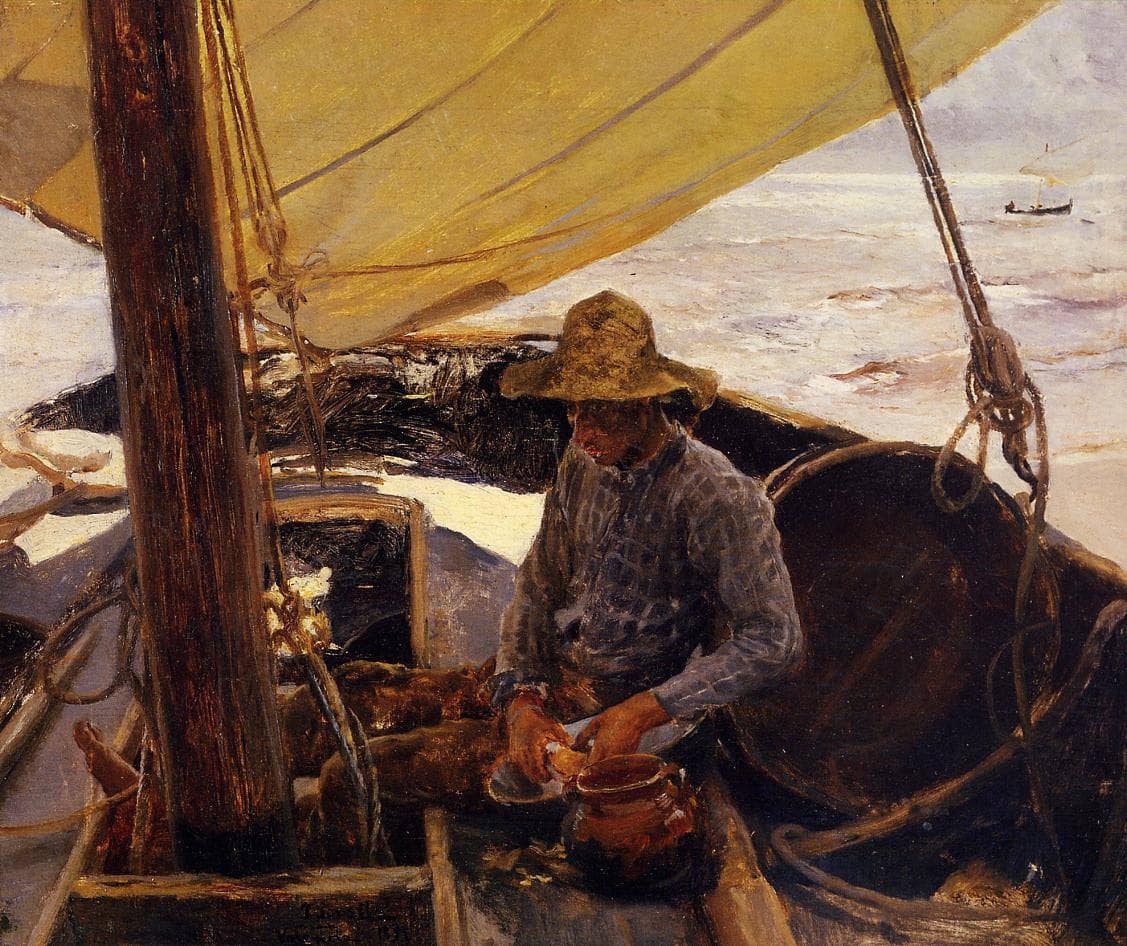
The color palette of "Peeling Potatoes" is a celebration of warm earth tones, reflecting the natural beauty of Spain. Sorolla expertly uses yellows, browns, and soft whites to create a harmonious scene that feels both inviting and intimate. These colors evoke the warmth of the sun and the richness of the Spanish landscape.
Light and Shadow: Sorolla's Mastery of Natural Illumination
Sorolla's skillful manipulation of light and shadow brings the painting to life. He captures the soft, diffused light filtering through the window, illuminating the figures and their surroundings. This natural illumination enhances the realism of the scene, drawing viewers into the everyday activity of peeling potatoes.
Figures and Form: The Depiction of Everyday Life
The figures in "Peeling Potatoes" are depicted with a sense of movement and grace. Sorolla portrays women engaged in the simple yet essential task of preparing food. Their expressions and postures convey a sense of purpose and connection to their domestic environment, highlighting the beauty of routine activities.
Thematic Exploration: Everyday Life in "Peeling Potatoes"
Domesticity and Labor: A Glimpse into Spanish Households
"Peeling Potatoes" offers a poignant glimpse into the domestic life of Spanish households. The painting emphasizes the importance of labor in daily life, showcasing how such tasks are integral to family and community. Sorolla elevates this mundane activity, celebrating the dignity of work.
Symbolism of Potatoes: Nourishment and Tradition
Potatoes symbolize nourishment and tradition in Spanish culture. They represent sustenance and the connection to the land. In "Peeling Potatoes," this humble vegetable becomes a focal point, reminding viewers of the importance of food in family life and cultural heritage.
Gender Roles: Women in Sorolla's Art
Sorolla often depicted women in his works, reflecting their vital role in both the household and society. In "Peeling Potatoes," the women are portrayed with strength and grace, challenging traditional gender roles. Their presence highlights the significance of women's contributions to family life and cultural continuity.
Artistic Techniques: Sorolla's Signature Style in "Peeling Potatoes"
Brushwork: The Fluidity of Impressionism
Sorolla's brushwork in "Peeling Potatoes" exemplifies the fluidity of Impressionism. He employs quick, expressive strokes that capture the essence of movement and light. This technique creates a sense of immediacy, inviting viewers to experience the scene as if they were present.
Texture and Depth: Creating a Lifelike Scene
The texture in "Peeling Potatoes" adds depth and realism to the composition. Sorolla's use of thick paint and varied brush techniques creates a tactile quality, making the scene feel alive. The interplay of light and shadow enhances the three-dimensionality of the figures and their surroundings.
Influence of Impressionism: A New Wave in Spanish Art
Sorolla was heavily influenced by the Impressionist movement, which emphasized capturing fleeting moments and the effects of light. His work, including "Peeling Potatoes," reflects this influence while also incorporating elements of Spanish realism. This blend of styles helped define a new wave in Spanish art.
Historical Significance: "Peeling Potatoes" in the Art World
Reception and Critique: How the Painting Was Initially Viewed
Legacy of "Peeling Potatoes": Influence on Future Generations of Artists
The legacy of "Peeling Potatoes" extends beyond its initial reception. It has inspired countless artists to explore themes of domesticity and the beauty of everyday life. Sorolla's techniques and subject matter continue to resonate, influencing contemporary artists who seek to capture the essence of human experience.
Comparative Analysis: "Peeling Potatoes" and Other Works by Sorolla
Contrasting Themes: From "Peeling Potatoes" to "The Beach at Valencia"
While "Peeling Potatoes" focuses on domestic life, "The Beach at Valencia" showcases the vibrancy of outdoor leisure. Both paintings highlight Sorolla's versatility and ability to capture different aspects of Spanish culture. Each work reflects his deep appreciation for the beauty found in both home and nature.
Similar Techniques: A Study of Brushwork Across Sorolla's Portfolio
Sorolla's signature brushwork is evident in both "Peeling Potatoes" and his other masterpieces. His ability to convey movement and light through dynamic strokes creates a cohesive style that unites his body of work. This technique allows viewers to experience the energy and emotion behind each scene.
Personal Reflections: Experiencing "Peeling Potatoes" in Person
Visiting the Museum: A Guide to Viewing Sorolla's Masterpiece
To fully appreciate "Peeling Potatoes," visiting the museum where it is displayed is essential. The painting's details and textures come alive in person, allowing viewers to connect with Sorolla's vision. Museums often provide context and information that enhance the viewing experience.
Emotional Impact: What the Painting Evokes in Viewers
FAQs About "Peeling Potatoes" by Joaquín Sorolla
What is the story behind the painting "Peeling Potatoes"?
"Peeling Potatoes" captures a moment of domestic life, showcasing the importance of food preparation in Spanish culture. Sorolla painted this scene to highlight the beauty of everyday tasks and the women who perform them.
What techniques did Joaquín Sorolla use in "Peeling Potatoes"?
Sorolla employed Impressionist techniques, using quick brushstrokes and a vibrant color palette to convey light and movement. His mastery of natural illumination adds depth and realism to the scene.
How does "Peeling Potatoes" reflect Spanish culture?
The painting reflects Spanish culture through its focus on domestic life, traditional labor, and the significance of food. It captures the essence of family and community, showcasing the beauty found in everyday activities.
What are the main themes depicted in "Peeling Potatoes"?
Main themes include domesticity, labor, and the role of women in society. The painting also symbolizes nourishment and tradition, emphasizing the importance of food in cultural identity.
Where can I see "Peeling Potatoes" displayed today?
"Peeling Potatoes" is housed in the Museo Sorolla in Madrid, Spain. This museum is dedicated to Sorolla's life and work, providing a rich context for his masterpieces.
What should I know about reproductions of "Peeling Potatoes"?
Art reproductions of "Peeling Potatoes" offer a way to bring Sorolla's brilliance into your home. Unlike prints, high-quality reproductions capture the texture and depth of the original painting, making them a superior choice for art lovers.
How can I choose a quality reproduction of Sorolla's work?
When selecting a reproduction, look for options that use high-quality materials and techniques. Consider reproductions that replicate the texture and colors of the original painting, ensuring a lifelike representation of Sorolla's artistry.
Original: $249.95
-70%$249.95
$74.98Product Information
Product Information
Shipping & Returns
Shipping & Returns
Description
Exploring the Artistic Brilliance of Joaquín Sorolla's "Peeling Potatoes"
Understanding the Context: Sorolla's Life and Artistic Journey
The Influence of Spanish Culture on Sorolla's Work
Joaquín Sorolla, born in 1863 in Valencia, Spain, was deeply influenced by the vibrant Spanish culture surrounding him. His upbringing in a coastal town infused his art with the warmth and light of Mediterranean life. Sorolla's works often reflect the rich traditions, customs, and daily activities of Spanish society, showcasing the beauty of everyday moments.
Key Milestones in Joaquín Sorolla's Career
Sorolla's career took off after he won the prestigious Grand Prix at the 1900 Exposition Universelle in Paris. This recognition propelled him into the international art scene. His unique style, characterized by luminous colors and dynamic brushwork, set him apart from his contemporaries. "Peeling Potatoes," painted in 1895, is a testament to his ability to capture the essence of domestic life.
Visual Analysis: The Composition of "Peeling Potatoes"
Color Palette: The Warm Hues of Spanish Life
The color palette of "Peeling Potatoes" is a celebration of warm earth tones, reflecting the natural beauty of Spain. Sorolla expertly uses yellows, browns, and soft whites to create a harmonious scene that feels both inviting and intimate. These colors evoke the warmth of the sun and the richness of the Spanish landscape.
Light and Shadow: Sorolla's Mastery of Natural Illumination
Sorolla's skillful manipulation of light and shadow brings the painting to life. He captures the soft, diffused light filtering through the window, illuminating the figures and their surroundings. This natural illumination enhances the realism of the scene, drawing viewers into the everyday activity of peeling potatoes.
Figures and Form: The Depiction of Everyday Life
The figures in "Peeling Potatoes" are depicted with a sense of movement and grace. Sorolla portrays women engaged in the simple yet essential task of preparing food. Their expressions and postures convey a sense of purpose and connection to their domestic environment, highlighting the beauty of routine activities.
Thematic Exploration: Everyday Life in "Peeling Potatoes"
Domesticity and Labor: A Glimpse into Spanish Households
"Peeling Potatoes" offers a poignant glimpse into the domestic life of Spanish households. The painting emphasizes the importance of labor in daily life, showcasing how such tasks are integral to family and community. Sorolla elevates this mundane activity, celebrating the dignity of work.
Symbolism of Potatoes: Nourishment and Tradition
Potatoes symbolize nourishment and tradition in Spanish culture. They represent sustenance and the connection to the land. In "Peeling Potatoes," this humble vegetable becomes a focal point, reminding viewers of the importance of food in family life and cultural heritage.
Gender Roles: Women in Sorolla's Art
Sorolla often depicted women in his works, reflecting their vital role in both the household and society. In "Peeling Potatoes," the women are portrayed with strength and grace, challenging traditional gender roles. Their presence highlights the significance of women's contributions to family life and cultural continuity.
Artistic Techniques: Sorolla's Signature Style in "Peeling Potatoes"
Brushwork: The Fluidity of Impressionism
Sorolla's brushwork in "Peeling Potatoes" exemplifies the fluidity of Impressionism. He employs quick, expressive strokes that capture the essence of movement and light. This technique creates a sense of immediacy, inviting viewers to experience the scene as if they were present.
Texture and Depth: Creating a Lifelike Scene
The texture in "Peeling Potatoes" adds depth and realism to the composition. Sorolla's use of thick paint and varied brush techniques creates a tactile quality, making the scene feel alive. The interplay of light and shadow enhances the three-dimensionality of the figures and their surroundings.
Influence of Impressionism: A New Wave in Spanish Art
Sorolla was heavily influenced by the Impressionist movement, which emphasized capturing fleeting moments and the effects of light. His work, including "Peeling Potatoes," reflects this influence while also incorporating elements of Spanish realism. This blend of styles helped define a new wave in Spanish art.
Historical Significance: "Peeling Potatoes" in the Art World
Reception and Critique: How the Painting Was Initially Viewed
Legacy of "Peeling Potatoes": Influence on Future Generations of Artists
The legacy of "Peeling Potatoes" extends beyond its initial reception. It has inspired countless artists to explore themes of domesticity and the beauty of everyday life. Sorolla's techniques and subject matter continue to resonate, influencing contemporary artists who seek to capture the essence of human experience.
Comparative Analysis: "Peeling Potatoes" and Other Works by Sorolla
Contrasting Themes: From "Peeling Potatoes" to "The Beach at Valencia"
While "Peeling Potatoes" focuses on domestic life, "The Beach at Valencia" showcases the vibrancy of outdoor leisure. Both paintings highlight Sorolla's versatility and ability to capture different aspects of Spanish culture. Each work reflects his deep appreciation for the beauty found in both home and nature.
Similar Techniques: A Study of Brushwork Across Sorolla's Portfolio
Sorolla's signature brushwork is evident in both "Peeling Potatoes" and his other masterpieces. His ability to convey movement and light through dynamic strokes creates a cohesive style that unites his body of work. This technique allows viewers to experience the energy and emotion behind each scene.
Personal Reflections: Experiencing "Peeling Potatoes" in Person
Visiting the Museum: A Guide to Viewing Sorolla's Masterpiece
To fully appreciate "Peeling Potatoes," visiting the museum where it is displayed is essential. The painting's details and textures come alive in person, allowing viewers to connect with Sorolla's vision. Museums often provide context and information that enhance the viewing experience.
Emotional Impact: What the Painting Evokes in Viewers
FAQs About "Peeling Potatoes" by Joaquín Sorolla
What is the story behind the painting "Peeling Potatoes"?
"Peeling Potatoes" captures a moment of domestic life, showcasing the importance of food preparation in Spanish culture. Sorolla painted this scene to highlight the beauty of everyday tasks and the women who perform them.
What techniques did Joaquín Sorolla use in "Peeling Potatoes"?
Sorolla employed Impressionist techniques, using quick brushstrokes and a vibrant color palette to convey light and movement. His mastery of natural illumination adds depth and realism to the scene.
How does "Peeling Potatoes" reflect Spanish culture?
The painting reflects Spanish culture through its focus on domestic life, traditional labor, and the significance of food. It captures the essence of family and community, showcasing the beauty found in everyday activities.
What are the main themes depicted in "Peeling Potatoes"?
Main themes include domesticity, labor, and the role of women in society. The painting also symbolizes nourishment and tradition, emphasizing the importance of food in cultural identity.
Where can I see "Peeling Potatoes" displayed today?
"Peeling Potatoes" is housed in the Museo Sorolla in Madrid, Spain. This museum is dedicated to Sorolla's life and work, providing a rich context for his masterpieces.
What should I know about reproductions of "Peeling Potatoes"?
Art reproductions of "Peeling Potatoes" offer a way to bring Sorolla's brilliance into your home. Unlike prints, high-quality reproductions capture the texture and depth of the original painting, making them a superior choice for art lovers.
How can I choose a quality reproduction of Sorolla's work?
When selecting a reproduction, look for options that use high-quality materials and techniques. Consider reproductions that replicate the texture and colors of the original painting, ensuring a lifelike representation of Sorolla's artistry.