🚚 Free Worldwide Shipping on All Orders!Shop Now

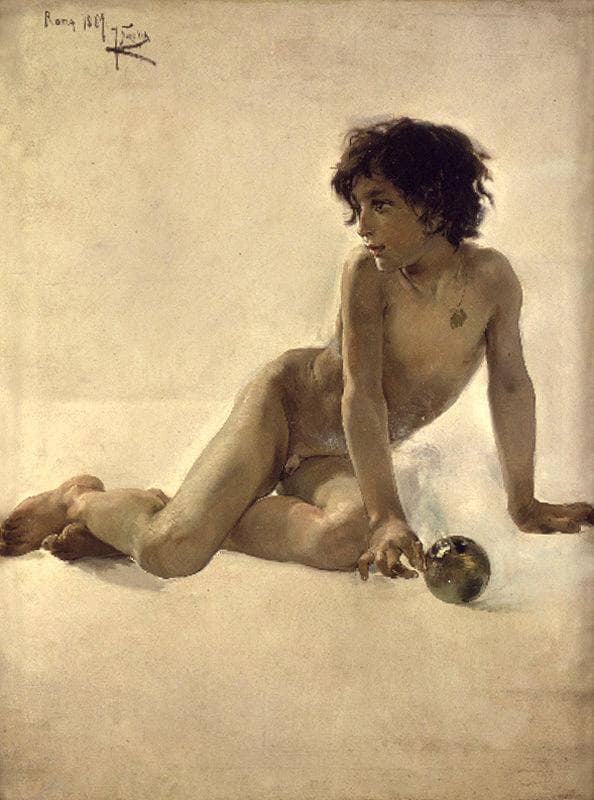
Boy with a ball
Discovering Joaquín Sorolla's "Boy with a Ball": A Masterpiece of Childhood Innocence
Artistic Context: The Spanish Impressionist Movement
Influences on Sorolla's Work: Light, Color, and Emotion
Joaquín Sorolla, a prominent figure in the Spanish Impressionist movement, masterfully captured the essence of light and color in his paintings. His works often reflect the vibrant atmosphere of early 20th-century Spain. Sorolla was influenced by the natural light of the Mediterranean, which he used to evoke emotion and depth in his art. His unique approach to color and light set him apart from his contemporaries, making his paintings feel alive and dynamic.Childhood Themes in Sorolla's Art: A Celebration of Youth
In "Boy with a Ball," Sorolla celebrates the innocence and joy of childhood. This painting encapsulates the carefree spirit of youth, showcasing a young boy immersed in play. Sorolla often depicted children in his works, highlighting their natural exuberance and the fleeting moments of joy that define early life. His focus on childhood themes resonates with viewers, inviting them to reflect on their own experiences of youth.Visual Analysis: The Composition of "Boy with a Ball"
Color Palette: Vibrant Hues and Their Symbolism
The color palette of "Boy with a Ball" is a stunning array of vibrant hues. Sorolla used bright blues, sunny yellows, and soft whites to create a lively scene. These colors symbolize the warmth of the sun and the joy of summer days spent at the beach. The contrast between the boy's playful energy and the serene background enhances the overall impact of the painting.Brushwork Techniques: Capturing Movement and Joy
Sorolla's brushwork in "Boy with a Ball" is both fluid and expressive. He employed quick, loose strokes to convey movement, making the boy appear as if he is in mid-action. This technique captures the essence of playfulness, allowing viewers to feel the joy and excitement of the moment. Sorolla's ability to depict movement adds a dynamic quality to the painting, drawing the viewer into the scene.Subject Matter: The Essence of Playfulness in Childhood
The subject matter of "Boy with a Ball" is a poignant representation of childhood play. The boy, with his carefree demeanor, embodies the spirit of youth. Sorolla's choice to focus on a simple yet universal activity—playing with a ball—highlights the innocence and joy found in everyday moments. This relatable theme resonates with audiences, evoking a sense of nostalgia for their own childhood experiences.Emotional Resonance: The Feelings Evoked by the Painting
Joy and Freedom: The Spirit of Youth in Art
"Boy with a Ball" evokes feelings of joy and freedom. The painting captures the essence of a carefree summer day, inviting viewers to experience the exhilaration of youth. Sorolla's ability to convey these emotions through his art allows audiences to connect with the painting on a personal level, reminding them of the simple pleasures of childhood.Nostalgia and Reflection: Connecting with Personal Memories
The painting also stirs feelings of nostalgia and reflection. Many viewers may find themselves reminiscing about their own childhood adventures. Sorolla's portrayal of a boy at play serves as a reminder of the innocence and wonder of youth, encouraging a deeper connection to personal memories and experiences.Historical Significance: Sorolla's Impact on Art and Culture
Legacy of Joaquín Sorolla: A Pioneer of Light and Color
Joaquín Sorolla's legacy as a pioneer of light and color continues to influence artists today. His innovative techniques and vibrant compositions have left a lasting mark on the art world. Sorolla's ability to capture the beauty of everyday life, particularly in his depictions of children, has solidified his place in art history.Influence on Future Generations of Artists
Sorolla's work has inspired countless artists, both in Spain and around the world. His emphasis on natural light and color has influenced movements such as modern Impressionism. Many contemporary artists look to Sorolla's techniques as a source of inspiration, demonstrating the enduring impact of his artistic vision.Exploring the Setting: The Beach as a Symbol in Sorolla's Work
Coastal Landscapes: The Role of Nature in Childhood Play
The beach setting in "Boy with a Ball" plays a crucial role in the painting. Coastal landscapes often symbolize freedom and adventure, making them the perfect backdrop for childhood play. Sorolla frequently depicted the beach in his works, showcasing its importance in Spanish culture and its connection to the joys of youth.Spanish Culture and the Sea: A Connection to Identity
The sea is a significant element in Spanish culture, representing both beauty and identity. Sorolla's portrayal of children playing by the water reflects the deep connection between the Spanish people and their coastal environment. This relationship adds layers of meaning to "Boy with a Ball," making it not just a depiction of play but also a celebration of cultural heritage.Artistic Techniques: Sorolla's Unique Approach to Oil Painting
Layering and Texture: Creating Depth in "Boy with a Ball"
Sorolla's technique of layering paint creates a rich texture in "Boy with a Ball." He built up layers of oil paint to achieve depth and dimension, making the scene feel three-dimensional. This approach enhances the visual experience, allowing viewers to appreciate the intricacies of the painting.Natural Light: How Sorolla Captured the Essence of Daylight
Natural light is a hallmark of Sorolla's work. In "Boy with a Ball," he skillfully captures the essence of daylight, illuminating the boy and his surroundings. Sorolla's ability to depict light not only enhances the painting's beauty but also evokes the warmth and vibrancy of a sunny day.FAQs About "Boy with a Ball" by Joaquín Sorolla
What is the story behind "Boy with a Ball"?
"Boy with a Ball" reflects the joy of childhood and the simple pleasures of play. Sorolla painted this piece to celebrate the innocence and freedom of youth, capturing a moment that resonates with many.What techniques did Sorolla use in this painting?
Sorolla used oil painting techniques, including layering and expressive brushwork, to create depth and movement. His focus on natural light adds vibrancy to the scene.How does "Boy with a Ball" reflect Sorolla's style?
The painting embodies Sorolla's signature style, characterized by bright colors, dynamic compositions, and a focus on light. It showcases his ability to capture the essence of everyday life.What emotions does "Boy with a Ball" evoke in viewers?
Viewers often feel joy, nostalgia, and a sense of freedom when looking at "Boy with a Ball." The painting invites personal reflection on childhood memories and experiences.Where can I see "Boy with a Ball" in person?
"Boy with a Ball" is part of various collections and exhibitions. Check local museums or galleries that feature Sorolla's work for opportunities to view this masterpiece.FAQs About the Painting Reproduction
What should I consider when purchasing a reproduction of "Boy with a Ball"?
When purchasing a reproduction, consider the quality of materials used, the accuracy of colors, and the level of detail. A high-quality painting reproduction will capture the essence of the original artwork.How can I ensure the quality of the reproduction matches the original?
Look for reputable art reproduction companies that specialize in oil paintings. Check reviews and request samples to ensure the reproduction reflects the vibrancy and detail of Sorolla's original work.Select Size
From $89.98
Original: $299.95
-70%Boy with a ball—
$299.95
$89.98Product Information
Product Information
Shipping & Returns
Shipping & Returns