The happy day
Discovering "The Happy Day" by Joaquín Sorolla: A Masterpiece of Joy
Artistic Context: The Spanish Impressionist Movement
Joaquín Sorolla: A Luminary of Light and Color
Joaquín Sorolla, a prominent figure in the Spanish Impressionist movement, is celebrated for his ability to capture the essence of light and color. Born in Valencia in 1863, Sorolla's artistic journey began at a young age. His passion for painting blossomed as he traveled across Spain and beyond, absorbing influences from various cultures. Sorolla's works often reflect the vibrant spirit of Spanish life, showcasing his deep connection to his homeland.
Influences of Impressionism on Sorolla's Technique
Impressionism profoundly influenced Sorolla's technique, particularly his use of light and color. He embraced the principles of this movement, focusing on the effects of sunlight and shadow. Sorolla's brushwork is characterized by quick, loose strokes that create a sense of immediacy and movement. This approach allows viewers to feel the warmth of the sun and the vibrancy of the scene, making his paintings come alive.
Visual Elements of "The Happy Day": A Celebration of Life
Vibrant Color Palette: The Use of Sunlit Hues
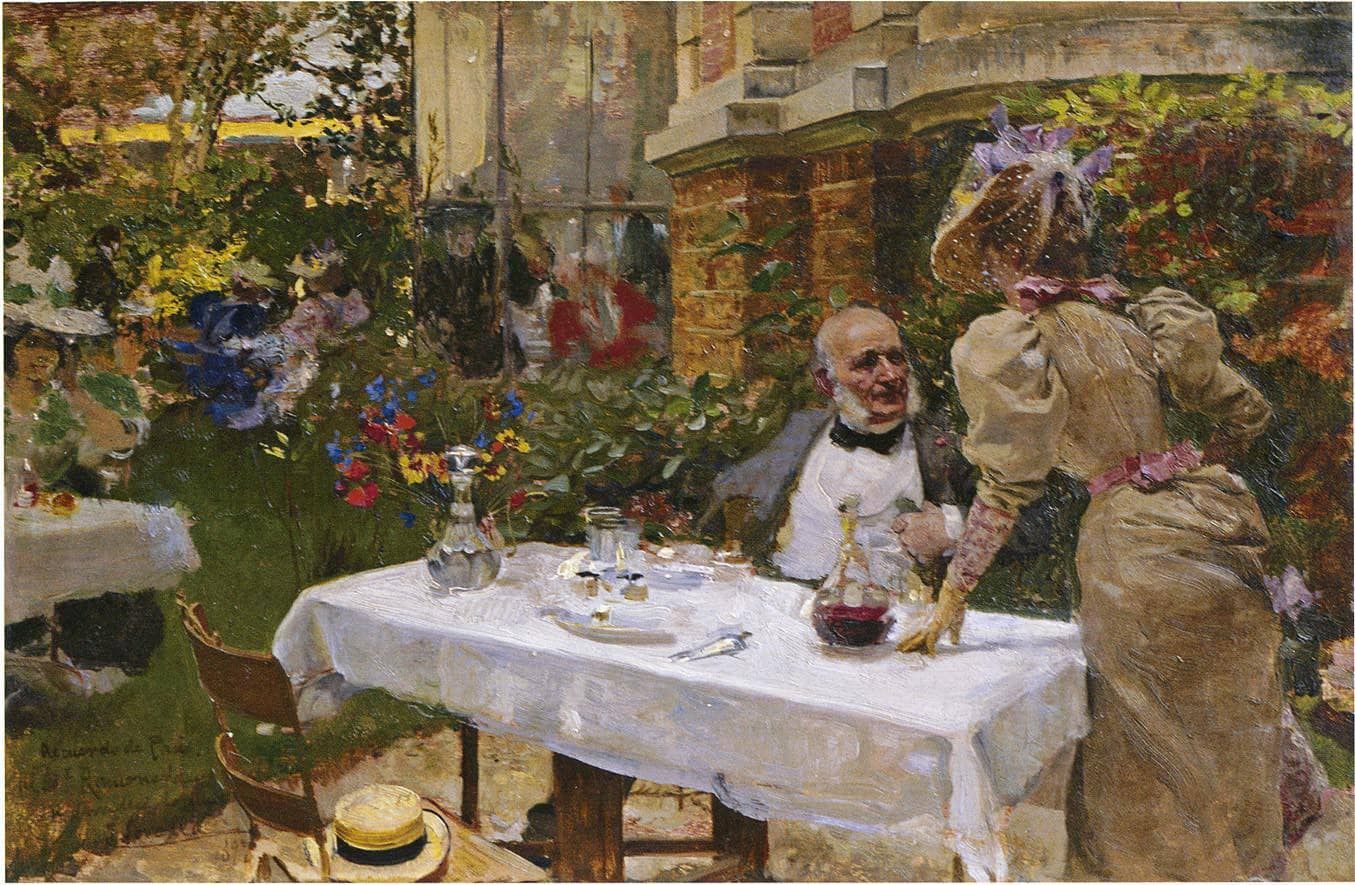
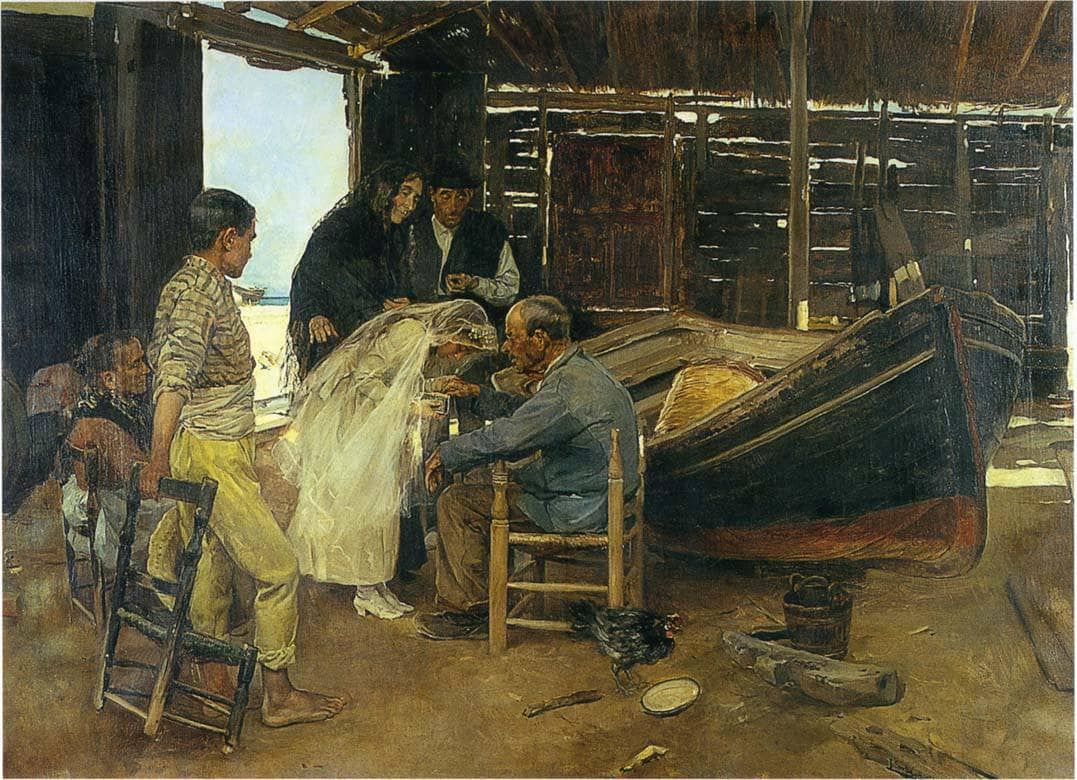
"The Happy Day" bursts with a vibrant color palette that captures the joy of a sun-drenched day. Sorolla skillfully employs sunlit hues of yellow, blue, and white, evoking a sense of warmth and happiness. The colors dance across the canvas, inviting viewers to immerse themselves in the scene. This masterful use of color not only enhances the visual appeal but also conveys the emotional essence of the moment.
Dynamic Composition: Movement and Emotion Captured
The composition of "The Happy Day" is dynamic and engaging. Sorolla arranges the figures in a way that suggests movement and interaction. The playful poses of the children and the relaxed demeanor of the adults create a lively atmosphere. This sense of motion draws the viewer's eye across the canvas, making them feel part of the joyful scene.
Symbolism in the Scene: Joy and Togetherness
In "The Happy Day," Sorolla encapsulates the themes of joy and togetherness. The painting depicts families enjoying a day at the beach, symbolizing the importance of leisure and connection in Spanish culture. The figures, united in laughter and play, reflect the happiness found in simple moments. This sense of community resonates deeply, making the artwork relatable and timeless.
Exploring the Subject Matter: A Glimpse into Spanish Culture
Everyday Life Depicted: The Essence of Leisure
Through "The Happy Day," Sorolla offers a glimpse into the everyday life of early 20th-century Spain. The scene captures the essence of leisure, showcasing families enjoying the sun and surf. This portrayal of daily life highlights the cultural significance of relaxation and family time in Spanish society, emphasizing the value placed on enjoying life's simple pleasures.
Children at Play: Innocence and Happiness in Focus
The children in "The Happy Day" are central to the painting's narrative. Their carefree playfulness embodies innocence and joy. Sorolla's ability to capture their expressions and movements brings a sense of authenticity to the scene. This focus on childhood joy resonates with viewers, evoking fond memories of their own playful days.
Nature's Role: The Beach as a Backdrop for Joy
The beach serves as a stunning backdrop in "The Happy Day," enhancing the overall theme of joy. The shimmering water and golden sands create a picturesque setting that invites relaxation and fun. Sorolla's depiction of nature not only adds beauty to the painting but also symbolizes the harmony between humans and their environment, a recurring theme in his work.
Technical Mastery: Sorolla's Brushwork and Techniques
Impasto Technique: Texture and Depth in Oil Painting
Sorolla's use of the impasto technique adds texture and depth to "The Happy Day." By applying thick layers of paint, he creates a three-dimensional quality that enhances the visual experience. This technique allows light to interact with the surface, producing a lively and engaging effect that draws viewers in.
Light and Shadow: Creating Atmosphere and Mood
Light and shadow play a crucial role in Sorolla's work. In "The Happy Day," he masterfully balances these elements to create atmosphere and mood. The interplay of light highlights the figures and the surrounding landscape, adding a sense of warmth and vibrancy. This careful manipulation of light enhances the emotional impact of the painting.
Capturing Movement: The Fluidity of Figures
Sorolla's ability to capture movement is evident in the fluidity of the figures in "The Happy Day." The children running and playing convey a sense of energy and spontaneity. This dynamic representation of movement invites viewers to feel the joy and excitement of the moment, making the painting a lively celebration of life.
The Emotional Impact of "The Happy Day": Evoking Joy
Viewer Engagement: How the Painting Resonates
"The Happy Day" resonates with viewers on an emotional level. The joyful expressions and lively scene evoke feelings of happiness and nostalgia. Sorolla's ability to capture the essence of joy allows viewers to connect with the painting personally, making it a cherished piece of art.
Personal Reflections: What Joy Means in Art
Art has the power to evoke emotions, and "The Happy Day" exemplifies this beautifully. For many, joy in art represents a moment of escape and reflection. Sorolla's work invites viewers to contemplate their own experiences of happiness, making it a timeless piece that continues to inspire and uplift.
Historical Significance: "The Happy Day" in Sorolla's Legacy
Exhibitions and Reception: How the Painting Was Received
Upon its completion, "The Happy Day" garnered significant attention and acclaim. It was exhibited in various prestigious galleries, showcasing Sorolla's talent to a wider audience. Critics praised the painting for its vibrant colors and emotional depth, solidifying Sorolla's reputation as a master of light and color.
Influence on Future Generations of Artists
Sorolla's innovative techniques and unique style have influenced countless artists. His ability to capture light and emotion continues to inspire contemporary painters. "The Happy Day" stands as a testament to his legacy, encouraging future generations to explore the beauty of everyday life through art.
FAQs About "The Happy Day" by Joaquín Sorolla
What is the story behind "The Happy Day"?
"The Happy Day" reflects a joyful moment in Spanish life, showcasing families enjoying a sunny day at the beach. It captures the essence of leisure and togetherness, celebrating the simple pleasures of life.
What techniques did Joaquín Sorolla use in this painting?
Sorolla employed techniques such as impasto for texture, dynamic brushwork for movement, and a masterful use of light and shadow to create atmosphere. These techniques contribute to the painting's vibrant and lively feel.
How does "The Happy Day" reflect Spanish culture?
The painting embodies the importance of family, leisure, and the joy of outdoor life in Spanish culture. It highlights the cultural significance of spending time together in nature, particularly at the beach.
What emotions does "The Happy Day" evoke in viewers?
Viewers often feel joy, nostalgia, and warmth when experiencing "The Happy Day." The lively scene and happy expressions of the figures resonate deeply, inviting personal reflections on happiness.
Where can I see "The Happy Day" in person?
"The Happy Day" is part of the collection at the Museo Sorolla in Madrid, Spain. This museum is dedicated to Sorolla's life and work, providing an opportunity to view this masterpiece up close.
FAQs About Painting Reproductions
What should I consider when purchasing a reproduction of "The Happy Day"?
When purchasing a reproduction, consider the quality of materials, the accuracy of colors, and the level of detail. Look for reproductions that use high-quality canvas and oil paints to ensure a vibrant and lasting piece.
How can I ensure the quality of a painting reproduction?
To ensure quality, choose reputable sellers who specialize in art reproductions. Look for customer reviews and check if the reproduction is hand-painted rather than printed. Hand-painted reproductions offer a superior aesthetic and texture compared to standard prints.
Original: $299.95
-70%$299.95
$89.98Product Information
Product Information
Shipping & Returns
Shipping & Returns
Description
Discovering "The Happy Day" by Joaquín Sorolla: A Masterpiece of Joy
Artistic Context: The Spanish Impressionist Movement
Joaquín Sorolla: A Luminary of Light and Color
Joaquín Sorolla, a prominent figure in the Spanish Impressionist movement, is celebrated for his ability to capture the essence of light and color. Born in Valencia in 1863, Sorolla's artistic journey began at a young age. His passion for painting blossomed as he traveled across Spain and beyond, absorbing influences from various cultures. Sorolla's works often reflect the vibrant spirit of Spanish life, showcasing his deep connection to his homeland.
Influences of Impressionism on Sorolla's Technique
Impressionism profoundly influenced Sorolla's technique, particularly his use of light and color. He embraced the principles of this movement, focusing on the effects of sunlight and shadow. Sorolla's brushwork is characterized by quick, loose strokes that create a sense of immediacy and movement. This approach allows viewers to feel the warmth of the sun and the vibrancy of the scene, making his paintings come alive.
Visual Elements of "The Happy Day": A Celebration of Life
Vibrant Color Palette: The Use of Sunlit Hues
"The Happy Day" bursts with a vibrant color palette that captures the joy of a sun-drenched day. Sorolla skillfully employs sunlit hues of yellow, blue, and white, evoking a sense of warmth and happiness. The colors dance across the canvas, inviting viewers to immerse themselves in the scene. This masterful use of color not only enhances the visual appeal but also conveys the emotional essence of the moment.
Dynamic Composition: Movement and Emotion Captured
The composition of "The Happy Day" is dynamic and engaging. Sorolla arranges the figures in a way that suggests movement and interaction. The playful poses of the children and the relaxed demeanor of the adults create a lively atmosphere. This sense of motion draws the viewer's eye across the canvas, making them feel part of the joyful scene.
Symbolism in the Scene: Joy and Togetherness
In "The Happy Day," Sorolla encapsulates the themes of joy and togetherness. The painting depicts families enjoying a day at the beach, symbolizing the importance of leisure and connection in Spanish culture. The figures, united in laughter and play, reflect the happiness found in simple moments. This sense of community resonates deeply, making the artwork relatable and timeless.
Exploring the Subject Matter: A Glimpse into Spanish Culture
Everyday Life Depicted: The Essence of Leisure
Through "The Happy Day," Sorolla offers a glimpse into the everyday life of early 20th-century Spain. The scene captures the essence of leisure, showcasing families enjoying the sun and surf. This portrayal of daily life highlights the cultural significance of relaxation and family time in Spanish society, emphasizing the value placed on enjoying life's simple pleasures.
Children at Play: Innocence and Happiness in Focus
The children in "The Happy Day" are central to the painting's narrative. Their carefree playfulness embodies innocence and joy. Sorolla's ability to capture their expressions and movements brings a sense of authenticity to the scene. This focus on childhood joy resonates with viewers, evoking fond memories of their own playful days.
Nature's Role: The Beach as a Backdrop for Joy
The beach serves as a stunning backdrop in "The Happy Day," enhancing the overall theme of joy. The shimmering water and golden sands create a picturesque setting that invites relaxation and fun. Sorolla's depiction of nature not only adds beauty to the painting but also symbolizes the harmony between humans and their environment, a recurring theme in his work.
Technical Mastery: Sorolla's Brushwork and Techniques
Impasto Technique: Texture and Depth in Oil Painting
Sorolla's use of the impasto technique adds texture and depth to "The Happy Day." By applying thick layers of paint, he creates a three-dimensional quality that enhances the visual experience. This technique allows light to interact with the surface, producing a lively and engaging effect that draws viewers in.
Light and Shadow: Creating Atmosphere and Mood
Light and shadow play a crucial role in Sorolla's work. In "The Happy Day," he masterfully balances these elements to create atmosphere and mood. The interplay of light highlights the figures and the surrounding landscape, adding a sense of warmth and vibrancy. This careful manipulation of light enhances the emotional impact of the painting.
Capturing Movement: The Fluidity of Figures
Sorolla's ability to capture movement is evident in the fluidity of the figures in "The Happy Day." The children running and playing convey a sense of energy and spontaneity. This dynamic representation of movement invites viewers to feel the joy and excitement of the moment, making the painting a lively celebration of life.
The Emotional Impact of "The Happy Day": Evoking Joy
Viewer Engagement: How the Painting Resonates
"The Happy Day" resonates with viewers on an emotional level. The joyful expressions and lively scene evoke feelings of happiness and nostalgia. Sorolla's ability to capture the essence of joy allows viewers to connect with the painting personally, making it a cherished piece of art.
Personal Reflections: What Joy Means in Art
Art has the power to evoke emotions, and "The Happy Day" exemplifies this beautifully. For many, joy in art represents a moment of escape and reflection. Sorolla's work invites viewers to contemplate their own experiences of happiness, making it a timeless piece that continues to inspire and uplift.
Historical Significance: "The Happy Day" in Sorolla's Legacy
Exhibitions and Reception: How the Painting Was Received
Upon its completion, "The Happy Day" garnered significant attention and acclaim. It was exhibited in various prestigious galleries, showcasing Sorolla's talent to a wider audience. Critics praised the painting for its vibrant colors and emotional depth, solidifying Sorolla's reputation as a master of light and color.
Influence on Future Generations of Artists
Sorolla's innovative techniques and unique style have influenced countless artists. His ability to capture light and emotion continues to inspire contemporary painters. "The Happy Day" stands as a testament to his legacy, encouraging future generations to explore the beauty of everyday life through art.
FAQs About "The Happy Day" by Joaquín Sorolla
What is the story behind "The Happy Day"?
"The Happy Day" reflects a joyful moment in Spanish life, showcasing families enjoying a sunny day at the beach. It captures the essence of leisure and togetherness, celebrating the simple pleasures of life.
What techniques did Joaquín Sorolla use in this painting?
Sorolla employed techniques such as impasto for texture, dynamic brushwork for movement, and a masterful use of light and shadow to create atmosphere. These techniques contribute to the painting's vibrant and lively feel.
How does "The Happy Day" reflect Spanish culture?
The painting embodies the importance of family, leisure, and the joy of outdoor life in Spanish culture. It highlights the cultural significance of spending time together in nature, particularly at the beach.
What emotions does "The Happy Day" evoke in viewers?
Viewers often feel joy, nostalgia, and warmth when experiencing "The Happy Day." The lively scene and happy expressions of the figures resonate deeply, inviting personal reflections on happiness.
Where can I see "The Happy Day" in person?
"The Happy Day" is part of the collection at the Museo Sorolla in Madrid, Spain. This museum is dedicated to Sorolla's life and work, providing an opportunity to view this masterpiece up close.
FAQs About Painting Reproductions
What should I consider when purchasing a reproduction of "The Happy Day"?
When purchasing a reproduction, consider the quality of materials, the accuracy of colors, and the level of detail. Look for reproductions that use high-quality canvas and oil paints to ensure a vibrant and lasting piece.
How can I ensure the quality of a painting reproduction?
To ensure quality, choose reputable sellers who specialize in art reproductions. Look for customer reviews and check if the reproduction is hand-painted rather than printed. Hand-painted reproductions offer a superior aesthetic and texture compared to standard prints.