Bacchante
Discover the Allure of Bacchante by Joaquín Sorolla: A Masterpiece of Spanish Impressionism
Unveiling the Artistic Genius of Joaquín Sorolla
Biographical Insights: The Life and Times of Sorolla
Joaquín Sorolla, born in 1863 in Valencia, Spain, emerged as one of the most celebrated Spanish painters of the early 20th century. His passion for art ignited at a young age, leading him to study at the prestigious San Carlos Academy. Sorolla's travels across Europe and the United States enriched his artistic vision, allowing him to absorb various influences that shaped his unique style.
Influences and Inspirations: What Shaped Sorolla's Art?
Sorolla drew inspiration from the vibrant colors of the Mediterranean, the play of light on water, and the beauty of everyday life. His admiration for the Impressionist movement, particularly the works of Claude Monet and Pierre-Auguste Renoir, is evident in his brushwork and use of color. Additionally, the cultural richness of Spain, with its folklore and traditions, deeply influenced his artistic expression.
Exploring Bacchante: A Deep Dive into the Painting's Themes
Symbolism of Bacchus: The God of Wine and Ecstasy
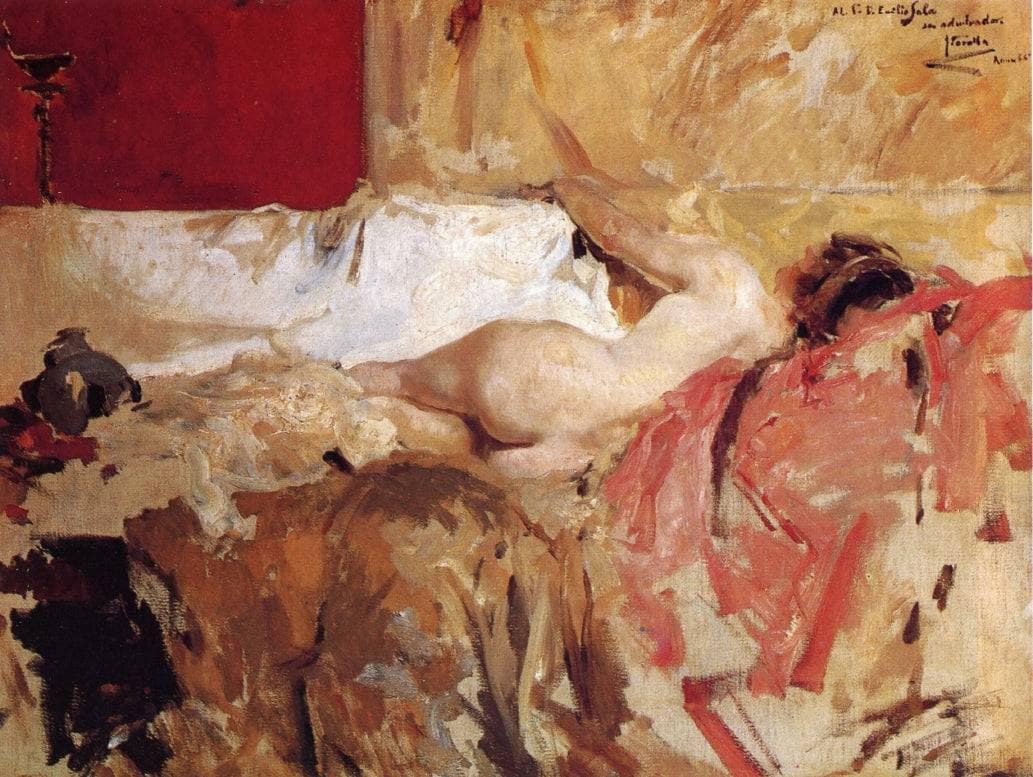
The painting "Bacchante" captures the essence of Bacchus, the Roman god of wine, revelry, and ecstasy. This figure symbolizes not only indulgence but also the celebration of life and nature. Sorolla's portrayal of Bacchus invites viewers to experience the joy and abandon associated with this deity, reflecting a deep connection to Spanish culture and its festive spirit.
Feminine Beauty: The Representation of Women in Sorolla's Work
In "Bacchante," Sorolla presents a stunning female figure, embodying grace and vitality. The representation of women in his art often highlights their strength and beauty, challenging traditional depictions. This painting showcases the feminine form in a natural, unguarded moment, celebrating the essence of womanhood and its connection to nature.
Color Palette and Technique: The Vibrant Hues of Bacchante
Sorolla's masterful use of color in "Bacchante" is a hallmark of his style. The vibrant blues, lush greens, and warm skin tones create a dynamic visual experience. His technique involves layering colors to achieve depth and luminosity, allowing the painting to radiate with life. This approach not only captures the scene's beauty but also evokes emotional responses from viewers.
The Cultural Context of Bacchante: Spain in the Early 20th Century
Art Movements: The Intersection of Impressionism and Modernism
Societal Reflections: How Bacchante Mirrors Spanish Society
The themes in "Bacchante" resonate with the cultural and social dynamics of early 20th-century Spain. The painting reflects a society in transition, embracing modernity while cherishing its rich traditions. Sorolla's celebration of life, nature, and femininity speaks to the spirit of a nation poised between the past and the future.
Visual Analysis: Composition and Elements of Bacchante
Dynamic Poses: The Movement and Energy Captured in the Painting
The composition of "Bacchante" is alive with movement. The figure's dynamic pose suggests a dance, embodying the joy and freedom associated with Bacchus. Sorolla's ability to capture motion creates an engaging visual narrative, inviting viewers to feel the energy of the scene.
Light and Shadow: Sorolla's Mastery of Natural Illumination
Sorolla's skillful manipulation of light and shadow enhances the painting's realism. The interplay of sunlight and shade adds depth, creating a three-dimensional effect. This technique not only highlights the figure's contours but also evokes the warmth of a sunlit day, immersing viewers in the experience.
Comparative Studies: Bacchante in the Context of Sorolla's Oeuvre
Similar Works: How Bacchante Relates to Other Sorolla Paintings
Legacy and Influence: Bacchante's Impact on Future Artists
The influence of "Bacchante" extends beyond Sorolla's lifetime. Its vibrant colors and emotive themes inspired countless artists, contributing to the evolution of modern art. Sorolla's ability to capture the essence of life continues to resonate, making him a pivotal figure in the art world.
Experiencing Bacchante: A Personal Reflection
First-Hand Impressions: What It Feels Like to View Bacchante
Viewing "Bacchante" is an immersive experience. The vibrant colors and dynamic composition draw you in, making you feel as if you are part of the scene. The painting's energy and warmth evoke a sense of joy and celebration, leaving a lasting impression on all who encounter it.
Emotional Resonance: The Feelings Evoked by the Painting
FAQs About Bacchante by Joaquín Sorolla
What is the historical significance of Bacchante?
What techniques did Sorolla use in Bacchante?
Sorolla employed techniques such as loose brushwork, vibrant color layering, and a keen understanding of natural light. These methods contribute to the painting's dynamic composition and emotional impact.
How does Bacchante reflect Sorolla's style?
What themes are prevalent in Bacchante?
The themes of celebration, femininity, and the beauty of nature are central to "Bacchante." The painting explores the joy of life and the connection between humanity and the natural world.
Where can I see Bacchante displayed today?
What should I know about reproducing Bacchante?
When reproducing "Bacchante," consider high-quality oil painting reproductions. These reproductions capture the texture and vibrancy of the original artwork, offering a superior alternative to standard prints.
How does the reproduction of Bacchante compare to the original?
Reproductions of "Bacchante" provide a faithful representation of the original painting's colors and details. Unlike prints, oil painting reproductions maintain the depth and richness of Sorolla's brushwork, making them a cherished addition to any art collection.
Original: $299.95
-70%$299.95
$89.98Product Information
Product Information
Shipping & Returns
Shipping & Returns
Description
Discover the Allure of Bacchante by Joaquín Sorolla: A Masterpiece of Spanish Impressionism
Unveiling the Artistic Genius of Joaquín Sorolla
Biographical Insights: The Life and Times of Sorolla
Joaquín Sorolla, born in 1863 in Valencia, Spain, emerged as one of the most celebrated Spanish painters of the early 20th century. His passion for art ignited at a young age, leading him to study at the prestigious San Carlos Academy. Sorolla's travels across Europe and the United States enriched his artistic vision, allowing him to absorb various influences that shaped his unique style.
Influences and Inspirations: What Shaped Sorolla's Art?
Sorolla drew inspiration from the vibrant colors of the Mediterranean, the play of light on water, and the beauty of everyday life. His admiration for the Impressionist movement, particularly the works of Claude Monet and Pierre-Auguste Renoir, is evident in his brushwork and use of color. Additionally, the cultural richness of Spain, with its folklore and traditions, deeply influenced his artistic expression.
Exploring Bacchante: A Deep Dive into the Painting's Themes
Symbolism of Bacchus: The God of Wine and Ecstasy
The painting "Bacchante" captures the essence of Bacchus, the Roman god of wine, revelry, and ecstasy. This figure symbolizes not only indulgence but also the celebration of life and nature. Sorolla's portrayal of Bacchus invites viewers to experience the joy and abandon associated with this deity, reflecting a deep connection to Spanish culture and its festive spirit.
Feminine Beauty: The Representation of Women in Sorolla's Work
In "Bacchante," Sorolla presents a stunning female figure, embodying grace and vitality. The representation of women in his art often highlights their strength and beauty, challenging traditional depictions. This painting showcases the feminine form in a natural, unguarded moment, celebrating the essence of womanhood and its connection to nature.
Color Palette and Technique: The Vibrant Hues of Bacchante
Sorolla's masterful use of color in "Bacchante" is a hallmark of his style. The vibrant blues, lush greens, and warm skin tones create a dynamic visual experience. His technique involves layering colors to achieve depth and luminosity, allowing the painting to radiate with life. This approach not only captures the scene's beauty but also evokes emotional responses from viewers.
The Cultural Context of Bacchante: Spain in the Early 20th Century
Art Movements: The Intersection of Impressionism and Modernism
Societal Reflections: How Bacchante Mirrors Spanish Society
The themes in "Bacchante" resonate with the cultural and social dynamics of early 20th-century Spain. The painting reflects a society in transition, embracing modernity while cherishing its rich traditions. Sorolla's celebration of life, nature, and femininity speaks to the spirit of a nation poised between the past and the future.
Visual Analysis: Composition and Elements of Bacchante
Dynamic Poses: The Movement and Energy Captured in the Painting
The composition of "Bacchante" is alive with movement. The figure's dynamic pose suggests a dance, embodying the joy and freedom associated with Bacchus. Sorolla's ability to capture motion creates an engaging visual narrative, inviting viewers to feel the energy of the scene.
Light and Shadow: Sorolla's Mastery of Natural Illumination
Sorolla's skillful manipulation of light and shadow enhances the painting's realism. The interplay of sunlight and shade adds depth, creating a three-dimensional effect. This technique not only highlights the figure's contours but also evokes the warmth of a sunlit day, immersing viewers in the experience.
Comparative Studies: Bacchante in the Context of Sorolla's Oeuvre
Similar Works: How Bacchante Relates to Other Sorolla Paintings
Legacy and Influence: Bacchante's Impact on Future Artists
The influence of "Bacchante" extends beyond Sorolla's lifetime. Its vibrant colors and emotive themes inspired countless artists, contributing to the evolution of modern art. Sorolla's ability to capture the essence of life continues to resonate, making him a pivotal figure in the art world.
Experiencing Bacchante: A Personal Reflection
First-Hand Impressions: What It Feels Like to View Bacchante
Viewing "Bacchante" is an immersive experience. The vibrant colors and dynamic composition draw you in, making you feel as if you are part of the scene. The painting's energy and warmth evoke a sense of joy and celebration, leaving a lasting impression on all who encounter it.
Emotional Resonance: The Feelings Evoked by the Painting
FAQs About Bacchante by Joaquín Sorolla
What is the historical significance of Bacchante?
What techniques did Sorolla use in Bacchante?
Sorolla employed techniques such as loose brushwork, vibrant color layering, and a keen understanding of natural light. These methods contribute to the painting's dynamic composition and emotional impact.
How does Bacchante reflect Sorolla's style?
What themes are prevalent in Bacchante?
The themes of celebration, femininity, and the beauty of nature are central to "Bacchante." The painting explores the joy of life and the connection between humanity and the natural world.
Where can I see Bacchante displayed today?
What should I know about reproducing Bacchante?
When reproducing "Bacchante," consider high-quality oil painting reproductions. These reproductions capture the texture and vibrancy of the original artwork, offering a superior alternative to standard prints.
How does the reproduction of Bacchante compare to the original?
Reproductions of "Bacchante" provide a faithful representation of the original painting's colors and details. Unlike prints, oil painting reproductions maintain the depth and richness of Sorolla's brushwork, making them a cherished addition to any art collection.