🚚 Free Worldwide Shipping on All Orders!Shop Now

HomeStore

The Relic

Product image 1

The Relic

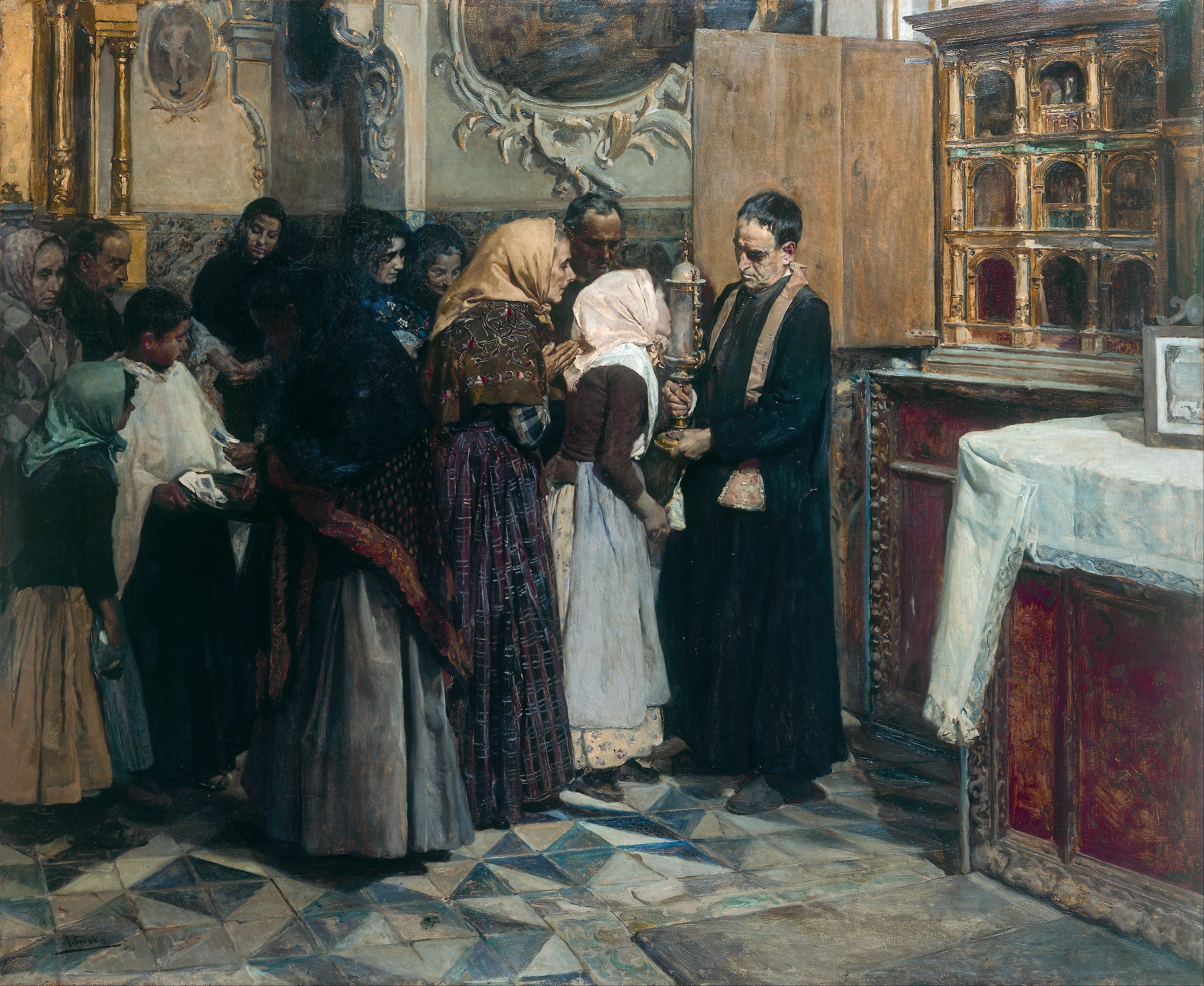
Discovering Joaquín Sorolla's Masterpiece: The Relic

Artistic Context: The Spanish Impressionist Movement

Influences on Joaquín Sorolla's Artistic Style

Joaquín Sorolla, a prominent figure in the Spanish Impressionist movement, drew inspiration from various sources. His travels across Spain and exposure to the vibrant Mediterranean light shaped his unique style. Influenced by the works of Claude Monet and Pierre-Auguste Renoir, Sorolla embraced the use of color and light to evoke emotion. His deep connection to Spanish culture and landscapes is evident in "The Relic," where he captures the essence of his homeland.

Key Characteristics of Impressionism in The Relic

In "The Relic," Sorolla employs key characteristics of Impressionism, such as loose brushwork and a focus on natural light. The painting showcases his ability to depict fleeting moments, creating a sense of immediacy. The interplay of light and shadow adds depth, while the vibrant colors reflect the warmth of the Spanish sun. This masterpiece exemplifies how Sorolla transformed traditional themes into dynamic visual experiences.

Visual Analysis: Elements of The Relic

Color Palette: The Vibrant Hues of Sorolla

Sorolla's color palette in "The Relic" is a stunning array of vibrant hues. Rich golds, deep blues, and soft whites create a harmonious balance. The use of complementary colors enhances the emotional impact of the scene. Each brushstroke contributes to the overall luminosity, inviting viewers to immerse themselves in the painting's atmosphere.

Brushwork Techniques: Capturing Light and Texture

Sorolla's masterful brushwork techniques shine in "The Relic." He skillfully layers paint to create texture, giving life to the figures and surroundings. His ability to capture the play of light on surfaces is remarkable. The dynamic brushstrokes convey movement, making the scene feel alive and engaging.

Composition: The Arrangement of Figures and Space

The composition of "The Relic" is thoughtfully arranged, guiding the viewer's eye through the painting. The placement of figures creates a sense of balance and harmony. Sorolla's use of negative space enhances the focal points, allowing the viewer to appreciate the intricate details of the characters and their surroundings.

Thematic Exploration: Symbolism in The Relic

Religious Undertones: The Significance of the Cross

"The Relic" carries profound religious undertones, particularly through the prominent depiction of the cross. This symbol represents faith, sacrifice, and redemption. Sorolla's choice to include this element invites viewers to reflect on the spiritual significance of the scene, adding layers of meaning to the artwork.

Emotional Resonance: The Expressions of the Figures

The figures in "The Relic" exhibit a range of emotions, from contemplation to reverence. Sorolla captures the subtleties of human expression, allowing viewers to connect with the characters on a personal level. This emotional resonance enhances the painting's impact, making it a powerful visual narrative.

Nature and Spirituality: The Role of the Landscape

The landscape in "The Relic" plays a crucial role in conveying themes of nature and spirituality. The lush greenery and serene backdrop create a tranquil setting that complements the spiritual message. Sorolla's ability to intertwine the natural world with human experience enriches the narrative, inviting contemplation.

Historical Significance: The Relic in Sorolla's Career

Exhibitions and Reception: How The Relic Was Received

"The Relic" was first exhibited in 1911 and received critical acclaim. Art critics praised Sorolla's innovative approach to light and color. The painting solidified his reputation as a leading figure in the art world, showcasing his ability to blend traditional themes with modern techniques.

Influence on Future Generations of Artists

Sorolla's work, including "The Relic," has influenced countless artists. His techniques in capturing light and emotion have inspired both Impressionists and contemporary painters. The legacy of "The Relic" continues to resonate, encouraging artists to explore the interplay of light, color, and human experience.

Personal Insights: Experiencing The Relic

First-Hand Impressions: Viewing The Relic in Person

Experiencing "The Relic" in person is a transformative experience. The scale of the painting and the vibrancy of the colors draw viewers in. Standing before this masterpiece allows one to appreciate the intricate details and the emotional depth Sorolla infused into the work.

Emotional Impact: What The Relic Evokes in Viewers

"The Relic" evokes a profound emotional response. Viewers often feel a sense of peace and reflection when engaging with the painting. The combination of religious symbolism and the beauty of the landscape creates a meditative atmosphere, inviting contemplation and introspection.

Comparative Analysis: The Relic and Other Works by Sorolla

Similar Themes in Sorolla's Art

Similar themes of spirituality and nature appear in other works by Sorolla, such as "The Garden of the Sorolla House." Both paintings explore the relationship between humanity and the divine, showcasing Sorolla's consistent focus on these profound subjects.

Contrasting Techniques: The Relic vs. Other Notable Paintings

While "The Relic" highlights Sorolla's Impressionist techniques, other works like "The Beach at Valencia" showcase his ability to capture movement and light in different contexts. The contrast between these paintings illustrates Sorolla's versatility as an artist, adapting his style to convey various themes and emotions.

FAQs About The Relic by Joaquín Sorolla

What is the story behind The Relic painting?

"The Relic" tells a story of faith and reflection, capturing a moment of spiritual significance. The figures in the painting engage with the cross, symbolizing their connection to a higher power.

What techniques did Joaquín Sorolla use in The Relic?

Sorolla used oil on canvas, employing techniques such as loose brushwork and a vibrant color palette to capture light and emotion effectively.

How does The Relic reflect Sorolla's artistic evolution?

"The Relic" reflects Sorolla's evolution as an artist, showcasing his mastery of light and color while deepening his exploration of spiritual themes.

What are the main themes depicted in The Relic?

The main themes in "The Relic" include spirituality, nature, and human emotion, all intertwined to create a powerful narrative.

Where can I view The Relic in person?

You can view "The Relic" at the Museo del Prado in Madrid, Spain, where it is part of their esteemed collection of Sorolla's works.

What should I know about reproducing The Relic?

When reproducing "The Relic," it's essential to focus on capturing the vibrant colors and intricate details that define Sorolla's style. High-quality oil painting reproductions offer a superior alternative to prints, providing a more authentic representation of the original artwork.

How does the reproduction of The Relic compare to the original?

Reproductions of "The Relic" can closely mimic the original's colors and textures, allowing art lovers to enjoy Sorolla's masterpiece in their own homes. Unlike prints, which can lack depth and vibrancy, oil painting reproductions bring the artwork to life, making them a cherished addition to any art collection.
Select Size
From $89.98

Original: $299.95

-70%
The Relic

$299.95

$89.98

Product Information

Shipping & Returns

Description

Discovering Joaquín Sorolla's Masterpiece: The Relic

Artistic Context: The Spanish Impressionist Movement

Influences on Joaquín Sorolla's Artistic Style

Joaquín Sorolla, a prominent figure in the Spanish Impressionist movement, drew inspiration from various sources. His travels across Spain and exposure to the vibrant Mediterranean light shaped his unique style. Influenced by the works of Claude Monet and Pierre-Auguste Renoir, Sorolla embraced the use of color and light to evoke emotion. His deep connection to Spanish culture and landscapes is evident in "The Relic," where he captures the essence of his homeland.

Key Characteristics of Impressionism in The Relic

In "The Relic," Sorolla employs key characteristics of Impressionism, such as loose brushwork and a focus on natural light. The painting showcases his ability to depict fleeting moments, creating a sense of immediacy. The interplay of light and shadow adds depth, while the vibrant colors reflect the warmth of the Spanish sun. This masterpiece exemplifies how Sorolla transformed traditional themes into dynamic visual experiences.

Visual Analysis: Elements of The Relic

Color Palette: The Vibrant Hues of Sorolla

Sorolla's color palette in "The Relic" is a stunning array of vibrant hues. Rich golds, deep blues, and soft whites create a harmonious balance. The use of complementary colors enhances the emotional impact of the scene. Each brushstroke contributes to the overall luminosity, inviting viewers to immerse themselves in the painting's atmosphere.

Brushwork Techniques: Capturing Light and Texture

Sorolla's masterful brushwork techniques shine in "The Relic." He skillfully layers paint to create texture, giving life to the figures and surroundings. His ability to capture the play of light on surfaces is remarkable. The dynamic brushstrokes convey movement, making the scene feel alive and engaging.

Composition: The Arrangement of Figures and Space

The composition of "The Relic" is thoughtfully arranged, guiding the viewer's eye through the painting. The placement of figures creates a sense of balance and harmony. Sorolla's use of negative space enhances the focal points, allowing the viewer to appreciate the intricate details of the characters and their surroundings.

Thematic Exploration: Symbolism in The Relic

Religious Undertones: The Significance of the Cross

"The Relic" carries profound religious undertones, particularly through the prominent depiction of the cross. This symbol represents faith, sacrifice, and redemption. Sorolla's choice to include this element invites viewers to reflect on the spiritual significance of the scene, adding layers of meaning to the artwork.

Emotional Resonance: The Expressions of the Figures

The figures in "The Relic" exhibit a range of emotions, from contemplation to reverence. Sorolla captures the subtleties of human expression, allowing viewers to connect with the characters on a personal level. This emotional resonance enhances the painting's impact, making it a powerful visual narrative.

Nature and Spirituality: The Role of the Landscape

The landscape in "The Relic" plays a crucial role in conveying themes of nature and spirituality. The lush greenery and serene backdrop create a tranquil setting that complements the spiritual message. Sorolla's ability to intertwine the natural world with human experience enriches the narrative, inviting contemplation.

Historical Significance: The Relic in Sorolla's Career

Exhibitions and Reception: How The Relic Was Received

"The Relic" was first exhibited in 1911 and received critical acclaim. Art critics praised Sorolla's innovative approach to light and color. The painting solidified his reputation as a leading figure in the art world, showcasing his ability to blend traditional themes with modern techniques.

Influence on Future Generations of Artists

Sorolla's work, including "The Relic," has influenced countless artists. His techniques in capturing light and emotion have inspired both Impressionists and contemporary painters. The legacy of "The Relic" continues to resonate, encouraging artists to explore the interplay of light, color, and human experience.

Personal Insights: Experiencing The Relic

First-Hand Impressions: Viewing The Relic in Person

Experiencing "The Relic" in person is a transformative experience. The scale of the painting and the vibrancy of the colors draw viewers in. Standing before this masterpiece allows one to appreciate the intricate details and the emotional depth Sorolla infused into the work.

Emotional Impact: What The Relic Evokes in Viewers

"The Relic" evokes a profound emotional response. Viewers often feel a sense of peace and reflection when engaging with the painting. The combination of religious symbolism and the beauty of the landscape creates a meditative atmosphere, inviting contemplation and introspection.

Comparative Analysis: The Relic and Other Works by Sorolla

Similar Themes in Sorolla's Art

Similar themes of spirituality and nature appear in other works by Sorolla, such as "The Garden of the Sorolla House." Both paintings explore the relationship between humanity and the divine, showcasing Sorolla's consistent focus on these profound subjects.

Contrasting Techniques: The Relic vs. Other Notable Paintings

While "The Relic" highlights Sorolla's Impressionist techniques, other works like "The Beach at Valencia" showcase his ability to capture movement and light in different contexts. The contrast between these paintings illustrates Sorolla's versatility as an artist, adapting his style to convey various themes and emotions.

FAQs About The Relic by Joaquín Sorolla

What is the story behind The Relic painting?

"The Relic" tells a story of faith and reflection, capturing a moment of spiritual significance. The figures in the painting engage with the cross, symbolizing their connection to a higher power.

What techniques did Joaquín Sorolla use in The Relic?

Sorolla used oil on canvas, employing techniques such as loose brushwork and a vibrant color palette to capture light and emotion effectively.

How does The Relic reflect Sorolla's artistic evolution?

"The Relic" reflects Sorolla's evolution as an artist, showcasing his mastery of light and color while deepening his exploration of spiritual themes.

What are the main themes depicted in The Relic?

The main themes in "The Relic" include spirituality, nature, and human emotion, all intertwined to create a powerful narrative.

Where can I view The Relic in person?

You can view "The Relic" at the Museo del Prado in Madrid, Spain, where it is part of their esteemed collection of Sorolla's works.

What should I know about reproducing The Relic?

When reproducing "The Relic," it's essential to focus on capturing the vibrant colors and intricate details that define Sorolla's style. High-quality oil painting reproductions offer a superior alternative to prints, providing a more authentic representation of the original artwork.

How does the reproduction of The Relic compare to the original?

Reproductions of "The Relic" can closely mimic the original's colors and textures, allowing art lovers to enjoy Sorolla's masterpiece in their own homes. Unlike prints, which can lack depth and vibrancy, oil painting reproductions bring the artwork to life, making them a cherished addition to any art collection.

You may also like

-70%NEW
Thumbnail 1

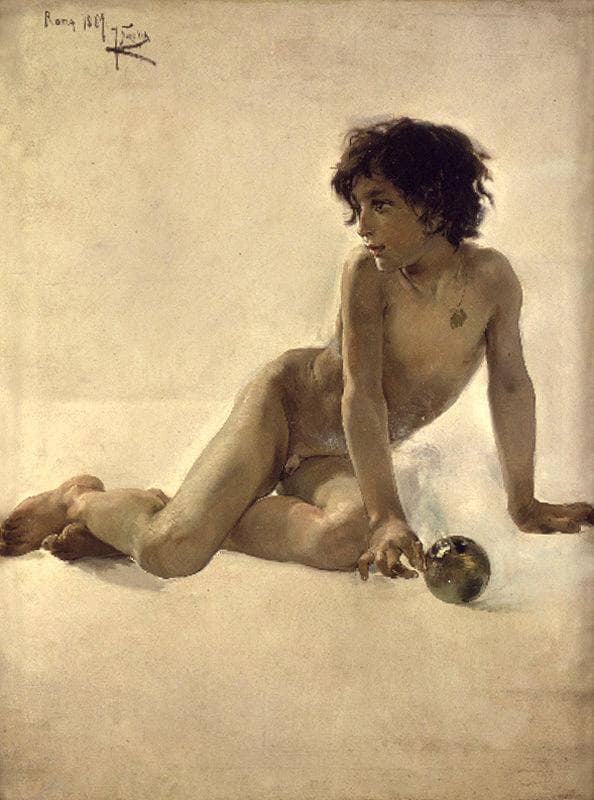
Boy with a ball

$299.95

$89.98

-70%NEW
Thumbnail 1

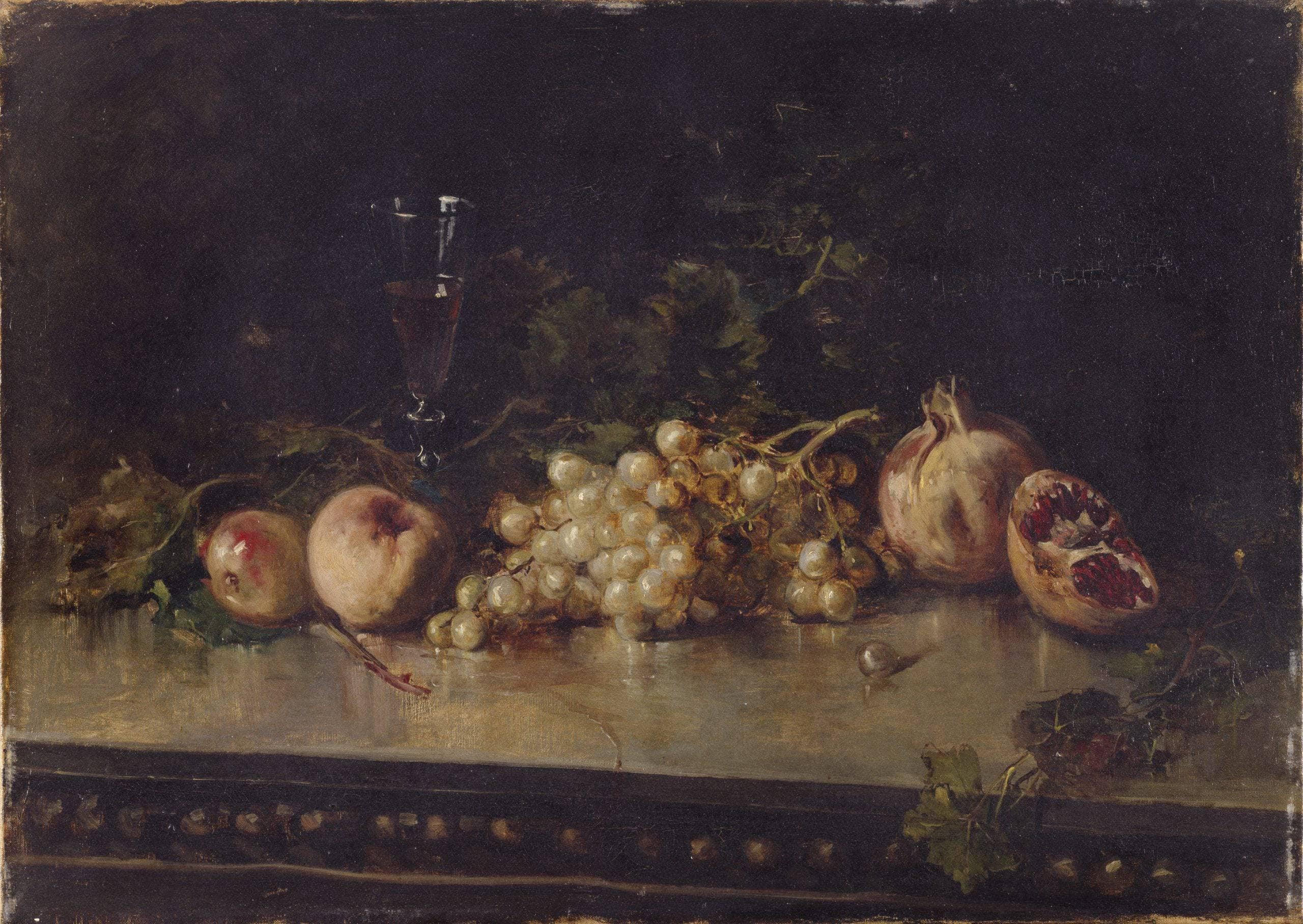
Still life

$529.95

$158.99

-70%NEW
Thumbnail 1

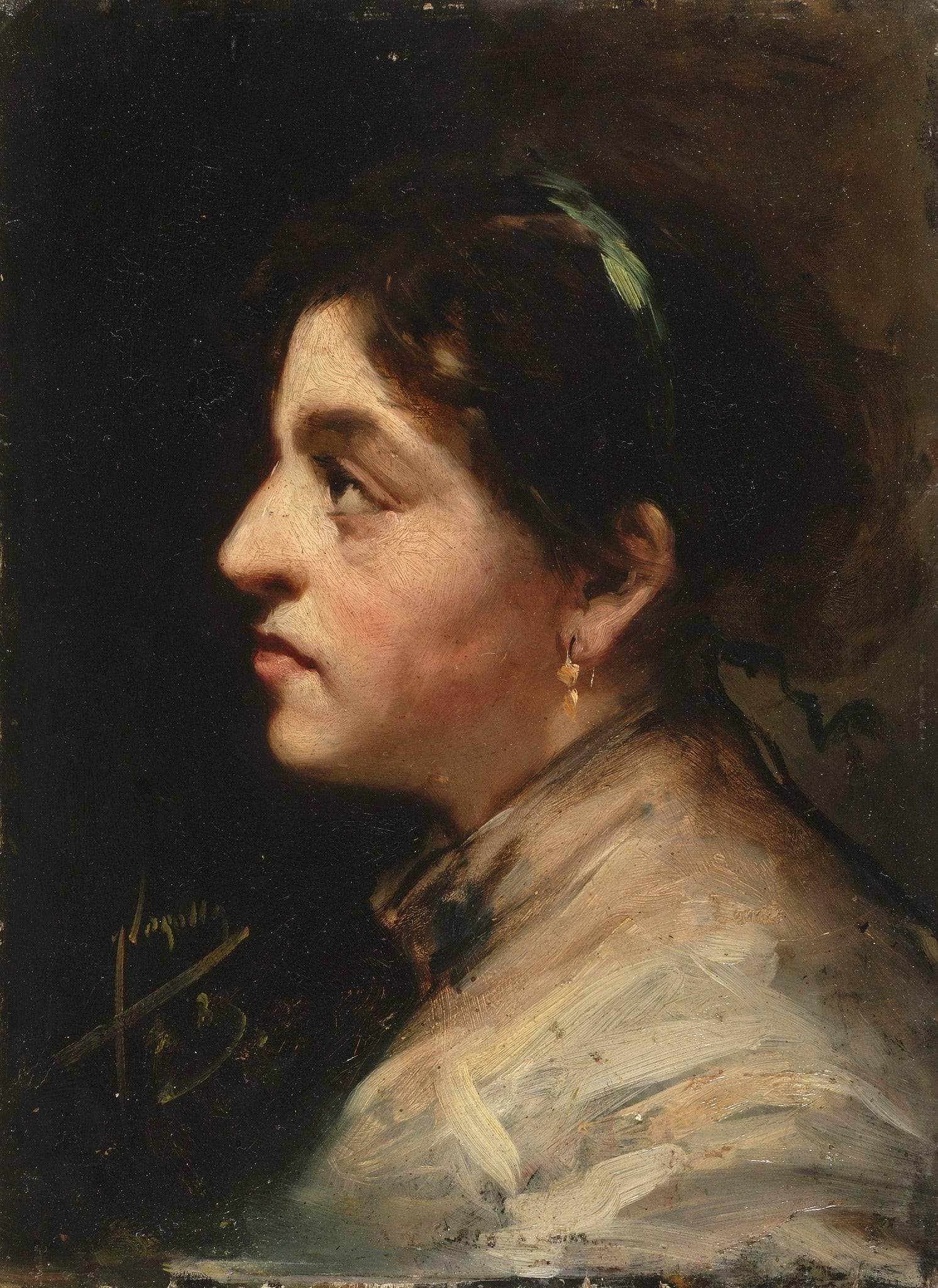
The painter's sister

$359.95

$107.98

NEW
Thumbnail 1

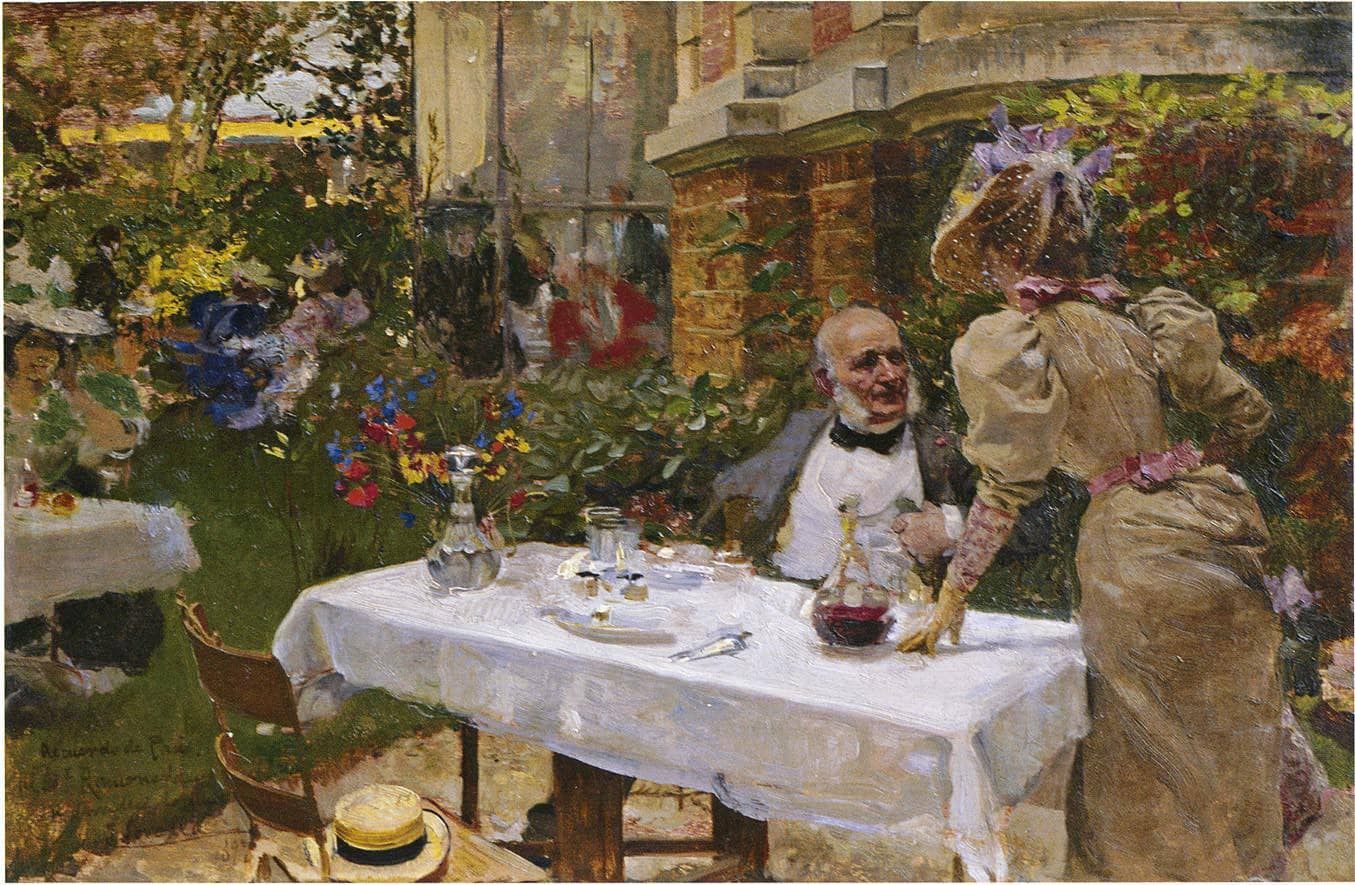
Cafe in Paris

$299.95

NEW
Thumbnail 1

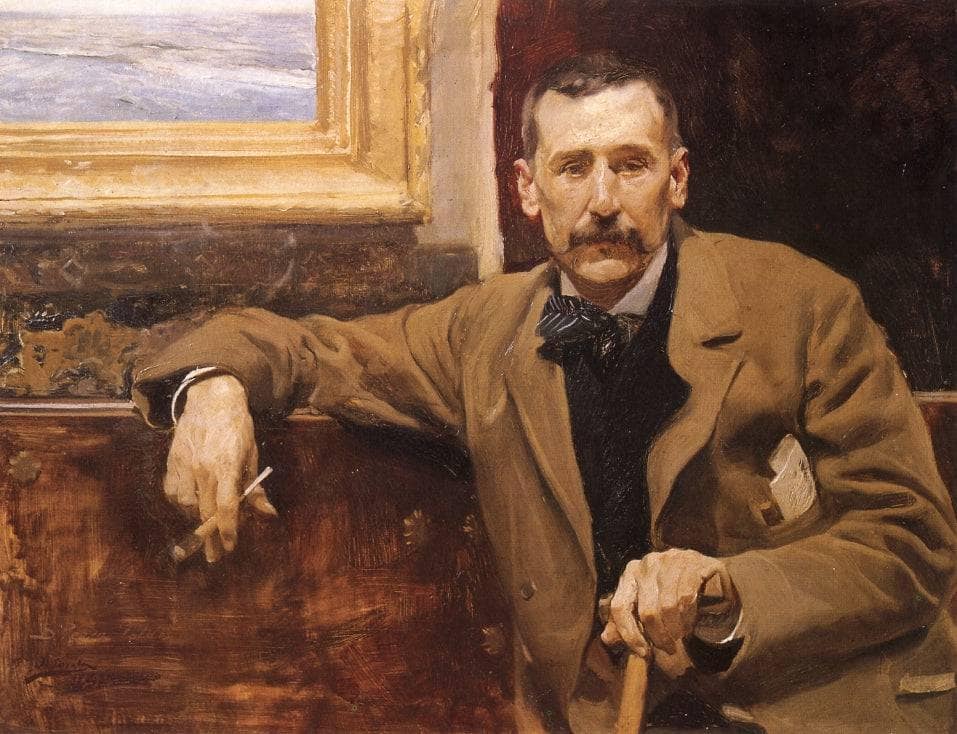
Benito Perez Galdos

$299.95

-70%NEW
Thumbnail 1

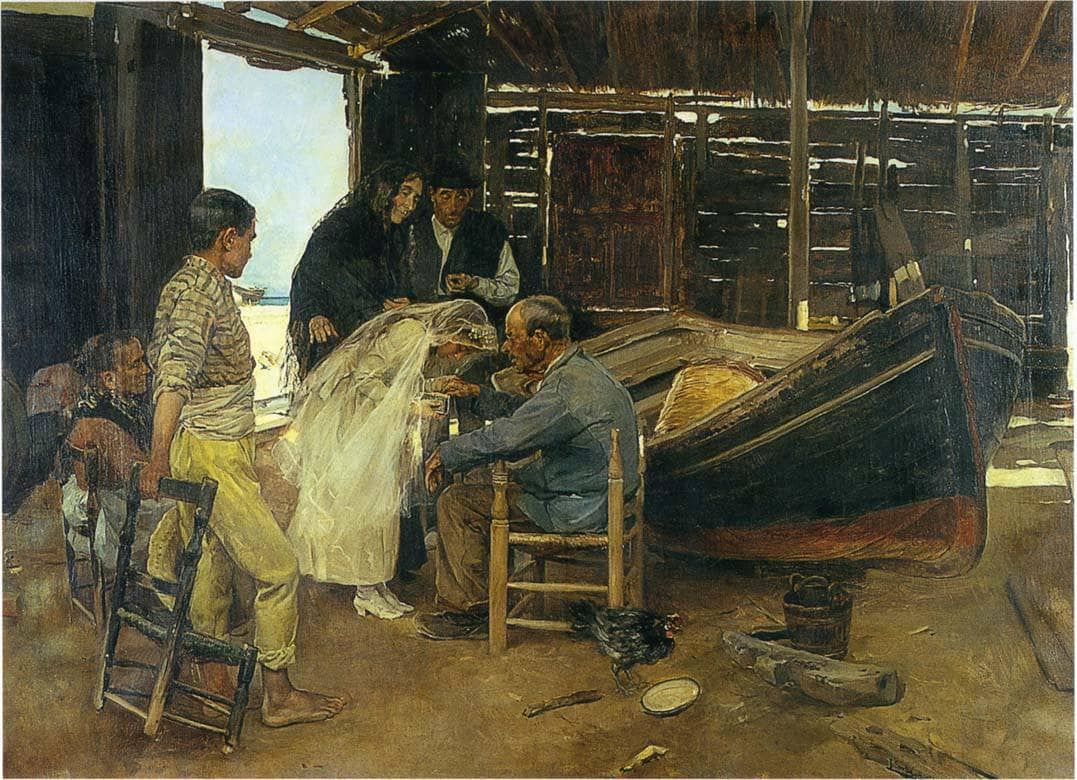
The happy day

$299.95

$89.98

-70%NEW
Thumbnail 1

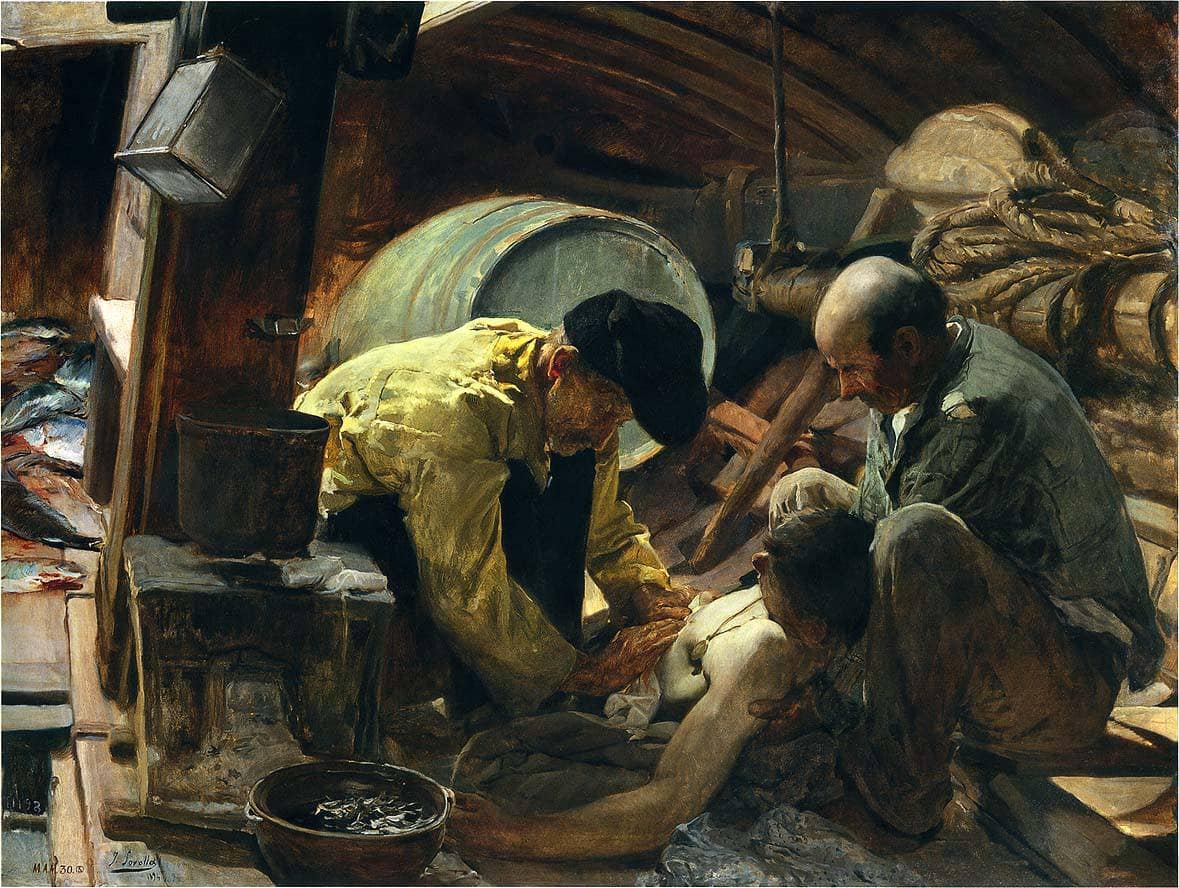
They Still Say that Fish is Expensive!

$299.95

$89.98

-70%NEW
Thumbnail 1

Guitar Players, Valencia

$299.95

$89.98

-70%NEW
Thumbnail 1

Bacchante

$299.95

$89.98

-70%NEW
Thumbnail 1

Portrait of a Caballero

$299.95

$89.98

-70%NEW
Thumbnail 1

Peeling Potatoes

$249.95

$74.98