🚚 Free Worldwide Shipping on All Orders!Shop Now

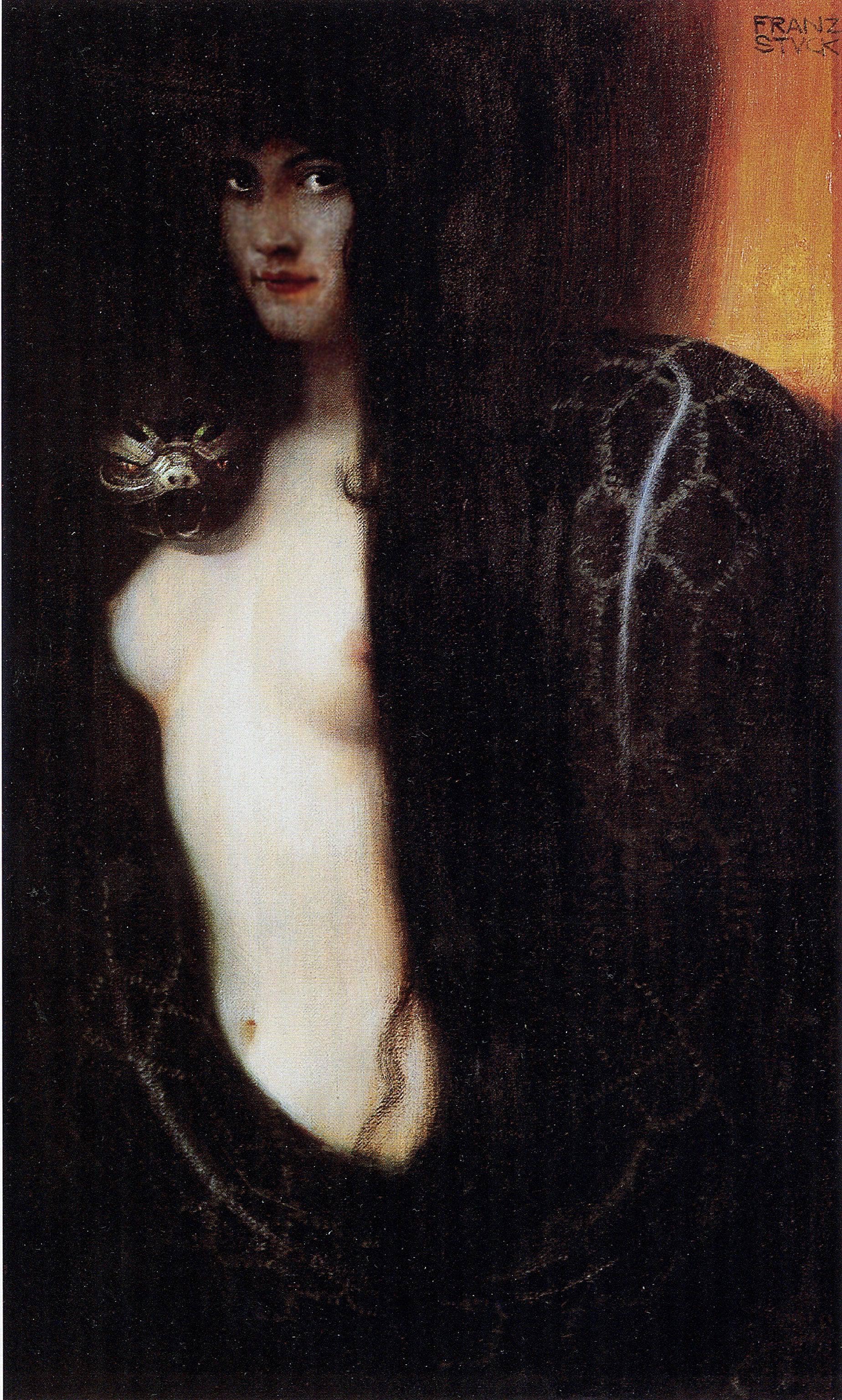
The Sin
The Sin by Franz Stuck: A Deep Dive into Symbolism and Emotion
Understanding the Artistic Vision of Franz Stuck
Franz Stuck: The Pioneer of Symbolism in Art
Franz Stuck, a prominent figure in the Symbolist movement, was known for his ability to blend mythological themes with psychological depth. His works often explore the darker aspects of human nature, making him a key player in the transition from 19th-century Romanticism to 20th-century Modernism. Stuck's unique vision paved the way for future artists to delve into the complexities of desire and morality.Exploring Stuck's Unique Style and Techniques
Stuck's style is characterized by bold lines, intricate details, and a masterful use of color. He employed a technique that combined traditional oil painting with innovative approaches to texture and form. His ability to create a sense of movement within still images is particularly evident in "The Sin," where the figures seem to pulse with life and emotion.The Sin: An Overview of the Painting's Themes
Symbolism of Temptation and Desire in The Sin
"The Sin" encapsulates the themes of temptation and desire, drawing viewers into a world where moral boundaries blur. The painting serves as a visual allegory for the struggle between virtue and vice, inviting interpretations that resonate with the human experience of longing and regret.The Role of the Female Figure: Seduction and Power
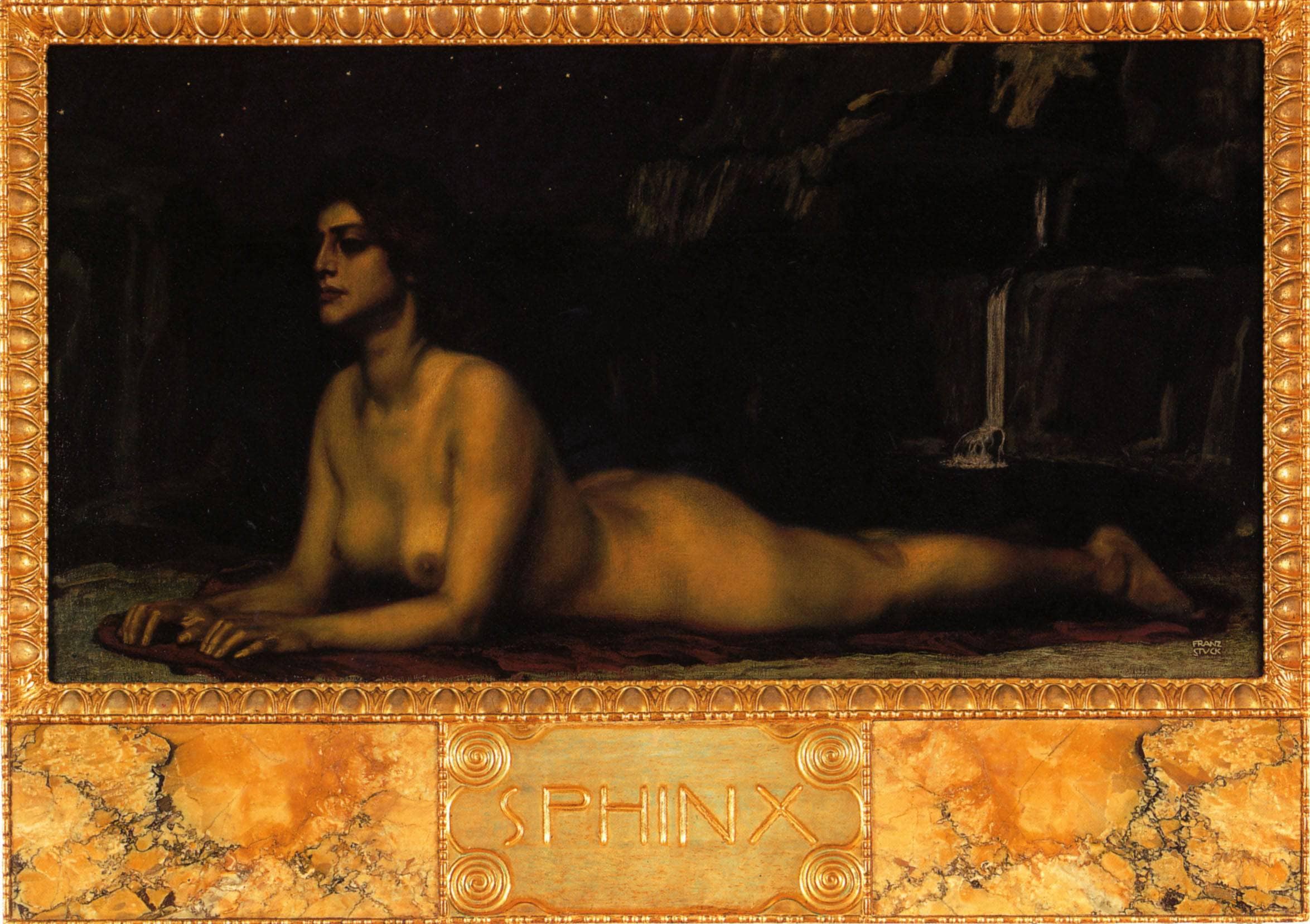
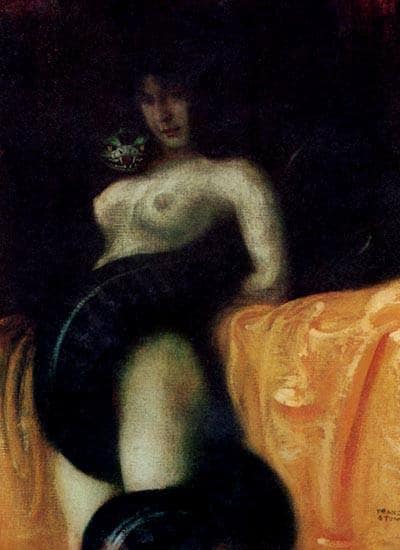
At the center of "The Sin" is a captivating female figure, embodying both seduction and power. She represents the archetype of femme fatale, a common motif in Symbolist art. Her gaze and posture suggest an alluring yet dangerous presence, challenging the viewer to confront their own desires and fears.Contrasting Light and Shadow: A Study in Duality
Stuck's use of light and shadow in "The Sin" creates a dramatic tension that enhances the painting's emotional impact. The interplay of illumination and darkness symbolizes the duality of human nature, reflecting the constant battle between enlightenment and ignorance, pleasure and pain.Visual Elements and Composition of The Sin
Color Palette: The Emotional Impact of Rich Hues
The color palette of "The Sin" is rich and evocative, featuring deep reds, lush greens, and striking golds. These colors not only draw the eye but also evoke a visceral emotional response, enhancing the themes of passion and temptation that permeate the artwork.Dynamic Composition: Movement and Stillness in the Artwork
Stuck's composition in "The Sin" is both dynamic and balanced. The arrangement of figures and elements creates a sense of movement, while the careful placement of the female figure anchors the scene. This balance between chaos and calm invites viewers to explore the narrative unfolding within the painting.Textural Details: The Use of Oil Paint to Convey Depth
The oil paint technique used in "The Sin" adds a remarkable depth and richness to the artwork. Stuck's brushwork creates textures that invite touch, making the viewer feel as if they can reach into the painting. This tactile quality enhances the overall sensory experience of the piece.The Historical Context of The Sin
Art Nouveau and Its Influence on Stuck's Work
"The Sin" was created during the height of the Art Nouveau movement, which emphasized organic forms and intricate designs. Stuck's work reflects these ideals, incorporating flowing lines and natural motifs that resonate with the aesthetic of the time.The Cultural Climate of Early 20th Century Europe
The early 20th century was a period of great change in Europe, marked by rapid industrialization and shifting social norms. Stuck's art captures the tension of this era, exploring themes of morality and existential angst that were prevalent in the cultural discourse of the time.Stuck's Place in the Munich Secession Movement
Franz Stuck was a founding member of the Munich Secession, a group that sought to break away from traditional academic art. His contributions to this movement helped redefine artistic expression in Germany, making "The Sin" a significant work within this revolutionary context.Interpreting The Sin: Viewer Perspectives and Reactions
Emotional Responses: How The Sin Resonates with Audiences
Viewers often report a profound emotional response to "The Sin." The painting's exploration of temptation and desire resonates deeply, prompting reflections on personal experiences and moral dilemmas. This connection makes the artwork timeless and universally relatable.Critical Reception: Art Critics' Views on The Sin
Art critics have praised "The Sin" for its bold themes and striking visual elements. Many highlight Stuck's ability to convey complex emotions through his use of color and composition. The painting has been recognized as a pivotal work that encapsulates the essence of Symbolism.Personal Reflections: First-Hand Experiences with the Painting
Visitors to galleries featuring "The Sin" often describe a sense of awe when encountering the painting. The intricate details and emotional depth invite viewers to linger, encouraging personal interpretations and reflections on the nature of sin and redemption.Legacy of The Sin: Impact on Modern Art and Culture
Influence on Contemporary Artists and Movements
"The Sin" has left a lasting impact on contemporary artists, inspiring new generations to explore themes of desire and morality. Its influence can be seen in various art movements that continue to challenge societal norms and explore the human condition.The Sin in Popular Culture: References and Adaptations
The themes of "The Sin" have permeated popular culture, appearing in literature, film, and music. Its exploration of temptation and the human psyche resonates with audiences, making it a relevant reference point in discussions about morality and desire.FAQs about The Sin by Franz Stuck
What is the main theme of The Sin by Franz Stuck?
The main theme of "The Sin" revolves around temptation and desire, exploring the moral complexities of human nature.How does The Sin reflect the Symbolist movement?
"The Sin" embodies the Symbolist movement through its use of allegory, emotional depth, and exploration of psychological themes.What techniques did Franz Stuck use in The Sin?
Stuck employed oil painting techniques, utilizing rich colors and dynamic compositions to convey movement and emotion.What emotions does The Sin evoke in viewers?
Viewers often feel a mix of intrigue, desire, and contemplation when engaging with "The Sin," prompting personal reflections on morality.How has The Sin been received by art critics over time?
Art critics have consistently praised "The Sin" for its bold themes and striking visual elements, recognizing it as a significant work in the Symbolist canon.What are the key elements that make The Sin a significant artwork?
Key elements include its exploration of temptation, the powerful female figure, and the masterful use of color and composition.How can I appreciate The Sin in a modern context?
To appreciate "The Sin" today, consider its themes of desire and morality, and reflect on how they relate to contemporary societal issues.FAQs about The Sin Painting Reproduction
What should I consider when purchasing a reproduction of The Sin?
When purchasing a reproduction of "The Sin," consider the quality of materials, the accuracy of colors, and the craftsmanship involved in the reproduction process.How can I display a reproduction of The Sin in my home?
Display your reproduction of "The Sin" in a well-lit area, using a frame that complements the artwork. Consider placing it in a space where it can spark conversation.Are there different styles of reproductions available for The Sin?
Yes, reproductions of "The Sin" come in various styles, including canvas prints, framed options, and high-quality oil painting reproductions that capture the original's essence.Select Size
From $89.98
Original: $299.95
-70%The Sin—
$299.95
$89.98Product Information
Product Information
Shipping & Returns
Shipping & Returns