🚚 Free Worldwide Shipping on All Orders!Shop Now

Sphinx
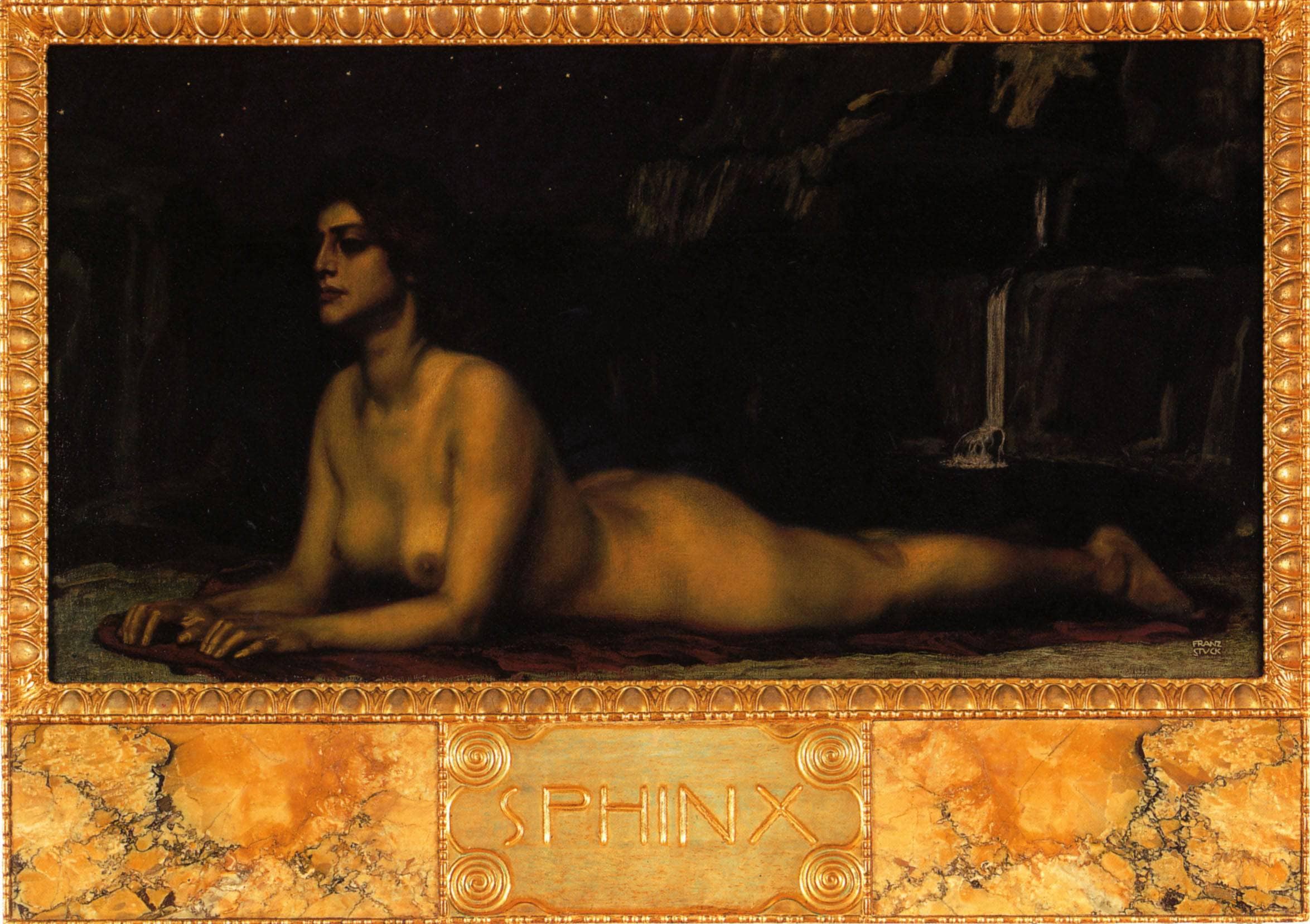
Exploring the Enigmatic Beauty of Sphinx by Franz Stuck
Franz Stuck: The Visionary Behind the Sphinx
Biographical Insights into Franz Stuck's Artistic Journey
Franz Stuck, born in 1863 in Germany, was a multifaceted artist known for his painting, sculpture, and architecture. He studied at the Academy of Fine Arts in Munich, where he developed a unique style that blended symbolism and expressionism. Stuck's work often reflected his fascination with mythological themes and the human psyche. His painting "Sphinx," created in 1895, showcases his mastery of color and form, making it a pivotal piece in his oeuvre.Influences and Inspirations Shaping Stuck's Work
Stuck drew inspiration from various sources, including classical mythology, literature, and the burgeoning Symbolist movement. Artists like Gustave Moreau and Odilon Redon influenced his approach to symbolism. The Sphinx, a creature from ancient Egyptian mythology, symbolizes mystery and enigma, which resonated deeply with Stuck's artistic vision. His exposure to the works of Richard Wagner also played a significant role in shaping his thematic choices.The Allure of Symbolism in Sphinx
Decoding the Symbolic Elements in the Painting
"Sphinx" is rich with symbolic elements that invite interpretation. The Sphinx itself represents the duality of beauty and danger, embodying both allure and threat. The figure's gaze captivates yet intimidates, reflecting the complexities of desire and fear. Stuck's use of the Sphinx serves as a metaphor for the unknown, urging viewers to confront their own fears and curiosities.The Role of Mythology in Stuck's Artistic Expression
Mythology plays a crucial role in Stuck's work, particularly in "Sphinx." The Sphinx, often associated with riddles and challenges, symbolizes the struggle between knowledge and ignorance. Stuck's portrayal invites viewers to explore the depths of their own understanding. This connection to mythology enhances the painting's emotional resonance, making it a timeless piece that speaks to the human experience.Visual Analysis: Composition and Color Palette
Understanding the Use of Light and Shadow in Sphinx
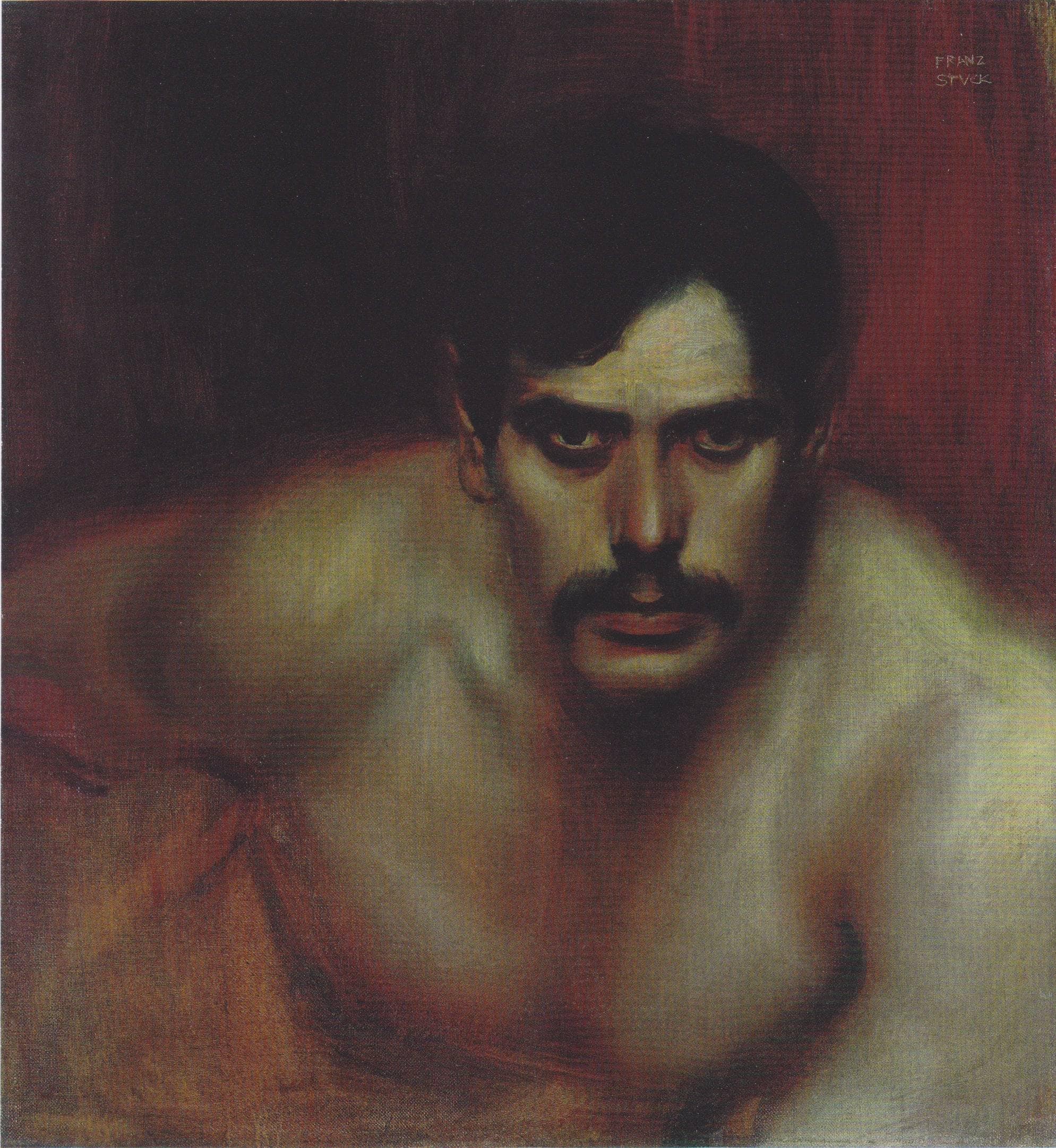
Stuck's "Sphinx" showcases a masterful interplay of light and shadow. The dramatic contrasts create a sense of depth and dimension, drawing the viewer's eye to the central figure. The use of chiaroscuro enhances the mysterious atmosphere, emphasizing the Sphinx's enigmatic presence. This technique not only highlights the figure but also evokes a sense of intrigue and suspense.Color Theory: The Emotional Impact of Stuck's Palette
The color palette in "Sphinx" is both vibrant and haunting. Rich hues of deep blues and golds evoke a sense of opulence, while muted tones add an air of melancholy. Stuck's strategic use of color elicits emotional responses, guiding viewers through a journey of fascination and unease. The colors work harmoniously to enhance the painting's overall impact, making it a striking visual experience.Thematic Exploration: The Intersection of Beauty and Danger
Analyzing the Duality of the Sphinx's Representation
In "Sphinx," Stuck explores the duality of beauty and danger. The Sphinx's alluring form captivates, yet its fierce expression warns of potential peril. This tension reflects the complexities of human desire, where beauty often masks underlying threats. Stuck's portrayal encourages viewers to question their perceptions of beauty and the risks that accompany it.How Sphinx Reflects the Tension Between Nature and Civilization
The Sphinx serves as a bridge between nature and civilization in Stuck's work. It embodies the primal instincts of humanity while existing within a structured artistic framework. This juxtaposition highlights the ongoing struggle between the natural world and human society. Stuck's "Sphinx" invites contemplation on how these forces interact and shape our existence.Historical Context: The Art Movement of Symbolism
Franz Stuck's Role in the Symbolist Movement
Franz Stuck was a key figure in the Symbolist movement, which sought to express ideas and emotions through symbolic imagery. His work, including "Sphinx," exemplifies the movement's focus on the inner workings of the mind and the exploration of dreams and fantasies. Stuck's contributions helped define the aesthetic of Symbolism, making him a pivotal artist of the late 19th century.Comparative Analysis: Sphinx and Other Symbolist Works
When compared to other Symbolist works, "Sphinx" stands out for its unique blend of mythological themes and psychological depth. Artists like Gustave Moreau and Paul Gauguin also explored similar themes, but Stuck's approach is distinct in its dramatic use of color and form. This comparison highlights Stuck's innovative contributions to the Symbolist movement and his lasting impact on art history.Artistic Techniques: Brushwork and Texture in Sphinx
Examining Stuck's Unique Painting Techniques
Stuck employed a variety of techniques to create texture and depth in "Sphinx." His brushwork ranges from smooth, flowing strokes to more textured applications, adding dimension to the figure. This variety enhances the painting's visual interest and invites viewers to explore its surface. Stuck's attention to detail showcases his technical skill and artistic vision.The Impact of Texture on the Viewer's Experience
The texture in "Sphinx" plays a crucial role in shaping the viewer's experience. The tactile quality of the paint draws the eye and encourages closer inspection. This engagement allows viewers to appreciate the nuances of Stuck's technique, deepening their connection to the artwork. The interplay of texture and color creates a dynamic visual experience that lingers in the mind.Legacy and Influence: Sphinx in Modern Art
How Sphinx Continues to Inspire Contemporary Artists
"Sphinx" remains a source of inspiration for contemporary artists exploring themes of mythology and symbolism. Its exploration of beauty and danger resonates with modern audiences, prompting new interpretations and creative expressions. Stuck's innovative techniques and thematic depth continue to influence artists across various mediums, ensuring the painting's relevance in today's art world.The Painting's Place in Art History and Cultural Discourse
In art history, "Sphinx" occupies a significant place within the Symbolist movement. It reflects the cultural discourse of the late 19th century, where artists sought to express complex emotions and ideas. Stuck's work challenges viewers to confront their own perceptions of beauty, danger, and the unknown. This ongoing dialogue solidifies "Sphinx" as a vital piece in the narrative of modern art.Frequently Asked Questions about Sphinx by Franz Stuck
What is the story behind the Sphinx in the painting?
The Sphinx in Stuck's painting symbolizes the duality of beauty and danger, inviting viewers to explore the complexities of desire and fear.What are the main themes explored in Sphinx?
"Sphinx" explores themes of mythology, the tension between nature and civilization, and the duality of beauty and danger.How does Sphinx reflect the artistic style of the late 19th century?
The painting embodies the Symbolist movement's focus on emotional depth, mythological themes, and innovative techniques, characteristic of late 19th-century art.What techniques did Franz Stuck use to create depth in Sphinx?
Stuck utilized chiaroscuro, varied brushwork, and a rich color palette to create depth and dimension in "Sphinx."Why is Sphinx considered a significant work in Symbolism?
"Sphinx" is significant for its exploration of complex themes, innovative techniques, and its role in defining the Symbolist movement.What should I know about the reproduction of Sphinx?
Art reproductions of "Sphinx" offer a superior alternative to prints, capturing the intricate details and textures of Stuck's original work.How can I appreciate the details in a reproduction of Sphinx?
To appreciate the details in a reproduction, observe the texture, color variations, and brushwork closely, allowing the artwork's depth to unfold before you.Select Size
From $89.98
Original: $299.95
-70%Sphinx—
$299.95
$89.98Product Information
Product Information
Shipping & Returns
Shipping & Returns