🚚 Free Worldwide Shipping on All Orders!Shop Now

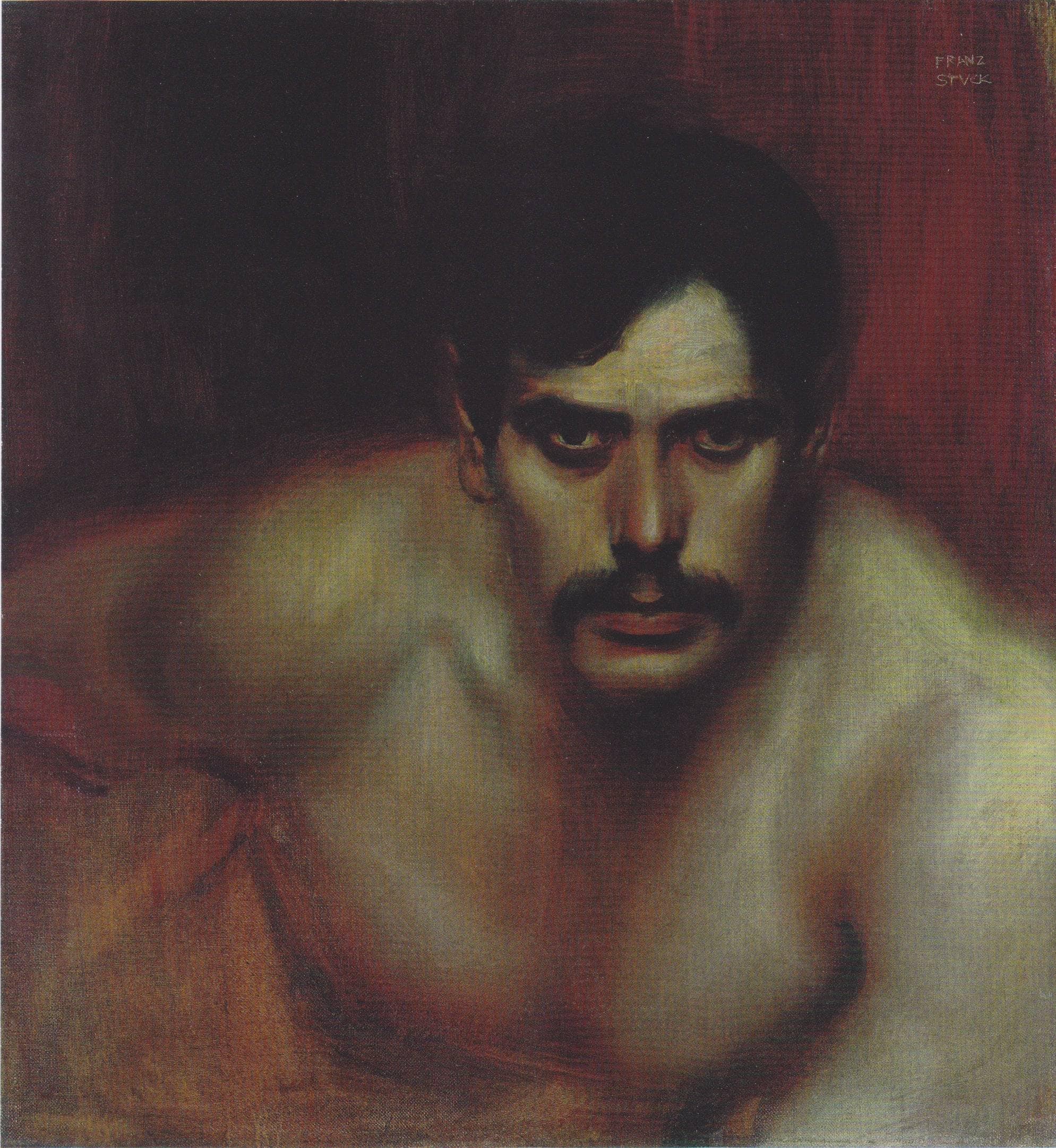
Male Portrait Study (A Bad Conscience)
Exploring the Depths of Male Portrait Study (A Bad Conscience) by Franz Stuck
Franz Stuck: The Visionary Behind the Canvas
Biographical Insights into Franz Stuck's Artistic Journey
Franz Stuck, born in 1863 in Germany, was a multifaceted artist known for his painting, sculpture, and architecture. He studied at the Academy of Fine Arts in Munich, where he developed a unique style that blended symbolism and realism. Stuck's work often reflected his fascination with the human psyche, making him a pivotal figure in the Symbolist movement. His artistic journey was marked by a deep exploration of themes like guilt, desire, and the subconscious.Influences and Inspirations Shaping Stuck's Work
Stuck drew inspiration from various sources, including classical mythology, literature, and the emerging psychological theories of his time. The works of artists like Gustave Moreau and Odilon Redon influenced his symbolic approach. Additionally, the philosophical ideas of Friedrich Nietzsche and Sigmund Freud played a significant role in shaping his understanding of human emotions and moral dilemmas.Unveiling the Themes of Guilt and Conscience in Stuck's Art
The Psychological Landscape of 'A Bad Conscience'
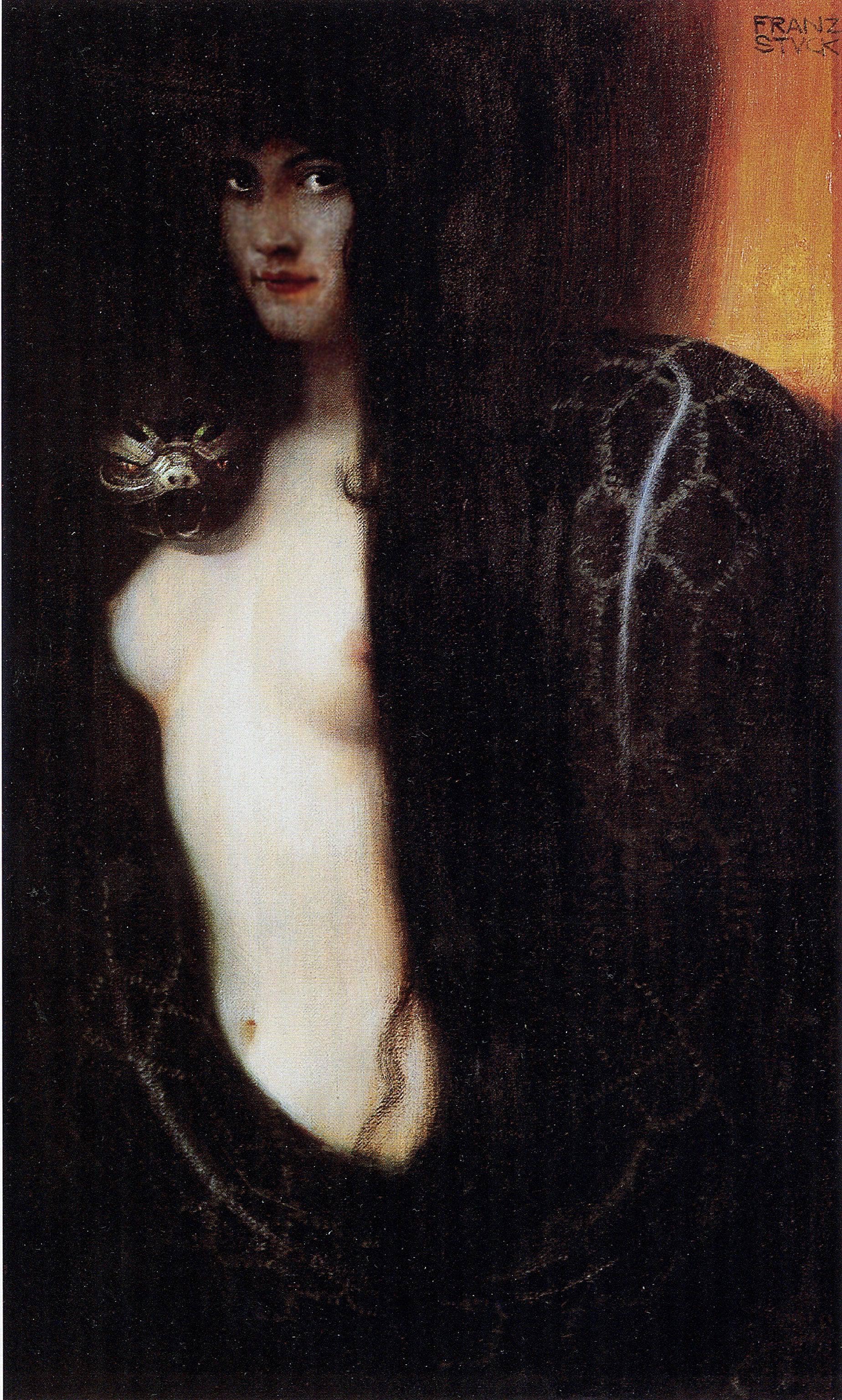
'A Bad Conscience' delves into the complex emotions of guilt and remorse. The male figure in the portrait embodies a profound internal struggle, reflecting the psychological turmoil that often accompanies moral conflict. Stuck masterfully captures this tension, inviting viewers to explore their own feelings of conscience and accountability.Symbolism and Allegory: Understanding the Deeper Meaning
The painting is rich in symbolism, with elements that suggest the weight of guilt. The dark background contrasts with the figure, emphasizing the isolation that often accompanies a troubled conscience. The use of allegorical motifs, such as shadows and distorted forms, enhances the narrative of inner conflict and moral questioning.Visual Elements: Composition and Color Palette of the Painting
Analyzing the Use of Light and Shadow in the Portrait
Stuck's use of chiaroscuro creates a dramatic effect, highlighting the emotional intensity of the subject. The interplay of light and shadow not only adds depth but also symbolizes the duality of human nature—light representing clarity and truth, while shadow embodies doubt and guilt.Color Symbolism: The Emotional Impact of Stuck's Choices
The color palette in 'A Bad Conscience' is carefully chosen to evoke specific emotions. Dark hues dominate the background, creating a somber atmosphere. In contrast, the figure's skin tones are rendered with warmth, suggesting vulnerability amidst the turmoil. This contrast enhances the viewer's emotional response, drawing them into the subject's plight.The Subject: A Closer Look at the Male Figure
Facial Expressions and Body Language: Conveying Inner Turmoil
The male figure's facial expression is one of deep contemplation, with furrowed brows and downcast eyes. His body language—slumped shoulders and clenched fists—further conveys a sense of despair and conflict. Stuck's ability to capture these nuances makes the subject relatable and profoundly human.Costume and Attire: Historical Context and Significance
The attire of the figure reflects the early 20th-century fashion, with a focus on somber colors and simple lines. This choice grounds the painting in its historical context, allowing viewers to connect with the societal norms of the time. The clothing also serves to highlight the figure's emotional state, as the simplicity contrasts with the complexity of his inner turmoil.Artistic Techniques: Oil Painting Mastery in 'A Bad Conscience'
Brushwork and Texture: The Craftsmanship of Franz Stuck
Stuck's brushwork in 'A Bad Conscience' showcases his mastery of oil painting. The texture of the paint adds a tactile quality to the work, inviting viewers to appreciate the physicality of the medium. Each stroke is deliberate, contributing to the overall emotional impact of the piece.Layering and Glazing: Techniques that Enhance Depth
The use of layering and glazing techniques in this portrait creates a sense of depth and luminosity. Stuck applied multiple layers of paint, allowing for a rich interplay of colors that enhances the three-dimensionality of the figure. This meticulous approach elevates the painting beyond mere representation, transforming it into a profound exploration of the human condition.The Historical Context of 'A Bad Conscience'
Art Movements Influencing Stuck: Symbolism and Art Nouveau
Franz Stuck was a key figure in the Symbolism movement, which sought to express emotional experiences through symbolic imagery. His work also reflects elements of Art Nouveau, characterized by its decorative style and organic forms. These movements influenced Stuck's approach, allowing him to explore complex themes through innovative artistic expressions.Societal Reflections: The Role of Conscience in Early 20th Century
'A Bad Conscience' reflects the societal anxieties of the early 20th century, a time marked by rapid change and moral questioning. The painting serves as a commentary on the individual's struggle with conscience in a world that often blurs the lines between right and wrong. Stuck's portrayal of guilt resonates with contemporary audiences, making it a timeless exploration of human emotion.Franz Stuck's Legacy: Impact on Modern Art and Culture
How 'A Bad Conscience' Influences Contemporary Artists
Stuck's exploration of psychological themes in 'A Bad Conscience' continues to inspire contemporary artists. His ability to convey complex emotions through visual art has paved the way for modern expressions of inner conflict. Many artists today draw on Stuck's techniques and themes, reflecting the enduring relevance of his work.Stuck's Role in the Development of Expressionism
Franz Stuck played a significant role in the development of Expressionism, a movement that emphasized emotional experience over physical reality. His focus on the human psyche and moral dilemmas laid the groundwork for future artists to explore similar themes. 'A Bad Conscience' stands as a testament to his influence, showcasing the power of art to evoke deep emotional responses.FAQs about Male Portrait Study (A Bad Conscience)
What is the main theme of 'A Bad Conscience' by Franz Stuck?
The main theme of 'A Bad Conscience' revolves around guilt and the psychological struggle of the individual. The painting captures the inner turmoil that arises from moral conflict.How does the painting reflect the psychological state of the subject?
The painting reflects the psychological state of the subject through facial expressions and body language. The figure's downcast eyes and slumped posture convey a sense of despair and introspection.What artistic techniques did Franz Stuck use in this portrait?
Franz Stuck employed techniques such as chiaroscuro, layering, and glazing to create depth and emotional intensity in 'A Bad Conscience.' His brushwork adds texture and richness to the painting.What historical influences can be seen in 'A Bad Conscience'?
Historical influences in 'A Bad Conscience' include the Symbolism and Art Nouveau movements. These movements shaped Stuck's approach to exploring complex themes through symbolic imagery.How does this painting fit into the Symbolism art movement?
This painting fits into the Symbolism art movement by expressing deep emotional experiences and moral dilemmas through symbolic elements. Stuck's focus on the human psyche aligns with the movement's goals.FAQs about Painting Reproductions
What should I consider when purchasing a reproduction of 'A Bad Conscience'?
When purchasing a reproduction of 'A Bad Conscience,' consider the quality of the materials used, the accuracy of the colors, and the craftsmanship of the reproduction. Look for reproductions that capture the texture and depth of the original oil painting.How can I ensure the quality of a painting reproduction?
To ensure the quality of a painting reproduction, choose reputable sellers who specialize in art reproductions. Look for detailed descriptions, customer reviews, and high-resolution images that showcase the reproduction's fidelity to the original artwork.Select Size
From $249.95
Male Portrait Study (A Bad Conscience)—
$249.95
Product Information
Product Information
Shipping & Returns
Shipping & Returns