๐Ÿšš Free Worldwide Shipping on All Orders!Shop Now

HomeStore

Spring

Product image 1

Spring

Exploring the Symbolism of Spring by Franz Stuck

Understanding the Artistic Vision Behind Spring

The Influence of Symbolism in Stuck's Work

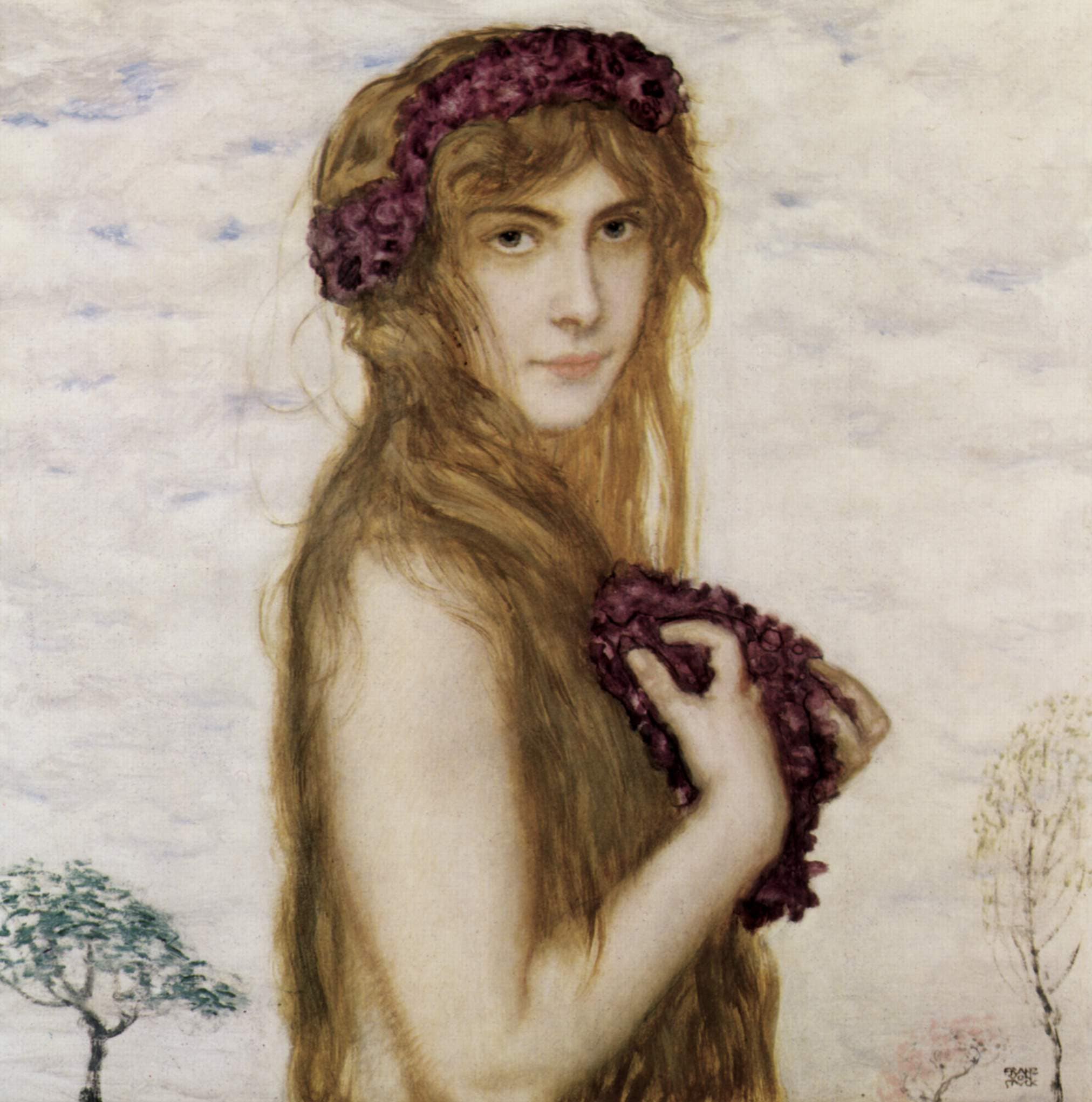
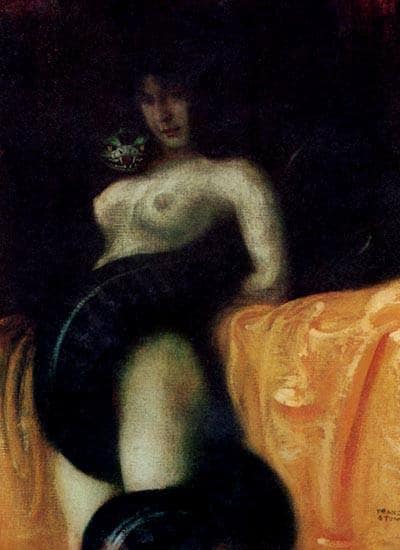
Franz Stuck's "Spring" is a captivating oil painting that embodies the essence of the Symbolist movement. This artwork reflects Stuck's deep fascination with nature, mythology, and the human experience. Symbolism plays a crucial role in this piece, as it invites viewers to explore themes of rebirth, femininity, and the cyclical nature of life. Stuck's use of allegorical figures enhances the painting's narrative, making it a rich tapestry of meaning.

Franz Stuck's Unique Approach to Nature and Mythology

Stuck's interpretation of nature in "Spring" is both vibrant and mystical. He intertwines elements of mythology with the natural world, creating a dreamlike atmosphere. The figures in the painting, often inspired by ancient deities, represent the harmony between humanity and the environment. This unique blend of myth and nature sets Stuck apart from his contemporaries, allowing viewers to engage with the artwork on multiple levels.

Visual Elements and Techniques in Spring

Color Palette: The Vibrancy of Spring

Analyzing the Use of Greens and Pastels

The color palette of "Spring" is a celebration of life and renewal. Stuck employs a range of lush greens and soft pastels to evoke the freshness of the season. These colors not only symbolize growth but also create a sense of tranquility. The interplay of light and color draws the viewer's eye, inviting them to explore the intricate details of the painting.

Contrast and Harmony: A Study of Light and Shadow

Stuck masterfully balances light and shadow in "Spring." The use of chiaroscuro enhances the three-dimensionality of the figures, giving them a lifelike quality. This technique creates a dynamic tension within the composition, emphasizing the movement and energy of the scene. The harmonious blend of light and dark further enriches the overall visual experience.

Composition and Form: The Dance of Figures

Dynamic Poses and Their Significance

The figures in "Spring" are depicted in dynamic poses that convey a sense of movement and vitality. Each figure seems to dance through the landscape, embodying the spirit of the season. This fluidity not only captures the essence of spring but also reflects the joy and exuberance associated with renewal. Stuck's attention to anatomical detail adds to the realism of the figures, making them relatable and engaging.

Spatial Relationships: Foreground, Midground, and Background

Stuck's composition skillfully utilizes spatial relationships to create depth. The foreground features vibrant figures, while the midground and background provide a lush, verdant landscape. This layering effect draws the viewer into the scene, allowing them to experience the full richness of the painting. The careful arrangement of elements enhances the narrative, guiding the viewer's gaze through the artwork.

Thematic Exploration: Nature, Rebirth, and Femininity

Spring as a Metaphor for Renewal

In "Spring," Stuck presents the season as a powerful metaphor for renewal and rebirth. The painting captures the essence of transformation, reflecting the cycles of nature and human experience. Just as spring breathes new life into the world, the artwork invites viewers to contemplate their own journeys of growth and change.

Connecting the Seasons to Human Experience

The connection between the seasons and human emotions is a central theme in "Spring." Stuck's portrayal of the season resonates with feelings of hope, joy, and rejuvenation. This emotional depth allows viewers to relate personally to the artwork, making it a timeless piece that speaks to the universal experience of renewal.

The Representation of Femininity in Stuck's Spring

Goddess Figures and Their Cultural Significance

Femininity plays a vital role in "Spring," as Stuck incorporates goddess figures that symbolize fertility and growth. These representations draw from various cultural mythologies, highlighting the importance of women in the cycle of life. The figures embody the nurturing aspects of nature, reinforcing the connection between femininity and the natural world.

Franz Stuck: A Pioneer of the Symbolist Movement

Biographical Insights: The Life of Franz Stuck

Franz Stuck was a prominent figure in the Symbolist movement, known for his innovative approach to art. Born in 1863 in Germany, he developed a unique style that combined elements of mythology, allegory, and the human form. His artistic journey was influenced by various movements, including Art Nouveau and the Munich Secession.

Key Influences and Artistic Development

Stuck's artistic development was shaped by his exposure to classical art and contemporary movements. He studied at the Academy of Fine Arts in Munich, where he honed his skills in painting and sculpture. His fascination with mythology and the human psyche led him to create works that explored deeper meanings and emotions.

Stuck's Role in the Munich Secession

As a founding member of the Munich Secession, Stuck played a crucial role in promoting modern art. This group sought to break away from traditional artistic conventions, embracing new ideas and styles. Stuck's leadership and vision helped shape the direction of the movement, making him a key figure in the evolution of modern art.

Legacy and Impact on Modern Art

How Stuck's Work Influenced Future Generations

Franz Stuck's influence extends beyond his lifetime, impacting future generations of artists. His exploration of symbolism and the human experience paved the way for later movements, including Expressionism and Surrealism. Stuck's ability to blend myth and reality continues to inspire contemporary artists seeking to convey complex emotions through their work.

Spring in the Context of Art History

Comparative Analysis with Other Symbolist Artists

Contrasting Stuck's Spring with Works by Gustav Klimt

When comparing "Spring" to Gustav Klimt's works, one can see distinct differences in style and approach. While Klimt often focused on decorative patterns and sensuality, Stuck's "Spring" emphasizes movement and the connection between humanity and nature. Both artists, however, share a commitment to exploring themes of femininity and renewal.

Symbolism vs. Impressionism: A Historical Perspective

"Spring" also serves as a fascinating case study in the contrast between Symbolism and Impressionism. While Impressionists focused on capturing fleeting moments and light, Stuck's work delves into deeper meanings and emotional resonance. This distinction highlights the diverse approaches artists took during this transformative period in art history.

Reception and Critique of Spring Over Time

Critical Reviews from the Early 20th Century

Upon its release, "Spring" received mixed reviews from critics. Some praised Stuck's innovative use of color and form, while others found the symbolism too obscure. Over time, however, the painting has gained recognition as a significant work within the Symbolist movement, appreciated for its depth and beauty.

Modern Interpretations and Relevance Today

Today, "Spring" continues to resonate with audiences, reflecting timeless themes of renewal and femininity. Modern interpretations often highlight the painting's relevance in discussions about nature and the environment. Stuck's ability to capture the essence of spring makes this artwork a lasting symbol of hope and transformation.

Frequently Asked Questions About Spring by Franz Stuck

What is the main theme of Spring by Franz Stuck?

The main theme of "Spring" is renewal, symbolizing the cyclical nature of life and the connection between humanity and nature.

How does Spring reflect the Symbolist movement?

"Spring" reflects the Symbolist movement through its use of allegorical figures, vibrant colors, and exploration of deeper meanings related to nature and femininity.

What techniques did Franz Stuck use in this painting?

Stuck employed techniques such as chiaroscuro, dynamic poses, and a vibrant color palette to create depth and movement in "Spring."

What cultural symbols are present in Spring?

The painting features goddess figures and elements of nature, symbolizing fertility, growth, and the nurturing aspects of femininity.

How has Spring been received by art critics?

Initially met with mixed reviews, "Spring" has since gained recognition as a significant work of art, appreciated for its beauty and thematic depth.

What should I know about the reproduction of Spring?

Art reproductions of "Spring" offer a superior alternative to prints, capturing the intricate details and vibrant colors of the original painting.

How can I appreciate the details in a reproduction of Spring?

To appreciate the details in a reproduction, take time to observe the color variations, brushwork, and the interplay of light and shadow that Stuck masterfully created in the original artwork.
Select Size
From $74.98

Original: $249.95

-70%
Springโ€”

$249.95

$74.98

Product Information

Shipping & Returns

Description

Exploring the Symbolism of Spring by Franz Stuck

Understanding the Artistic Vision Behind Spring

The Influence of Symbolism in Stuck's Work

Franz Stuck's "Spring" is a captivating oil painting that embodies the essence of the Symbolist movement. This artwork reflects Stuck's deep fascination with nature, mythology, and the human experience. Symbolism plays a crucial role in this piece, as it invites viewers to explore themes of rebirth, femininity, and the cyclical nature of life. Stuck's use of allegorical figures enhances the painting's narrative, making it a rich tapestry of meaning.

Franz Stuck's Unique Approach to Nature and Mythology

Stuck's interpretation of nature in "Spring" is both vibrant and mystical. He intertwines elements of mythology with the natural world, creating a dreamlike atmosphere. The figures in the painting, often inspired by ancient deities, represent the harmony between humanity and the environment. This unique blend of myth and nature sets Stuck apart from his contemporaries, allowing viewers to engage with the artwork on multiple levels.

Visual Elements and Techniques in Spring

Color Palette: The Vibrancy of Spring

Analyzing the Use of Greens and Pastels

The color palette of "Spring" is a celebration of life and renewal. Stuck employs a range of lush greens and soft pastels to evoke the freshness of the season. These colors not only symbolize growth but also create a sense of tranquility. The interplay of light and color draws the viewer's eye, inviting them to explore the intricate details of the painting.

Contrast and Harmony: A Study of Light and Shadow

Stuck masterfully balances light and shadow in "Spring." The use of chiaroscuro enhances the three-dimensionality of the figures, giving them a lifelike quality. This technique creates a dynamic tension within the composition, emphasizing the movement and energy of the scene. The harmonious blend of light and dark further enriches the overall visual experience.

Composition and Form: The Dance of Figures

Dynamic Poses and Their Significance

The figures in "Spring" are depicted in dynamic poses that convey a sense of movement and vitality. Each figure seems to dance through the landscape, embodying the spirit of the season. This fluidity not only captures the essence of spring but also reflects the joy and exuberance associated with renewal. Stuck's attention to anatomical detail adds to the realism of the figures, making them relatable and engaging.

Spatial Relationships: Foreground, Midground, and Background

Stuck's composition skillfully utilizes spatial relationships to create depth. The foreground features vibrant figures, while the midground and background provide a lush, verdant landscape. This layering effect draws the viewer into the scene, allowing them to experience the full richness of the painting. The careful arrangement of elements enhances the narrative, guiding the viewer's gaze through the artwork.

Thematic Exploration: Nature, Rebirth, and Femininity

Spring as a Metaphor for Renewal

In "Spring," Stuck presents the season as a powerful metaphor for renewal and rebirth. The painting captures the essence of transformation, reflecting the cycles of nature and human experience. Just as spring breathes new life into the world, the artwork invites viewers to contemplate their own journeys of growth and change.

Connecting the Seasons to Human Experience

The connection between the seasons and human emotions is a central theme in "Spring." Stuck's portrayal of the season resonates with feelings of hope, joy, and rejuvenation. This emotional depth allows viewers to relate personally to the artwork, making it a timeless piece that speaks to the universal experience of renewal.

The Representation of Femininity in Stuck's Spring

Goddess Figures and Their Cultural Significance

Femininity plays a vital role in "Spring," as Stuck incorporates goddess figures that symbolize fertility and growth. These representations draw from various cultural mythologies, highlighting the importance of women in the cycle of life. The figures embody the nurturing aspects of nature, reinforcing the connection between femininity and the natural world.

Franz Stuck: A Pioneer of the Symbolist Movement

Biographical Insights: The Life of Franz Stuck

Franz Stuck was a prominent figure in the Symbolist movement, known for his innovative approach to art. Born in 1863 in Germany, he developed a unique style that combined elements of mythology, allegory, and the human form. His artistic journey was influenced by various movements, including Art Nouveau and the Munich Secession.

Key Influences and Artistic Development

Stuck's artistic development was shaped by his exposure to classical art and contemporary movements. He studied at the Academy of Fine Arts in Munich, where he honed his skills in painting and sculpture. His fascination with mythology and the human psyche led him to create works that explored deeper meanings and emotions.

Stuck's Role in the Munich Secession

As a founding member of the Munich Secession, Stuck played a crucial role in promoting modern art. This group sought to break away from traditional artistic conventions, embracing new ideas and styles. Stuck's leadership and vision helped shape the direction of the movement, making him a key figure in the evolution of modern art.

Legacy and Impact on Modern Art

How Stuck's Work Influenced Future Generations

Franz Stuck's influence extends beyond his lifetime, impacting future generations of artists. His exploration of symbolism and the human experience paved the way for later movements, including Expressionism and Surrealism. Stuck's ability to blend myth and reality continues to inspire contemporary artists seeking to convey complex emotions through their work.

Spring in the Context of Art History

Comparative Analysis with Other Symbolist Artists

Contrasting Stuck's Spring with Works by Gustav Klimt

When comparing "Spring" to Gustav Klimt's works, one can see distinct differences in style and approach. While Klimt often focused on decorative patterns and sensuality, Stuck's "Spring" emphasizes movement and the connection between humanity and nature. Both artists, however, share a commitment to exploring themes of femininity and renewal.

Symbolism vs. Impressionism: A Historical Perspective

"Spring" also serves as a fascinating case study in the contrast between Symbolism and Impressionism. While Impressionists focused on capturing fleeting moments and light, Stuck's work delves into deeper meanings and emotional resonance. This distinction highlights the diverse approaches artists took during this transformative period in art history.

Reception and Critique of Spring Over Time

Critical Reviews from the Early 20th Century

Upon its release, "Spring" received mixed reviews from critics. Some praised Stuck's innovative use of color and form, while others found the symbolism too obscure. Over time, however, the painting has gained recognition as a significant work within the Symbolist movement, appreciated for its depth and beauty.

Modern Interpretations and Relevance Today

Today, "Spring" continues to resonate with audiences, reflecting timeless themes of renewal and femininity. Modern interpretations often highlight the painting's relevance in discussions about nature and the environment. Stuck's ability to capture the essence of spring makes this artwork a lasting symbol of hope and transformation.

Frequently Asked Questions About Spring by Franz Stuck

What is the main theme of Spring by Franz Stuck?

The main theme of "Spring" is renewal, symbolizing the cyclical nature of life and the connection between humanity and nature.

How does Spring reflect the Symbolist movement?

"Spring" reflects the Symbolist movement through its use of allegorical figures, vibrant colors, and exploration of deeper meanings related to nature and femininity.

What techniques did Franz Stuck use in this painting?

Stuck employed techniques such as chiaroscuro, dynamic poses, and a vibrant color palette to create depth and movement in "Spring."

What cultural symbols are present in Spring?

The painting features goddess figures and elements of nature, symbolizing fertility, growth, and the nurturing aspects of femininity.

How has Spring been received by art critics?

Initially met with mixed reviews, "Spring" has since gained recognition as a significant work of art, appreciated for its beauty and thematic depth.

What should I know about the reproduction of Spring?

Art reproductions of "Spring" offer a superior alternative to prints, capturing the intricate details and vibrant colors of the original painting.

How can I appreciate the details in a reproduction of Spring?

To appreciate the details in a reproduction, take time to observe the color variations, brushwork, and the interplay of light and shadow that Stuck masterfully created in the original artwork.

You may also like

NEW
Thumbnail 1

Male Portrait Study (A Bad Conscience)

$249.95

-70%NEW
Thumbnail 1

Sphinx

$299.95

$89.98

-70%NEW
Thumbnail 1

Innocence

$249.95

$74.98

-70%NEW
Thumbnail 1

Self-portrait of the painter and his wife in the studio

$249.95

$74.98

-70%NEW
Thumbnail 1

Female Portrait

$430.95

$129.28

-70%NEW
Thumbnail 1

Mary with a red hat

$249.95

$74.98

NEW
Thumbnail 1

The Sin

$299.95

-70%NEW
Thumbnail 1

Sensuality

$299.95

$89.98