🚚 Free Worldwide Shipping on All Orders!Shop Now

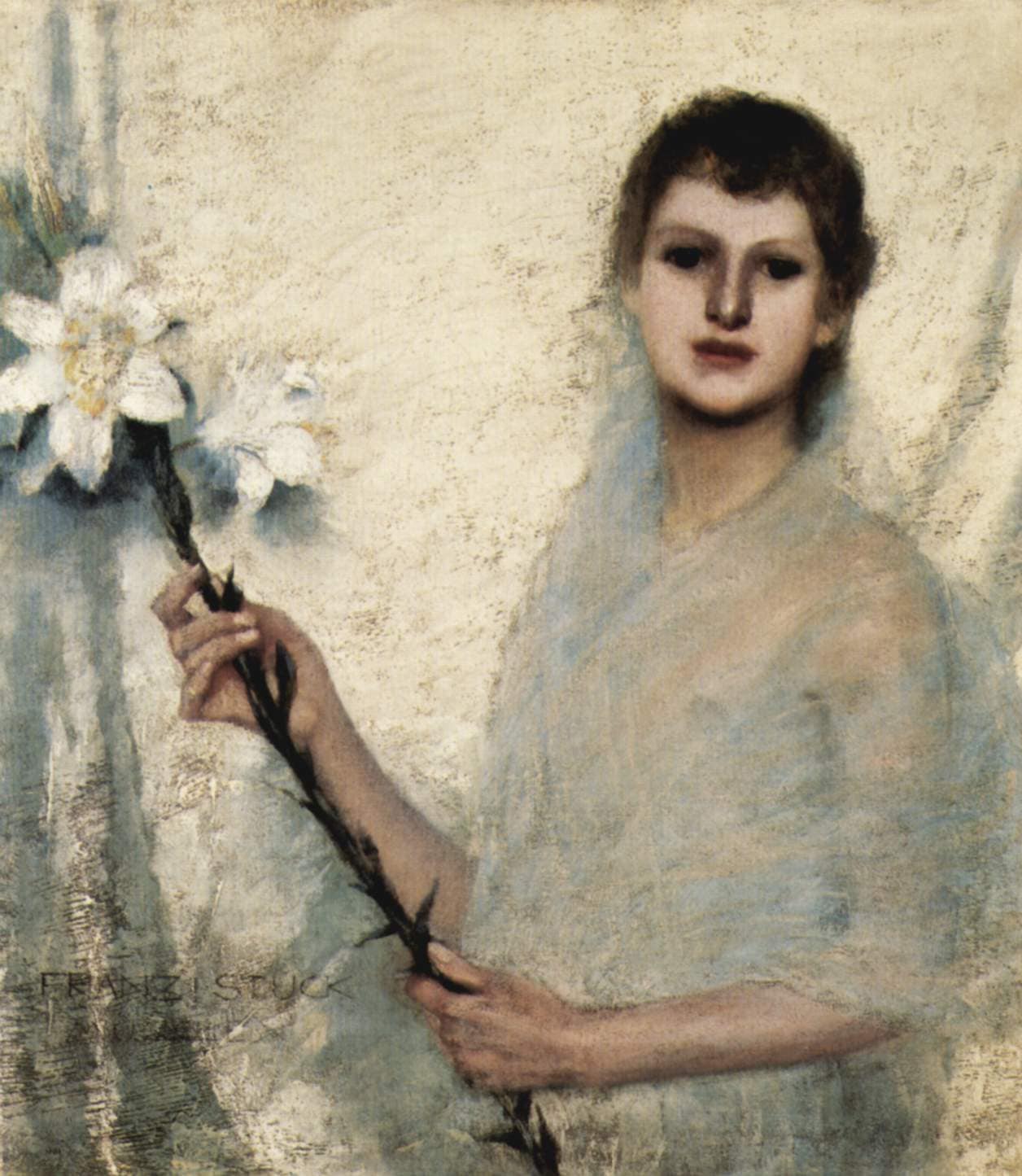
Innocence
Exploring the Enigmatic Beauty of Innocence by Franz Stuck
Franz Stuck: The Visionary Artist Behind Innocence
Biographical Insights into Franz Stuck's Life and Work
Franz Stuck, born in 1863 in Germany, was a multifaceted artist known for his painting, sculpture, and architecture. He played a pivotal role in the Symbolist movement, blending mythological themes with a unique aesthetic. Stuck's works often reflect his fascination with the duality of human nature, exploring themes of innocence and temptation. His artistic journey began at the Academy of Fine Arts in Munich, where he honed his skills and developed a distinctive style that would captivate audiences.Artistic Influences and Movements Shaping Stuck's Style
Stuck was influenced by various artistic movements, including Romanticism and Art Nouveau. His exposure to the works of Gustave Moreau and Odilon Redon shaped his approach to symbolism and color. Stuck's art often features ethereal figures and dreamlike landscapes, creating a sense of otherworldliness. His innovative techniques in oil painting allowed him to explore light and shadow, enhancing the emotional depth of his subjects.The Symbolism of Innocence: A Deep Dive into the Painting's Themes
Understanding the Concept of Innocence in Art
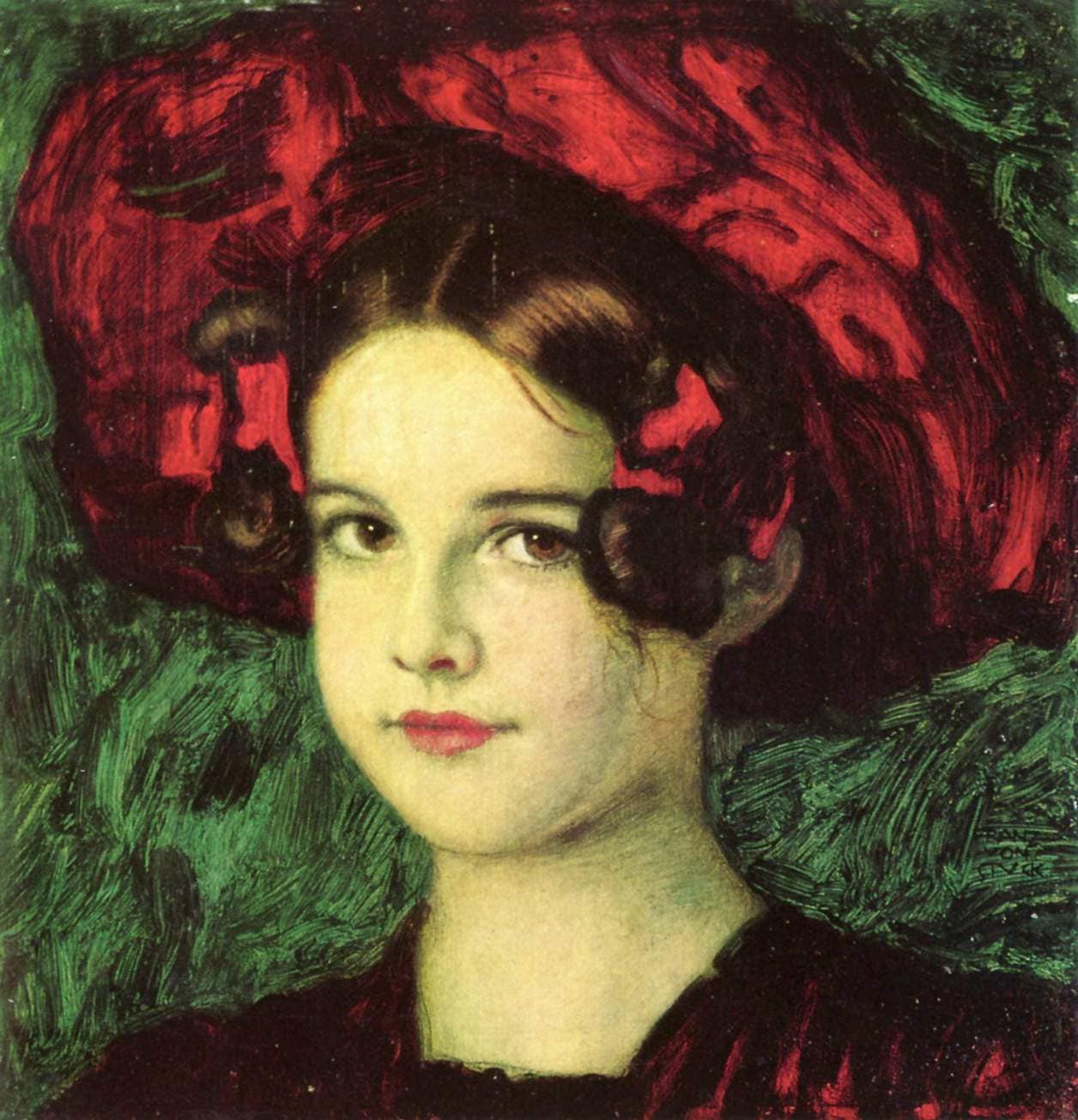
Innocence, painted in 1905, embodies the purity and vulnerability of youth. The central figure, a young girl, represents untainted innocence, surrounded by a lush, vibrant environment. This painting invites viewers to reflect on the fragility of innocence in a world filled with temptation and moral ambiguity. Stuck's portrayal of innocence resonates with the viewer, evoking a sense of nostalgia and longing for a simpler time.Mythological References and Their Significance in the Artwork
Stuck often drew inspiration from mythology, and Innocence is no exception. The painting subtly references the myth of Persephone, symbolizing the transition from innocence to experience. The lush flora surrounding the figure suggests a paradise that is both enchanting and perilous. This duality highlights the tension between innocence and the inevitable loss that comes with growing up.The Role of Light and Shadow in Conveying Emotion
Light and shadow play a crucial role in Innocence, enhancing the emotional impact of the painting. Stuck masterfully uses chiaroscuro to create depth and dimension, drawing the viewer's eye to the central figure. The soft, diffused light envelops the girl, emphasizing her purity while casting darker shadows in the background, symbolizing the lurking dangers of the adult world.Visual Elements of Innocence: Composition and Color Palette
Analyzing the Use of Color: A Palette of Purity and Emotion
Stuck's color palette in Innocence is rich and evocative. Soft pastels dominate the scene, creating a sense of tranquility and innocence. The delicate pinks and whites of the girl's attire contrast with the vibrant greens and deep blues of the surrounding nature. This harmonious blend of colors enhances the painting's emotional resonance, inviting viewers to immerse themselves in its beauty.Composition Techniques: Balance and Harmony in the Artwork
The composition of Innocence is carefully balanced, with the central figure positioned to draw immediate attention. Stuck employs a triangular composition, guiding the viewer's gaze from the foreground to the background. This technique creates a sense of harmony and stability, reinforcing the theme of innocence amidst chaos. The surrounding elements, including flowers and foliage, frame the girl, further emphasizing her significance.Figures and Forms: The Representation of Innocence
The figure of the young girl in Innocence is a striking representation of purity and vulnerability. Stuck's attention to detail in her facial expression and posture conveys a sense of wonder and curiosity. The flowing lines of her dress and the gentle curves of her form evoke a sense of grace and delicacy. This portrayal invites viewers to connect with the essence of innocence, evoking empathy and reflection.The Cultural Context of Innocence: Art in the Late 19th Century
How Historical Events Influenced Stuck's Artistic Vision
The late 19th century was a time of significant change in Europe, marked by industrialization and social upheaval. These historical events influenced Stuck's artistic vision, prompting him to explore themes of innocence and morality. The rise of modernity created a longing for the past, which Stuck captured in his work. Innocence reflects this desire to preserve the purity of youth in a rapidly changing world.The Reception of Innocence: Critical Acclaim and Controversy
Upon its unveiling, Innocence received mixed reviews. Some critics praised Stuck's technical skill and emotional depth, while others questioned the painting's idealized portrayal of youth. Despite the controversy, Innocence solidified Stuck's reputation as a leading figure in the Symbolist movement. Today, it is celebrated for its beauty and complexity, continuing to captivate audiences worldwide.Innocence in Modern Interpretation: Legacy and Influence
How Innocence Continues to Inspire Contemporary Artists
Innocence remains a source of inspiration for contemporary artists exploring themes of purity and vulnerability. Its timeless message resonates in today's art world, where artists seek to capture the essence of human experience. The painting's blend of mythological references and emotional depth encourages new interpretations and creative expressions.The Painting's Role in Modern Art Exhibitions and Collections
Innocence is featured in prestigious art collections and exhibitions, showcasing its enduring legacy. Museums and galleries around the world recognize its significance in the Symbolist movement. The painting continues to attract art enthusiasts, scholars, and collectors, affirming its place in the canon of art history.FAQs About Innocence by Franz Stuck
What is the main theme of Innocence by Franz Stuck?
The main theme of Innocence is the exploration of purity and the fragility of youth in a complex world.How does Innocence reflect the artistic style of the Symbolist movement?
Innocence reflects the Symbolist movement through its use of mythological references, emotional depth, and a focus on the inner experience of the subject.What are the notable symbols present in the painting Innocence?
Notable symbols in Innocence include the central figure representing purity, the lush flora symbolizing paradise, and the interplay of light and shadow representing the duality of innocence and experience.In what ways did Franz Stuck's personal life influence his work on Innocence?
Stuck's personal experiences, including his fascination with mythology and his reflections on the nature of innocence, deeply influenced his creation of Innocence.Where can I see the original painting Innocence by Franz Stuck?
The original painting Innocence is housed in the Museum of Fine Arts in Leipzig, Germany, where it can be appreciated by art lovers and scholars alike.What should I know about the reproduction of Innocence?
Reproductions of Innocence offer a superior alternative to prints, capturing the intricate details and vibrant colors of the original painting. They provide a more authentic experience, allowing art enthusiasts to enjoy Stuck's masterpiece in their own space.How can I care for my reproduction of Innocence to ensure its longevity?
To care for your reproduction of Innocence, keep it in a cool, dry place away from direct sunlight. Use a soft cloth to gently dust the surface and avoid using harsh chemicals. Proper framing can also protect the artwork from damage, ensuring its beauty lasts for years to come.Select Size
From $74.98
Original: $249.95
-70%Innocence—
$249.95
$74.98Product Information
Product Information
Shipping & Returns
Shipping & Returns