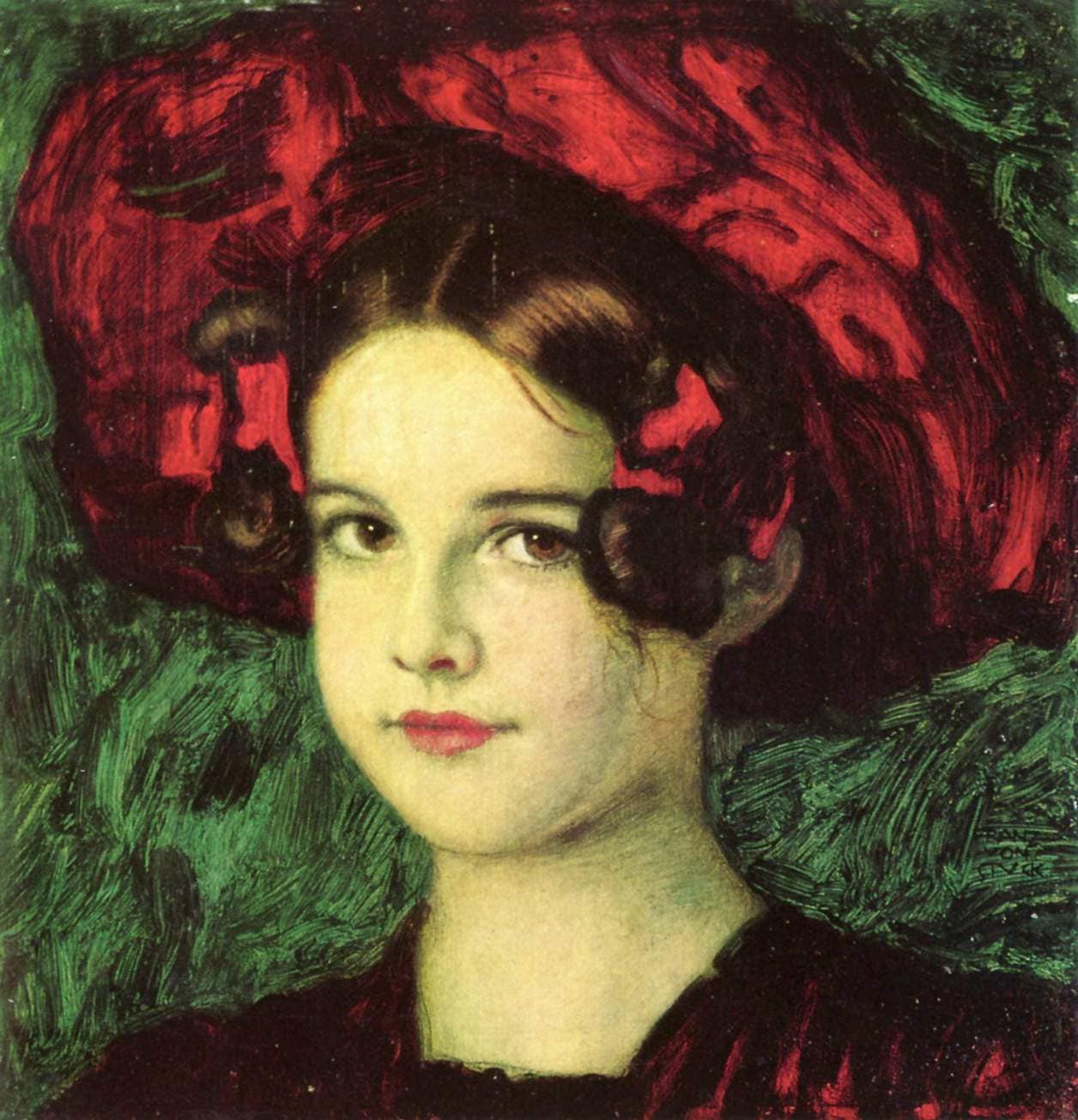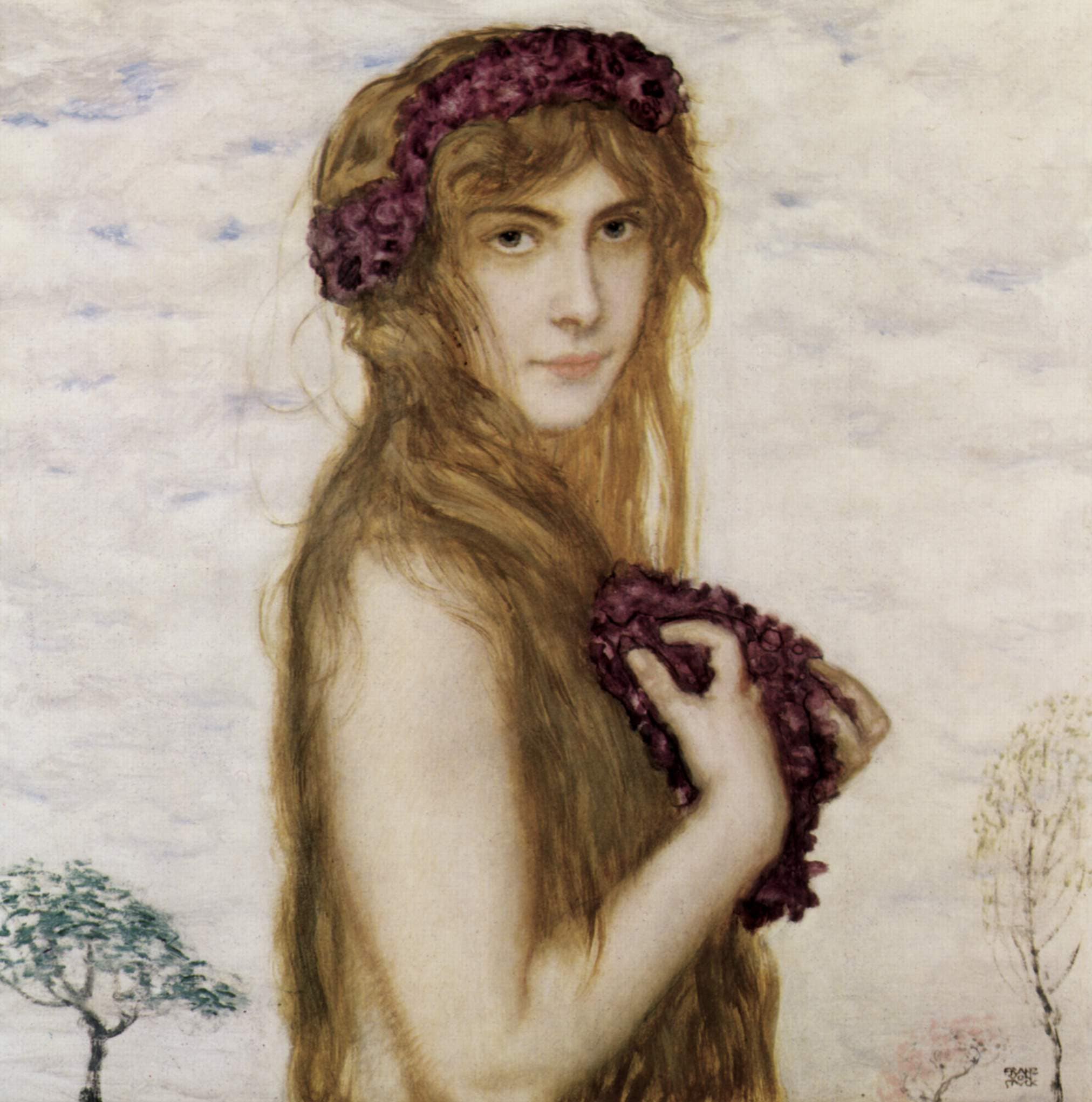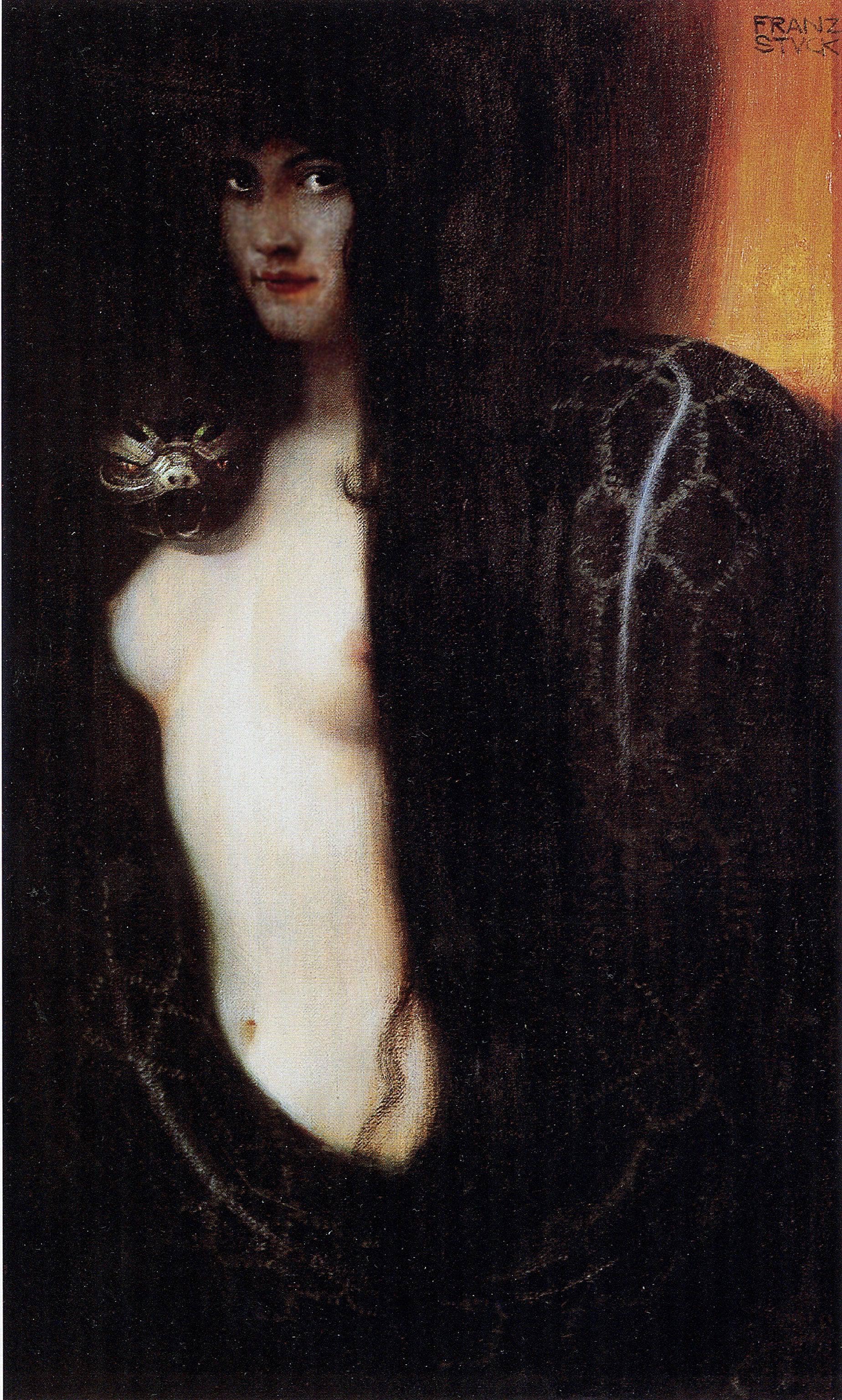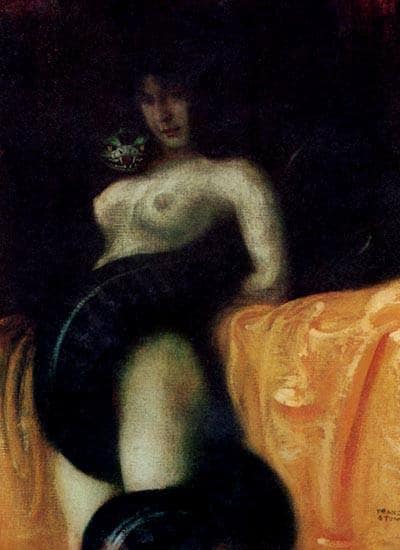
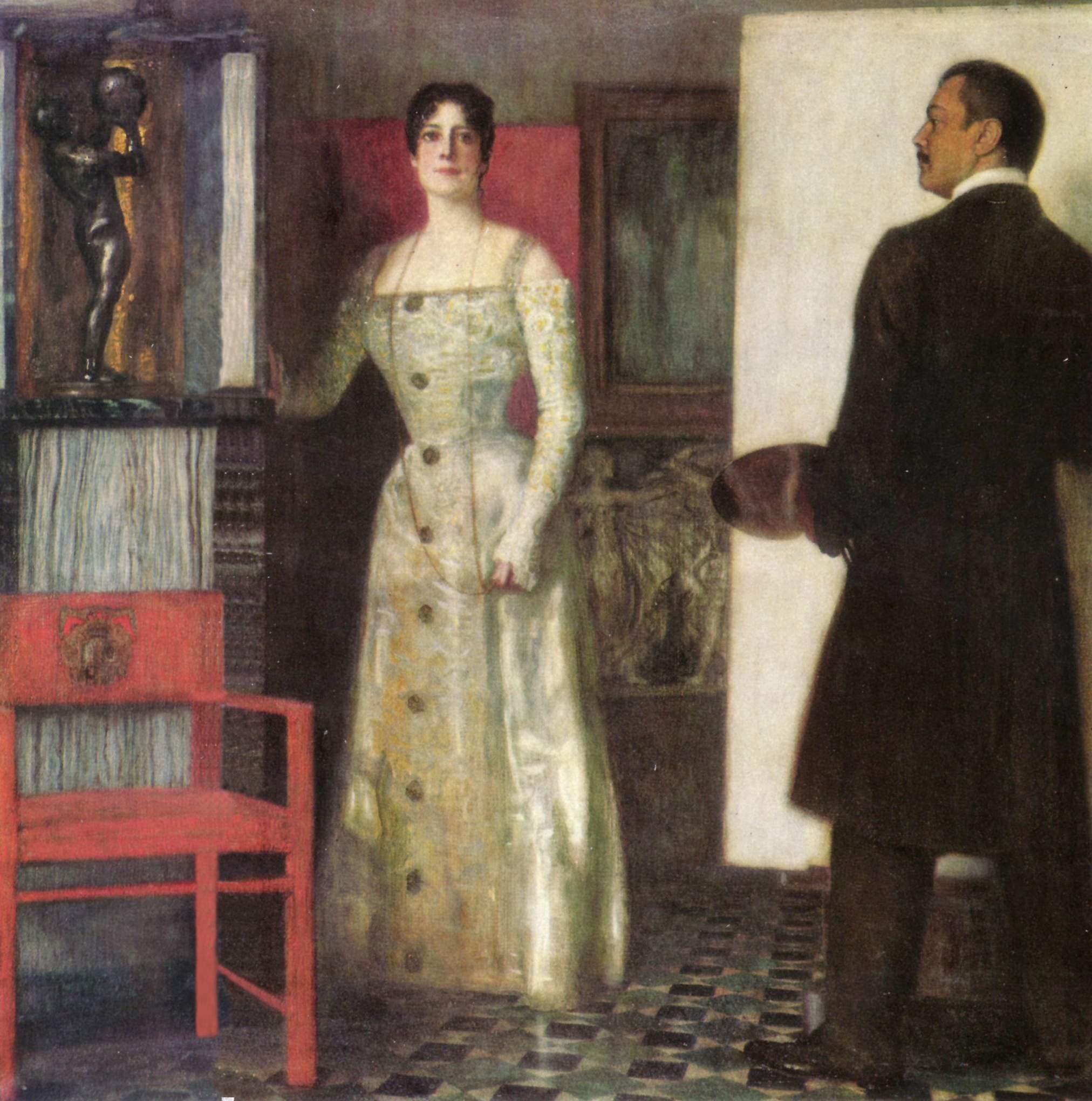
Self-portrait of the painter and his wife in the studio
Franz Stuck: A Glimpse into the Life of a Visionary Artist
Franz Stuck, a prominent figure in the late 19th and early 20th centuries, was not just a painter but a multifaceted artist. He excelled in sculpture, architecture, and graphic design, showcasing his versatility. Born in 1863 in Tettenweis, Germany, Stuck's artistic journey was marked by a deep exploration of themes like mythology, eroticism, and the human psyche.
Exploring the Artistic Journey of Franz Stuck
Stuck's artistic path was influenced by various movements, including Symbolism and Art Nouveau. His education at the Academy of Fine Arts in Munich laid the foundation for his unique style. He drew inspiration from classical mythology, the works of the Old Masters, and the emerging modernist trends of his time.
Influences and Inspirations Behind Stuck's Work
Stuck was inspired by the works of artists like Gustave Moreau and Odilon Redon. Their focus on dreamlike imagery and emotional depth resonated with him. Additionally, Stuck's interest in the occult and the mystical added layers of meaning to his art.
Stuck's Role in the Symbolist Movement
As a key figure in the Symbolist movement, Stuck sought to express the inner workings of the human mind. He believed that art should evoke emotions and provoke thought. His self-portrait, "Self-Portrait of the Painter and His Wife in the Studio," exemplifies this philosophy, blending personal narrative with broader themes of love and identity.
Self-Portrait of the Painter and His Wife: An Artistic Masterpiece
This captivating oil painting, created in 1900, showcases Stuck's mastery of color and composition. The artwork features Stuck alongside his wife, Mary, in their intimate studio space. The setting is rich with artistic tools, symbolizing creativity and collaboration.
Understanding the Composition and Color Palette
The composition of this self-portrait is striking. Stuck and Mary are positioned centrally, drawing the viewer's eye. The background is filled with vibrant colors, creating a warm and inviting atmosphere. This choice of composition emphasizes their bond and shared artistic journey.
Symbolism in Color Choices: A Deep Dive
Stuck's use of color is intentional and symbolic. The warm tones of red and gold evoke feelings of passion and intimacy. In contrast, cooler blues and greens in the background suggest tranquility and reflection. This interplay of colors enhances the emotional depth of the painting.
Analyzing the Use of Light and Shadow
Light plays a crucial role in this artwork. Stuck skillfully uses chiaroscuro to create depth and dimension. The soft light illuminating their faces highlights their expressions, adding to the painting's emotional resonance. This technique showcases Stuck's technical prowess and understanding of human emotion.
The Emotional Depth of the Self-Portrait
The expressions of Stuck and Mary convey a profound sense of connection. Their gazes meet, suggesting a deep understanding and love. This emotional depth invites viewers to reflect on their own relationships and the nature of companionship.
Interpreting the Expressions of the Subjects
Stuck's expression is contemplative, hinting at his introspective nature. Mary's smile radiates warmth and support, embodying the role of a muse. Together, their expressions tell a story of partnership and shared dreams.
The Relationship Dynamics Captured in the Painting
This self-portrait captures the dynamics of their relationship beautifully. It reflects the balance between the artist's inner world and the supportive presence of his wife. Their connection is palpable, making the painting a timeless representation of love and collaboration.
Personal Reflections: Stuck's View of Himself and His Partner
In this artwork, Stuck presents a dual narrative. He portrays himself as both the artist and the man, revealing his vulnerabilities. This self-exploration invites viewers to consider the complexities of identity and the roles we play in our relationships.
Historical Context: The Era of the Painting
The late 19th century was a time of great change in Europe. Artistic movements flourished, and artists began to explore new themes and techniques. Stuck was at the forefront of this evolution, contributing significantly to the art scene in Munich.
Artistic Trends in Late 19th Century Europe
During this period, artists sought to break away from traditional forms. Movements like Impressionism and Symbolism challenged established norms. Stuck's work, with its blend of realism and symbolism, reflects this shift and showcases his innovative spirit.
The Impact of the Munich Secession on Stuck's Work
Stuck was a founding member of the Munich Secession, a group that aimed to promote modern art. This movement encouraged artists to explore new ideas and techniques. Stuck's self-portrait embodies the spirit of this movement, merging personal narrative with broader artistic trends.
How Social Changes Influenced Artistic Expression
Social changes, including the rise of feminism and shifts in gender roles, influenced Stuck's work. His portrayal of Mary as both a partner and an artist reflects the evolving dynamics of relationships during this time. This painting serves as a commentary on the changing roles of women in society.
Technical Mastery: Techniques Used by Franz Stuck
Stuck's technical mastery is evident in every brushstroke of this self-portrait. His ability to blend colors and create texture sets him apart from his contemporaries. This painting is a testament to his skill and dedication to the craft of oil painting.
Brushwork and Texture: A Closer Look
Stuck's brushwork is both precise and expressive. He employs a variety of techniques to create texture, from smooth blending to bold strokes. This diversity adds depth to the painting, making it visually engaging and dynamic.
Innovative Techniques in Oil Painting
Stuck was known for his innovative approach to oil painting. He often layered colors to achieve a luminous effect. This technique enhances the emotional impact of the artwork, drawing viewers into the scene.
Stuck's Signature Style: Merging Realism with Symbolism
Stuck's signature style combines realistic representation with symbolic elements. This fusion allows him to convey complex themes and emotions. His self-portrait exemplifies this approach, inviting viewers to explore the deeper meanings behind the imagery.
Legacy of Self-Portrait of the Painter and His Wife
The legacy of "Self-Portrait of the Painter and His Wife in the Studio" extends beyond its time. This painting has influenced countless artists and continues to resonate with audiences today. Its exploration of identity and relationships remains relevant in contemporary art discussions.
Influence on Future Generations of Artists
Stuck's work has inspired many artists who followed him. His ability to blend personal narrative with broader themes has paved the way for modern self-portraits. Artists today continue to draw from his innovative techniques and emotional depth.
How This Painting Shaped Modern Interpretations of Self-Portraits
This self-portrait has redefined the genre, encouraging artists to explore their identities. Stuck's approach to self-representation has influenced how contemporary artists view their own narratives. The painting serves as a benchmark for emotional and psychological exploration in art.
Exhibitions and Recognition: Where to See the Original
The original painting is housed in the prestigious Neue Pinakothek in Munich. This museum is dedicated to 19th-century art and showcases Stuck's contributions to the art world. Visitors can experience the painting's beauty and complexity firsthand.
Frequently Asked Questions About the Painting
What is the significance of the self-portrait genre in art history?
The self-portrait genre allows artists to explore their identities and express personal narratives. It serves as a reflection of the artist's inner world and has evolved over centuries.
How does Stuck's self-portrait compare to other famous self-portraits?
Stuck's self-portrait stands out for its emotional depth and symbolic elements. Unlike many traditional self-portraits, it captures the dynamics of a relationship, making it unique in its narrative approach.
What themes are prevalent in Stuck's work?
Stuck's work often explores themes of love, identity, and the human experience. His fascination with mythology and the subconscious adds layers of meaning to his art.
What emotions does the painting evoke in viewers?
This self-portrait evokes feelings of intimacy, connection, and introspection. Viewers may find themselves reflecting on their own relationships and the complexities of love.
How has the painting been received by art critics over the years?
Art critics have praised Stuck's self-portrait for its technical mastery and emotional depth. It is often regarded as a significant contribution to the Symbolist movement and continues to be studied and admired.
FAQs About the Painting Reproduction
What should I consider when purchasing a reproduction of this painting?
When purchasing a reproduction, consider the quality of materials used. Look for reproductions that capture the original's colors and details accurately. A high-quality oil painting reproduction will provide a more authentic experience than a simple print.
How can I ensure the quality of the reproduction matches the original?
Choose a reputable artist or company that specializes in oil painting reproductions. Request samples or reviews to ensure their work meets high standards. A well-crafted reproduction will reflect the original's beauty and intricacies.
Original: $249.95
-70%$249.95
$74.98Product Information
Product Information
Shipping & Returns
Shipping & Returns
Description
Franz Stuck: A Glimpse into the Life of a Visionary Artist
Franz Stuck, a prominent figure in the late 19th and early 20th centuries, was not just a painter but a multifaceted artist. He excelled in sculpture, architecture, and graphic design, showcasing his versatility. Born in 1863 in Tettenweis, Germany, Stuck's artistic journey was marked by a deep exploration of themes like mythology, eroticism, and the human psyche.
Exploring the Artistic Journey of Franz Stuck
Stuck's artistic path was influenced by various movements, including Symbolism and Art Nouveau. His education at the Academy of Fine Arts in Munich laid the foundation for his unique style. He drew inspiration from classical mythology, the works of the Old Masters, and the emerging modernist trends of his time.
Influences and Inspirations Behind Stuck's Work
Stuck was inspired by the works of artists like Gustave Moreau and Odilon Redon. Their focus on dreamlike imagery and emotional depth resonated with him. Additionally, Stuck's interest in the occult and the mystical added layers of meaning to his art.
Stuck's Role in the Symbolist Movement
As a key figure in the Symbolist movement, Stuck sought to express the inner workings of the human mind. He believed that art should evoke emotions and provoke thought. His self-portrait, "Self-Portrait of the Painter and His Wife in the Studio," exemplifies this philosophy, blending personal narrative with broader themes of love and identity.
Self-Portrait of the Painter and His Wife: An Artistic Masterpiece
This captivating oil painting, created in 1900, showcases Stuck's mastery of color and composition. The artwork features Stuck alongside his wife, Mary, in their intimate studio space. The setting is rich with artistic tools, symbolizing creativity and collaboration.
Understanding the Composition and Color Palette
The composition of this self-portrait is striking. Stuck and Mary are positioned centrally, drawing the viewer's eye. The background is filled with vibrant colors, creating a warm and inviting atmosphere. This choice of composition emphasizes their bond and shared artistic journey.
Symbolism in Color Choices: A Deep Dive
Stuck's use of color is intentional and symbolic. The warm tones of red and gold evoke feelings of passion and intimacy. In contrast, cooler blues and greens in the background suggest tranquility and reflection. This interplay of colors enhances the emotional depth of the painting.
Analyzing the Use of Light and Shadow
Light plays a crucial role in this artwork. Stuck skillfully uses chiaroscuro to create depth and dimension. The soft light illuminating their faces highlights their expressions, adding to the painting's emotional resonance. This technique showcases Stuck's technical prowess and understanding of human emotion.
The Emotional Depth of the Self-Portrait
The expressions of Stuck and Mary convey a profound sense of connection. Their gazes meet, suggesting a deep understanding and love. This emotional depth invites viewers to reflect on their own relationships and the nature of companionship.
Interpreting the Expressions of the Subjects
Stuck's expression is contemplative, hinting at his introspective nature. Mary's smile radiates warmth and support, embodying the role of a muse. Together, their expressions tell a story of partnership and shared dreams.
The Relationship Dynamics Captured in the Painting
This self-portrait captures the dynamics of their relationship beautifully. It reflects the balance between the artist's inner world and the supportive presence of his wife. Their connection is palpable, making the painting a timeless representation of love and collaboration.
Personal Reflections: Stuck's View of Himself and His Partner
In this artwork, Stuck presents a dual narrative. He portrays himself as both the artist and the man, revealing his vulnerabilities. This self-exploration invites viewers to consider the complexities of identity and the roles we play in our relationships.
Historical Context: The Era of the Painting
The late 19th century was a time of great change in Europe. Artistic movements flourished, and artists began to explore new themes and techniques. Stuck was at the forefront of this evolution, contributing significantly to the art scene in Munich.
Artistic Trends in Late 19th Century Europe
During this period, artists sought to break away from traditional forms. Movements like Impressionism and Symbolism challenged established norms. Stuck's work, with its blend of realism and symbolism, reflects this shift and showcases his innovative spirit.
The Impact of the Munich Secession on Stuck's Work
Stuck was a founding member of the Munich Secession, a group that aimed to promote modern art. This movement encouraged artists to explore new ideas and techniques. Stuck's self-portrait embodies the spirit of this movement, merging personal narrative with broader artistic trends.
How Social Changes Influenced Artistic Expression
Social changes, including the rise of feminism and shifts in gender roles, influenced Stuck's work. His portrayal of Mary as both a partner and an artist reflects the evolving dynamics of relationships during this time. This painting serves as a commentary on the changing roles of women in society.
Technical Mastery: Techniques Used by Franz Stuck
Stuck's technical mastery is evident in every brushstroke of this self-portrait. His ability to blend colors and create texture sets him apart from his contemporaries. This painting is a testament to his skill and dedication to the craft of oil painting.
Brushwork and Texture: A Closer Look
Stuck's brushwork is both precise and expressive. He employs a variety of techniques to create texture, from smooth blending to bold strokes. This diversity adds depth to the painting, making it visually engaging and dynamic.
Innovative Techniques in Oil Painting
Stuck was known for his innovative approach to oil painting. He often layered colors to achieve a luminous effect. This technique enhances the emotional impact of the artwork, drawing viewers into the scene.
Stuck's Signature Style: Merging Realism with Symbolism
Stuck's signature style combines realistic representation with symbolic elements. This fusion allows him to convey complex themes and emotions. His self-portrait exemplifies this approach, inviting viewers to explore the deeper meanings behind the imagery.
Legacy of Self-Portrait of the Painter and His Wife
The legacy of "Self-Portrait of the Painter and His Wife in the Studio" extends beyond its time. This painting has influenced countless artists and continues to resonate with audiences today. Its exploration of identity and relationships remains relevant in contemporary art discussions.
Influence on Future Generations of Artists
Stuck's work has inspired many artists who followed him. His ability to blend personal narrative with broader themes has paved the way for modern self-portraits. Artists today continue to draw from his innovative techniques and emotional depth.
How This Painting Shaped Modern Interpretations of Self-Portraits
This self-portrait has redefined the genre, encouraging artists to explore their identities. Stuck's approach to self-representation has influenced how contemporary artists view their own narratives. The painting serves as a benchmark for emotional and psychological exploration in art.
Exhibitions and Recognition: Where to See the Original
The original painting is housed in the prestigious Neue Pinakothek in Munich. This museum is dedicated to 19th-century art and showcases Stuck's contributions to the art world. Visitors can experience the painting's beauty and complexity firsthand.
Frequently Asked Questions About the Painting
What is the significance of the self-portrait genre in art history?
The self-portrait genre allows artists to explore their identities and express personal narratives. It serves as a reflection of the artist's inner world and has evolved over centuries.
How does Stuck's self-portrait compare to other famous self-portraits?
Stuck's self-portrait stands out for its emotional depth and symbolic elements. Unlike many traditional self-portraits, it captures the dynamics of a relationship, making it unique in its narrative approach.
What themes are prevalent in Stuck's work?
Stuck's work often explores themes of love, identity, and the human experience. His fascination with mythology and the subconscious adds layers of meaning to his art.
What emotions does the painting evoke in viewers?
This self-portrait evokes feelings of intimacy, connection, and introspection. Viewers may find themselves reflecting on their own relationships and the complexities of love.
How has the painting been received by art critics over the years?
Art critics have praised Stuck's self-portrait for its technical mastery and emotional depth. It is often regarded as a significant contribution to the Symbolist movement and continues to be studied and admired.
FAQs About the Painting Reproduction
What should I consider when purchasing a reproduction of this painting?
When purchasing a reproduction, consider the quality of materials used. Look for reproductions that capture the original's colors and details accurately. A high-quality oil painting reproduction will provide a more authentic experience than a simple print.
How can I ensure the quality of the reproduction matches the original?
Choose a reputable artist or company that specializes in oil painting reproductions. Request samples or reviews to ensure their work meets high standards. A well-crafted reproduction will reflect the original's beauty and intricacies.