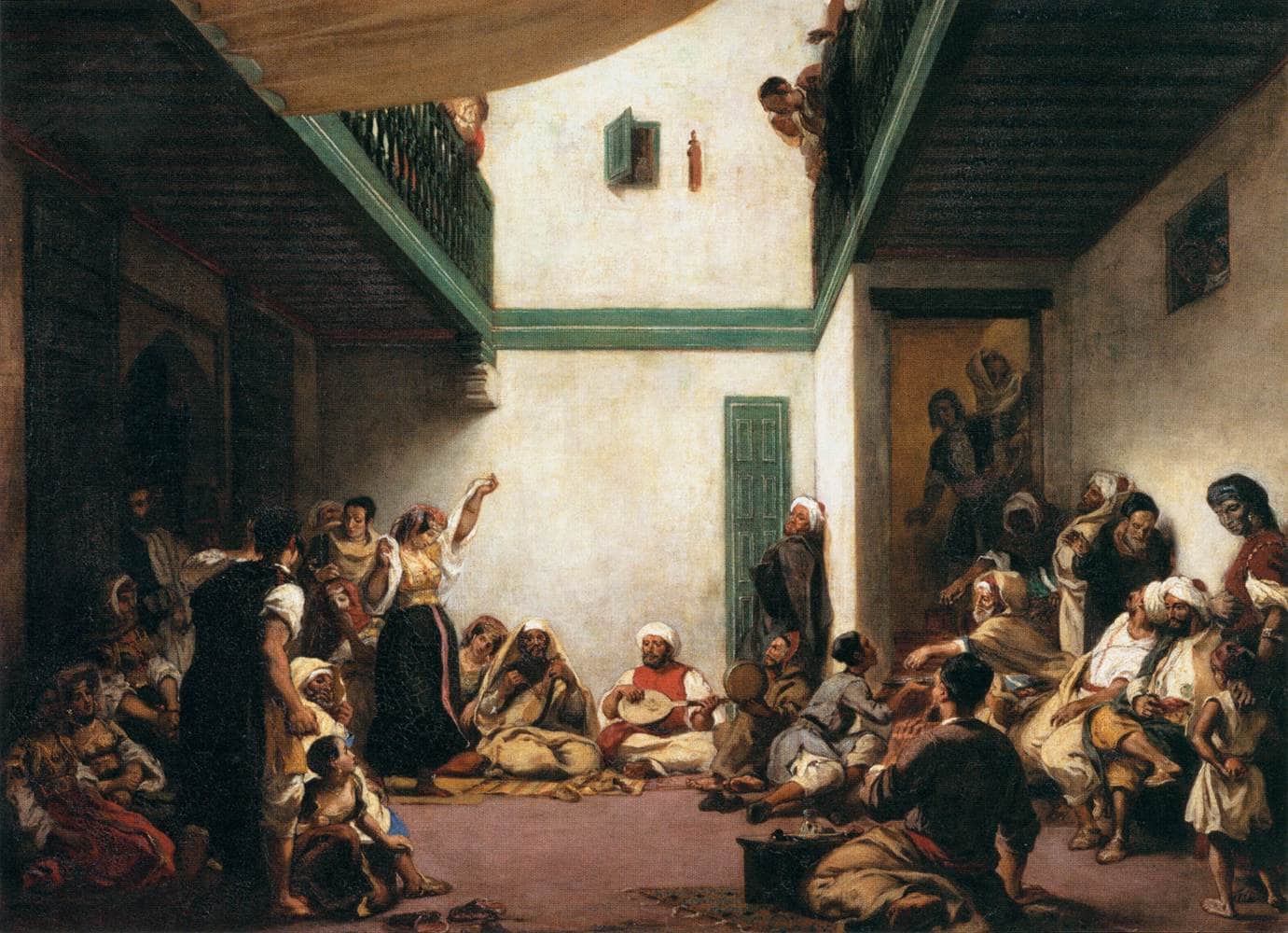
A Jewish wedding in Morocco
Exploring the Cultural Significance of A Jewish Wedding in Morocco
Eugene Delacroix's painting, A Jewish Wedding in Morocco, captures a vibrant moment in a rich cultural tapestry. This artwork not only showcases the beauty of a Jewish wedding but also reflects the intricate blend of traditions that define Moroccan Jewish life. Understanding the historical context of this painting reveals the deep-rooted customs and rituals that have shaped Jewish weddings in 19th century Morocco.
Historical Context of Jewish Weddings in 19th Century Morocco
In the 19th century, Moroccan Jewish weddings were grand celebrations filled with joy and community spirit. These events often lasted several days, featuring music, dance, and elaborate feasts. The Jewish community in Morocco, known for its unique customs, blended local Berber and Arab traditions into their ceremonies.
Traditions and Rituals: A Deep Dive into Moroccan Jewish Customs
Jewish weddings in Morocco included several fascinating rituals. The bride often wore a traditional caftan adorned with intricate embroidery, symbolizing her beauty and status. The ceremony featured the signing of the ketubah, a marriage contract that outlined the groom's responsibilities. This document was often beautifully illustrated, reflecting the couple's heritage.
Influence of Moroccan Culture on Jewish Wedding Ceremonies
Moroccan culture significantly influenced Jewish wedding ceremonies. Elements such as the use of henna, vibrant music, and communal dancing were integral to the celebrations. The blending of cultures created a unique atmosphere, where Jewish and Moroccan traditions coexisted harmoniously, enriching the wedding experience.
Artistic Techniques and Styles in Delacroix's Masterpiece
Delacroix's A Jewish Wedding in Morocco is not just a visual feast; it is a masterclass in artistic techniques. The painting showcases his ability to convey emotion and movement through color and brushwork, making it a standout piece in the Romantic art movement.
Color Palette: The Vibrant Hues of Moroccan Life
The color palette in this painting is a celebration of Moroccan life. Delacroix used rich reds, deep blues, and golden yellows to evoke the warmth and vibrancy of the culture. These colors not only enhance the visual appeal but also carry symbolic meanings within Jewish wedding traditions.
Symbolism of Colors in Jewish Wedding Traditions
In Jewish culture, colors hold significant meanings. For instance, white symbolizes purity and new beginnings, while red represents love and passion. Delacroix's choice of colors reflects these themes, adding depth to the emotional narrative of the wedding celebration.
Brushwork and Texture: Capturing Emotion and Movement
Delacroix's brushwork is dynamic and expressive. He skillfully used thick, textured strokes to create a sense of movement, making the viewer feel as if they are part of the celebration. This technique is characteristic of his Romantic style, where emotion takes center stage.
Delacroix's Signature Techniques: A Study of Expressionism
Delacroix was a pioneer of expressionism, and this painting exemplifies his innovative approach. His ability to convey the joy and excitement of the wedding through expressive brushwork and vibrant colors sets this artwork apart. It invites viewers to experience the celebration on a personal level.
Thematic Elements in A Jewish Wedding in Morocco
The themes in A Jewish Wedding in Morocco resonate deeply with viewers. Love, community, and faith are at the heart of this celebration, making it a timeless representation of human connection.
Love and Community: The Heart of the Celebration
The painting beautifully depicts the love shared between the couple and the community's involvement in the celebration. Family and friends gather, showcasing the importance of relationships in Jewish culture. This sense of togetherness is palpable, making the scene feel alive.
Interpersonal Relationships Depicted in the Painting
Delacroix captures the intimate moments between the couple and their loved ones. The expressions and gestures of the figures convey a sense of joy and support, highlighting the communal aspect of Jewish weddings. This focus on interpersonal relationships adds emotional depth to the artwork.
Religious Symbolism: Faith and Tradition in Art
Religious symbolism plays a crucial role in the painting. Delacroix incorporates elements that reflect Jewish faith and tradition, such as the presence of the chuppah, a canopy under which the couple stands during the ceremony. This symbolizes the home they will build together.
Exploring the Role of Jewish Symbols in the Artwork
Jewish symbols, such as the Star of David and the menorah, are subtly woven into the scene. These symbols enrich the narrative, connecting the celebration to the broader context of Jewish identity and heritage. Delacroix's attention to these details enhances the painting's cultural significance.
Delacroix's Influence on Modern Art and Culture
Eugene Delacroix's impact on the art world is profound. As a pioneer of Romanticism, his work has inspired countless artists and movements, leaving a lasting legacy that continues to resonate today.
Legacy of Eugene Delacroix: A Pioneer of Romanticism
Delacroix's innovative techniques and emotional depth set the stage for future generations of artists. His ability to convey complex themes through color and movement has influenced various art movements, including Impressionism and Expressionism.
Impact on Future Generations of Artists
Many modern artists draw inspiration from Delacroix's work. His exploration of human emotion and cultural themes encourages contemporary creators to delve into their own identities and experiences. This connection to the past enriches the art world today.
Modern Interpretations of Jewish Themes in Art
Delacroix's portrayal of Jewish themes continues to inspire artists exploring cultural diversity. His work serves as a reminder of the importance of representation in art, encouraging new interpretations of Jewish identity and heritage.
How Delacroix's Work Inspires Contemporary Artists
Contemporary artists often reference Delacroix's techniques and themes in their own work. By examining his approach to color, emotion, and cultural narratives, they create pieces that resonate with today's audiences while honoring the past.
Visiting the Original Painting: Where to Experience Delacroix's Work
For art enthusiasts, experiencing the original A Jewish Wedding in Morocco is a must. This masterpiece can be found in prestigious museums, allowing visitors to appreciate its beauty up close.
Locations of A Jewish Wedding in Morocco: Museums and Exhibitions
The original painting is housed in the Louvre Museum in Paris, France. This iconic institution is home to many of Delacroix's works, making it a prime destination for art lovers. Visitors can immerse themselves in the rich history and culture that this painting represents.
Notable Art Institutions Featuring Delacroix's Work
In addition to the Louvre, other notable institutions, such as the Musée des Beaux-Arts in Lyon, also feature Delacroix's works. These museums provide a comprehensive view of his artistic journey and contributions to the Romantic movement.
Art Tours: Exploring Jewish Heritage through Delacroix's Lens
Art tours focusing on Jewish heritage often include Delacroix's work. These guided experiences offer insights into the cultural significance of his paintings, allowing participants to explore the intersection of art and history.
Guided Tours and Cultural Experiences in Morocco
Travelers can also find guided tours in Morocco that highlight Jewish heritage. These tours often visit historical synagogues and Jewish neighborhoods, providing a deeper understanding of the cultural context behind Delacroix's painting.
FAQs about A Jewish Wedding in Morocco
What is the story behind A Jewish Wedding in Morocco?
The painting depicts a joyous Jewish wedding ceremony in Morocco, showcasing the rich cultural traditions of the Jewish community in the 19th century.
How does Delacroix portray the Jewish wedding ceremony?
Delacroix captures the vibrant atmosphere of the wedding through expressive colors and dynamic brushwork, highlighting the love and community spirit of the celebration.
What are the key symbols found in the painting?
Key symbols include the chuppah, representing the couple's new home, and various Jewish symbols that connect the celebration to Jewish identity and faith.
How does this painting reflect the cultural diversity of Morocco?
The painting illustrates the blending of Jewish and Moroccan traditions, showcasing the rich cultural tapestry that defines Moroccan Jewish life.
What techniques did Delacroix use to create this artwork?
Delacroix employed vibrant colors, expressive brushwork, and dynamic composition to convey emotion and movement, characteristic of his Romantic style.
Where can I see the original painting by Delacroix?
The original A Jewish Wedding in Morocco is located in the Louvre Museum in Paris, France, where visitors can appreciate its beauty and historical significance.
What should I know about reproducing this painting for my home?
When considering a reproduction of A Jewish Wedding in Morocco, opt for a high-quality painting reproduction. These reproductions capture the intricate details and vibrant colors of the original artwork, providing a superior aesthetic experience compared to standard prints.
Original: $299.95
-70%$299.95
$89.98Product Information
Product Information
Shipping & Returns
Shipping & Returns
Description
Exploring the Cultural Significance of A Jewish Wedding in Morocco
Eugene Delacroix's painting, A Jewish Wedding in Morocco, captures a vibrant moment in a rich cultural tapestry. This artwork not only showcases the beauty of a Jewish wedding but also reflects the intricate blend of traditions that define Moroccan Jewish life. Understanding the historical context of this painting reveals the deep-rooted customs and rituals that have shaped Jewish weddings in 19th century Morocco.
Historical Context of Jewish Weddings in 19th Century Morocco
In the 19th century, Moroccan Jewish weddings were grand celebrations filled with joy and community spirit. These events often lasted several days, featuring music, dance, and elaborate feasts. The Jewish community in Morocco, known for its unique customs, blended local Berber and Arab traditions into their ceremonies.
Traditions and Rituals: A Deep Dive into Moroccan Jewish Customs
Jewish weddings in Morocco included several fascinating rituals. The bride often wore a traditional caftan adorned with intricate embroidery, symbolizing her beauty and status. The ceremony featured the signing of the ketubah, a marriage contract that outlined the groom's responsibilities. This document was often beautifully illustrated, reflecting the couple's heritage.
Influence of Moroccan Culture on Jewish Wedding Ceremonies
Moroccan culture significantly influenced Jewish wedding ceremonies. Elements such as the use of henna, vibrant music, and communal dancing were integral to the celebrations. The blending of cultures created a unique atmosphere, where Jewish and Moroccan traditions coexisted harmoniously, enriching the wedding experience.
Artistic Techniques and Styles in Delacroix's Masterpiece
Delacroix's A Jewish Wedding in Morocco is not just a visual feast; it is a masterclass in artistic techniques. The painting showcases his ability to convey emotion and movement through color and brushwork, making it a standout piece in the Romantic art movement.
Color Palette: The Vibrant Hues of Moroccan Life
The color palette in this painting is a celebration of Moroccan life. Delacroix used rich reds, deep blues, and golden yellows to evoke the warmth and vibrancy of the culture. These colors not only enhance the visual appeal but also carry symbolic meanings within Jewish wedding traditions.
Symbolism of Colors in Jewish Wedding Traditions
In Jewish culture, colors hold significant meanings. For instance, white symbolizes purity and new beginnings, while red represents love and passion. Delacroix's choice of colors reflects these themes, adding depth to the emotional narrative of the wedding celebration.
Brushwork and Texture: Capturing Emotion and Movement
Delacroix's brushwork is dynamic and expressive. He skillfully used thick, textured strokes to create a sense of movement, making the viewer feel as if they are part of the celebration. This technique is characteristic of his Romantic style, where emotion takes center stage.
Delacroix's Signature Techniques: A Study of Expressionism
Delacroix was a pioneer of expressionism, and this painting exemplifies his innovative approach. His ability to convey the joy and excitement of the wedding through expressive brushwork and vibrant colors sets this artwork apart. It invites viewers to experience the celebration on a personal level.
Thematic Elements in A Jewish Wedding in Morocco
The themes in A Jewish Wedding in Morocco resonate deeply with viewers. Love, community, and faith are at the heart of this celebration, making it a timeless representation of human connection.
Love and Community: The Heart of the Celebration
The painting beautifully depicts the love shared between the couple and the community's involvement in the celebration. Family and friends gather, showcasing the importance of relationships in Jewish culture. This sense of togetherness is palpable, making the scene feel alive.
Interpersonal Relationships Depicted in the Painting
Delacroix captures the intimate moments between the couple and their loved ones. The expressions and gestures of the figures convey a sense of joy and support, highlighting the communal aspect of Jewish weddings. This focus on interpersonal relationships adds emotional depth to the artwork.
Religious Symbolism: Faith and Tradition in Art
Religious symbolism plays a crucial role in the painting. Delacroix incorporates elements that reflect Jewish faith and tradition, such as the presence of the chuppah, a canopy under which the couple stands during the ceremony. This symbolizes the home they will build together.
Exploring the Role of Jewish Symbols in the Artwork
Jewish symbols, such as the Star of David and the menorah, are subtly woven into the scene. These symbols enrich the narrative, connecting the celebration to the broader context of Jewish identity and heritage. Delacroix's attention to these details enhances the painting's cultural significance.
Delacroix's Influence on Modern Art and Culture
Eugene Delacroix's impact on the art world is profound. As a pioneer of Romanticism, his work has inspired countless artists and movements, leaving a lasting legacy that continues to resonate today.
Legacy of Eugene Delacroix: A Pioneer of Romanticism
Delacroix's innovative techniques and emotional depth set the stage for future generations of artists. His ability to convey complex themes through color and movement has influenced various art movements, including Impressionism and Expressionism.
Impact on Future Generations of Artists
Many modern artists draw inspiration from Delacroix's work. His exploration of human emotion and cultural themes encourages contemporary creators to delve into their own identities and experiences. This connection to the past enriches the art world today.
Modern Interpretations of Jewish Themes in Art
Delacroix's portrayal of Jewish themes continues to inspire artists exploring cultural diversity. His work serves as a reminder of the importance of representation in art, encouraging new interpretations of Jewish identity and heritage.
How Delacroix's Work Inspires Contemporary Artists
Contemporary artists often reference Delacroix's techniques and themes in their own work. By examining his approach to color, emotion, and cultural narratives, they create pieces that resonate with today's audiences while honoring the past.
Visiting the Original Painting: Where to Experience Delacroix's Work
For art enthusiasts, experiencing the original A Jewish Wedding in Morocco is a must. This masterpiece can be found in prestigious museums, allowing visitors to appreciate its beauty up close.
Locations of A Jewish Wedding in Morocco: Museums and Exhibitions
The original painting is housed in the Louvre Museum in Paris, France. This iconic institution is home to many of Delacroix's works, making it a prime destination for art lovers. Visitors can immerse themselves in the rich history and culture that this painting represents.
Notable Art Institutions Featuring Delacroix's Work
In addition to the Louvre, other notable institutions, such as the Musée des Beaux-Arts in Lyon, also feature Delacroix's works. These museums provide a comprehensive view of his artistic journey and contributions to the Romantic movement.
Art Tours: Exploring Jewish Heritage through Delacroix's Lens
Art tours focusing on Jewish heritage often include Delacroix's work. These guided experiences offer insights into the cultural significance of his paintings, allowing participants to explore the intersection of art and history.
Guided Tours and Cultural Experiences in Morocco
Travelers can also find guided tours in Morocco that highlight Jewish heritage. These tours often visit historical synagogues and Jewish neighborhoods, providing a deeper understanding of the cultural context behind Delacroix's painting.
FAQs about A Jewish Wedding in Morocco
What is the story behind A Jewish Wedding in Morocco?
The painting depicts a joyous Jewish wedding ceremony in Morocco, showcasing the rich cultural traditions of the Jewish community in the 19th century.
How does Delacroix portray the Jewish wedding ceremony?
Delacroix captures the vibrant atmosphere of the wedding through expressive colors and dynamic brushwork, highlighting the love and community spirit of the celebration.
What are the key symbols found in the painting?
Key symbols include the chuppah, representing the couple's new home, and various Jewish symbols that connect the celebration to Jewish identity and faith.
How does this painting reflect the cultural diversity of Morocco?
The painting illustrates the blending of Jewish and Moroccan traditions, showcasing the rich cultural tapestry that defines Moroccan Jewish life.
What techniques did Delacroix use to create this artwork?
Delacroix employed vibrant colors, expressive brushwork, and dynamic composition to convey emotion and movement, characteristic of his Romantic style.
Where can I see the original painting by Delacroix?
The original A Jewish Wedding in Morocco is located in the Louvre Museum in Paris, France, where visitors can appreciate its beauty and historical significance.
What should I know about reproducing this painting for my home?
When considering a reproduction of A Jewish Wedding in Morocco, opt for a high-quality painting reproduction. These reproductions capture the intricate details and vibrant colors of the original artwork, providing a superior aesthetic experience compared to standard prints.