🚚 Free Worldwide Shipping on All Orders!Shop Now

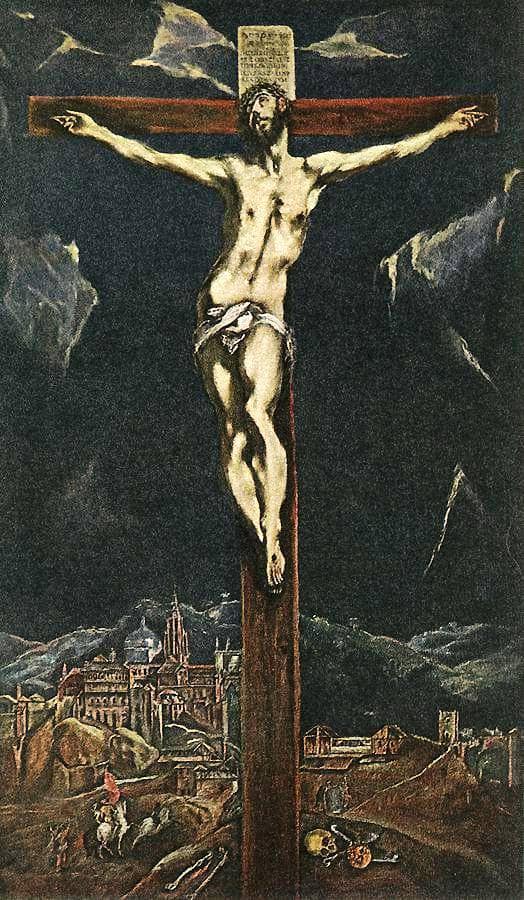
Christ in Agony on the Cross
Exploring El Greco's Masterpiece: Christ in Agony on the Cross
Historical Context of El Greco's Work
The Influence of the Spanish Renaissance
El Greco, born Domenikos Theotokopoulos in Crete, became a pivotal figure in the Spanish Renaissance. His arrival in Spain in the late 16th century coincided with a flourishing of religious art. This period saw a blend of Gothic, Mannerist, and Baroque styles, which influenced El Greco's unique approach. His works often reflect the spiritual fervor of the time, capturing the essence of Catholic devotion during the Counter-Reformation.El Greco's Unique Artistic Journey
El Greco's artistic journey was anything but conventional. He trained in Venice, absorbing the techniques of Titian and Tintoretto. However, his style evolved into something distinctly his own, characterized by elongated figures and dramatic expressions. His move to Toledo allowed him to explore themes of spirituality and mysticism, culminating in masterpieces like "Christ in Agony on the Cross."Religious Themes in 16th Century Art
The 16th century was a time of intense religious upheaval. Artists like El Greco responded to the spiritual needs of their audiences. His works often depict profound religious themes, emphasizing the struggle between the divine and the human. "Christ in Agony on the Cross" embodies this struggle, showcasing the emotional turmoil of Christ's sacrifice.Symbolism and Meaning Behind Christ in Agony on the Cross
The Representation of Suffering and Redemption
In "Christ in Agony on the Cross," El Greco powerfully conveys the themes of suffering and redemption. The painting captures the moment of Christ's anguish, highlighting his humanity. This portrayal invites viewers to reflect on the pain of sacrifice and the promise of salvation, making it a profound meditation on faith.Color Palette and Its Emotional Impact
El Greco's use of color in this painting is striking. The deep blues and somber reds evoke a sense of sorrow and despair. The contrasting light illuminates Christ's figure, symbolizing hope amidst suffering. This emotional color palette enhances the viewer's connection to the scene, making the experience deeply moving.Iconography: The Cross and Its Significance
The cross in El Greco's painting is not just a physical object; it represents the intersection of suffering and divine love. The way Christ is depicted on the cross emphasizes his vulnerability and strength. This iconography serves as a reminder of the central tenets of Christianity, making the painting a powerful symbol of faith.Artistic Techniques and Style of El Greco
Brushwork and Texture: A Closer Look
El Greco's brushwork in "Christ in Agony on the Cross" is both expressive and deliberate. He employs a technique that creates a rich texture, drawing the viewer's eye to the details of Christ's suffering. The dynamic strokes convey movement and emotion, making the scene feel alive.Use of Light and Shadow in the Painting
Light and shadow play a crucial role in this artwork. El Greco masterfully uses chiaroscuro to highlight the contours of Christ's body. This technique not only adds depth but also enhances the emotional intensity of the scene, allowing viewers to feel the weight of the moment.El Greco's Distinctive Figures and Proportions
One of El Greco's trademarks is his distinctive portrayal of figures. In "Christ in Agony on the Cross," Christ's elongated form and expressive face reflect El Greco's unique style. This approach emphasizes the spiritual over the physical, inviting viewers to engage with the deeper meaning of the work.Comparative Analysis: Christ in Agony on the Cross and Other Works
Contrasting with Other Crucifixion Paintings
When compared to other crucifixion paintings, El Greco's work stands out for its emotional depth. While many artists focus on the physical aspects of the crucifixion, El Greco delves into the psychological and spiritual dimensions. This makes "Christ in Agony on the Cross" a unique interpretation of a well-trodden theme.El Greco's Influence on Later Artists
El Greco's innovative style influenced many artists who followed him. His emphasis on emotion and spirituality can be seen in the works of later painters like Vincent van Gogh and Pablo Picasso. They drew inspiration from his ability to convey deep feelings through color and form.Similarities with Other Religious Artworks
"Christ in Agony on the Cross" shares thematic similarities with other religious artworks of the time. Like Caravaggio's works, it explores the tension between light and dark, faith and doubt. However, El Greco's unique style sets it apart, making it a significant contribution to religious art.Visiting the Original: Where to Experience El Greco's Art
Key Museums Housing Christ in Agony on the Cross
Art enthusiasts can view "Christ in Agony on the Cross" at the Museo de Santa Cruz in Toledo, Spain. This museum houses a rich collection of El Greco's works, allowing visitors to immerse themselves in his artistic legacy. The setting enhances the experience, as Toledo was a significant part of El Greco's life.Art Exhibitions Featuring El Greco's Works
Various art exhibitions around the world showcase El Greco's masterpieces. These exhibitions often highlight his contributions to the Spanish Renaissance and his influence on modern art. Attending these events provides a deeper understanding of his work and its historical context.Virtual Tours and Online Resources
For those unable to travel, virtual tours and online resources offer a glimpse into El Greco's world. Many museums provide digital access to their collections, allowing art lovers to explore "Christ in Agony on the Cross" from the comfort of their homes. These resources often include expert commentary and detailed analyses.Understanding the Legacy of El Greco's Christ in Agony on the Cross
Impact on Modern Art and Culture
El Greco's "Christ in Agony on the Cross" continues to resonate in modern art and culture. Its exploration of human emotion and spirituality influences contemporary artists. The painting serves as a reminder of the enduring power of faith and the human experience.El Greco's Enduring Influence in Contemporary Religious Art
Today, El Greco's work inspires many contemporary religious artists. His ability to convey complex emotions through art remains relevant. "Christ in Agony on the Cross" exemplifies how art can express profound spiritual truths, making it a timeless piece.Art Criticism and Reception Over the Centuries
Over the centuries, "Christ in Agony on the Cross" has received varied interpretations from art critics. Initially, some viewed El Greco's style as unconventional. However, as appreciation for his unique vision grew, critics began to recognize the depth and significance of his work.FAQs About Christ in Agony on the Cross
What is the story behind Christ in Agony on the Cross?
"Christ in Agony on the Cross" depicts the moment of Christ's suffering before his crucifixion. It captures the emotional turmoil and sacrifice inherent in this pivotal moment of Christian faith.What techniques did El Greco use in this painting?
El Greco employed techniques such as chiaroscuro, expressive brushwork, and a unique color palette to convey emotion and depth in "Christ in Agony on the Cross."How does this painting reflect El Greco's style?
The painting reflects El Greco's distinctive style through its elongated figures, dramatic use of color, and emotional intensity, all hallmarks of his artistic approach.What emotions does Christ in Agony on the Cross evoke?
The painting evokes a range of emotions, including sorrow, empathy, and contemplation. It invites viewers to reflect on the themes of suffering and redemption.Where can I see the original painting today?
You can see the original "Christ in Agony on the Cross" at the Museo de Santa Cruz in Toledo, Spain, where it is part of a significant collection of El Greco's works.FAQs About the Painting Reproduction
What should I consider when purchasing a reproduction of this painting?
When purchasing a reproduction of "Christ in Agony on the Cross," consider the quality of materials, the accuracy of colors, and the craftsmanship involved. A high-quality painting reproduction captures the essence of the original artwork.How can I ensure the quality of the reproduction?
To ensure quality, look for reputable art reproduction companies that specialize in oil painting reproductions. Check customer reviews and request samples if possible to assess the craftsmanship and detail.Select Size
From $89.98
Original: $299.95
-70%Christ in Agony on the Cross—
$299.95
$89.98Product Information
Product Information
Shipping & Returns
Shipping & Returns