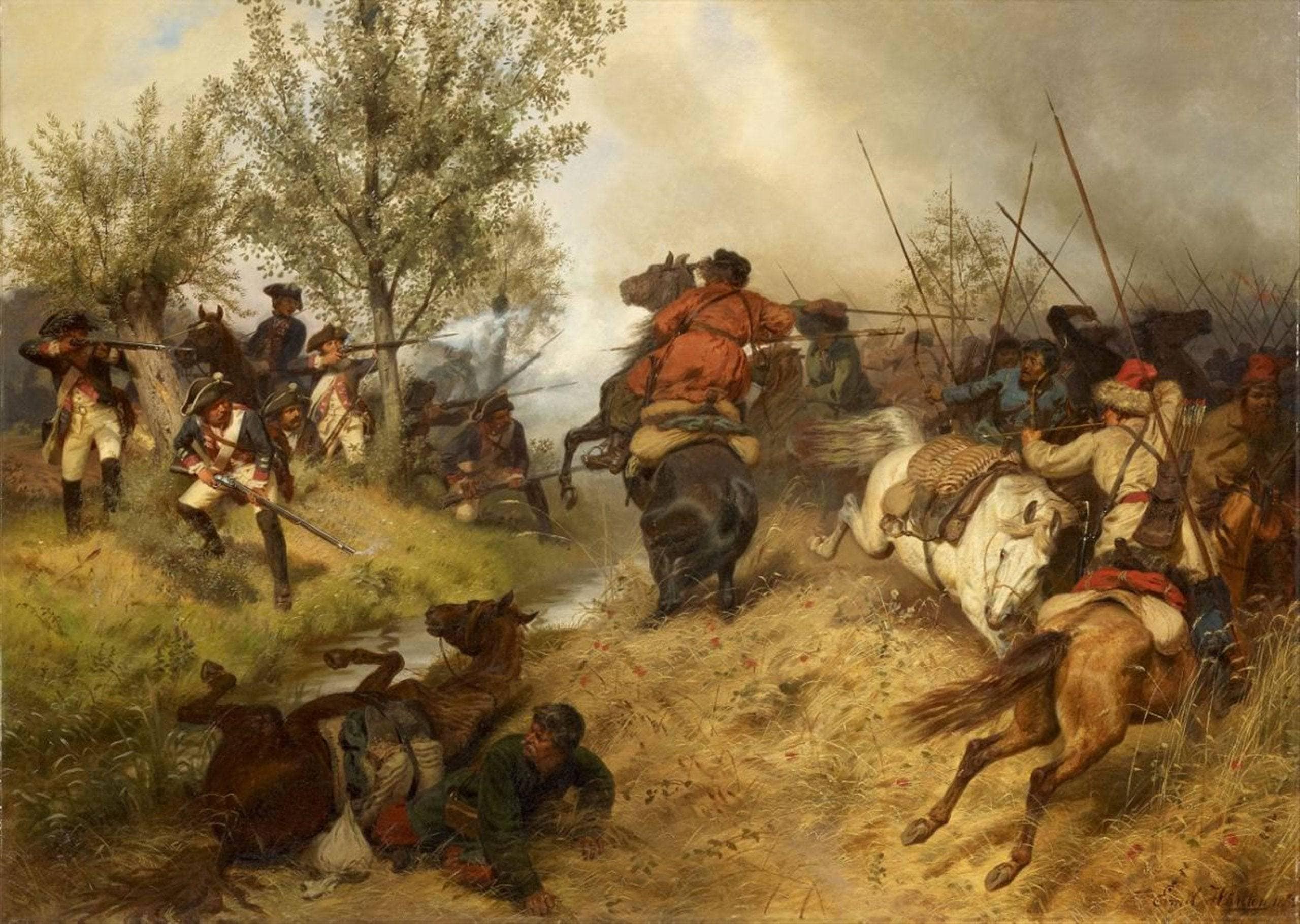
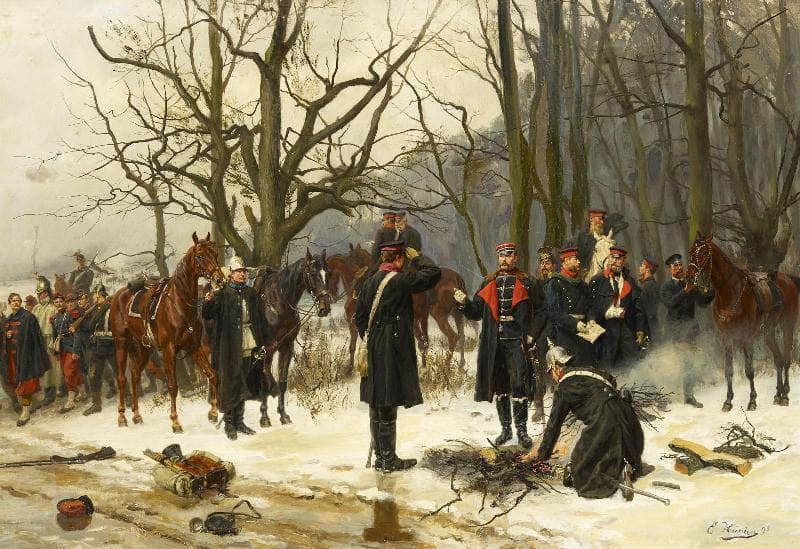
Prinz Friedrich Carl in Den Tagen Vor Orléans
Exploring the Historical Significance of Prinz Friedrich Carl in Den Tagen Vor Orléans
The Context of the Franco-Prussian War
Understanding the Political Landscape of 1870
The year 1870 marked a pivotal moment in European history, as tensions escalated between France and the German states. The Franco-Prussian War was not just a military conflict; it was a struggle for national identity and unity. The war ultimately led to the unification of Germany under Prussian leadership, reshaping the continent's political landscape. This backdrop provides a rich context for Emil Hünten's portrayal of Prinz Friedrich Carl, a key figure in this transformative period.
Prinz Friedrich Carl's Role in Military Strategy
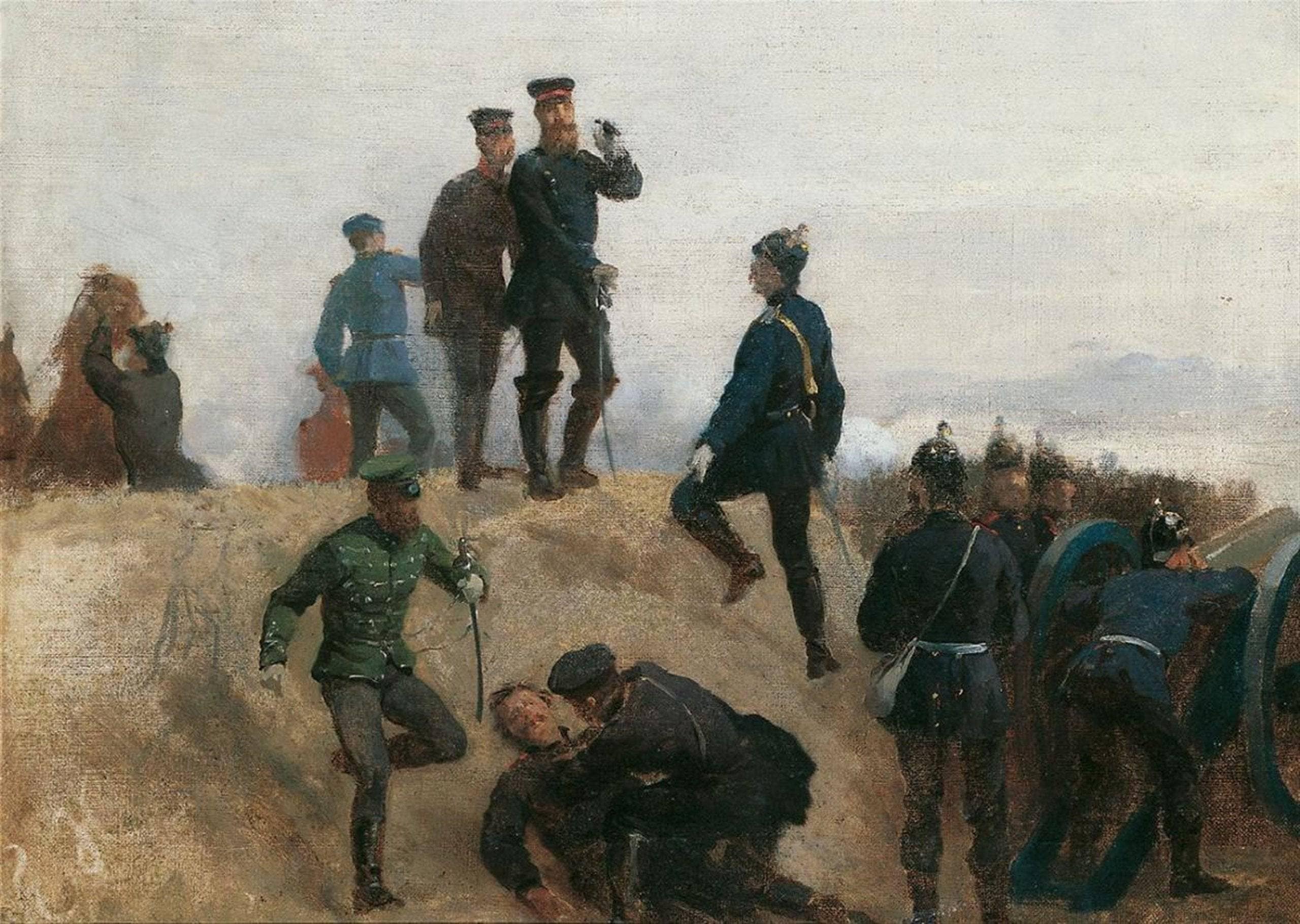
Prinz Friedrich Carl von Preußen played a crucial role in the Franco-Prussian War, leading troops with strategic brilliance. His leadership during the Siege of Paris showcased his military acumen and dedication to the Prussian cause. Hünten's painting captures not just the likeness of the prince but also the essence of his leadership, embodying the spirit of a nation on the brink of unification.
Artistic Techniques and Styles in Emil Hünten's Masterpiece
Oil Painting Techniques: A Closer Look
Brushwork and Color Palette Analysis
Emil Hünten employed masterful oil painting techniques to bring Prinz Friedrich Carl to life. His brushwork is both precise and expressive, creating a dynamic texture that draws the viewer in. The color palette is rich and varied, featuring deep blues and warm earth tones that evoke a sense of nobility and strength. This careful selection of colors enhances the emotional impact of the painting.
Light and Shadow: Creating Depth in the Composition
Hünten skillfully uses light and shadow to create depth and dimension in the composition. The interplay of light highlights the prince's features, emphasizing his determined expression. Shadows add a dramatic effect, suggesting the weight of leadership and the challenges faced during wartime. This technique not only enhances the visual appeal but also conveys the gravity of the historical moment.
The Symbolism Behind Prinz Friedrich Carl's Portrayal
Military Leadership and Valor in Art
The portrayal of Prinz Friedrich Carl is rich with symbolism, representing military leadership and valor. His confident stance and commanding presence reflect the qualities admired in a leader during a time of conflict. Hünten's work serves as a tribute to the bravery and dedication of those who fought for the German Empire.
Embodying the Spirit of the German Empire
In this painting, Prinz Friedrich Carl embodies the spirit of the German Empire, symbolizing unity and strength. His uniform, adorned with medals, signifies honor and valor, while the background hints at the tumultuous times of the Franco-Prussian War. This representation resonates with the national pride that emerged from the war's outcome.
Iconography: The Elements of Power and Authority
Hünten incorporates various elements of iconography to convey power and authority. The prince's posture, the details of his uniform, and the subtle inclusion of military insignia all contribute to a narrative of leadership. These elements work together to create a powerful image that speaks to the viewer about the responsibilities and burdens of command.
Emil Hünten: The Artist Behind the Canvas
A Brief Biography of Emil Hünten
Emil Hünten was a prominent German painter known for his historical and military subjects. Born in 1840, he developed a passion for art early in life. His works often reflect the spirit of his time, capturing the essence of 19th-century German nationalism.
Influences and Artistic Journey
Hünten's artistic journey was influenced by the Romantic movement, which emphasized emotion and individualism. He studied under notable artists and honed his skills in capturing the human form and historical narratives. His dedication to portraying military themes made him a sought-after artist during and after the Franco-Prussian War.
Hünten's Contribution to 19th Century Art
H√ºnten's contributions to 19th-century art are significant, particularly in the realm of historical painting. His ability to blend realism with emotional depth set him apart from his contemporaries. Through works like "Prinz Friedrich Carl in Den Tagen Vor Orléans," he left a lasting legacy that continues to resonate with art lovers and historians alike.
Comparative Analysis: Prinz Friedrich Carl and Other Historical Portraits
Similarities with Contemporary Military Portraits
Hünten's portrayal of Prinz Friedrich Carl shares similarities with other contemporary military portraits. Like many artists of the time, Hünten aimed to capture the heroism and valor of military leaders. His work stands out for its emotional depth and historical accuracy, making it a significant contribution to the genre.
Contrasting Styles: Hünten vs. Other Artists of the Era
While many artists focused on idealized representations, Hünten's style is marked by a commitment to realism. His attention to detail and the psychological depth of his subjects contrast with the more romanticized portrayals of his peers. This unique approach allows viewers to connect with the historical context on a deeper level.
Viewing Experience: What to Expect from the Original Painting
Location and Accessibility of the Artwork
The original painting, "Prinz Friedrich Carl in Den Tagen Vor Orléans," is housed in a prestigious museum, where it is accessible to the public. Visitors can experience the grandeur of this historical piece up close, allowing for a deeper appreciation of H√ºnten's artistry.
Exhibition Details and Viewing Conditions
Exhibition details vary, but the painting is often displayed in well-lit galleries that enhance its visual impact. The viewing conditions are designed to provide an immersive experience, allowing art enthusiasts to engage with the historical narrative and artistic techniques employed by Hünten.
FAQs About Prinz Friedrich Carl in Den Tagen Vor Orléans
Common Questions About the Painting
What is the historical significance of Prinz Friedrich Carl in this painting?
This painting captures a key moment in the Franco-Prussian War, highlighting the role of Prinz Friedrich Carl as a military leader. It symbolizes the unification of Germany and the emergence of a national identity.
How does Emil Hünten's style reflect the era in which he painted?
Hünten's style reflects the Romantic ideals of the 19th century, emphasizing emotion, realism, and historical accuracy. His focus on military subjects resonates with the nationalistic sentiments of the time.
What are the key elements of the composition in this artwork?
The key elements include the prince's commanding posture, the intricate details of his uniform, and the use of light and shadow to create depth. These elements work together to convey a powerful narrative of leadership and valor.
Where can I view the original painting today?
The original painting can be viewed at a renowned museum, where it is part of a collection dedicated to 19th-century art and history. Check the museum's website for current exhibition details.
What emotions does the painting evoke in viewers?
Viewers often feel a sense of admiration and respect for the depicted leader. The painting evokes emotions of pride, courage, and a connection to the historical narrative of the German Empire.
Questions About the Painting Reproduction
How does the reproduction capture the essence of the original painting?
A high-quality painting reproduction captures the essence of Hünten's original work by using superior materials and techniques. Unlike prints, these reproductions reflect the texture, color depth, and emotional impact of the original artwork.
What should I consider when purchasing a reproduction of this artwork?
When purchasing a reproduction, consider the quality of materials, the artist's attention to detail, and the overall craftsmanship. A well-made reproduction can enhance your space while honoring the historical significance of the original painting.
Original: $299.95
-70%$299.95
$89.98Product Information
Product Information
Shipping & Returns
Shipping & Returns
Description
Exploring the Historical Significance of Prinz Friedrich Carl in Den Tagen Vor Orléans
The Context of the Franco-Prussian War
Understanding the Political Landscape of 1870
The year 1870 marked a pivotal moment in European history, as tensions escalated between France and the German states. The Franco-Prussian War was not just a military conflict; it was a struggle for national identity and unity. The war ultimately led to the unification of Germany under Prussian leadership, reshaping the continent's political landscape. This backdrop provides a rich context for Emil Hünten's portrayal of Prinz Friedrich Carl, a key figure in this transformative period.
Prinz Friedrich Carl's Role in Military Strategy
Prinz Friedrich Carl von Preußen played a crucial role in the Franco-Prussian War, leading troops with strategic brilliance. His leadership during the Siege of Paris showcased his military acumen and dedication to the Prussian cause. Hünten's painting captures not just the likeness of the prince but also the essence of his leadership, embodying the spirit of a nation on the brink of unification.
Artistic Techniques and Styles in Emil Hünten's Masterpiece
Oil Painting Techniques: A Closer Look
Brushwork and Color Palette Analysis
Emil Hünten employed masterful oil painting techniques to bring Prinz Friedrich Carl to life. His brushwork is both precise and expressive, creating a dynamic texture that draws the viewer in. The color palette is rich and varied, featuring deep blues and warm earth tones that evoke a sense of nobility and strength. This careful selection of colors enhances the emotional impact of the painting.
Light and Shadow: Creating Depth in the Composition
Hünten skillfully uses light and shadow to create depth and dimension in the composition. The interplay of light highlights the prince's features, emphasizing his determined expression. Shadows add a dramatic effect, suggesting the weight of leadership and the challenges faced during wartime. This technique not only enhances the visual appeal but also conveys the gravity of the historical moment.
The Symbolism Behind Prinz Friedrich Carl's Portrayal
Military Leadership and Valor in Art
The portrayal of Prinz Friedrich Carl is rich with symbolism, representing military leadership and valor. His confident stance and commanding presence reflect the qualities admired in a leader during a time of conflict. Hünten's work serves as a tribute to the bravery and dedication of those who fought for the German Empire.
Embodying the Spirit of the German Empire
In this painting, Prinz Friedrich Carl embodies the spirit of the German Empire, symbolizing unity and strength. His uniform, adorned with medals, signifies honor and valor, while the background hints at the tumultuous times of the Franco-Prussian War. This representation resonates with the national pride that emerged from the war's outcome.
Iconography: The Elements of Power and Authority
Hünten incorporates various elements of iconography to convey power and authority. The prince's posture, the details of his uniform, and the subtle inclusion of military insignia all contribute to a narrative of leadership. These elements work together to create a powerful image that speaks to the viewer about the responsibilities and burdens of command.
Emil Hünten: The Artist Behind the Canvas
A Brief Biography of Emil Hünten
Emil Hünten was a prominent German painter known for his historical and military subjects. Born in 1840, he developed a passion for art early in life. His works often reflect the spirit of his time, capturing the essence of 19th-century German nationalism.
Influences and Artistic Journey
Hünten's artistic journey was influenced by the Romantic movement, which emphasized emotion and individualism. He studied under notable artists and honed his skills in capturing the human form and historical narratives. His dedication to portraying military themes made him a sought-after artist during and after the Franco-Prussian War.
Hünten's Contribution to 19th Century Art
H√ºnten's contributions to 19th-century art are significant, particularly in the realm of historical painting. His ability to blend realism with emotional depth set him apart from his contemporaries. Through works like "Prinz Friedrich Carl in Den Tagen Vor Orléans," he left a lasting legacy that continues to resonate with art lovers and historians alike.
Comparative Analysis: Prinz Friedrich Carl and Other Historical Portraits
Similarities with Contemporary Military Portraits
Hünten's portrayal of Prinz Friedrich Carl shares similarities with other contemporary military portraits. Like many artists of the time, Hünten aimed to capture the heroism and valor of military leaders. His work stands out for its emotional depth and historical accuracy, making it a significant contribution to the genre.
Contrasting Styles: Hünten vs. Other Artists of the Era
While many artists focused on idealized representations, Hünten's style is marked by a commitment to realism. His attention to detail and the psychological depth of his subjects contrast with the more romanticized portrayals of his peers. This unique approach allows viewers to connect with the historical context on a deeper level.
Viewing Experience: What to Expect from the Original Painting
Location and Accessibility of the Artwork
The original painting, "Prinz Friedrich Carl in Den Tagen Vor Orléans," is housed in a prestigious museum, where it is accessible to the public. Visitors can experience the grandeur of this historical piece up close, allowing for a deeper appreciation of H√ºnten's artistry.
Exhibition Details and Viewing Conditions
Exhibition details vary, but the painting is often displayed in well-lit galleries that enhance its visual impact. The viewing conditions are designed to provide an immersive experience, allowing art enthusiasts to engage with the historical narrative and artistic techniques employed by Hünten.
FAQs About Prinz Friedrich Carl in Den Tagen Vor Orléans
Common Questions About the Painting
What is the historical significance of Prinz Friedrich Carl in this painting?
This painting captures a key moment in the Franco-Prussian War, highlighting the role of Prinz Friedrich Carl as a military leader. It symbolizes the unification of Germany and the emergence of a national identity.
How does Emil Hünten's style reflect the era in which he painted?
Hünten's style reflects the Romantic ideals of the 19th century, emphasizing emotion, realism, and historical accuracy. His focus on military subjects resonates with the nationalistic sentiments of the time.
What are the key elements of the composition in this artwork?
The key elements include the prince's commanding posture, the intricate details of his uniform, and the use of light and shadow to create depth. These elements work together to convey a powerful narrative of leadership and valor.
Where can I view the original painting today?
The original painting can be viewed at a renowned museum, where it is part of a collection dedicated to 19th-century art and history. Check the museum's website for current exhibition details.
What emotions does the painting evoke in viewers?
Viewers often feel a sense of admiration and respect for the depicted leader. The painting evokes emotions of pride, courage, and a connection to the historical narrative of the German Empire.
Questions About the Painting Reproduction
How does the reproduction capture the essence of the original painting?
A high-quality painting reproduction captures the essence of Hünten's original work by using superior materials and techniques. Unlike prints, these reproductions reflect the texture, color depth, and emotional impact of the original artwork.
What should I consider when purchasing a reproduction of this artwork?
When purchasing a reproduction, consider the quality of materials, the artist's attention to detail, and the overall craftsmanship. A well-made reproduction can enhance your space while honoring the historical significance of the original painting.