🚚 Free Worldwide Shipping on All Orders!Shop Now

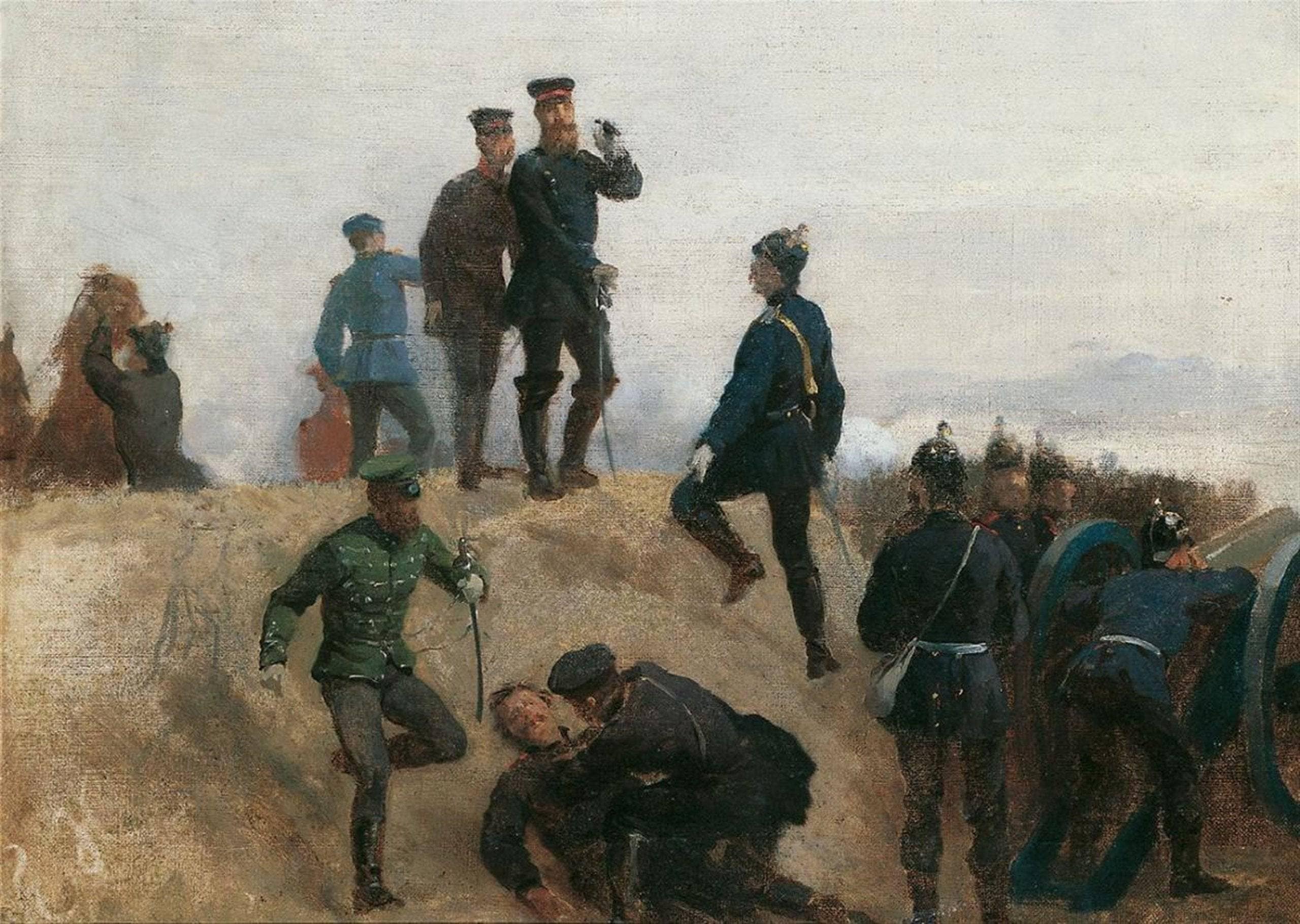
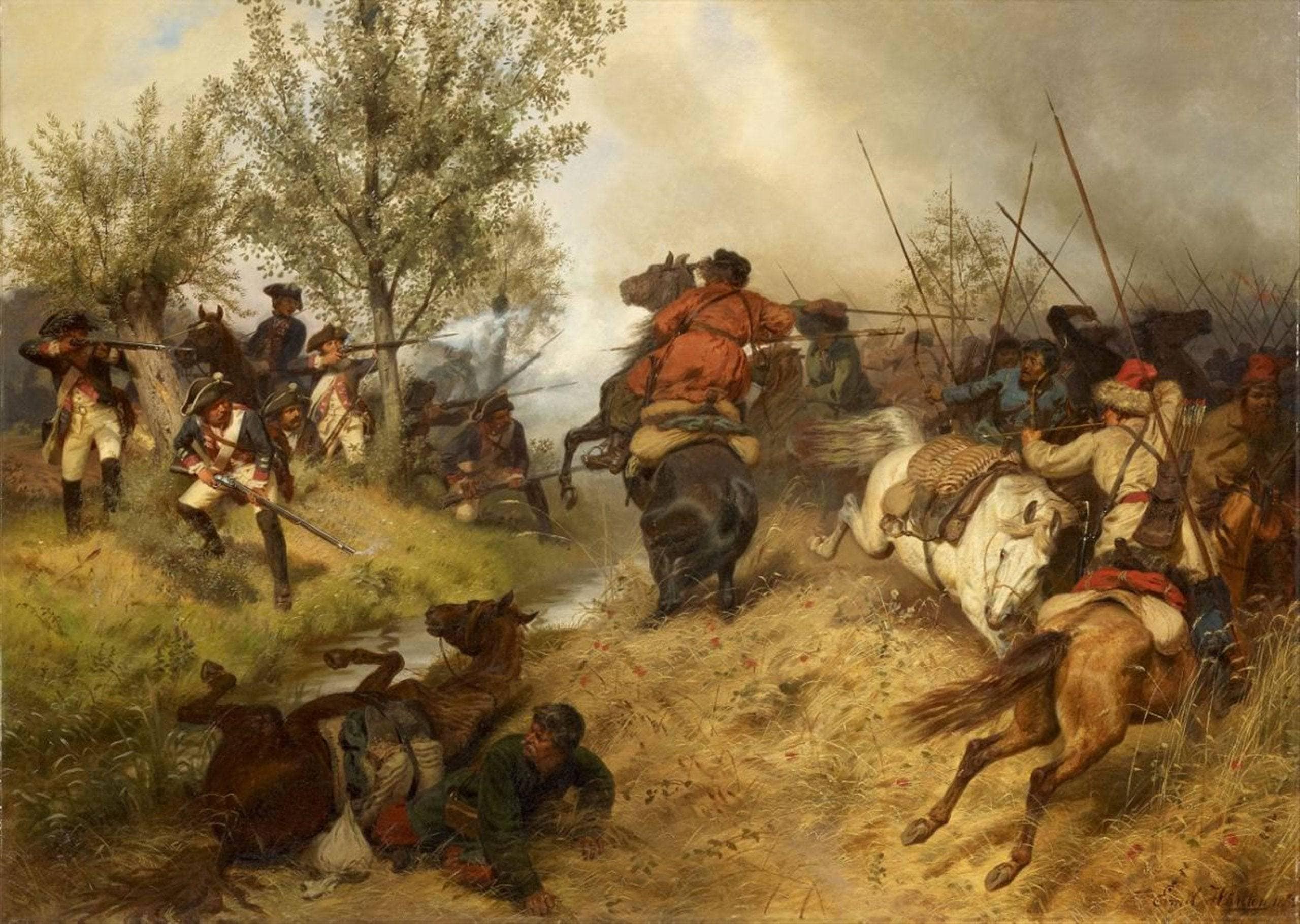
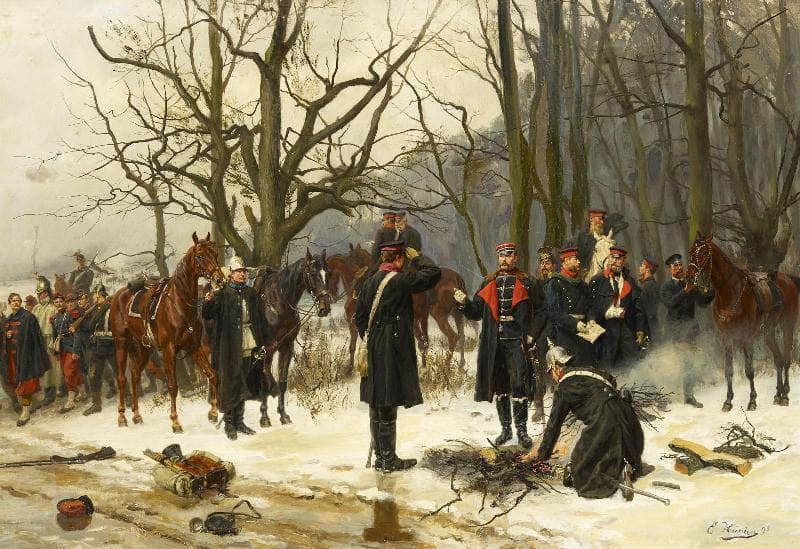
Kronprinz Friedrich Wilhelm Von Preußen Während Der Schlacht Von Sedan
Unveiling the Historical Significance of Kronprinz Friedrich Wilhelm Von Preußen
The Context of the Battle of Sedan
Understanding the Franco-Prussian War
The Franco-Prussian War, fought from 1870 to 1871, marked a pivotal moment in European history. This conflict arose from tensions between the French Empire and the Kingdom of Prussia, fueled by nationalism and territorial disputes. The war ultimately led to the unification of Germany and the establishment of the German Empire. The Battle of Sedan, fought on September 1, 1870, was a decisive engagement that showcased the military prowess of Prussian forces and the strategic genius of their leaders.Key Events Leading to the Battle
Before the Battle of Sedan, several key events set the stage for this historic confrontation. The Prussian army, under the leadership of General Helmuth von Moltke, executed a series of rapid maneuvers that outflanked the French forces. The capture of Emperor Napoleon III at Sedan was a turning point, leading to a collapse of French morale. This battle not only determined the fate of France but also reshaped the political landscape of Europe.The Role of Kronprinz Friedrich Wilhelm
Military Leadership and Strategy
Kronprinz Friedrich Wilhelm, later known as the German Emperor Friedrich III, played a crucial role in the Battle of Sedan. His leadership and strategic insights were instrumental in coordinating the Prussian forces. He demonstrated exceptional military acumen, which contributed to the swift victory over the French troops. His ability to inspire his soldiers and maintain discipline under pressure was vital during this intense conflict.Personal Background and Legacy
Born into the Prussian royal family, Friedrich Wilhelm was educated in military strategy and statecraft. His experiences shaped his views on leadership and governance. After the war, he became a symbol of German unity and strength. His legacy is intertwined with the rise of the German Empire and the subsequent changes in European politics.Artistic Elements of Emil Hünten's Masterpiece
Composition and Color Palette
Emil Hünten's painting, "Kronprinz Friedrich Wilhelm Von Preußen Während Der Schlacht Von Sedan," captures the essence of the battle with remarkable detail. The composition draws the viewer's eye to the central figure of the Kronprinz, surrounded by the chaos of war. The color palette features rich earth tones, contrasting with vibrant reds and blues, symbolizing both the bloodshed and the valor of the soldiers.Analyzing the Use of Light and Shadow
Hünten expertly employs light and shadow to create depth and drama in the painting. The interplay of light highlights the Kronprinz's determined expression, while shadows envelop the tumultuous battlefield. This technique enhances the emotional weight of the scene, immersing the viewer in the historical moment.Symbolism in Color Choices
The colors in Hünten's work are not merely aesthetic; they carry deep symbolism. The use of dark hues represents the somber reality of war, while brighter colors evoke hope and courage. This duality reflects the complex emotions experienced by soldiers and leaders alike during the Battle of Sedan.Brushwork Techniques and Style
Impressionism vs. Realism in Hünten's Work
Hünten's style blends elements of Impressionism and Realism. His brushwork captures the immediacy of the battlefield while maintaining a realistic portrayal of the figures. This combination allows viewers to feel the urgency of the moment while appreciating the historical accuracy of the uniforms and equipment.Details that Capture the Viewer's Attention
The intricate details in the painting, from the expressions of the soldiers to the textures of their uniforms, draw viewers in. Each brushstroke tells a story, inviting the audience to explore the emotions and experiences of those depicted. This attention to detail sets Hünten's work apart as a significant historical artwork.Exploring the Emotional Impact of the Painting
Conveying the Tension of War
Hünten's painting powerfully conveys the tension and chaos of war. The expressions on the faces of the soldiers reflect fear, determination, and camaraderie. This emotional depth allows viewers to connect with the historical moment on a personal level.Facial Expressions and Body Language
The facial expressions of the figures in the painting reveal a range of emotions. The Kronprinz's resolute gaze contrasts with the anxious looks of his soldiers. This dynamic captures the psychological strain of leadership during wartime, making the painting resonate with audiences.Capturing the Spirit of the Era
The painting encapsulates the spirit of the late 19th century, a time of great change and upheaval in Europe. It reflects the ideals of nationalism and the valor associated with military service. Hünten's work serves as a historical document, preserving the essence of an era defined by conflict and ambition.Viewer Interpretation and Personal Connection
How Different Audiences Perceive the Painting
Different audiences interpret Hünten's painting through various lenses. Historians may focus on its accuracy and representation of the Battle of Sedan, while art enthusiasts might appreciate its aesthetic qualities. This multifaceted interpretation enriches the viewer's experience and understanding of the artwork.First-Hand Experiences from Art Enthusiasts
Art enthusiasts often describe their encounters with the painting as profound. Many express a sense of connection to the historical figures depicted, feeling the weight of their experiences. This emotional engagement highlights the painting's power to transcend time and resonate with contemporary audiences.The Legacy of Emil Hünten and His Artistic Influence
Hünten's Contribution to Historical Painting
Emil Hünten is celebrated for his contributions to historical painting, particularly his ability to blend artistry with historical accuracy. His works often depict significant military events, capturing the drama and emotion of these moments. Hünten's dedication to his craft has left a lasting impact on the genre.Other Notable Works and Their Impact
In addition to "Kronprinz Friedrich Wilhelm Von Preußen Während Der Schlacht Von Sedan," Hünten created several other notable works that explore themes of war and heroism. Each piece reflects his commitment to portraying history with integrity and artistry, influencing future generations of artists.Influence on Future Generations of Artists
Hünten's approach to historical painting has inspired many artists who seek to capture the essence of significant events. His ability to convey emotion and narrative through visual art continues to resonate, encouraging new artists to explore similar themes in their work.Recognition and Exhibitions
Where to View His Works Today
Hünten's works are displayed in various museums and galleries across Europe. Art lovers can find his paintings in institutions dedicated to historical art, where they can appreciate the depth and detail of his creations.Critical Reception Over Time
Over the years, Hünten's work has received critical acclaim for its historical significance and artistic merit. Art critics have praised his ability to blend realism with emotional depth, solidifying his place in the pantheon of historical painters.Frequently Asked Questions About the Painting
What is the historical context of the Battle of Sedan depicted in the painting?
The Battle of Sedan was a crucial engagement in the Franco-Prussian War, leading to the capture of Napoleon III and the unification of Germany.How did Emil Hünten's background influence his portrayal of military subjects?
Hünten's upbringing in a military family and his education in art history shaped his understanding of military strategy and the emotional weight of war.What artistic techniques did Hünten use to convey emotion in this painting?
Hünten employed a combination of light and shadow, detailed brushwork, and a rich color palette to evoke the emotional intensity of the battle.What are the key elements that make this painting a significant historical artwork?
The painting's historical accuracy, emotional depth, and artistic techniques contribute to its significance as a representation of a pivotal moment in European history.How has the painting been received by art critics and historians?
Critics have praised Hünten's work for its blend of realism and emotional resonance, recognizing it as a vital contribution to historical painting.Where can I find more information about the original painting?
Information about the original painting can be found in art history books, museum catalogs, and online art databases dedicated to historical artworks.What should I know about the reproduction of this painting?
Art reproductions of Hünten's work offer a superior alternative to prints, capturing the intricate details and vibrant colors that define the original masterpiece.How does the reproduction compare to the original in terms of detail and color?
Reproductions are crafted to reflect the original's detail and color accuracy, providing an authentic experience that allows viewers to appreciate the artwork's beauty in their own space.Select Size
From $89.98
Original: $299.95
-70%Kronprinz Friedrich Wilhelm Von Preußen Während Der Schlacht Von Sedan—
$299.95
$89.98Product Information
Product Information
Shipping & Returns
Shipping & Returns