🚚 Free Worldwide Shipping on All Orders!Shop Now

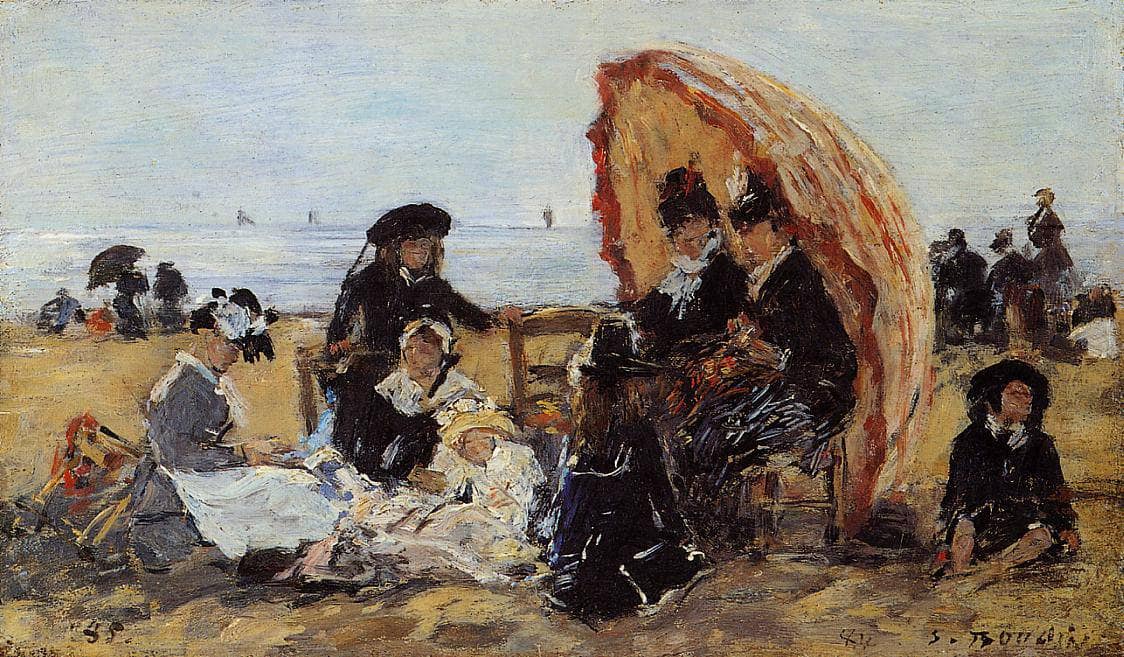
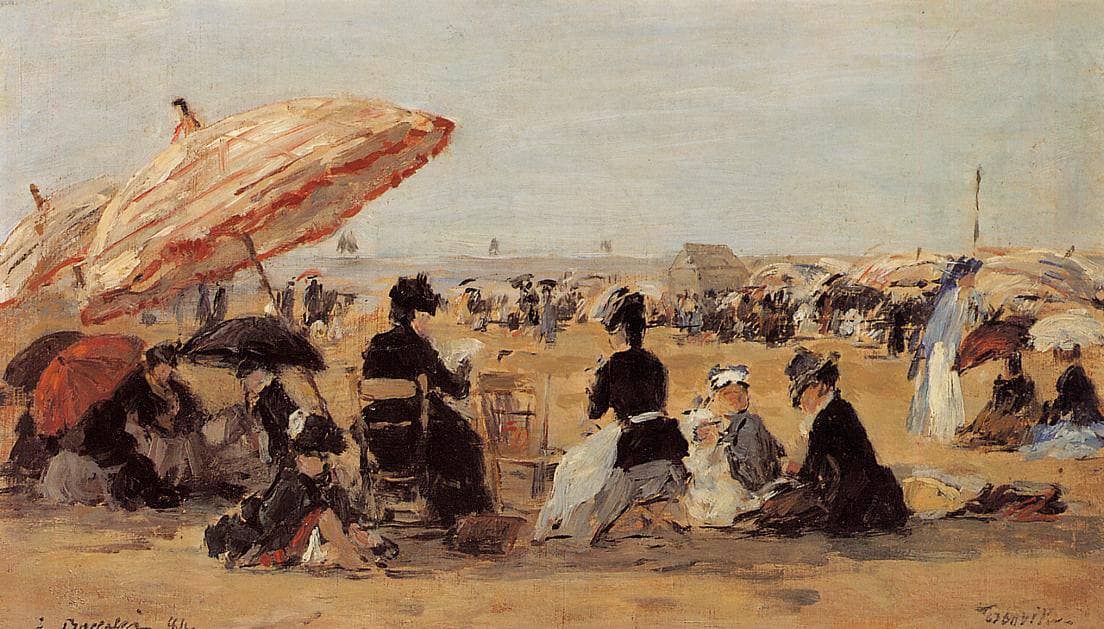
Trouville, on the Beach Sheltered by a Parasol
Discovering Trouville: A Coastal Gem Captured by Eugene Boudin
The Artist Behind the Canvas: Eugene Boudin's Legacy
Eugene Boudin, a pioneering figure in the Impressionist movement, is celebrated for his breathtaking depictions of coastal landscapes. Born in 1824 in Honfleur, France, Boudin was one of the first artists to paint en plein air, or outdoors, capturing the essence of natural light and atmosphere. His work laid the groundwork for future Impressionists like Claude Monet and Pierre-Auguste Renoir.Impressionism and Its Influence on Boudin's Work
Boudin's art reflects the core principles of Impressionism, emphasizing the effects of light and color over precise detail. He often painted scenes of leisure and nature, showcasing the beauty of the French coastline. His innovative approach to capturing fleeting moments in time has made his work timeless and influential.Exploring Boudin's Unique Techniques and Style
Boudin employed a distinctive technique characterized by loose brushwork and vibrant color palettes. He often used a combination of short, quick strokes to create texture and movement, bringing his beach scenes to life. His ability to depict the interplay of sunlight and shadow is particularly evident in "Trouville, on the Beach Sheltered by a Parasol."Unveiling the Scene: Trouville on the Beach Sheltered by a Parasol
In "Trouville, on the Beach Sheltered by a Parasol," Boudin captures a serene moment on the sandy shores of Trouville, a popular seaside resort in Normandy. The painting invites viewers to experience the joy and tranquility of a day at the beach, surrounded by the gentle sounds of the waves and the warmth of the sun.A Vivid Portrayal of Coastal Life in 19th Century France
This artwork vividly illustrates the leisurely lifestyle of 19th-century beachgoers. Families and friends gather under colorful parasols, enjoying the sun and sea. Boudin's attention to detail in the clothing and accessories of the figures reflects the fashion of the time, adding authenticity to the scene.The Role of Light and Color in Boudin's Beach Landscapes
Light plays a crucial role in Boudin's beach landscapes. In "Trouville," he masterfully captures the shimmering reflections of sunlight on the water. The vibrant blues of the ocean contrast beautifully with the warm earth tones of the sand, creating a harmonious balance that draws the viewer into the scene.Symbolism and Themes in Trouville: Nature and Leisure
Boudin's painting is rich with symbolism, reflecting themes of relaxation and the human connection to nature. The parasol serves as a focal point, representing both protection from the sun and a symbol of leisure.Interpreting the Parasol: Protection and Relaxation
The parasol in "Trouville" is more than just a practical object; it symbolizes the desire for comfort and respite from the heat. It creates a sense of intimacy and shelter, inviting viewers to imagine themselves in the scene, enjoying a peaceful day by the sea.Human Connection with Nature: The Beachgoers' Experience
Boudin's beachgoers are depicted in a moment of connection with nature. Their relaxed postures and joyful expressions convey a sense of freedom and happiness. This connection to the natural world is a recurring theme in Boudin's work, emphasizing the importance of leisure and enjoyment in life.Artistic Elements: Composition and Perspective in Trouville
Boudin's composition in "Trouville" is carefully balanced, guiding the viewer's eye through the scene. The arrangement of figures and the use of perspective create depth, making the viewer feel as if they are part of the beach experience.Analyzing the Use of Space and Depth in the Painting
The painting's foreground features the beachgoers, while the background showcases the expansive sea and sky. This layering of elements adds a three-dimensional quality to the artwork, enhancing its realism and inviting viewers to explore every detail.Color Palette: The Harmony of Blues, Greens, and Earth Tones
Boudin's color palette in "Trouville" is a masterclass in harmony. The cool blues and greens of the ocean contrast with the warm, sandy tones of the beach. This interplay of colors not only captures the essence of the coastal environment but also evokes a sense of calm and serenity.The Historical Context of Trouville: A Popular Seaside Resort
Trouville, located on the Normandy coast, became a fashionable destination in the 19th century. Its beautiful beaches and vibrant social scene attracted artists, writers, and tourists alike.Understanding Trouville's Significance in 19th Century France
During Boudin's time, Trouville was known for its luxurious hotels and lively promenades. The town's popularity as a resort town inspired many artists to capture its beauty, making it a significant location in the history of French art.Tourism and Artistic Inspiration: The Beach as a Muse
The rise of tourism in Trouville provided artists like Boudin with endless inspiration. The beach became a canvas for capturing the joys of leisure and the beauty of nature, influencing the direction of Impressionism and coastal art.Comparative Analysis: Boudin's Trouville and Other Coastal Works
Boudin's "Trouville" stands out among other coastal paintings of the era. His unique style and focus on light and atmosphere set him apart from his contemporaries.Contrasting Boudin's Style with Other Impressionist Artists
While many Impressionists focused on urban scenes, Boudin dedicated himself to capturing the beauty of the coast. His emphasis on natural light and the human experience at the beach distinguishes his work from that of artists like Monet, who often painted gardens and cityscapes.Similarities and Differences with Contemporary Beach Paintings
Boudin's approach to beach scenes has influenced many contemporary artists. However, his unique techniques and focus on the interplay of light and color remain unmatched, making "Trouville" a timeless masterpiece.Preserving Art: The Importance of Art Reproductions
Art reproductions play a vital role in making masterpieces accessible to a wider audience. Unlike prints, high-quality painting reproductions capture the texture and depth of the original artwork.Why Art Reproductions Matter in Modern Collecting
Owning a reproduction of "Trouville" allows art lovers to appreciate Boudin's work in their own homes. These reproductions preserve the beauty of the original while providing an affordable option for collectors.How Reproductions Bring Masterpieces into Everyday Life
Art reproductions transform living spaces, adding elegance and culture. They allow individuals to connect with art history and enjoy the beauty of iconic works like "Trouville" daily.FAQs About Trouville on the Beach Sheltered by a Parasol
What inspired Eugene Boudin to paint Trouville?
Boudin was inspired by the vibrant beach culture and the natural beauty of Trouville, which he often visited.What techniques did Boudin use in this painting?
Boudin used loose brushwork and a vibrant color palette to capture the effects of light and movement.How does Trouville reflect the Impressionist movement?
"Trouville" embodies Impressionism through its focus on light, color, and the depiction of everyday life.What is the significance of the parasol in the painting?
The parasol symbolizes protection from the sun and represents leisure and relaxation at the beach.Where can I see the original painting of Trouville?
The original painting is housed in a prestigious museum, showcasing Boudin's contribution to art history.What are the benefits of owning a reproduction of Trouville?
Owning a reproduction allows you to enjoy the beauty of Boudin's work in your home, making art accessible and affordable.How can I care for my art reproduction of Trouville?
To care for your reproduction, keep it out of direct sunlight and dust it regularly to maintain its vibrancy and quality.Select Size
From $89.98
Original: $299.95
-70%Trouville, on the Beach Sheltered by a Parasol—
$299.95
$89.98Product Information
Product Information
Shipping & Returns
Shipping & Returns