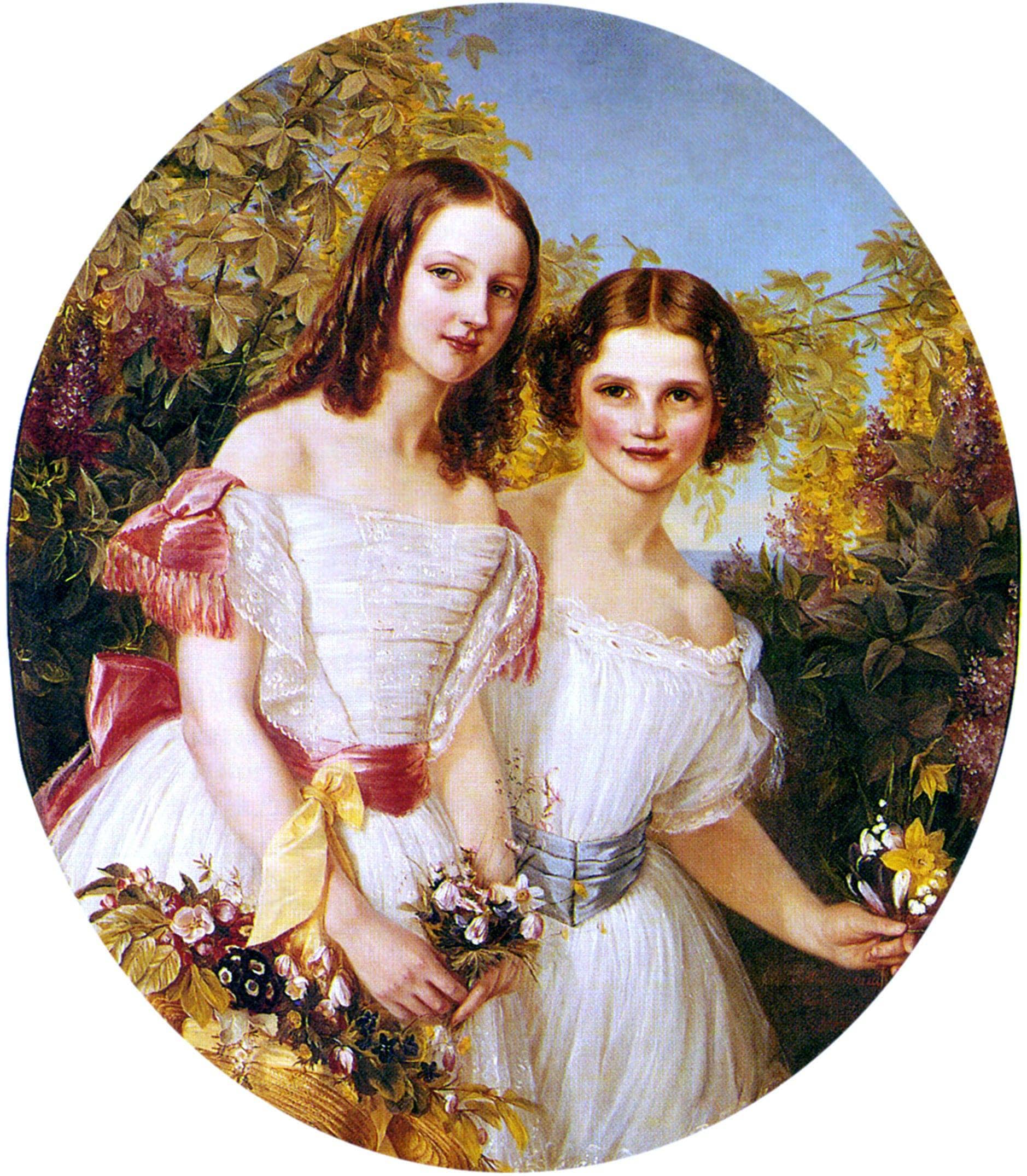
Portrait of Alexandra and Dagmar (later Queen Alexandra of England and Empress Marie Feodorovna of Russia)
Exploring the Artistic Mastery of Elisabeth Jerichau-Baumann
The Life and Legacy of Elisabeth Jerichau-Baumann
Biographical Insights into the Renowned Artist
Elisabeth Jerichau-Baumann (1815-1881) was a pioneering Danish painter known for her exquisite portraits and historical scenes. Born in the vibrant city of Copenhagen, she became one of the first female artists to gain recognition in the male-dominated art world of the 19th century. Jerichau-Baumann's talent flourished as she traveled across Europe, studying under prominent artists and immersing herself in various artistic movements.
Influences and Artistic Style of Jerichau-Baumann
Jerichau-Baumann drew inspiration from the Romantic and Realist movements, blending emotional depth with meticulous detail. Her unique style often featured rich color palettes and dramatic lighting, which brought her subjects to life. She was particularly skilled in capturing the essence of her subjects, making her portraits resonate with viewers on a personal level.
Portrait of Alexandra and Dagmar: A Historical Context
The Significance of Queen Alexandra and Empress Marie Feodorovna
Royal Lineage and Their Impact on European History
The portrait depicts Alexandra of Denmark, who became Queen Alexandra of England, and her sister Dagmar, later known as Empress Marie Feodorovna of Russia. Their royal lineage played a crucial role in shaping European history during the late 19th and early 20th centuries. Alexandra's marriage to King Edward VII of the United Kingdom and Dagmar's marriage to Tsar Alexander III of Russia forged strong ties between two powerful nations.
Personal Stories Behind the Portrait: Friendship and Sisterhood
This painting captures not just their royal status but also the deep bond of sisterhood between Alexandra and Dagmar. Their relationship was marked by mutual support and affection, which is beautifully reflected in their expressions and poses. This personal connection adds a layer of intimacy to the artwork, making it more than just a royal portrait.
Artistic Techniques and Elements in the Portrait
Oil Painting Techniques: A Closer Look at Jerichau-Baumann's Methodology
Jerichau-Baumann employed traditional oil painting techniques that showcased her mastery of the medium. She layered pigments to create a luminous effect, allowing light to dance across the canvas. This technique enhances the lifelike quality of the subjects, drawing viewers into their world.
Color Palette and Its Emotional Resonance
The color palette of the portrait is rich and vibrant, featuring deep blues, soft pinks, and warm golds. These colors not only reflect the royal attire but also evoke a sense of warmth and intimacy. The careful selection of hues contributes to the emotional resonance of the painting, inviting viewers to connect with the subjects on a deeper level.
Brushwork and Texture: Creating Depth and Dimension
Jerichau-Baumann's brushwork is both delicate and bold, creating a dynamic texture that adds depth to the portrait. The intricate details of the lace and fabric in their gowns contrast beautifully with the smoothness of their skin tones. This interplay of textures enhances the three-dimensionality of the painting, making it a feast for the eyes.
Symbolism and Themes in the Portrait of Alexandra and Dagmar
Exploring the Symbolic Elements within the Artwork
Every element in the portrait carries symbolic weight. The luxurious fabrics and intricate jewelry signify their royal status, while the serene expressions reflect their inner strength and grace. Jerichau-Baumann skillfully weaves these symbols into the composition, enriching the narrative of the painting.
Fashion and Attire: Reflections of Royal Identity
The attire of Alexandra and Dagmar is not just a display of fashion; it represents their identities as queens. The elegant gowns, adorned with fine details, showcase the opulence of royal life. Each garment tells a story of tradition, culture, and the expectations placed upon them as members of the royal family.
Facial Expressions and Body Language: Conveying Emotion
The facial expressions of Alexandra and Dagmar convey a sense of calm and poise. Their gentle smiles and relaxed postures suggest a moment of shared joy and understanding. This emotional depth invites viewers to ponder the personal lives of these historical figures beyond their royal duties.
The Cultural Impact of the Portrait in Art History
Reception and Critique: How the Portrait Was Viewed Over Time
Upon its unveiling, the portrait received acclaim for its emotional depth and technical skill. Critics praised Jerichau-Baumann for her ability to capture the essence of her subjects. Over time, the painting has been recognized as a significant work in the canon of royal portraiture, influencing how future artists approached similar subjects.
Influence on Contemporary Artists and Portraiture
The impact of Jerichau-Baumann's work extends to contemporary artists who draw inspiration from her techniques and themes. Her ability to blend realism with emotional expression has paved the way for modern portraiture, encouraging artists to explore the personal narratives behind their subjects.
Exhibitions and Collections: Where to View the Original Work
The original portrait is housed in prestigious collections, including the National Gallery in Denmark. Art enthusiasts can view this masterpiece in person, experiencing the intricate details and vibrant colors that make it a true work of art. Special exhibitions often feature this painting, allowing for a deeper appreciation of its historical and artistic significance.
Understanding the Reproduction of the Portrait
The Importance of Art Reproductions in Cultural Preservation
Art reproductions play a vital role in preserving cultural heritage. They allow art lovers to experience iconic works like the Portrait of Alexandra and Dagmar in their own homes. High-quality reproductions capture the essence of the original painting, making art accessible to a broader audience.
How Reproductions Help in Appreciating Historical Art
Unlike standard prints, painting reproductions offer a tactile experience that reflects the texture and depth of the original artwork. This authenticity enhances appreciation for the artist's techniques and intentions. Investing in a reproduction of this portrait means bringing a piece of history into your space, enriching your environment with cultural significance.
Frequently Asked Questions (FAQs)
Common Queries About the Portrait of Alexandra and Dagmar
What is the historical significance of the portrait?
The portrait captures the bond between two influential royal figures, highlighting their roles in shaping European history through marriage and diplomacy.
Who were the subjects of the painting and what were their roles?
Alexandra of Denmark became Queen Alexandra of England, and Dagmar became Empress Marie Feodorovna of Russia, both playing pivotal roles in their respective countries.
What artistic techniques did Jerichau-Baumann use in this work?
Jerichau-Baumann used traditional oil painting techniques, focusing on color layering, texture, and emotional expression to create a lifelike portrayal.
How has the portrait influenced modern art and culture?
The portrait has inspired contemporary artists to explore themes of identity and emotion in portraiture, emphasizing the personal stories behind royal figures.
Where can I find more information about Elisabeth Jerichau-Baumann?
For more information, art enthusiasts can explore art history books, museum archives, and online resources dedicated to Jerichau-Baumann's life and works.
Questions About the Painting Reproduction
What should I consider when purchasing a reproduction of this painting?
When purchasing a reproduction, consider the quality of materials, the artist's attention to detail, and the authenticity of the colors and textures.
How can I ensure the quality of the reproduction I buy?
Look for reputable art reproduction companies that specialize in high-quality reproductions, ensuring they use premium canvas and archival inks for longevity.
Original: $249.95
-70%$249.95
$74.98Product Information
Product Information
Shipping & Returns
Shipping & Returns
Description
Exploring the Artistic Mastery of Elisabeth Jerichau-Baumann
The Life and Legacy of Elisabeth Jerichau-Baumann
Biographical Insights into the Renowned Artist
Elisabeth Jerichau-Baumann (1815-1881) was a pioneering Danish painter known for her exquisite portraits and historical scenes. Born in the vibrant city of Copenhagen, she became one of the first female artists to gain recognition in the male-dominated art world of the 19th century. Jerichau-Baumann's talent flourished as she traveled across Europe, studying under prominent artists and immersing herself in various artistic movements.
Influences and Artistic Style of Jerichau-Baumann
Jerichau-Baumann drew inspiration from the Romantic and Realist movements, blending emotional depth with meticulous detail. Her unique style often featured rich color palettes and dramatic lighting, which brought her subjects to life. She was particularly skilled in capturing the essence of her subjects, making her portraits resonate with viewers on a personal level.
Portrait of Alexandra and Dagmar: A Historical Context
The Significance of Queen Alexandra and Empress Marie Feodorovna
Royal Lineage and Their Impact on European History
The portrait depicts Alexandra of Denmark, who became Queen Alexandra of England, and her sister Dagmar, later known as Empress Marie Feodorovna of Russia. Their royal lineage played a crucial role in shaping European history during the late 19th and early 20th centuries. Alexandra's marriage to King Edward VII of the United Kingdom and Dagmar's marriage to Tsar Alexander III of Russia forged strong ties between two powerful nations.
Personal Stories Behind the Portrait: Friendship and Sisterhood
This painting captures not just their royal status but also the deep bond of sisterhood between Alexandra and Dagmar. Their relationship was marked by mutual support and affection, which is beautifully reflected in their expressions and poses. This personal connection adds a layer of intimacy to the artwork, making it more than just a royal portrait.
Artistic Techniques and Elements in the Portrait
Oil Painting Techniques: A Closer Look at Jerichau-Baumann's Methodology
Jerichau-Baumann employed traditional oil painting techniques that showcased her mastery of the medium. She layered pigments to create a luminous effect, allowing light to dance across the canvas. This technique enhances the lifelike quality of the subjects, drawing viewers into their world.
Color Palette and Its Emotional Resonance
The color palette of the portrait is rich and vibrant, featuring deep blues, soft pinks, and warm golds. These colors not only reflect the royal attire but also evoke a sense of warmth and intimacy. The careful selection of hues contributes to the emotional resonance of the painting, inviting viewers to connect with the subjects on a deeper level.
Brushwork and Texture: Creating Depth and Dimension
Jerichau-Baumann's brushwork is both delicate and bold, creating a dynamic texture that adds depth to the portrait. The intricate details of the lace and fabric in their gowns contrast beautifully with the smoothness of their skin tones. This interplay of textures enhances the three-dimensionality of the painting, making it a feast for the eyes.
Symbolism and Themes in the Portrait of Alexandra and Dagmar
Exploring the Symbolic Elements within the Artwork
Every element in the portrait carries symbolic weight. The luxurious fabrics and intricate jewelry signify their royal status, while the serene expressions reflect their inner strength and grace. Jerichau-Baumann skillfully weaves these symbols into the composition, enriching the narrative of the painting.
Fashion and Attire: Reflections of Royal Identity
The attire of Alexandra and Dagmar is not just a display of fashion; it represents their identities as queens. The elegant gowns, adorned with fine details, showcase the opulence of royal life. Each garment tells a story of tradition, culture, and the expectations placed upon them as members of the royal family.
Facial Expressions and Body Language: Conveying Emotion
The facial expressions of Alexandra and Dagmar convey a sense of calm and poise. Their gentle smiles and relaxed postures suggest a moment of shared joy and understanding. This emotional depth invites viewers to ponder the personal lives of these historical figures beyond their royal duties.
The Cultural Impact of the Portrait in Art History
Reception and Critique: How the Portrait Was Viewed Over Time
Upon its unveiling, the portrait received acclaim for its emotional depth and technical skill. Critics praised Jerichau-Baumann for her ability to capture the essence of her subjects. Over time, the painting has been recognized as a significant work in the canon of royal portraiture, influencing how future artists approached similar subjects.
Influence on Contemporary Artists and Portraiture
The impact of Jerichau-Baumann's work extends to contemporary artists who draw inspiration from her techniques and themes. Her ability to blend realism with emotional expression has paved the way for modern portraiture, encouraging artists to explore the personal narratives behind their subjects.
Exhibitions and Collections: Where to View the Original Work
The original portrait is housed in prestigious collections, including the National Gallery in Denmark. Art enthusiasts can view this masterpiece in person, experiencing the intricate details and vibrant colors that make it a true work of art. Special exhibitions often feature this painting, allowing for a deeper appreciation of its historical and artistic significance.
Understanding the Reproduction of the Portrait
The Importance of Art Reproductions in Cultural Preservation
Art reproductions play a vital role in preserving cultural heritage. They allow art lovers to experience iconic works like the Portrait of Alexandra and Dagmar in their own homes. High-quality reproductions capture the essence of the original painting, making art accessible to a broader audience.
How Reproductions Help in Appreciating Historical Art
Unlike standard prints, painting reproductions offer a tactile experience that reflects the texture and depth of the original artwork. This authenticity enhances appreciation for the artist's techniques and intentions. Investing in a reproduction of this portrait means bringing a piece of history into your space, enriching your environment with cultural significance.
Frequently Asked Questions (FAQs)
Common Queries About the Portrait of Alexandra and Dagmar
What is the historical significance of the portrait?
The portrait captures the bond between two influential royal figures, highlighting their roles in shaping European history through marriage and diplomacy.
Who were the subjects of the painting and what were their roles?
Alexandra of Denmark became Queen Alexandra of England, and Dagmar became Empress Marie Feodorovna of Russia, both playing pivotal roles in their respective countries.
What artistic techniques did Jerichau-Baumann use in this work?
Jerichau-Baumann used traditional oil painting techniques, focusing on color layering, texture, and emotional expression to create a lifelike portrayal.
How has the portrait influenced modern art and culture?
The portrait has inspired contemporary artists to explore themes of identity and emotion in portraiture, emphasizing the personal stories behind royal figures.
Where can I find more information about Elisabeth Jerichau-Baumann?
For more information, art enthusiasts can explore art history books, museum archives, and online resources dedicated to Jerichau-Baumann's life and works.
Questions About the Painting Reproduction
What should I consider when purchasing a reproduction of this painting?
When purchasing a reproduction, consider the quality of materials, the artist's attention to detail, and the authenticity of the colors and textures.
How can I ensure the quality of the reproduction I buy?
Look for reputable art reproduction companies that specialize in high-quality reproductions, ensuring they use premium canvas and archival inks for longevity.