The Farmer's Daughter
The Farmer's Daughter: A Timeless Oil Painting by Elizabeth Jane Gardner
Exploring the Artistic Vision of Elizabeth Jane Gardner
Background of Elizabeth Jane Gardner: A Pioneer Female Artist
Elizabeth Jane Gardner (1837-1922) stands out as a trailblazer in the art world. Born in New Hampshire, she defied societal norms by pursuing a career in painting during the 19th century. Gardner studied in Paris, where she became one of the few women to gain recognition in a male-dominated field. Her dedication to her craft and her ability to capture the essence of rural life set her apart from her contemporaries.
Influences and Techniques: The Impressionist Touch
Gardner's work reflects the influence of Impressionism, characterized by loose brushwork and a focus on light. She often painted en plein air, allowing her to capture the fleeting moments of nature. Her technique involved layering colors to create depth and vibrancy, making her paintings come alive. This approach not only showcases her skill but also her deep appreciation for the beauty of the natural world.
Unveiling the Story Behind The Farmer's Daughter
Symbolism in The Farmer's Daughter: A Reflection of Rural Life
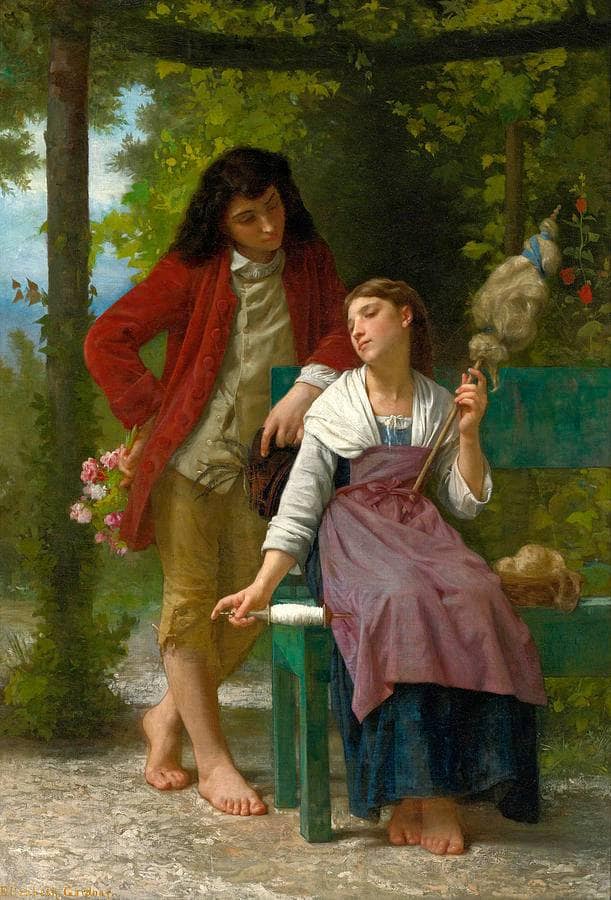
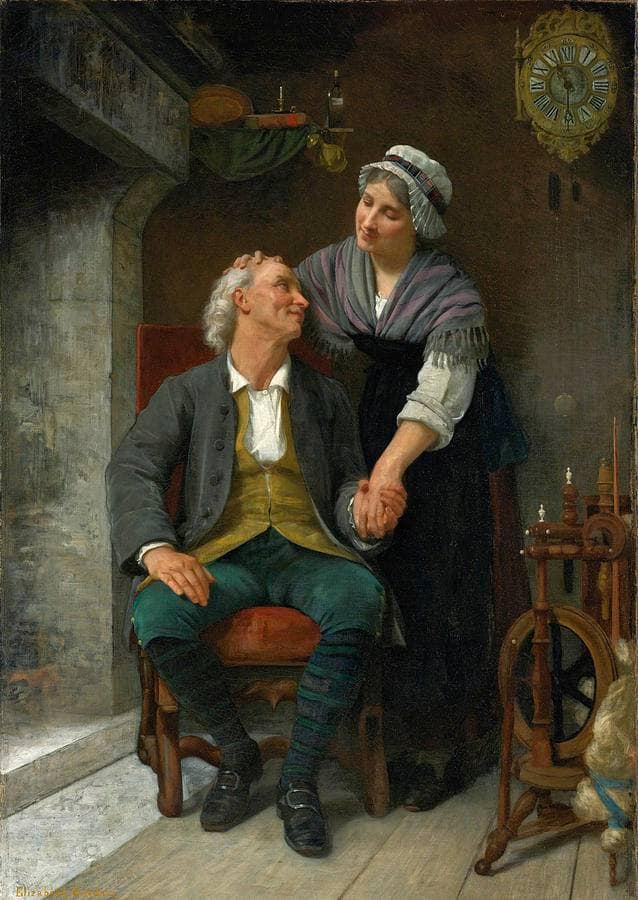
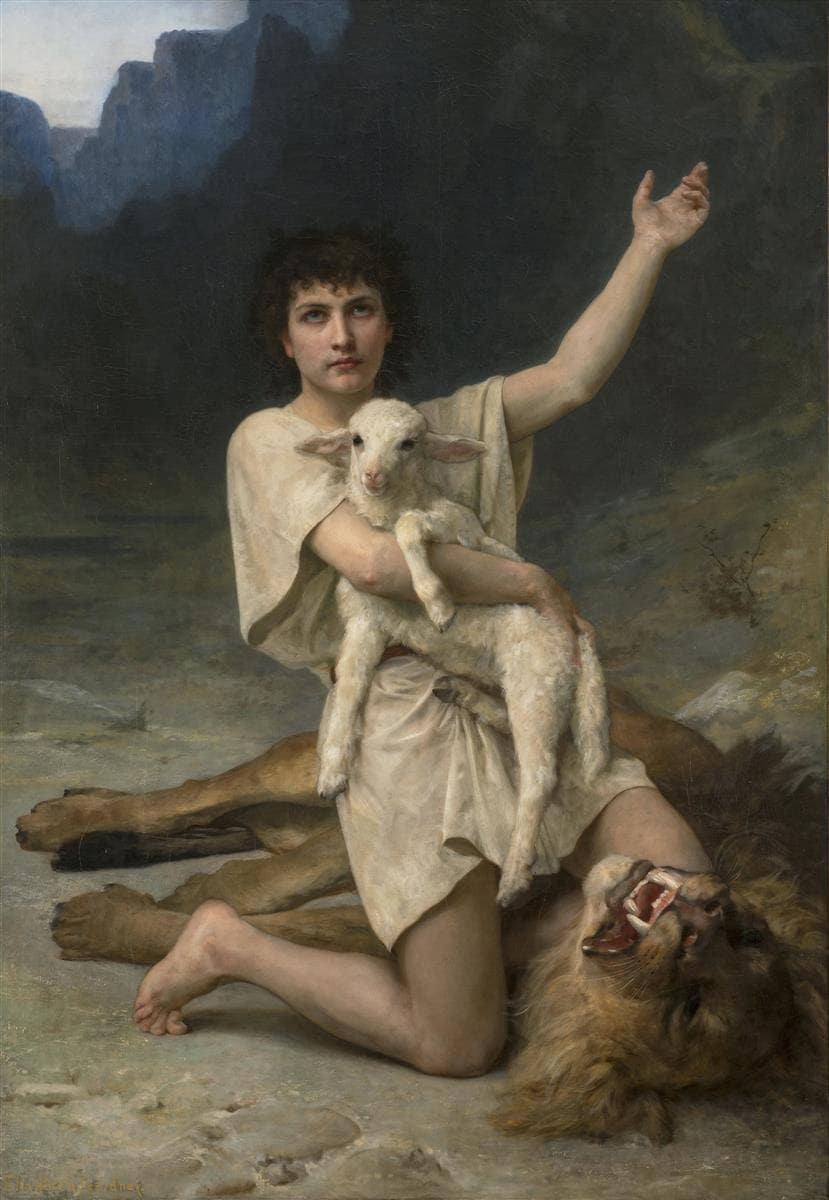
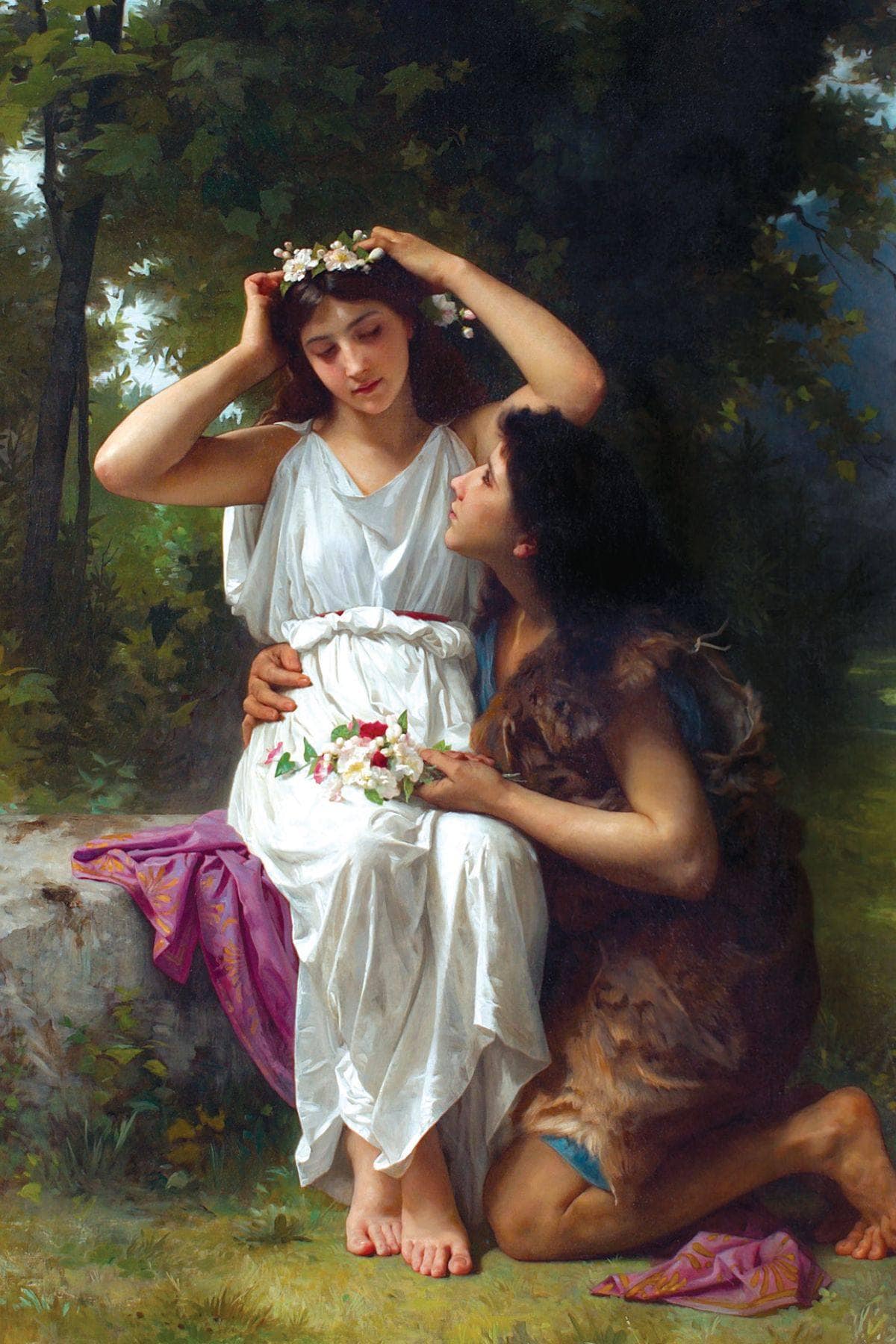
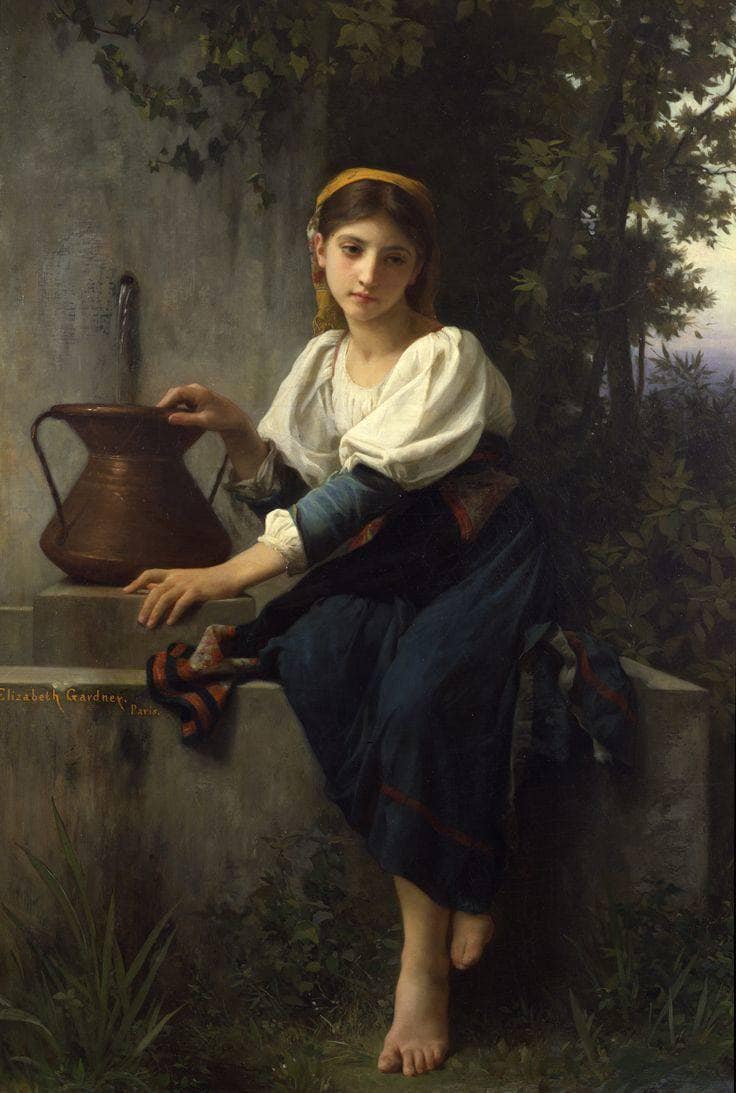
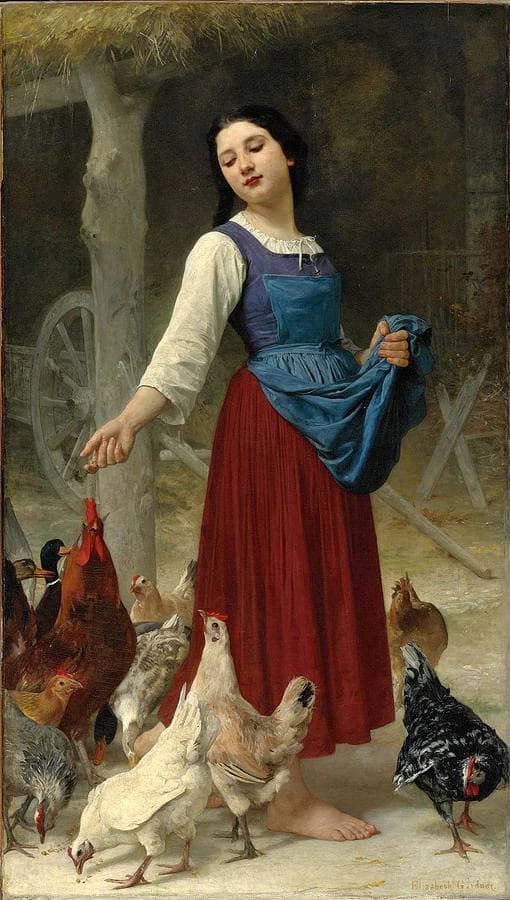
The Farmer's Daughter is more than just a portrait; it symbolizes the simplicity and purity of rural life. The young girl, dressed in traditional attire, embodies the spirit of the American countryside. Gardner's choice to depict a farmer's daughter highlights the importance of agriculture and the connection between people and the land.
Color Palette and Composition: The Harmony of Nature
Gardner's use of a soft, earthy color palette enhances the painting's serene atmosphere. Shades of green, brown, and gold create a harmonious blend that reflects the natural landscape. The composition draws the viewer's eye to the girl, surrounded by lush fields and gentle sunlight, emphasizing her role within this tranquil setting.
Emotional Resonance: Capturing Innocence and Simplicity
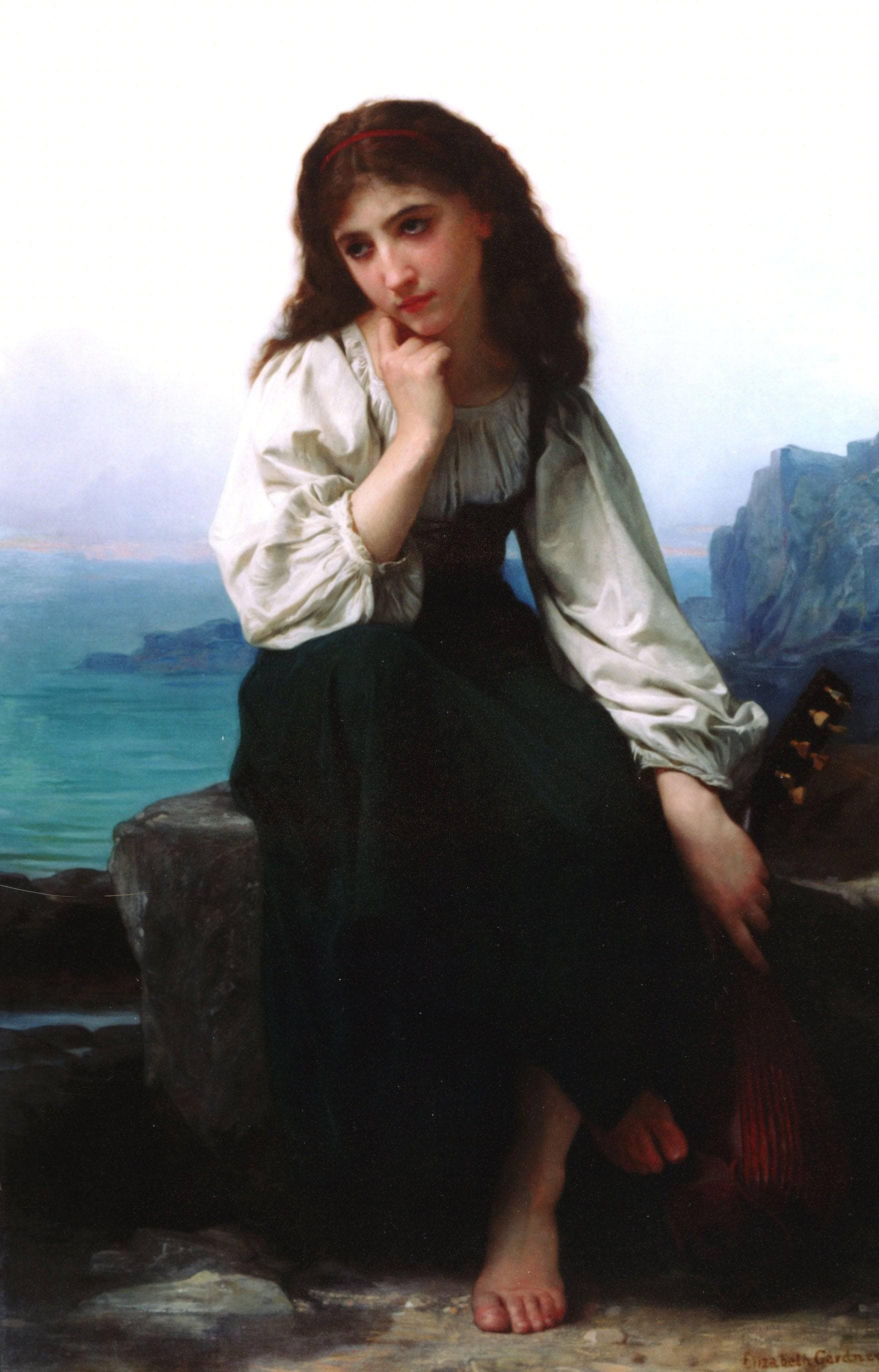
The expression on the girl's face conveys a sense of innocence and wonder. Gardner captures a moment of quiet reflection, inviting viewers to connect with the subject on a personal level. This emotional resonance is a hallmark of Gardner's work, as she often sought to evoke feelings of nostalgia and appreciation for simpler times.
The Cultural Context of The Farmer's Daughter
19th Century American Art: A Shift Towards Realism
The late 19th century marked a significant shift in American art, moving towards realism and away from romanticized depictions. Gardner's work aligns with this trend, as she focused on authentic representations of everyday life. The Farmer's Daughter exemplifies this shift, showcasing the beauty found in ordinary moments.
Women in Art: Breaking Barriers in a Male-Dominated Field
During Gardner's time, women artists faced numerous challenges. Despite these obstacles, she emerged as a prominent figure, paving the way for future generations. Her success inspired other women to pursue their artistic passions, contributing to a gradual change in the art world.
Detailed Analysis of The Farmer's Daughter's Imagery
Character Study: The Young Girl and Her Expression
The young girl in The Farmer's Daughter is a captivating subject. Her thoughtful gaze and gentle smile reflect a deep connection to her surroundings. Gardner's ability to portray such emotion adds depth to the painting, making it relatable and timeless.
Nature's Role: The Landscape as a Silent Character
The landscape in The Farmer's Daughter plays a crucial role, acting as a silent character that enhances the narrative. The rolling hills and vibrant fields create a backdrop that complements the girl's presence. This interplay between the subject and nature highlights the harmony of rural life.
Textural Elements: The Brushwork and Its Impact
Gardner's brushwork is both delicate and expressive. The varied textures in the painting, from the softness of the girl's dress to the roughness of the landscape, create a dynamic visual experience. This attention to detail showcases Gardner's mastery of oil painting techniques.
Comparative Insights: The Farmer's Daughter and Contemporary Works
Similarities with Other Impressionist Artists
Gardner's style shares similarities with other Impressionist artists, such as Claude Monet and Pierre-Auguste Renoir. Like them, she focused on capturing light and movement, bringing her subjects to life. However, her unique perspective on rural life sets her apart in the Impressionist movement.
Contrasts with Modern Interpretations of Rural Life
While contemporary artists often explore abstract themes, Gardner's work remains rooted in realism. The Farmer's Daughter offers a nostalgic view of rural life that contrasts sharply with modern interpretations. This timeless quality makes her work relevant even today.
Preservation and Legacy of The Farmer's Daughter
Current Location and Exhibitions: Where to Experience the Art
The original painting of The Farmer's Daughter is housed in a prestigious collection, allowing art enthusiasts to appreciate its beauty firsthand. Various exhibitions showcase Gardner's work, providing opportunities for viewers to engage with her artistic legacy.
Impact on Future Generations of Artists
Gardner's influence extends beyond her lifetime. Her dedication to capturing the essence of rural life has inspired countless artists. By breaking barriers and establishing herself in the art world, she paved the way for future generations of female artists.
Frequently Asked Questions About The Farmer's Daughter
What is the significance of the girl in The Farmer's Daughter?
The girl represents the innocence and simplicity of rural life, embodying the connection between people and nature.
How does Elizabeth Jane Gardner's style differ from her contemporaries?
Gardner's focus on rural themes and her Impressionist techniques set her apart from many of her contemporaries, who often explored urban subjects.
What themes are prevalent in The Farmer's Daughter?
The themes of innocence, nature, and the beauty of everyday life are central to The Farmer's Daughter, reflecting Gardner's artistic vision.
Where can I view the original painting today?
The original painting can be viewed in select art museums and exhibitions dedicated to 19th-century American art.
What techniques did Gardner use to create depth in the painting?
Gardner employed layering techniques and varied brushwork to create depth, allowing light to interact with the colors and textures in the painting.
FAQs About The Farmer's Daughter Oil Painting Reproduction
How can I ensure the quality of a reproduction of The Farmer's Daughter?
To ensure quality, look for reproductions created using high-quality materials and techniques that replicate the original oil painting's texture and color.
What should I consider when displaying a reproduction of this painting?
Consider the lighting and placement of the reproduction to enhance its visual impact. A well-lit area can bring out the colors and details of the artwork.
Original: $299.95
-70%$299.95
$89.98Product Information
Product Information
Shipping & Returns
Shipping & Returns
Description
The Farmer's Daughter: A Timeless Oil Painting by Elizabeth Jane Gardner
Exploring the Artistic Vision of Elizabeth Jane Gardner
Background of Elizabeth Jane Gardner: A Pioneer Female Artist
Elizabeth Jane Gardner (1837-1922) stands out as a trailblazer in the art world. Born in New Hampshire, she defied societal norms by pursuing a career in painting during the 19th century. Gardner studied in Paris, where she became one of the few women to gain recognition in a male-dominated field. Her dedication to her craft and her ability to capture the essence of rural life set her apart from her contemporaries.
Influences and Techniques: The Impressionist Touch
Gardner's work reflects the influence of Impressionism, characterized by loose brushwork and a focus on light. She often painted en plein air, allowing her to capture the fleeting moments of nature. Her technique involved layering colors to create depth and vibrancy, making her paintings come alive. This approach not only showcases her skill but also her deep appreciation for the beauty of the natural world.
Unveiling the Story Behind The Farmer's Daughter
Symbolism in The Farmer's Daughter: A Reflection of Rural Life
The Farmer's Daughter is more than just a portrait; it symbolizes the simplicity and purity of rural life. The young girl, dressed in traditional attire, embodies the spirit of the American countryside. Gardner's choice to depict a farmer's daughter highlights the importance of agriculture and the connection between people and the land.
Color Palette and Composition: The Harmony of Nature
Gardner's use of a soft, earthy color palette enhances the painting's serene atmosphere. Shades of green, brown, and gold create a harmonious blend that reflects the natural landscape. The composition draws the viewer's eye to the girl, surrounded by lush fields and gentle sunlight, emphasizing her role within this tranquil setting.
Emotional Resonance: Capturing Innocence and Simplicity
The expression on the girl's face conveys a sense of innocence and wonder. Gardner captures a moment of quiet reflection, inviting viewers to connect with the subject on a personal level. This emotional resonance is a hallmark of Gardner's work, as she often sought to evoke feelings of nostalgia and appreciation for simpler times.
The Cultural Context of The Farmer's Daughter
19th Century American Art: A Shift Towards Realism
The late 19th century marked a significant shift in American art, moving towards realism and away from romanticized depictions. Gardner's work aligns with this trend, as she focused on authentic representations of everyday life. The Farmer's Daughter exemplifies this shift, showcasing the beauty found in ordinary moments.
Women in Art: Breaking Barriers in a Male-Dominated Field
During Gardner's time, women artists faced numerous challenges. Despite these obstacles, she emerged as a prominent figure, paving the way for future generations. Her success inspired other women to pursue their artistic passions, contributing to a gradual change in the art world.
Detailed Analysis of The Farmer's Daughter's Imagery
Character Study: The Young Girl and Her Expression
The young girl in The Farmer's Daughter is a captivating subject. Her thoughtful gaze and gentle smile reflect a deep connection to her surroundings. Gardner's ability to portray such emotion adds depth to the painting, making it relatable and timeless.
Nature's Role: The Landscape as a Silent Character
The landscape in The Farmer's Daughter plays a crucial role, acting as a silent character that enhances the narrative. The rolling hills and vibrant fields create a backdrop that complements the girl's presence. This interplay between the subject and nature highlights the harmony of rural life.
Textural Elements: The Brushwork and Its Impact
Gardner's brushwork is both delicate and expressive. The varied textures in the painting, from the softness of the girl's dress to the roughness of the landscape, create a dynamic visual experience. This attention to detail showcases Gardner's mastery of oil painting techniques.
Comparative Insights: The Farmer's Daughter and Contemporary Works
Similarities with Other Impressionist Artists
Gardner's style shares similarities with other Impressionist artists, such as Claude Monet and Pierre-Auguste Renoir. Like them, she focused on capturing light and movement, bringing her subjects to life. However, her unique perspective on rural life sets her apart in the Impressionist movement.
Contrasts with Modern Interpretations of Rural Life
While contemporary artists often explore abstract themes, Gardner's work remains rooted in realism. The Farmer's Daughter offers a nostalgic view of rural life that contrasts sharply with modern interpretations. This timeless quality makes her work relevant even today.
Preservation and Legacy of The Farmer's Daughter
Current Location and Exhibitions: Where to Experience the Art
The original painting of The Farmer's Daughter is housed in a prestigious collection, allowing art enthusiasts to appreciate its beauty firsthand. Various exhibitions showcase Gardner's work, providing opportunities for viewers to engage with her artistic legacy.
Impact on Future Generations of Artists
Gardner's influence extends beyond her lifetime. Her dedication to capturing the essence of rural life has inspired countless artists. By breaking barriers and establishing herself in the art world, she paved the way for future generations of female artists.
Frequently Asked Questions About The Farmer's Daughter
What is the significance of the girl in The Farmer's Daughter?
The girl represents the innocence and simplicity of rural life, embodying the connection between people and nature.
How does Elizabeth Jane Gardner's style differ from her contemporaries?
Gardner's focus on rural themes and her Impressionist techniques set her apart from many of her contemporaries, who often explored urban subjects.
What themes are prevalent in The Farmer's Daughter?
The themes of innocence, nature, and the beauty of everyday life are central to The Farmer's Daughter, reflecting Gardner's artistic vision.
Where can I view the original painting today?
The original painting can be viewed in select art museums and exhibitions dedicated to 19th-century American art.
What techniques did Gardner use to create depth in the painting?
Gardner employed layering techniques and varied brushwork to create depth, allowing light to interact with the colors and textures in the painting.
FAQs About The Farmer's Daughter Oil Painting Reproduction
How can I ensure the quality of a reproduction of The Farmer's Daughter?
To ensure quality, look for reproductions created using high-quality materials and techniques that replicate the original oil painting's texture and color.
What should I consider when displaying a reproduction of this painting?
Consider the lighting and placement of the reproduction to enhance its visual impact. A well-lit area can bring out the colors and details of the artwork.