🚚 Free Worldwide Shipping on All Orders!Shop Now

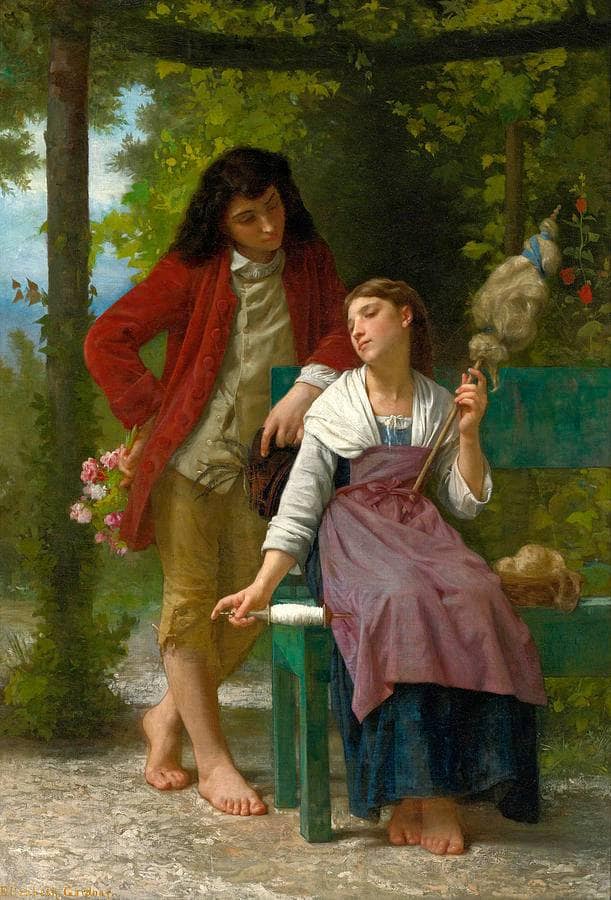
After the Engagement
Discovering the Enigmatic Beauty of "After the Engagement" by Elizabeth Jane Gardner
Unveiling the Artist: Elizabeth Jane Gardner's Legacy
A Pioneer of American Impressionism
Elizabeth Jane Gardner (1837-1922) stands as a significant figure in American Impressionism. She was one of the first women to gain recognition in the male-dominated art world of the 19th century. Gardner's dedication to her craft and her unique perspective helped pave the way for future female artists. Her works often reflect a deep understanding of light, color, and emotion, making her a true pioneer in the art community.Influences and Inspirations Behind Gardner's Work
Gardner drew inspiration from the French Impressionists, particularly Claude Monet and Pierre-Auguste Renoir. She spent years studying in Paris, where she absorbed the techniques and philosophies of these masters. Additionally, her experiences as a woman in a changing society influenced her themes of love, relationships, and social dynamics. This blend of personal and artistic influences is evident in her captivating piece, "After the Engagement."The Story Behind "After the Engagement": A Glimpse into 19th Century Romance
Contextualizing the Painting: Historical and Cultural Significance
"After the Engagement" captures a moment of intimacy and anticipation in the context of 19th-century romance. During this era, engagements were significant social events, often marked by strict societal norms. Gardner's painting reflects the cultural expectations of courtship and the emotional weight carried by such commitments. The artwork serves as a window into the lives of couples navigating love within the constraints of their time.Symbolism in "After the Engagement": Love, Anticipation, and Social Norms
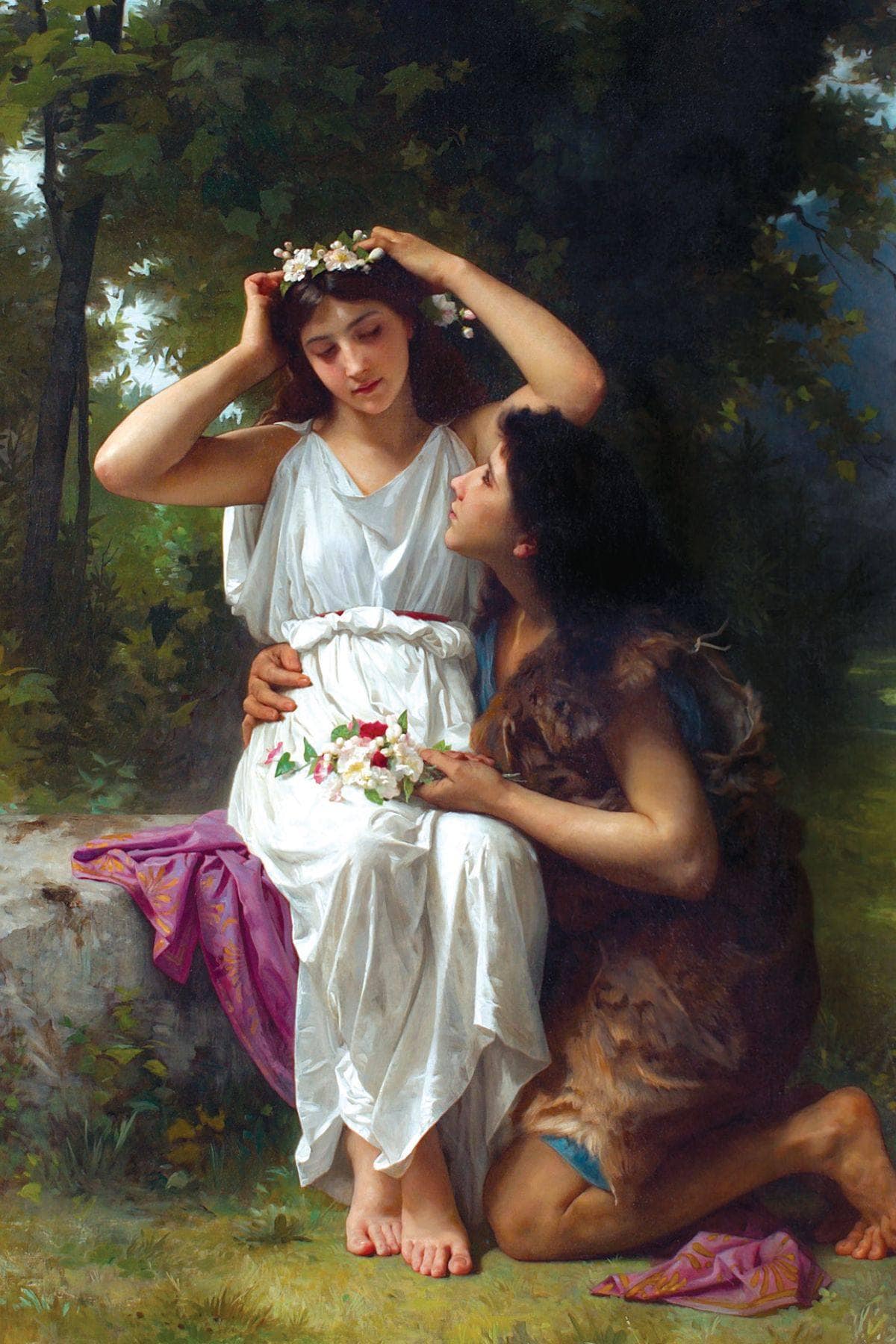
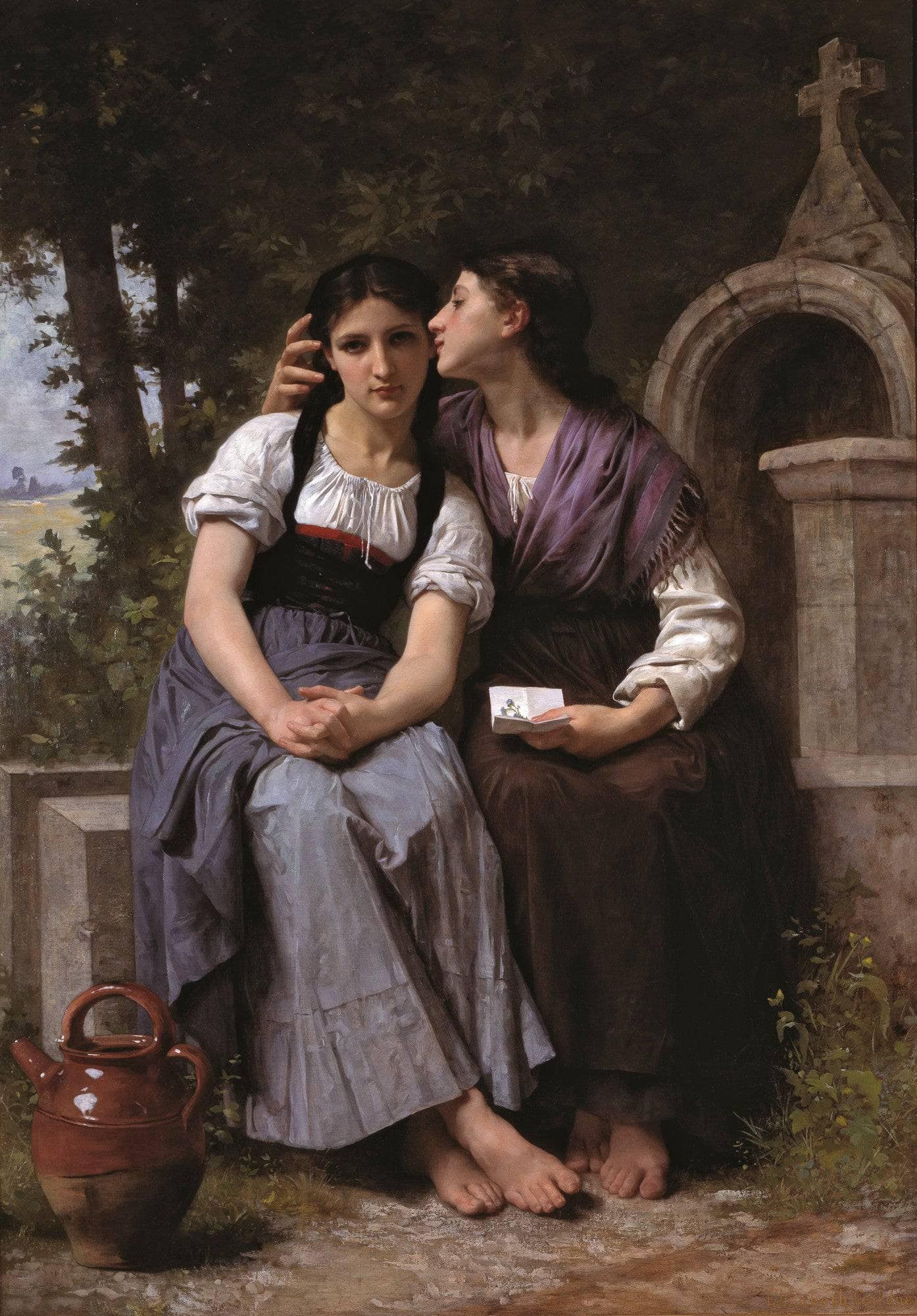
The painting is rich with symbolism. The couple's expressions convey a mix of joy and uncertainty, highlighting the duality of love and societal pressure. The delicate flowers in the background symbolize new beginnings, while the soft light suggests hope and promise. Gardner masterfully intertwines these elements to create a narrative that resonates with viewers, inviting them to reflect on their own experiences of love and engagement.Visual Elements of "After the Engagement": A Detailed Analysis
Color Palette: The Emotional Impact of Soft Hues
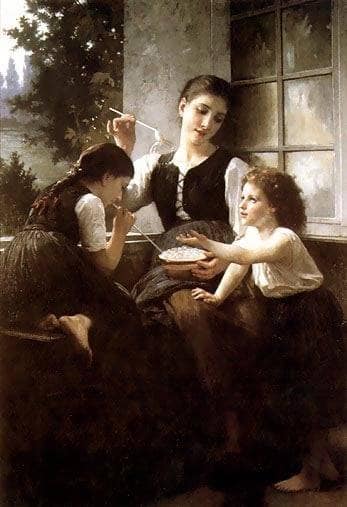
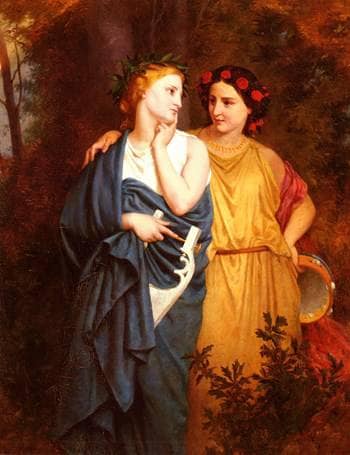
Gardner employs a soft color palette dominated by pastel shades. The gentle pinks, blues, and greens evoke feelings of tenderness and romance. This choice of colors enhances the emotional depth of the scene, allowing viewers to feel the warmth of the couple's connection. The harmonious hues create a serene atmosphere, drawing the eye into the intimate moment captured on canvas.Composition and Perspective: Guiding the Viewer's Eye
The composition of "After the Engagement" is thoughtfully arranged. Gardner places the couple at the center, surrounded by a lush, impressionistic background. This technique guides the viewer's eye directly to the couple, emphasizing their emotional exchange. The use of diagonal lines in the background adds depth, creating a sense of space that invites viewers to step into the scene.Figures and Expressions: Capturing Human Emotion in Art
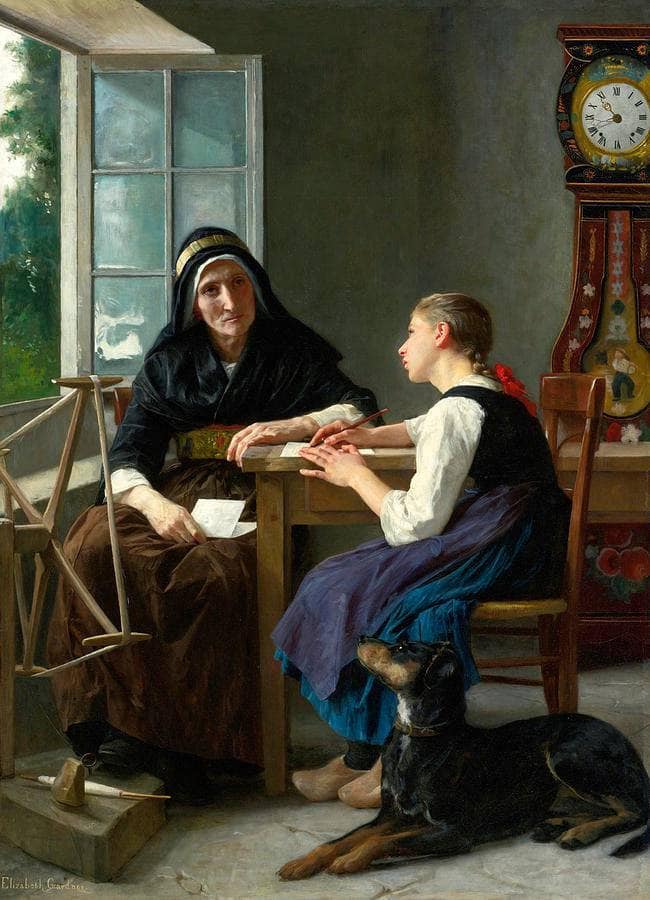
The figures in "After the Engagement" are beautifully rendered, showcasing Gardner's skill in capturing human emotion. The couple's expressions reveal a blend of joy and contemplation, reflecting the complexity of their engagement. Their body language speaks volumes, conveying intimacy and connection. Gardner's ability to portray such nuanced emotions makes this painting a powerful exploration of love.Artistic Techniques: The Craftsmanship of Oil Painting
Brushwork and Texture: Creating Depth and Dimension
Gardner's brushwork in "After the Engagement" is both delicate and expressive. She uses a combination of fine strokes and broader applications of paint to create texture and depth. This technique adds a three-dimensional quality to the figures and the surrounding environment, making the scene feel alive. The texture invites viewers to appreciate the craftsmanship behind the artwork.Light and Shadow: Enhancing the Mood of the Scene
Light plays a crucial role in "After the Engagement." Gardner skillfully uses light and shadow to enhance the mood of the painting. The soft illumination highlights the couple's faces, drawing attention to their emotional exchange. The interplay of light and shadow creates a sense of warmth and intimacy, inviting viewers to immerse themselves in the moment.Comparative Analysis: "After the Engagement" and Contemporary Works
Similarities with Other Impressionist Artists
"After the Engagement" shares similarities with the works of other Impressionist artists, particularly in its focus on light and color. Like Monet, Gardner captures fleeting moments of beauty, emphasizing the emotional resonance of everyday life. The painting's soft brushwork and vibrant palette align with the Impressionist movement's core principles, showcasing Gardner's place among her contemporaries.Contrasting Themes in Modern Art
While "After the Engagement" celebrates traditional themes of love and romance, contemporary art often explores more complex and varied subjects. Modern artists may challenge societal norms or delve into abstract concepts. This contrast highlights the evolution of artistic expression, showcasing how Gardner's work remains relevant while also reflecting the values of her time.Emotional Resonance: What "After the Engagement" Evokes in Viewers
Personal Reflections: Viewer Interpretations and Experiences
Viewers often find themselves drawn to the emotional depth of "After the Engagement." Many interpret the painting as a celebration of love's beauty and complexity. The intimate moment captured invites personal reflections on their own experiences with engagement and relationships. This emotional connection enhances the painting's impact, making it a cherished piece for many.Art as a Reflection of Society: The Role of Engagement in 19th Century Life
"After the Engagement" serves as a mirror to 19th-century society, where engagements held significant cultural weight. The painting reflects the societal norms and expectations surrounding courtship, offering insights into the lives of couples during this period. Gardner's work encourages viewers to consider how love and relationships have evolved over time, making it a timeless exploration of human connection.FAQs About "After the Engagement" by Elizabeth Jane Gardner
What is the significance of the title "After the Engagement"?
The title "After the Engagement" signifies a pivotal moment in a couple's journey, capturing the emotions and expectations that follow this important commitment.How does Elizabeth Jane Gardner's style differ from her contemporaries?
Gardner's style combines traditional techniques with Impressionist elements, focusing on emotional expression and the subtleties of light and color, setting her apart from her contemporaries.What themes are prevalent in "After the Engagement"?
Themes of love, anticipation, and societal expectations are central to "After the Engagement," reflecting the complexities of relationships in the 19th century.Where can I view the original painting?
The original painting can be viewed at the Museum of Fine Arts in Boston, where it is part of their esteemed collection of American art.What emotions does "After the Engagement" aim to convey?
The painting conveys a mix of joy, anticipation, and contemplation, inviting viewers to reflect on their own experiences with love and engagement.How does this painting reflect the societal norms of its time?
"After the Engagement" reflects the societal norms of the 19th century by portraying the significance of engagements and the emotional weight they carried in romantic relationships.What should I know about the reproduction of "After the Engagement"?
Reproductions of "After the Engagement" are crafted with meticulous attention to detail, capturing the essence of Gardner's original oil painting. Unlike prints, these reproductions offer a richer, more textured experience, making them a superior choice for art lovers.Are there any notable features in the reproduction of this painting?
The reproduction features vibrant colors and intricate brushwork that closely mimic Gardner's original techniques. This attention to detail ensures that the emotional depth and beauty of the painting are preserved, allowing viewers to appreciate its charm in their own space.Select Size
From $299.95
After the Engagement—
$299.95
Product Information
Product Information
Shipping & Returns
Shipping & Returns