Bubbles
Discovering the Enchantment of Bubbles by Elizabeth Jane Gardner
Unveiling the Artist: Elizabeth Jane Gardner's Legacy
The Trailblazing Female Artist of the 19th Century
Elizabeth Jane Gardner (1837-1922) stands out as a pioneering female artist in a male-dominated art world. Born in New Hampshire, she became one of the first American women to gain recognition in Europe. Gardner studied at the prestigious École des Beaux-Arts in Paris, where she honed her skills and developed her unique style. Her dedication to her craft and her ability to capture the essence of childhood in her paintings, particularly in "Bubbles," solidified her legacy as a significant figure in 19th-century art.
Influences and Inspirations Behind Gardner's Work
Gardner drew inspiration from the natural world and the innocence of childhood. Influenced by the Impressionist movement, she embraced vibrant colors and dynamic brushwork. Her experiences in France exposed her to the works of artists like Claude Monet and Pierre-Auguste Renoir, which shaped her artistic vision. The playful themes in "Bubbles" reflect her fascination with light, nature, and the joy of youth.
Understanding the Artistic Techniques in Bubbles
Brushwork and Color Palette: A Closer Look
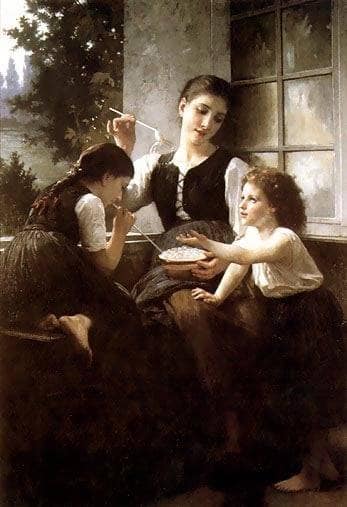
In "Bubbles," Gardner employs a masterful technique of loose brushwork that creates a sense of movement and spontaneity. The color palette is rich and vibrant, featuring soft pastels that evoke a dreamy atmosphere. The interplay of light and shadow enhances the three-dimensional quality of the bubbles, making them appear almost lifelike. This technique invites viewers to immerse themselves in the scene, experiencing the joy of childhood play.
Composition and Perspective: The Art of Arrangement
The composition of "Bubbles" is carefully arranged to draw the viewer's eye across the canvas. The placement of the young girl, surrounded by floating bubbles, creates a focal point that captures the essence of innocence. Gardner's use of perspective adds depth, allowing the background to recede gently, emphasizing the foreground's playful interaction. This thoughtful arrangement enhances the overall narrative of the painting.
Thematic Exploration: Childhood and Innocence in Bubbles
Symbolism of Bubbles: Transience and Joy
Bubbles symbolize the fleeting nature of childhood and the joy that comes with it. They represent moments of happiness that are beautiful yet temporary. Gardner captures this transience, inviting viewers to reflect on their own childhood memories. The delicate nature of the bubbles serves as a reminder of the fragility of youth and the importance of cherishing these moments.
Capturing the Essence of Playfulness in Art
The playful spirit of "Bubbles" resonates with audiences of all ages. Gardner's ability to depict a simple act of blowing bubbles transforms it into a celebration of life and joy. The painting evokes a sense of nostalgia, reminding viewers of carefree days spent outdoors. This connection to playfulness is a hallmark of Gardner's work, making it relatable and timeless.
Historical Context: The Art Movement of the Late 19th Century
Impressionism and Its Influence on Gardner's Style
During the late 19th century, Impressionism revolutionized the art world. Artists began to focus on capturing light and movement rather than adhering to strict realism. Gardner's "Bubbles" reflects this shift, showcasing her ability to blend traditional techniques with Impressionist ideals. The vibrant colors and loose brushwork in her painting exemplify the movement's influence on her artistic style.
Women Artists in the 1800s: Breaking Barriers
In the 1800s, women artists faced significant challenges in gaining recognition. Gardner's success as a female painter in Paris was groundbreaking. She not only paved the way for future generations of women artists but also challenged societal norms. Her work, including "Bubbles," highlights the importance of female perspectives in art, contributing to a more inclusive art history.
Visual Elements: Analyzing the Composition of Bubbles
Color Theory: The Use of Light and Shadow
Gardner's understanding of color theory is evident in "Bubbles." She skillfully uses light and shadow to create a sense of depth and dimension. The soft, diffused light enhances the ethereal quality of the bubbles, while the shadows ground the figures in the scene. This balance of light and dark adds emotional weight to the painting, inviting viewers to engage with the artwork on a deeper level.
Figures and Background: Creating Depth and Emotion
The figures in "Bubbles" are beautifully rendered, with attention to detail that brings them to life. The background, featuring lush greenery and a serene sky, complements the foreground's playful scene. This contrast creates a harmonious balance, allowing the viewer to feel the joy of the moment while appreciating the beauty of nature. Gardner's ability to intertwine figures and background enhances the emotional resonance of the painting.
Emotional Resonance: The Viewer's Experience with Bubbles
Evoking Nostalgia: The Power of Childhood Memories
"Bubbles" evokes a powerful sense of nostalgia, transporting viewers back to their own childhoods. The simple act of blowing bubbles resonates with universal experiences of joy and innocence. Gardner's portrayal of this moment captures the essence of carefree days, allowing viewers to connect with their past and relive those cherished memories.
Connecting with Nature: The Role of the Outdoor Setting
The outdoor setting in "Bubbles" plays a crucial role in enhancing the painting's emotional impact. The natural environment invites viewers to appreciate the beauty of the world around them. Gardner's depiction of sunlight filtering through leaves and the vibrant colors of nature creates a serene backdrop that complements the playful scene. This connection to nature adds depth to the viewer's experience, fostering a sense of peace and joy.
Artistic Legacy: Bubbles in Modern Culture
Influence on Contemporary Artists and Art Movements
Gardner's "Bubbles" continues to inspire contemporary artists today. Her ability to blend realism with Impressionist techniques has influenced various art movements, encouraging artists to explore themes of childhood and nature. The painting's timeless appeal resonates with modern audiences, reminding us of the importance of playfulness and joy in art.
Reproductions and Their Role in Art Appreciation
Art reproductions, especially oil painting reproductions, offer a unique way to appreciate Gardner's work. Unlike prints, which can lack depth and texture, high-quality reproductions capture the intricate details and vibrant colors of the original painting. Owning a reproduction of "Bubbles" allows art lovers to bring a piece of Gardner's enchanting world into their homes, fostering a deeper connection to the artwork.
FAQs About Bubbles by Elizabeth Jane Gardner
What is the story behind the painting Bubbles?
"Bubbles" captures a moment of childhood joy, showcasing a young girl immersed in the simple pleasure of blowing bubbles. This scene reflects Gardner's fascination with innocence and the fleeting nature of youth.
How does Bubbles reflect the themes of childhood and innocence?
The painting embodies the essence of childhood through its playful subject matter and vibrant colors. The bubbles symbolize the transience of joyful moments, inviting viewers to reflect on their own experiences of innocence.
What techniques did Elizabeth Jane Gardner use in Bubbles?
Gardner utilized loose brushwork and a vibrant color palette to create a sense of movement and light. Her mastery of color theory enhances the emotional depth of the painting, making it a captivating work of art.
In what ways does Bubbles connect to the Impressionist movement?
"Bubbles" reflects Impressionist ideals through its focus on light, color, and the depiction of everyday moments. Gardner's style showcases the influence of her contemporaries while maintaining her unique voice as an artist.
What emotions does Bubbles evoke in viewers?
The painting evokes nostalgia and joy, reminding viewers of their own childhood experiences. The playful scene invites a sense of happiness and connection to nature, creating an emotional resonance that lingers.
How has Bubbles influenced modern art and artists?
Gardner's work continues to inspire contemporary artists, encouraging them to explore themes of childhood and nature. The painting's timeless appeal resonates with modern audiences, reinforcing the importance of playfulness in art.
What should I know about reproductions of Bubbles?
High-quality oil painting reproductions of "Bubbles" capture the intricate details and vibrant colors of the original artwork. These reproductions offer a superior alternative to prints, allowing art lovers to appreciate Gardner's work in their own spaces.
Are there any notable exhibitions featuring Bubbles?
"Bubbles" has been featured in various exhibitions celebrating female artists and the Impressionist movement. These exhibitions highlight Gardner's contributions to art history and her enduring legacy as a trailblazer for women in the arts.
Original: $299.95
-70%$299.95
$89.98Product Information
Product Information
Shipping & Returns
Shipping & Returns
Description
Discovering the Enchantment of Bubbles by Elizabeth Jane Gardner
Unveiling the Artist: Elizabeth Jane Gardner's Legacy
The Trailblazing Female Artist of the 19th Century
Elizabeth Jane Gardner (1837-1922) stands out as a pioneering female artist in a male-dominated art world. Born in New Hampshire, she became one of the first American women to gain recognition in Europe. Gardner studied at the prestigious École des Beaux-Arts in Paris, where she honed her skills and developed her unique style. Her dedication to her craft and her ability to capture the essence of childhood in her paintings, particularly in "Bubbles," solidified her legacy as a significant figure in 19th-century art.
Influences and Inspirations Behind Gardner's Work
Gardner drew inspiration from the natural world and the innocence of childhood. Influenced by the Impressionist movement, she embraced vibrant colors and dynamic brushwork. Her experiences in France exposed her to the works of artists like Claude Monet and Pierre-Auguste Renoir, which shaped her artistic vision. The playful themes in "Bubbles" reflect her fascination with light, nature, and the joy of youth.
Understanding the Artistic Techniques in Bubbles
Brushwork and Color Palette: A Closer Look
In "Bubbles," Gardner employs a masterful technique of loose brushwork that creates a sense of movement and spontaneity. The color palette is rich and vibrant, featuring soft pastels that evoke a dreamy atmosphere. The interplay of light and shadow enhances the three-dimensional quality of the bubbles, making them appear almost lifelike. This technique invites viewers to immerse themselves in the scene, experiencing the joy of childhood play.
Composition and Perspective: The Art of Arrangement
The composition of "Bubbles" is carefully arranged to draw the viewer's eye across the canvas. The placement of the young girl, surrounded by floating bubbles, creates a focal point that captures the essence of innocence. Gardner's use of perspective adds depth, allowing the background to recede gently, emphasizing the foreground's playful interaction. This thoughtful arrangement enhances the overall narrative of the painting.
Thematic Exploration: Childhood and Innocence in Bubbles
Symbolism of Bubbles: Transience and Joy
Bubbles symbolize the fleeting nature of childhood and the joy that comes with it. They represent moments of happiness that are beautiful yet temporary. Gardner captures this transience, inviting viewers to reflect on their own childhood memories. The delicate nature of the bubbles serves as a reminder of the fragility of youth and the importance of cherishing these moments.
Capturing the Essence of Playfulness in Art
The playful spirit of "Bubbles" resonates with audiences of all ages. Gardner's ability to depict a simple act of blowing bubbles transforms it into a celebration of life and joy. The painting evokes a sense of nostalgia, reminding viewers of carefree days spent outdoors. This connection to playfulness is a hallmark of Gardner's work, making it relatable and timeless.
Historical Context: The Art Movement of the Late 19th Century
Impressionism and Its Influence on Gardner's Style
During the late 19th century, Impressionism revolutionized the art world. Artists began to focus on capturing light and movement rather than adhering to strict realism. Gardner's "Bubbles" reflects this shift, showcasing her ability to blend traditional techniques with Impressionist ideals. The vibrant colors and loose brushwork in her painting exemplify the movement's influence on her artistic style.
Women Artists in the 1800s: Breaking Barriers
In the 1800s, women artists faced significant challenges in gaining recognition. Gardner's success as a female painter in Paris was groundbreaking. She not only paved the way for future generations of women artists but also challenged societal norms. Her work, including "Bubbles," highlights the importance of female perspectives in art, contributing to a more inclusive art history.
Visual Elements: Analyzing the Composition of Bubbles
Color Theory: The Use of Light and Shadow
Gardner's understanding of color theory is evident in "Bubbles." She skillfully uses light and shadow to create a sense of depth and dimension. The soft, diffused light enhances the ethereal quality of the bubbles, while the shadows ground the figures in the scene. This balance of light and dark adds emotional weight to the painting, inviting viewers to engage with the artwork on a deeper level.
Figures and Background: Creating Depth and Emotion
The figures in "Bubbles" are beautifully rendered, with attention to detail that brings them to life. The background, featuring lush greenery and a serene sky, complements the foreground's playful scene. This contrast creates a harmonious balance, allowing the viewer to feel the joy of the moment while appreciating the beauty of nature. Gardner's ability to intertwine figures and background enhances the emotional resonance of the painting.
Emotional Resonance: The Viewer's Experience with Bubbles
Evoking Nostalgia: The Power of Childhood Memories
"Bubbles" evokes a powerful sense of nostalgia, transporting viewers back to their own childhoods. The simple act of blowing bubbles resonates with universal experiences of joy and innocence. Gardner's portrayal of this moment captures the essence of carefree days, allowing viewers to connect with their past and relive those cherished memories.
Connecting with Nature: The Role of the Outdoor Setting
The outdoor setting in "Bubbles" plays a crucial role in enhancing the painting's emotional impact. The natural environment invites viewers to appreciate the beauty of the world around them. Gardner's depiction of sunlight filtering through leaves and the vibrant colors of nature creates a serene backdrop that complements the playful scene. This connection to nature adds depth to the viewer's experience, fostering a sense of peace and joy.
Artistic Legacy: Bubbles in Modern Culture
Influence on Contemporary Artists and Art Movements
Gardner's "Bubbles" continues to inspire contemporary artists today. Her ability to blend realism with Impressionist techniques has influenced various art movements, encouraging artists to explore themes of childhood and nature. The painting's timeless appeal resonates with modern audiences, reminding us of the importance of playfulness and joy in art.
Reproductions and Their Role in Art Appreciation
Art reproductions, especially oil painting reproductions, offer a unique way to appreciate Gardner's work. Unlike prints, which can lack depth and texture, high-quality reproductions capture the intricate details and vibrant colors of the original painting. Owning a reproduction of "Bubbles" allows art lovers to bring a piece of Gardner's enchanting world into their homes, fostering a deeper connection to the artwork.
FAQs About Bubbles by Elizabeth Jane Gardner
What is the story behind the painting Bubbles?
"Bubbles" captures a moment of childhood joy, showcasing a young girl immersed in the simple pleasure of blowing bubbles. This scene reflects Gardner's fascination with innocence and the fleeting nature of youth.
How does Bubbles reflect the themes of childhood and innocence?
The painting embodies the essence of childhood through its playful subject matter and vibrant colors. The bubbles symbolize the transience of joyful moments, inviting viewers to reflect on their own experiences of innocence.
What techniques did Elizabeth Jane Gardner use in Bubbles?
Gardner utilized loose brushwork and a vibrant color palette to create a sense of movement and light. Her mastery of color theory enhances the emotional depth of the painting, making it a captivating work of art.
In what ways does Bubbles connect to the Impressionist movement?
"Bubbles" reflects Impressionist ideals through its focus on light, color, and the depiction of everyday moments. Gardner's style showcases the influence of her contemporaries while maintaining her unique voice as an artist.
What emotions does Bubbles evoke in viewers?
The painting evokes nostalgia and joy, reminding viewers of their own childhood experiences. The playful scene invites a sense of happiness and connection to nature, creating an emotional resonance that lingers.
How has Bubbles influenced modern art and artists?
Gardner's work continues to inspire contemporary artists, encouraging them to explore themes of childhood and nature. The painting's timeless appeal resonates with modern audiences, reinforcing the importance of playfulness in art.
What should I know about reproductions of Bubbles?
High-quality oil painting reproductions of "Bubbles" capture the intricate details and vibrant colors of the original artwork. These reproductions offer a superior alternative to prints, allowing art lovers to appreciate Gardner's work in their own spaces.
Are there any notable exhibitions featuring Bubbles?
"Bubbles" has been featured in various exhibitions celebrating female artists and the Impressionist movement. These exhibitions highlight Gardner's contributions to art history and her enduring legacy as a trailblazer for women in the arts.