The Answer to The Grandson
The Enigmatic Charm of "The Answer to The Grandson" by Elizabeth Jane Gardner
Exploring the Artistic Vision of Elizabeth Jane Gardner
Biographical Insights: The Life of a Pioneering Female Artist
Elizabeth Jane Gardner (1837-1922) was a trailblazing American artist who made significant strides in a male-dominated art world. Born in Exeter, New Hampshire, she studied at the prestigious École des Beaux-Arts in Paris, where she became one of the first women to gain recognition as a professional painter. Gardner's journey reflects the struggles and triumphs of women artists in the late 19th century, as she navigated societal expectations while pursuing her passion for art.
Gardner's Unique Style: Blending Realism and Impressionism
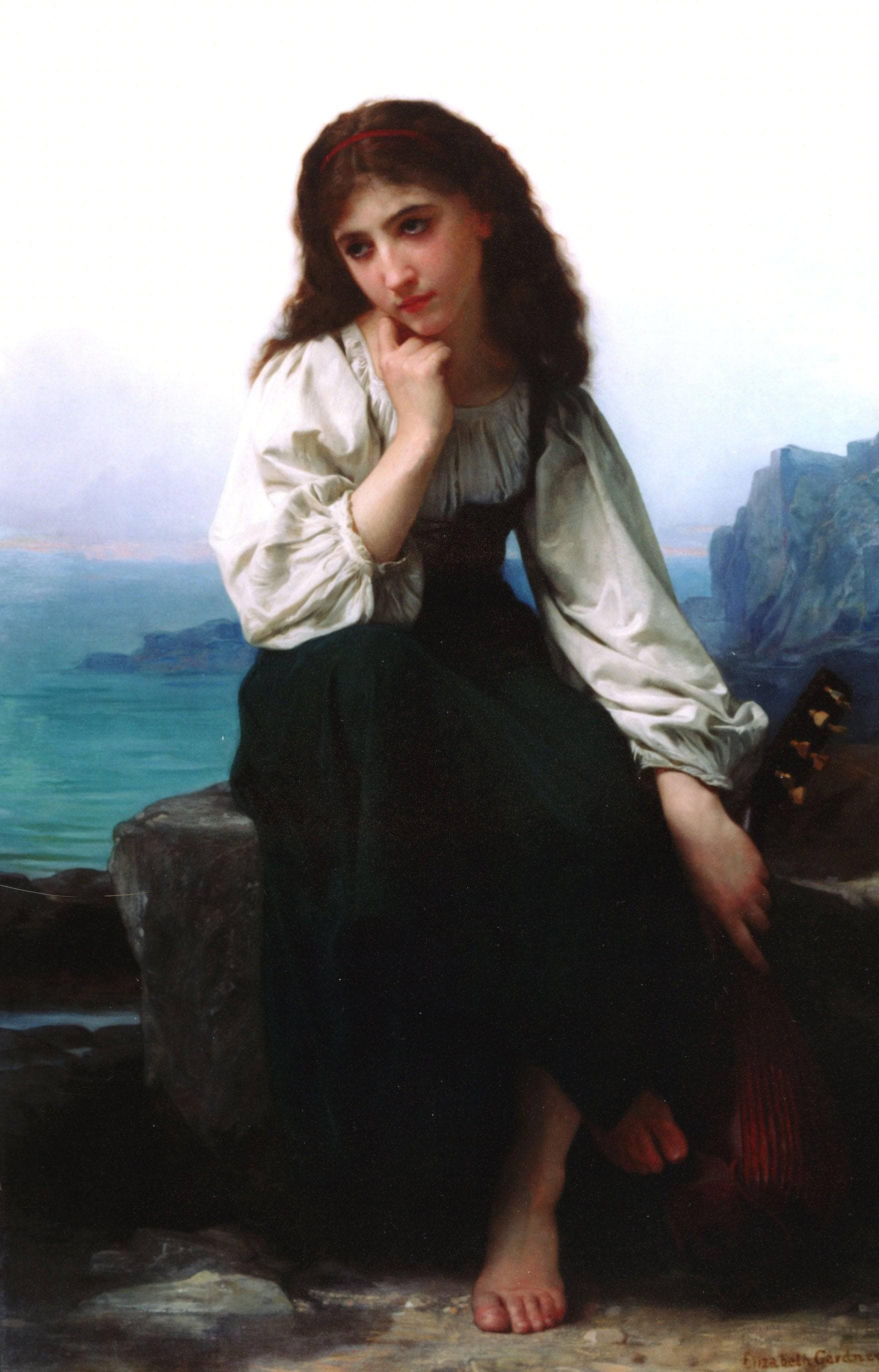
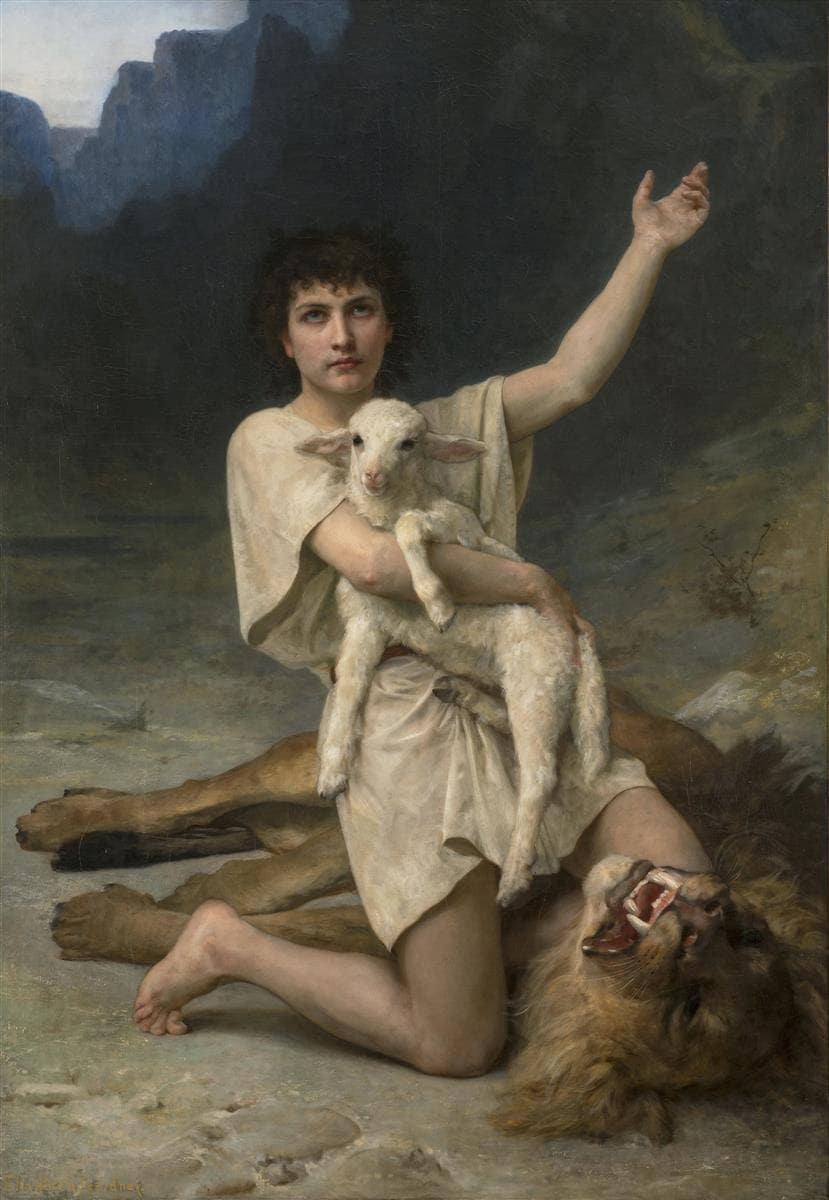
Gardner's artistic style is a captivating fusion of realism and impressionism. She skillfully captured the nuances of light and shadow, creating lifelike figures that resonate with emotional depth. Her brushwork reveals a delicate balance between detailed representation and the softer, more spontaneous qualities of impressionism. This unique approach allows her works, including "The Answer to The Grandson," to evoke a sense of intimacy and connection.
Unveiling the Narrative: Themes and Symbolism in the Painting
The Intergenerational Bond: A Grandmother's Love
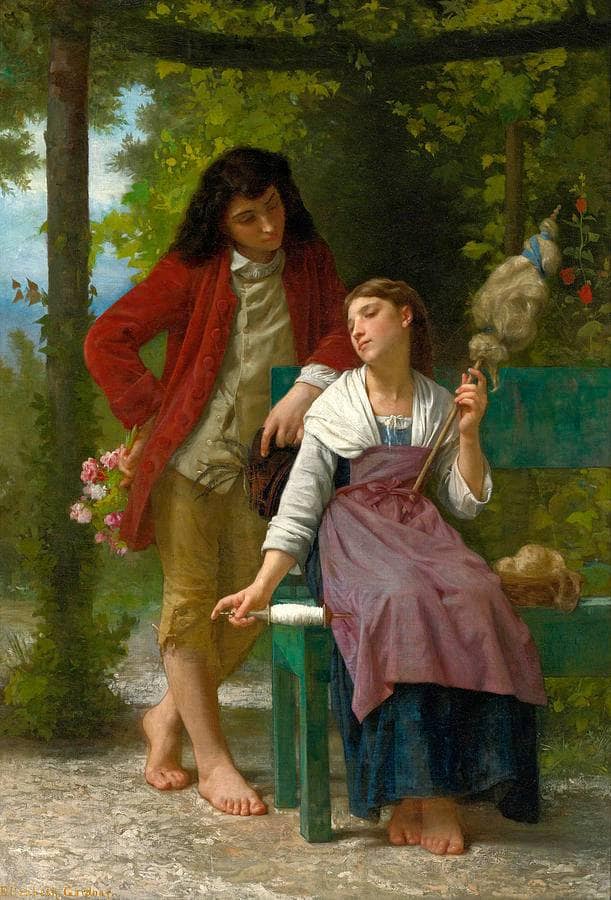
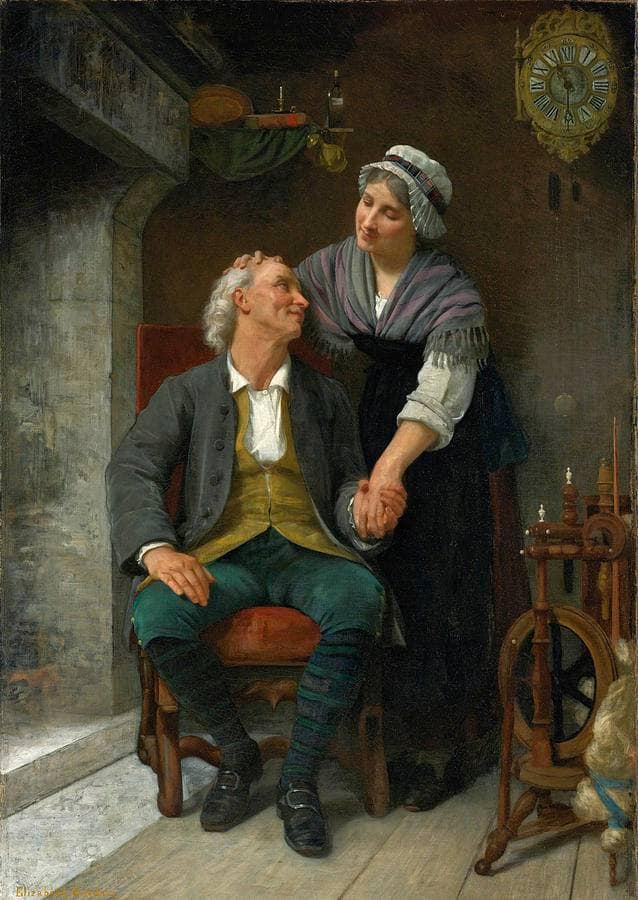
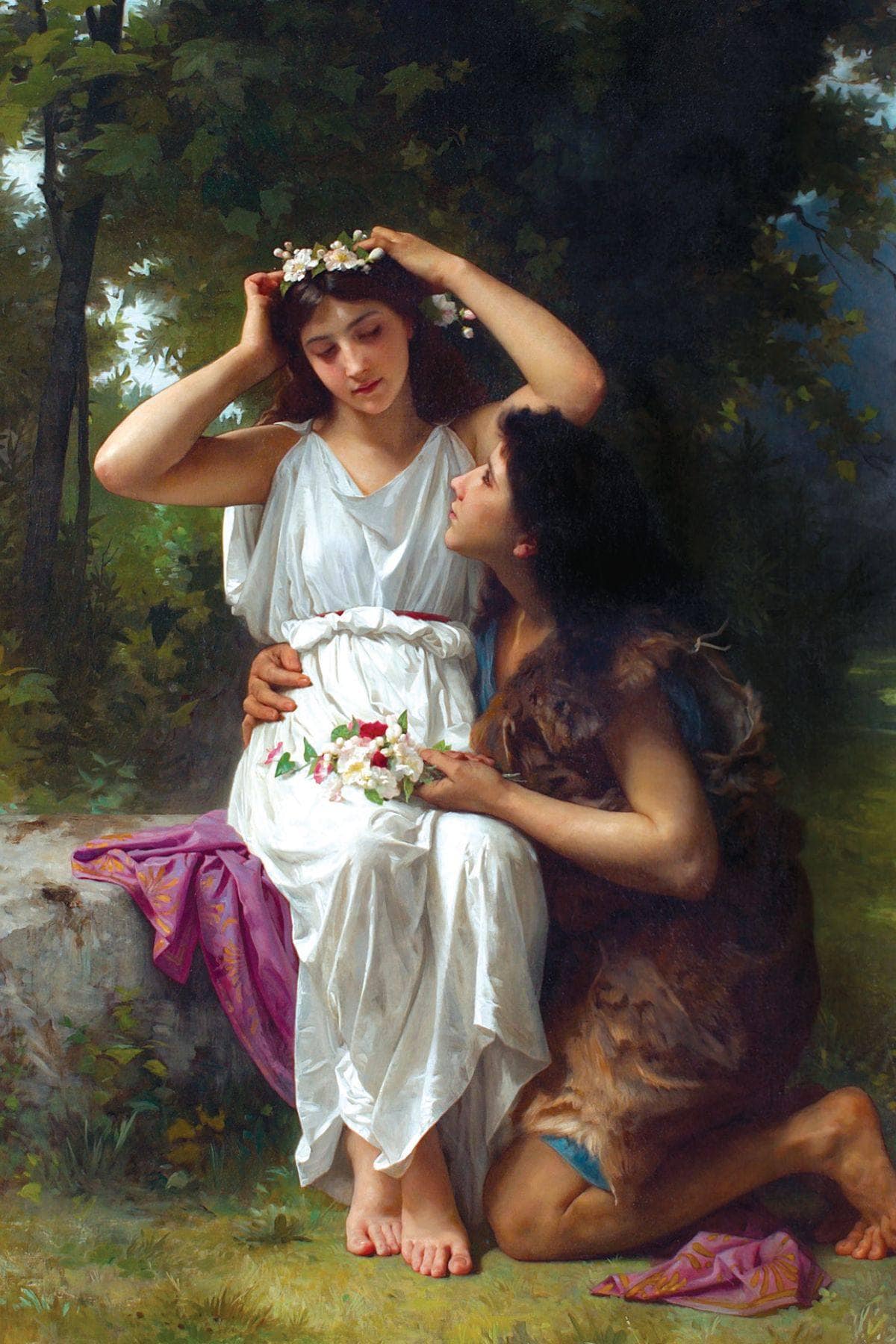
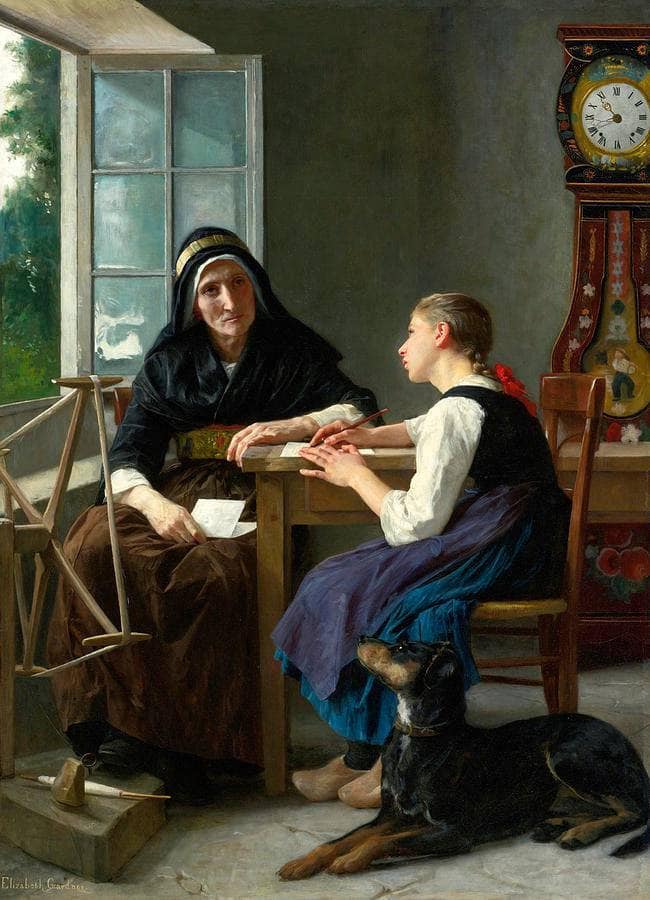
"The Answer to The Grandson" beautifully illustrates the profound bond between a grandmother and her grandson. The painting captures a tender moment of shared wisdom and affection, symbolizing the importance of family ties. This theme resonates deeply, as it reflects the universal experience of love and guidance passed down through generations.
Symbolism of Nature: The Role of the Garden Setting
The lush garden setting in Gardner's painting serves as a powerful symbol of growth and nurturing. Gardens often represent fertility and life, mirroring the nurturing relationship between the grandmother and her grandson. The vibrant flowers and greenery not only enhance the visual appeal but also signify the beauty of nature as a backdrop for familial love.
Color Palette and Emotion: How Colors Convey Feelings
Gardner's choice of colors plays a crucial role in conveying emotion. The warm, earthy tones evoke feelings of comfort and safety, while the soft pastels add a touch of whimsy. This harmonious color palette invites viewers to feel the warmth of the moment, making the painting an emotional experience that lingers long after viewing.
Technical Mastery: Brushwork and Composition Techniques
Understanding Gardner's Brushwork: Techniques and Textures
Gardner's brushwork is characterized by its fluidity and precision. She employed techniques such as glazing and scumbling to create depth and texture. The layering of paint adds richness to the surfaces, allowing light to interact with the colors in dynamic ways. This mastery of technique enhances the overall impact of "The Answer to The Grandson."
Composition Analysis: The Arrangement of Figures and Space
The composition of the painting is thoughtfully arranged, drawing the viewer's eye to the central figures. Gardner skillfully uses negative space to create balance, allowing the viewer to focus on the emotional exchange between the grandmother and grandson. This careful arrangement enhances the narrative, making the viewer feel like a part of the intimate moment.
Historical Context: The Art World in the Late 19th Century
Women in Art: Gardner's Place in Art History
In the late 19th century, women artists faced significant barriers in gaining recognition. Gardner's success as a painter was groundbreaking, as she not only exhibited her work but also won prestigious awards. Her contributions helped pave the way for future generations of female artists, challenging the norms of her time and inspiring others to pursue their artistic dreams.
Influences of the Era: How Society Shaped Artistic Expression
The societal changes of the late 1800s, including the rise of the women's suffrage movement, influenced Gardner's work. Her paintings often reflect themes of empowerment and familial bonds, resonating with the evolving roles of women in society. This context adds layers of meaning to "The Answer to The Grandson," making it a significant piece in understanding the era's artistic landscape.
Artistic Reception: Critiques and Celebrations of Gardner's Work
Contemporary Reactions: How Critics Viewed "The Answer to The Grandson"
Upon its release, "The Answer to The Grandson" received acclaim for its emotional depth and technical skill. Critics praised Gardner for her ability to capture the essence of familial love, noting the painting's ability to evoke nostalgia and warmth. This positive reception solidified her reputation as a leading artist of her time.
Legacy and Influence: Gardner's Impact on Future Generations
Gardner's influence extends beyond her lifetime. Her dedication to her craft and her role as a mentor to other women artists have left a lasting legacy. Today, her work continues to inspire artists and art lovers alike, reminding us of the importance of representation and the power of art to convey deep emotional truths.
Collecting and Appreciating Art: The Value of "The Answer to The Grandson"
Art as Investment: Understanding the Value of Original Works
Investing in original art, such as "The Answer to The Grandson," offers both aesthetic pleasure and financial value. Original paintings appreciate over time, making them a wise investment for collectors. Unlike prints, which lack the unique qualities of brushstrokes and texture, art reproductions provide a superior alternative, allowing you to enjoy the beauty of Gardner's work in your own space.
Displaying Art: Tips for Showcasing "The Answer to The Grandson"
To showcase "The Answer to The Grandson," consider placing it in a well-lit area where natural light can enhance its colors. Pair it with complementary decor to create a cohesive look. Using a high-quality frame can also elevate the painting, making it a stunning focal point in any room.
FAQs About "The Answer to The Grandson" and Its Reproduction
What is the story behind "The Answer to The Grandson"?
The painting captures a tender moment between a grandmother and her grandson, symbolizing love and wisdom passed through generations. It reflects Gardner's own experiences and values, making it a deeply personal work.
What techniques did Elizabeth Jane Gardner use in this painting?
Gardner employed techniques such as glazing and scumbling to create depth and texture. Her brushwork is fluid and precise, enhancing the emotional impact of the scene.
How does "The Answer to The Grandson" reflect the values of its time?
The painting embodies the importance of family and intergenerational relationships, reflecting the societal values of nurturing and connection prevalent in the late 19th century.
What emotions does the painting evoke in viewers?
Viewers often feel warmth, nostalgia, and a sense of love when looking at "The Answer to The Grandson." The emotional connection between the figures resonates deeply, inviting reflection on personal relationships.
How has "The Answer to The Grandson" influenced modern art?
Gardner's work has inspired contemporary artists to explore themes of family and emotional connection. Her unique blend of realism and impressionism continues to influence artistic expression today.
What should I know about reproducing this painting for my collection?
When reproducing "The Answer to The Grandson," opt for high-quality painting reproductions that capture the texture and colors of the original. These reproductions offer a more authentic experience than standard prints.
Are there different styles of reproductions available for this artwork?
Yes, various styles of reproductions are available, including canvas and framed options. Each style can enhance the beauty of Gardner's work, allowing you to choose the best fit for your collection.
Original: $299.95
-70%$299.95
$89.98Product Information
Product Information
Shipping & Returns
Shipping & Returns
Description
The Enigmatic Charm of "The Answer to The Grandson" by Elizabeth Jane Gardner
Exploring the Artistic Vision of Elizabeth Jane Gardner
Biographical Insights: The Life of a Pioneering Female Artist
Elizabeth Jane Gardner (1837-1922) was a trailblazing American artist who made significant strides in a male-dominated art world. Born in Exeter, New Hampshire, she studied at the prestigious École des Beaux-Arts in Paris, where she became one of the first women to gain recognition as a professional painter. Gardner's journey reflects the struggles and triumphs of women artists in the late 19th century, as she navigated societal expectations while pursuing her passion for art.
Gardner's Unique Style: Blending Realism and Impressionism
Gardner's artistic style is a captivating fusion of realism and impressionism. She skillfully captured the nuances of light and shadow, creating lifelike figures that resonate with emotional depth. Her brushwork reveals a delicate balance between detailed representation and the softer, more spontaneous qualities of impressionism. This unique approach allows her works, including "The Answer to The Grandson," to evoke a sense of intimacy and connection.
Unveiling the Narrative: Themes and Symbolism in the Painting
The Intergenerational Bond: A Grandmother's Love
"The Answer to The Grandson" beautifully illustrates the profound bond between a grandmother and her grandson. The painting captures a tender moment of shared wisdom and affection, symbolizing the importance of family ties. This theme resonates deeply, as it reflects the universal experience of love and guidance passed down through generations.
Symbolism of Nature: The Role of the Garden Setting
The lush garden setting in Gardner's painting serves as a powerful symbol of growth and nurturing. Gardens often represent fertility and life, mirroring the nurturing relationship between the grandmother and her grandson. The vibrant flowers and greenery not only enhance the visual appeal but also signify the beauty of nature as a backdrop for familial love.
Color Palette and Emotion: How Colors Convey Feelings
Gardner's choice of colors plays a crucial role in conveying emotion. The warm, earthy tones evoke feelings of comfort and safety, while the soft pastels add a touch of whimsy. This harmonious color palette invites viewers to feel the warmth of the moment, making the painting an emotional experience that lingers long after viewing.
Technical Mastery: Brushwork and Composition Techniques
Understanding Gardner's Brushwork: Techniques and Textures
Gardner's brushwork is characterized by its fluidity and precision. She employed techniques such as glazing and scumbling to create depth and texture. The layering of paint adds richness to the surfaces, allowing light to interact with the colors in dynamic ways. This mastery of technique enhances the overall impact of "The Answer to The Grandson."
Composition Analysis: The Arrangement of Figures and Space
The composition of the painting is thoughtfully arranged, drawing the viewer's eye to the central figures. Gardner skillfully uses negative space to create balance, allowing the viewer to focus on the emotional exchange between the grandmother and grandson. This careful arrangement enhances the narrative, making the viewer feel like a part of the intimate moment.
Historical Context: The Art World in the Late 19th Century
Women in Art: Gardner's Place in Art History
In the late 19th century, women artists faced significant barriers in gaining recognition. Gardner's success as a painter was groundbreaking, as she not only exhibited her work but also won prestigious awards. Her contributions helped pave the way for future generations of female artists, challenging the norms of her time and inspiring others to pursue their artistic dreams.
Influences of the Era: How Society Shaped Artistic Expression
The societal changes of the late 1800s, including the rise of the women's suffrage movement, influenced Gardner's work. Her paintings often reflect themes of empowerment and familial bonds, resonating with the evolving roles of women in society. This context adds layers of meaning to "The Answer to The Grandson," making it a significant piece in understanding the era's artistic landscape.
Artistic Reception: Critiques and Celebrations of Gardner's Work
Contemporary Reactions: How Critics Viewed "The Answer to The Grandson"
Upon its release, "The Answer to The Grandson" received acclaim for its emotional depth and technical skill. Critics praised Gardner for her ability to capture the essence of familial love, noting the painting's ability to evoke nostalgia and warmth. This positive reception solidified her reputation as a leading artist of her time.
Legacy and Influence: Gardner's Impact on Future Generations
Gardner's influence extends beyond her lifetime. Her dedication to her craft and her role as a mentor to other women artists have left a lasting legacy. Today, her work continues to inspire artists and art lovers alike, reminding us of the importance of representation and the power of art to convey deep emotional truths.
Collecting and Appreciating Art: The Value of "The Answer to The Grandson"
Art as Investment: Understanding the Value of Original Works
Investing in original art, such as "The Answer to The Grandson," offers both aesthetic pleasure and financial value. Original paintings appreciate over time, making them a wise investment for collectors. Unlike prints, which lack the unique qualities of brushstrokes and texture, art reproductions provide a superior alternative, allowing you to enjoy the beauty of Gardner's work in your own space.
Displaying Art: Tips for Showcasing "The Answer to The Grandson"
To showcase "The Answer to The Grandson," consider placing it in a well-lit area where natural light can enhance its colors. Pair it with complementary decor to create a cohesive look. Using a high-quality frame can also elevate the painting, making it a stunning focal point in any room.
FAQs About "The Answer to The Grandson" and Its Reproduction
What is the story behind "The Answer to The Grandson"?
The painting captures a tender moment between a grandmother and her grandson, symbolizing love and wisdom passed through generations. It reflects Gardner's own experiences and values, making it a deeply personal work.
What techniques did Elizabeth Jane Gardner use in this painting?
Gardner employed techniques such as glazing and scumbling to create depth and texture. Her brushwork is fluid and precise, enhancing the emotional impact of the scene.
How does "The Answer to The Grandson" reflect the values of its time?
The painting embodies the importance of family and intergenerational relationships, reflecting the societal values of nurturing and connection prevalent in the late 19th century.
What emotions does the painting evoke in viewers?
Viewers often feel warmth, nostalgia, and a sense of love when looking at "The Answer to The Grandson." The emotional connection between the figures resonates deeply, inviting reflection on personal relationships.
How has "The Answer to The Grandson" influenced modern art?
Gardner's work has inspired contemporary artists to explore themes of family and emotional connection. Her unique blend of realism and impressionism continues to influence artistic expression today.
What should I know about reproducing this painting for my collection?
When reproducing "The Answer to The Grandson," opt for high-quality painting reproductions that capture the texture and colors of the original. These reproductions offer a more authentic experience than standard prints.
Are there different styles of reproductions available for this artwork?
Yes, various styles of reproductions are available, including canvas and framed options. Each style can enhance the beauty of Gardner's work, allowing you to choose the best fit for your collection.