Philomena And Procne
Discovering the Mythological Narrative in Philomena and Procne
Unraveling the Story Behind the Painting
The Tragic Tale of Philomena and Procne
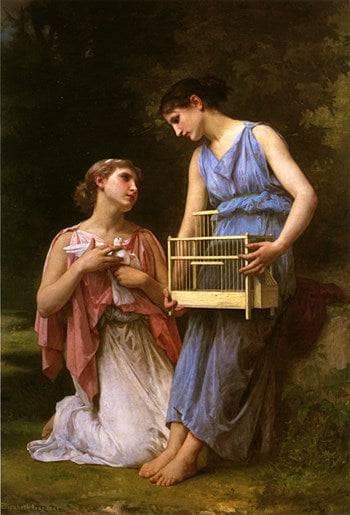
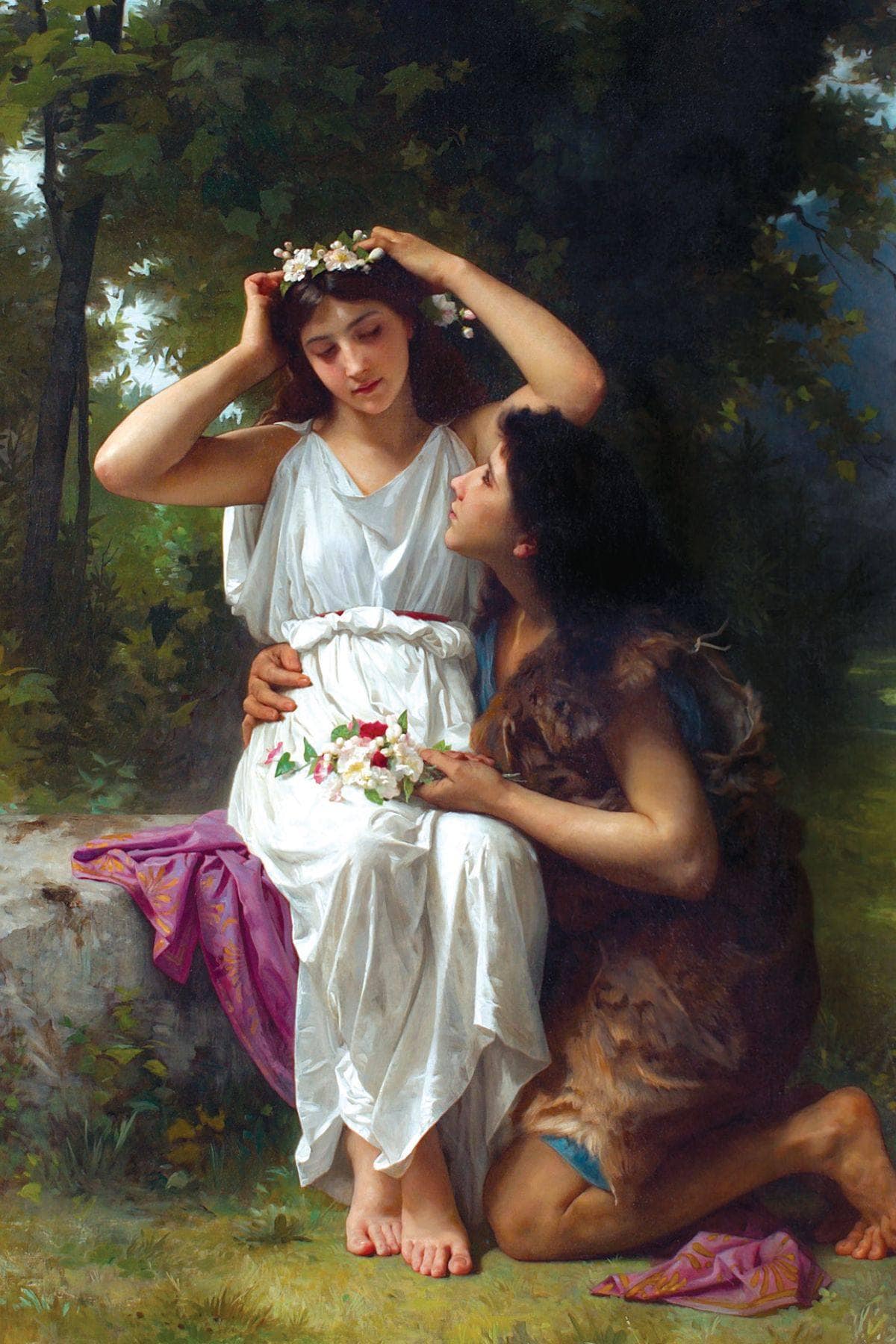
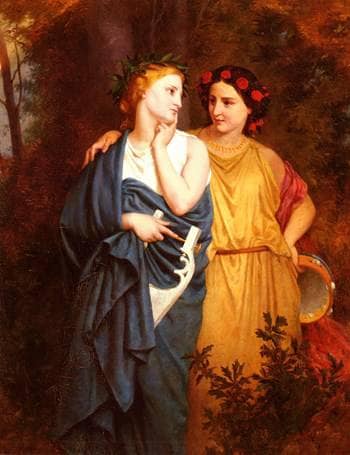
In Elizabeth Jane Gardner's captivating oil painting, "Philomena and Procne," we delve into a poignant myth from Ovid's "Metamorphoses." This tragic narrative unfolds the harrowing story of two sisters, Philomena and Procne, whose lives are intertwined with themes of betrayal, revenge, and transformation. Philomena, wronged by her sister's husband, Tereus, endures a fate that leads to her metamorphosis into a nightingale, symbolizing her lost voice and suffering. Gardner's interpretation invites viewers to reflect on the emotional depth of this myth, highlighting the resilience of women in the face of adversity.
Symbolism and Themes in Gardner's Work
Gardner's painting is rich with symbolism. The nightingale, often associated with sorrow and longing, represents Philomena's plight. The contrasting colors in the sisters' garments symbolize their divergent paths—Procne's vibrant attire reflects her initial innocence, while Philomena's muted tones echo her tragic fate. Themes of sisterhood, loyalty, and the quest for justice resonate throughout the artwork, making it a powerful commentary on the human condition.
Elizabeth Jane Gardner: A Pioneer of Female Artists
Her Artistic Journey and Influences
Breaking Barriers in the 19th Century Art Scene
Elizabeth Jane Gardner was a trailblazer in the male-dominated art world of the 19th century. Born in 1837, she studied at the prestigious École des Beaux-Arts in Paris, where few women were admitted. Gardner's determination and talent allowed her to break through societal barriers, paving the way for future generations of female artists. Her works often featured strong female figures, reflecting her belief in women's empowerment and artistic expression.
Gardner's Unique Style and Techniques
Gardner's style is characterized by her meticulous attention to detail and her ability to convey emotion through her subjects. She often employed a blend of realism and romanticism, creating a sense of drama in her compositions. Her use of vibrant colors and dynamic poses brings her characters to life, inviting viewers to engage with their stories on a deeper level.
Visual Elements of Philomena and Procne
Color Palette and Composition Analysis
The Use of Light and Shadow in the Painting
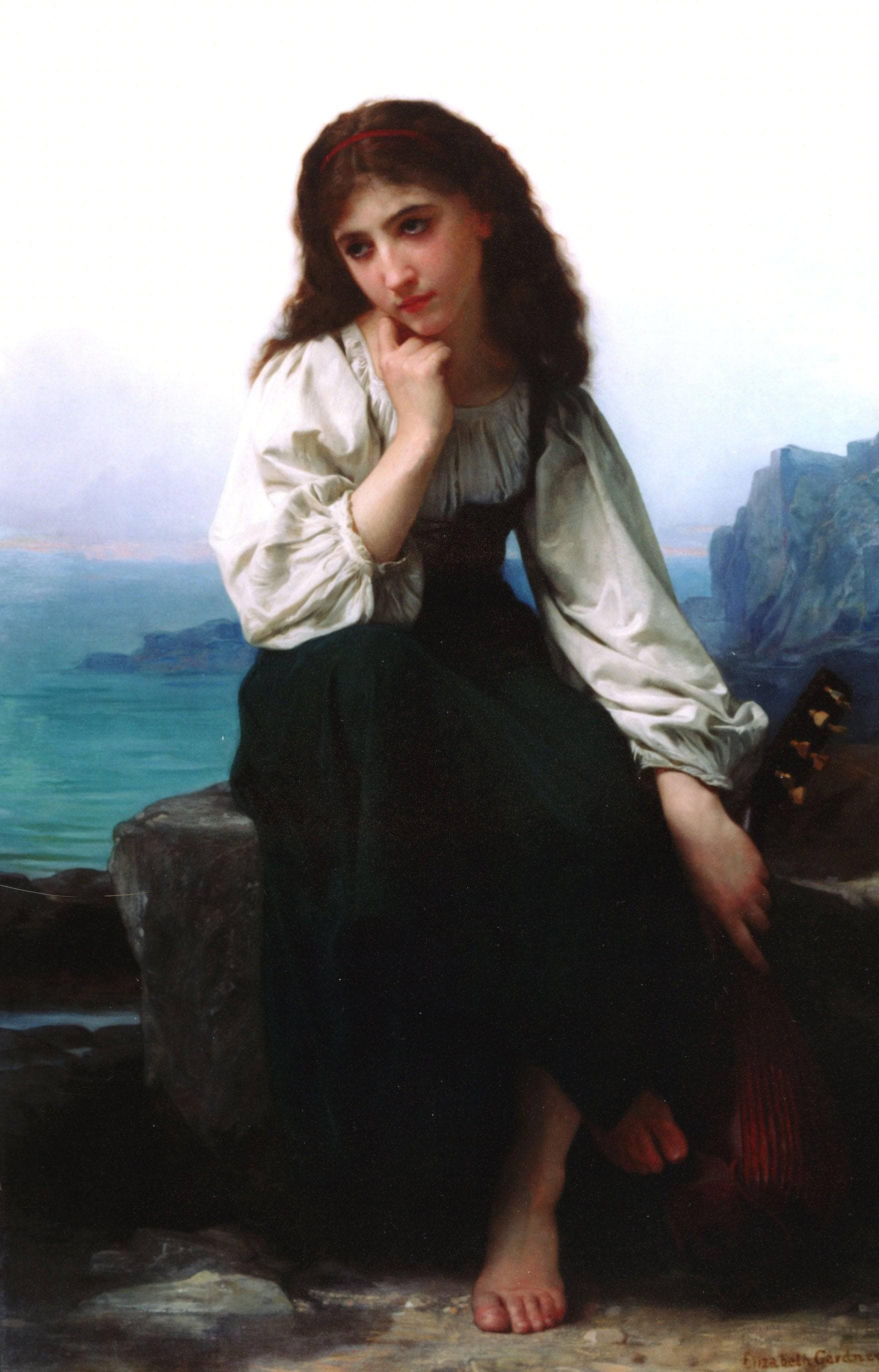
In "Philomena and Procne," Gardner expertly manipulates light and shadow to enhance the emotional impact of the scene. The soft illumination highlights the sisters' faces, drawing attention to their expressions of sorrow and determination. The chiaroscuro technique adds depth, creating a three-dimensional quality that immerses viewers in the narrative.
Figures and Their Emotional Expressions
The figures of Philomena and Procne are masterfully rendered, each conveying a distinct emotional state. Philomena's anguish is palpable, while Procne's expression reflects a mix of grief and resolve. Gardner's ability to capture these nuanced emotions invites viewers to empathize with the characters, making the painting a powerful exploration of human experience.
Historical Context of Philomena and Procne
Art Movements Influencing Gardner's Work
Romanticism and Its Impact on Narrative Art
Gardner's work is deeply rooted in the Romantic movement, which emphasized emotion, individualism, and the beauty of nature. This movement influenced her choice of subject matter, as she often depicted dramatic narratives that resonated with viewers. The Romantic emphasis on personal experience and emotional depth is evident in "Philomena and Procne," where the sisters' plight becomes a universal story of love and loss.
Comparative Analysis with Contemporary Artists
When compared to her contemporaries, Gardner's focus on female narratives sets her apart. While many male artists of the time depicted historical or mythological themes, Gardner's work centers on women's experiences. This unique perspective not only enriches the art world but also challenges traditional representations of women in art.
Artistic Techniques Employed by Gardner
Brushwork and Texture in Philomena and Procne
Layering Techniques and Their Effects
Gardner's use of layering techniques in "Philomena and Procne" creates a rich texture that enhances the visual experience. By applying multiple layers of paint, she achieves a depth that draws the viewer's eye into the scene. This technique allows for subtle variations in color and light, adding to the painting's overall emotional resonance.
Innovative Approaches to Oil Painting
Gardner was known for her innovative approaches to oil painting, often experimenting with different mediums and techniques. Her ability to blend traditional methods with her unique style resulted in a distinctive body of work that continues to inspire artists today. "Philomena and Procne" showcases her mastery of oil painting, making it a standout piece in her oeuvre.
Exploring the Reception of Philomena and Procne
Critical Acclaim and Historical Significance
Upon its unveiling, "Philomena and Procne" received critical acclaim for its emotional depth and technical prowess. Art critics praised Gardner for her ability to convey complex narratives through her paintings. The work has since become a significant piece in the study of female artists in the 19th century, highlighting Gardner's contributions to the art world.
Exhibitions and Public Response Over Time
Over the years, "Philomena and Procne" has been featured in numerous exhibitions, drawing attention to Gardner's legacy. Public response has been overwhelmingly positive, with many viewers expressing admiration for the painting's emotional intensity and technical skill. This enduring interest speaks to the painting's relevance and impact in contemporary discussions about women's roles in art.
Influence on Future Generations of Artists
Gardner's work has inspired countless artists, particularly women, to explore themes of identity and emotion in their art. Her commitment to portraying strong female figures has paved the way for future generations to challenge traditional narratives and express their own stories through art. "Philomena and Procne" remains a powerful testament to the enduring influence of Gardner's vision.
FAQs About Philomena and Procne
Common Questions About the Painting
What is the story behind Philomena and Procne?
The story of Philomena and Procne is a tragic myth from Ovid's "Metamorphoses," focusing on themes of betrayal and transformation. It tells of Philomena's suffering at the hands of her sister's husband, Tereus, and her eventual metamorphosis into a nightingale.
What themes are explored in Gardner's painting?
Gardner's painting explores themes of sisterhood, loyalty, revenge, and the resilience of women. It highlights the emotional struggles of the characters and their quest for justice.
How does Gardner's style reflect her time period?
Gardner's style reflects the Romantic movement, emphasizing emotion and individual experience. Her focus on female narratives was groundbreaking for her time, setting her apart from many of her contemporaries.
What artistic techniques did Gardner use in this work?
Gardner employed layering techniques, chiaroscuro, and meticulous brushwork to create depth and emotion in "Philomena and Procne." Her innovative approaches to oil painting enhance the overall impact of the piece.
How has Philomena and Procne been received by art critics?
Art critics have praised "Philomena and Procne" for its emotional depth and technical skill. The painting is recognized as a significant contribution to the study of female artists in the 19th century.
Questions About the Painting Reproduction
What makes this reproduction of Philomena and Procne unique?
This reproduction of "Philomena and Procne" captures the intricate details and vibrant colors of Gardner's original oil painting. Unlike standard prints, this reproduction offers a superior quality that reflects the texture and depth of the original artwork, making it a stunning addition to any art collection.
How can I best display a reproduction of this painting?
To best display a reproduction of "Philomena and Procne," consider framing it with a complementary frame that enhances its colors. Position it in a well-lit area to highlight the details and textures, allowing viewers to appreciate the emotional narrative it conveys.
Original: $299.95
-70%$299.95
$89.98Product Information
Product Information
Shipping & Returns
Shipping & Returns
Description
Discovering the Mythological Narrative in Philomena and Procne
Unraveling the Story Behind the Painting
The Tragic Tale of Philomena and Procne
In Elizabeth Jane Gardner's captivating oil painting, "Philomena and Procne," we delve into a poignant myth from Ovid's "Metamorphoses." This tragic narrative unfolds the harrowing story of two sisters, Philomena and Procne, whose lives are intertwined with themes of betrayal, revenge, and transformation. Philomena, wronged by her sister's husband, Tereus, endures a fate that leads to her metamorphosis into a nightingale, symbolizing her lost voice and suffering. Gardner's interpretation invites viewers to reflect on the emotional depth of this myth, highlighting the resilience of women in the face of adversity.
Symbolism and Themes in Gardner's Work
Gardner's painting is rich with symbolism. The nightingale, often associated with sorrow and longing, represents Philomena's plight. The contrasting colors in the sisters' garments symbolize their divergent paths—Procne's vibrant attire reflects her initial innocence, while Philomena's muted tones echo her tragic fate. Themes of sisterhood, loyalty, and the quest for justice resonate throughout the artwork, making it a powerful commentary on the human condition.
Elizabeth Jane Gardner: A Pioneer of Female Artists
Her Artistic Journey and Influences
Breaking Barriers in the 19th Century Art Scene
Elizabeth Jane Gardner was a trailblazer in the male-dominated art world of the 19th century. Born in 1837, she studied at the prestigious École des Beaux-Arts in Paris, where few women were admitted. Gardner's determination and talent allowed her to break through societal barriers, paving the way for future generations of female artists. Her works often featured strong female figures, reflecting her belief in women's empowerment and artistic expression.
Gardner's Unique Style and Techniques
Gardner's style is characterized by her meticulous attention to detail and her ability to convey emotion through her subjects. She often employed a blend of realism and romanticism, creating a sense of drama in her compositions. Her use of vibrant colors and dynamic poses brings her characters to life, inviting viewers to engage with their stories on a deeper level.
Visual Elements of Philomena and Procne
Color Palette and Composition Analysis
The Use of Light and Shadow in the Painting
In "Philomena and Procne," Gardner expertly manipulates light and shadow to enhance the emotional impact of the scene. The soft illumination highlights the sisters' faces, drawing attention to their expressions of sorrow and determination. The chiaroscuro technique adds depth, creating a three-dimensional quality that immerses viewers in the narrative.
Figures and Their Emotional Expressions
The figures of Philomena and Procne are masterfully rendered, each conveying a distinct emotional state. Philomena's anguish is palpable, while Procne's expression reflects a mix of grief and resolve. Gardner's ability to capture these nuanced emotions invites viewers to empathize with the characters, making the painting a powerful exploration of human experience.
Historical Context of Philomena and Procne
Art Movements Influencing Gardner's Work
Romanticism and Its Impact on Narrative Art
Gardner's work is deeply rooted in the Romantic movement, which emphasized emotion, individualism, and the beauty of nature. This movement influenced her choice of subject matter, as she often depicted dramatic narratives that resonated with viewers. The Romantic emphasis on personal experience and emotional depth is evident in "Philomena and Procne," where the sisters' plight becomes a universal story of love and loss.
Comparative Analysis with Contemporary Artists
When compared to her contemporaries, Gardner's focus on female narratives sets her apart. While many male artists of the time depicted historical or mythological themes, Gardner's work centers on women's experiences. This unique perspective not only enriches the art world but also challenges traditional representations of women in art.
Artistic Techniques Employed by Gardner
Brushwork and Texture in Philomena and Procne
Layering Techniques and Their Effects
Gardner's use of layering techniques in "Philomena and Procne" creates a rich texture that enhances the visual experience. By applying multiple layers of paint, she achieves a depth that draws the viewer's eye into the scene. This technique allows for subtle variations in color and light, adding to the painting's overall emotional resonance.
Innovative Approaches to Oil Painting
Gardner was known for her innovative approaches to oil painting, often experimenting with different mediums and techniques. Her ability to blend traditional methods with her unique style resulted in a distinctive body of work that continues to inspire artists today. "Philomena and Procne" showcases her mastery of oil painting, making it a standout piece in her oeuvre.
Exploring the Reception of Philomena and Procne
Critical Acclaim and Historical Significance
Upon its unveiling, "Philomena and Procne" received critical acclaim for its emotional depth and technical prowess. Art critics praised Gardner for her ability to convey complex narratives through her paintings. The work has since become a significant piece in the study of female artists in the 19th century, highlighting Gardner's contributions to the art world.
Exhibitions and Public Response Over Time
Over the years, "Philomena and Procne" has been featured in numerous exhibitions, drawing attention to Gardner's legacy. Public response has been overwhelmingly positive, with many viewers expressing admiration for the painting's emotional intensity and technical skill. This enduring interest speaks to the painting's relevance and impact in contemporary discussions about women's roles in art.
Influence on Future Generations of Artists
Gardner's work has inspired countless artists, particularly women, to explore themes of identity and emotion in their art. Her commitment to portraying strong female figures has paved the way for future generations to challenge traditional narratives and express their own stories through art. "Philomena and Procne" remains a powerful testament to the enduring influence of Gardner's vision.
FAQs About Philomena and Procne
Common Questions About the Painting
What is the story behind Philomena and Procne?
The story of Philomena and Procne is a tragic myth from Ovid's "Metamorphoses," focusing on themes of betrayal and transformation. It tells of Philomena's suffering at the hands of her sister's husband, Tereus, and her eventual metamorphosis into a nightingale.
What themes are explored in Gardner's painting?
Gardner's painting explores themes of sisterhood, loyalty, revenge, and the resilience of women. It highlights the emotional struggles of the characters and their quest for justice.
How does Gardner's style reflect her time period?
Gardner's style reflects the Romantic movement, emphasizing emotion and individual experience. Her focus on female narratives was groundbreaking for her time, setting her apart from many of her contemporaries.
What artistic techniques did Gardner use in this work?
Gardner employed layering techniques, chiaroscuro, and meticulous brushwork to create depth and emotion in "Philomena and Procne." Her innovative approaches to oil painting enhance the overall impact of the piece.
How has Philomena and Procne been received by art critics?
Art critics have praised "Philomena and Procne" for its emotional depth and technical skill. The painting is recognized as a significant contribution to the study of female artists in the 19th century.
Questions About the Painting Reproduction
What makes this reproduction of Philomena and Procne unique?
This reproduction of "Philomena and Procne" captures the intricate details and vibrant colors of Gardner's original oil painting. Unlike standard prints, this reproduction offers a superior quality that reflects the texture and depth of the original artwork, making it a stunning addition to any art collection.
How can I best display a reproduction of this painting?
To best display a reproduction of "Philomena and Procne," consider framing it with a complementary frame that enhances its colors. Position it in a well-lit area to highlight the details and textures, allowing viewers to appreciate the emotional narrative it conveys.