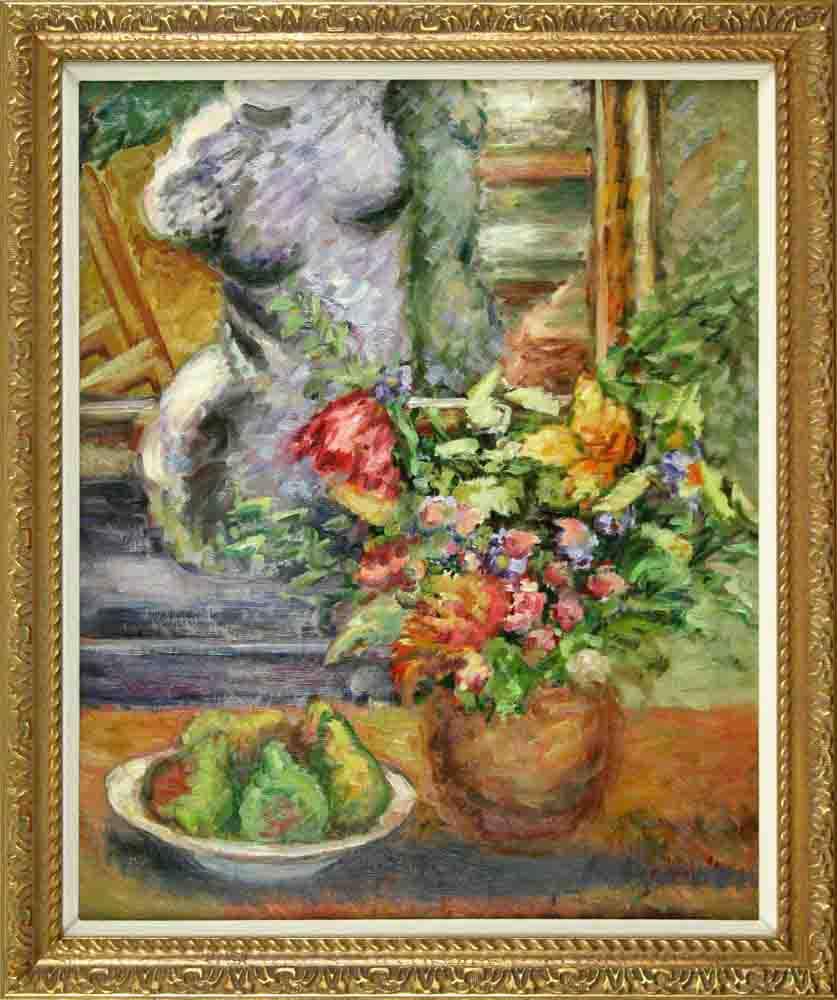
Still Life Before Torso by Ben
Exploring the Artistic Depth of "Still Life Before Torso" by Jacob Młyncznik
Understanding the Essence of Still Life Art
The Historical Significance of Still Life in Art
Still life art has a rich history, dating back to ancient civilizations. It flourished during the Renaissance, where artists used it to explore themes of mortality and the beauty of everyday objects. This genre allows artists to showcase their technical skills and creativity, often reflecting cultural values and societal changes. In the context of Jacob Młyncznik's work, still life serves as a canvas for deeper philosophical inquiries.
Key Characteristics of Still Life Paintings
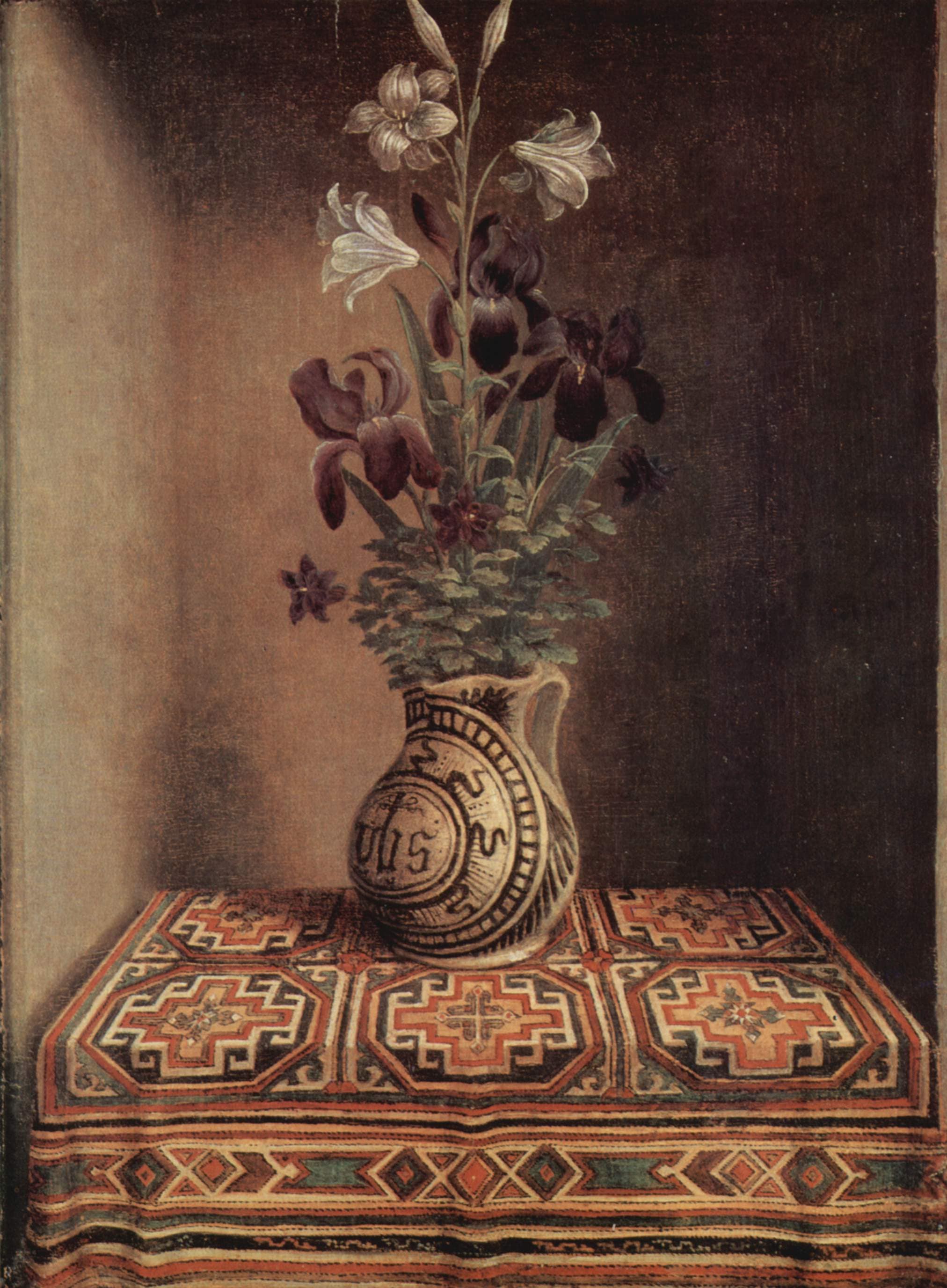
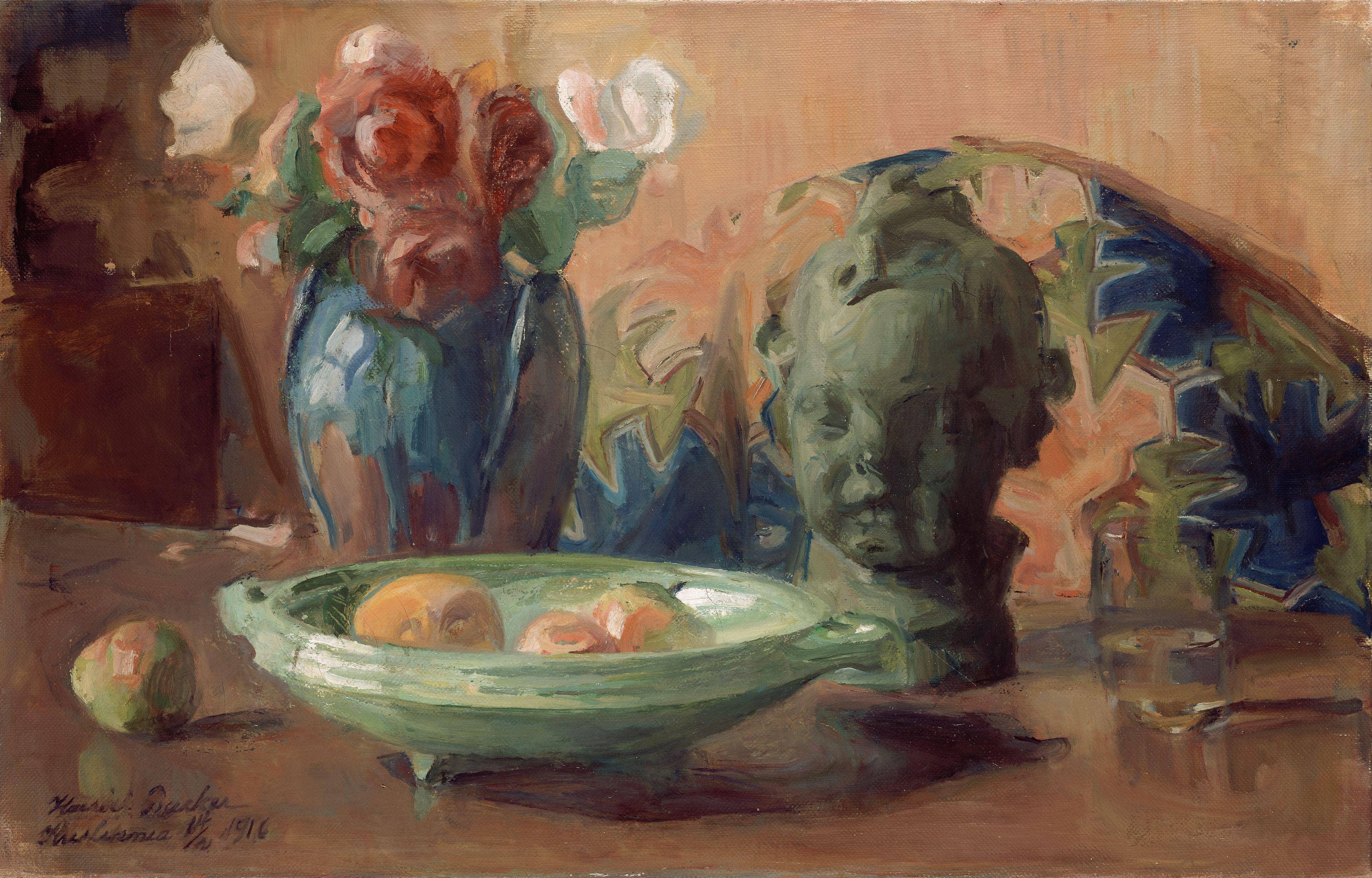
Still life paintings are characterized by their focus on inanimate objects, often arranged in a thoughtful composition. Common elements include fruits, flowers, and household items, each chosen for their aesthetic appeal and symbolic meaning. Młyncznik's "Still Life Before Torso" exemplifies these traits, inviting viewers to appreciate the intricate details and the interplay of light and shadow.
Jacob Młyncznik: A Glimpse into the Artist's World
Biographical Insights: The Life and Times of Jacob Młyncznik
Jacob Młyncznik was born in the early 20th century, a time of great artistic innovation. His upbringing in a culturally rich environment influenced his artistic journey. Młyncznik studied under renowned masters, absorbing various techniques that shaped his unique style. His dedication to the craft is evident in his meticulous attention to detail and his ability to evoke emotion through his art.
Artistic Influences: What Shaped Młyncznik's Style?
Młyncznik drew inspiration from the Dutch Golden Age and the modernist movements of the 20th century. The interplay of realism and abstraction in his work reflects a deep understanding of both traditional and contemporary techniques. His exposure to various artistic philosophies allowed him to create a distinctive voice in the still life genre, making "Still Life Before Torso" a remarkable piece.
Unpacking "Still Life Before Torso": A Visual Analysis
Composition and Arrangement: The Art of Balance
The composition of "Still Life Before Torso" is a masterclass in balance and harmony. Młyncznik carefully arranges objects to create a sense of unity. The placement of each item draws the viewer's eye across the canvas, encouraging exploration of the intricate details. This thoughtful arrangement enhances the overall aesthetic appeal and invites contemplation.
Color Palette: The Emotional Impact of Młyncznik's Choices
Młyncznik's color palette in "Still Life Before Torso" is both vibrant and subdued, creating a dynamic emotional landscape. Rich hues of deep reds and soft earth tones evoke warmth and nostalgia. The strategic use of color not only highlights the objects but also sets a mood that resonates with viewers, making the painting feel alive.
Symbolism and Meaning: What Lies Beneath the Surface?
Every object in "Still Life Before Torso" carries symbolic weight. The torso itself may represent the human form and the fragility of life, while the surrounding items could symbolize abundance and the passage of time. Młyncznik invites viewers to ponder the relationship between life and art, encouraging a deeper understanding of existence through his work.
The Role of Light and Shadow in Młyncznik's Work
Chiaroscuro Techniques: Creating Depth and Dimension
Młyncznik expertly employs chiaroscuro techniques to create depth in "Still Life Before Torso." The contrast between light and shadow adds a three-dimensional quality to the painting. This technique not only enhances the realism of the objects but also imbues the scene with a dramatic tension that captivates the viewer.
Illumination: How Light Transforms the Still Life
The illumination in "Still Life Before Torso" plays a crucial role in shaping the viewer's experience. Młyncznik uses light to highlight specific elements, drawing attention to their textures and forms. This careful manipulation of light transforms the still life into a vibrant tableau, inviting viewers to engage with the artwork on a personal level.
Comparative Analysis: Młyncznik's Work in Context
Contrasting "Still Life Before Torso" with Other Still Life Masters
When compared to other still life masters like Paul Cézanne and Giorgio Morandi, M≈Çyncznik's approach stands out. While Cézanne focused on geometric forms and Morandi on subtle color variations, M≈Çyncznik blends realism with emotional depth. His unique perspective offers a fresh take on the still life genre, making "Still Life Before Torso" a significant contribution to art history.
Influence of Modernism on Młyncznik's Artistic Approach
Modernism greatly influenced Młyncznik's artistic approach, encouraging him to break away from traditional constraints. He embraced abstraction while maintaining a connection to realism, allowing for a more expressive interpretation of still life. This fusion of styles is evident in "Still Life Before Torso," where modern techniques enhance the timeless themes of the genre.
Emotional Resonance: Viewer Interpretations of "Still Life Before Torso"
Personal Reflections: What the Painting Evokes in Viewers
Viewers often find themselves drawn to the emotional resonance of "Still Life Before Torso." The painting evokes feelings of nostalgia, contemplation, and even melancholy. Each observer may interpret the work differently, reflecting their own experiences and emotions, which adds to the painting's allure.
Art Critiques: Professional Perspectives on Młyncznik's Work
Art critics have praised Młyncznik for his ability to blend technical skill with emotional depth. They highlight how "Still Life Before Torso" challenges traditional notions of still life by infusing it with a sense of narrative and introspection. This critical acclaim underscores the painting's significance in contemporary art discussions.
FAQs About "Still Life Before Torso" by Jacob Młyncznik
What is the main theme of "Still Life Before Torso"?
The main theme revolves around the exploration of life, mortality, and the beauty of everyday objects, inviting viewers to reflect on their own existence.
How does Jacob Młyncznik's style differ from other still life artists?
Młyncznik's style combines realism with emotional depth, setting him apart from artists who focus solely on technical precision or abstraction.
What techniques did Młyncznik use to create depth in this painting?
He employed chiaroscuro techniques, manipulating light and shadow to create a three-dimensional effect that enhances the realism of the objects.
Are there any notable symbols in "Still Life Before Torso"?
Yes, the torso symbolizes the human form and fragility, while other objects represent abundance and the passage of time, adding layers of meaning to the work.
What emotions does "Still Life Before Torso" typically evoke in viewers?
Viewers often feel nostalgia, contemplation, and a sense of connection to the themes of life and mortality presented in the painting.
FAQs About the Painting Reproduction
How can I ensure the reproduction captures the essence of the original painting?
Choose a high-quality oil painting reproduction, as these capture the texture and depth of the original artwork far better than standard prints.
What should I consider when displaying a reproduction of "Still Life Before Torso"?
Consider the lighting and background of the display area. Proper illumination can enhance the colors and details, making the reproduction a stunning focal point in your space.
Original: $249.95
-70%$249.95
$74.98Product Information
Product Information
Shipping & Returns
Shipping & Returns
Description
Exploring the Artistic Depth of "Still Life Before Torso" by Jacob Młyncznik
Understanding the Essence of Still Life Art
The Historical Significance of Still Life in Art
Still life art has a rich history, dating back to ancient civilizations. It flourished during the Renaissance, where artists used it to explore themes of mortality and the beauty of everyday objects. This genre allows artists to showcase their technical skills and creativity, often reflecting cultural values and societal changes. In the context of Jacob Młyncznik's work, still life serves as a canvas for deeper philosophical inquiries.
Key Characteristics of Still Life Paintings
Still life paintings are characterized by their focus on inanimate objects, often arranged in a thoughtful composition. Common elements include fruits, flowers, and household items, each chosen for their aesthetic appeal and symbolic meaning. Młyncznik's "Still Life Before Torso" exemplifies these traits, inviting viewers to appreciate the intricate details and the interplay of light and shadow.
Jacob Młyncznik: A Glimpse into the Artist's World
Biographical Insights: The Life and Times of Jacob Młyncznik
Jacob Młyncznik was born in the early 20th century, a time of great artistic innovation. His upbringing in a culturally rich environment influenced his artistic journey. Młyncznik studied under renowned masters, absorbing various techniques that shaped his unique style. His dedication to the craft is evident in his meticulous attention to detail and his ability to evoke emotion through his art.
Artistic Influences: What Shaped Młyncznik's Style?
Młyncznik drew inspiration from the Dutch Golden Age and the modernist movements of the 20th century. The interplay of realism and abstraction in his work reflects a deep understanding of both traditional and contemporary techniques. His exposure to various artistic philosophies allowed him to create a distinctive voice in the still life genre, making "Still Life Before Torso" a remarkable piece.
Unpacking "Still Life Before Torso": A Visual Analysis
Composition and Arrangement: The Art of Balance
The composition of "Still Life Before Torso" is a masterclass in balance and harmony. Młyncznik carefully arranges objects to create a sense of unity. The placement of each item draws the viewer's eye across the canvas, encouraging exploration of the intricate details. This thoughtful arrangement enhances the overall aesthetic appeal and invites contemplation.
Color Palette: The Emotional Impact of Młyncznik's Choices
Młyncznik's color palette in "Still Life Before Torso" is both vibrant and subdued, creating a dynamic emotional landscape. Rich hues of deep reds and soft earth tones evoke warmth and nostalgia. The strategic use of color not only highlights the objects but also sets a mood that resonates with viewers, making the painting feel alive.
Symbolism and Meaning: What Lies Beneath the Surface?
Every object in "Still Life Before Torso" carries symbolic weight. The torso itself may represent the human form and the fragility of life, while the surrounding items could symbolize abundance and the passage of time. Młyncznik invites viewers to ponder the relationship between life and art, encouraging a deeper understanding of existence through his work.
The Role of Light and Shadow in Młyncznik's Work
Chiaroscuro Techniques: Creating Depth and Dimension
Młyncznik expertly employs chiaroscuro techniques to create depth in "Still Life Before Torso." The contrast between light and shadow adds a three-dimensional quality to the painting. This technique not only enhances the realism of the objects but also imbues the scene with a dramatic tension that captivates the viewer.
Illumination: How Light Transforms the Still Life
The illumination in "Still Life Before Torso" plays a crucial role in shaping the viewer's experience. Młyncznik uses light to highlight specific elements, drawing attention to their textures and forms. This careful manipulation of light transforms the still life into a vibrant tableau, inviting viewers to engage with the artwork on a personal level.
Comparative Analysis: Młyncznik's Work in Context
Contrasting "Still Life Before Torso" with Other Still Life Masters
When compared to other still life masters like Paul Cézanne and Giorgio Morandi, M≈Çyncznik's approach stands out. While Cézanne focused on geometric forms and Morandi on subtle color variations, M≈Çyncznik blends realism with emotional depth. His unique perspective offers a fresh take on the still life genre, making "Still Life Before Torso" a significant contribution to art history.
Influence of Modernism on Młyncznik's Artistic Approach
Modernism greatly influenced Młyncznik's artistic approach, encouraging him to break away from traditional constraints. He embraced abstraction while maintaining a connection to realism, allowing for a more expressive interpretation of still life. This fusion of styles is evident in "Still Life Before Torso," where modern techniques enhance the timeless themes of the genre.
Emotional Resonance: Viewer Interpretations of "Still Life Before Torso"
Personal Reflections: What the Painting Evokes in Viewers
Viewers often find themselves drawn to the emotional resonance of "Still Life Before Torso." The painting evokes feelings of nostalgia, contemplation, and even melancholy. Each observer may interpret the work differently, reflecting their own experiences and emotions, which adds to the painting's allure.
Art Critiques: Professional Perspectives on Młyncznik's Work
Art critics have praised Młyncznik for his ability to blend technical skill with emotional depth. They highlight how "Still Life Before Torso" challenges traditional notions of still life by infusing it with a sense of narrative and introspection. This critical acclaim underscores the painting's significance in contemporary art discussions.
FAQs About "Still Life Before Torso" by Jacob Młyncznik
What is the main theme of "Still Life Before Torso"?
The main theme revolves around the exploration of life, mortality, and the beauty of everyday objects, inviting viewers to reflect on their own existence.
How does Jacob Młyncznik's style differ from other still life artists?
Młyncznik's style combines realism with emotional depth, setting him apart from artists who focus solely on technical precision or abstraction.
What techniques did Młyncznik use to create depth in this painting?
He employed chiaroscuro techniques, manipulating light and shadow to create a three-dimensional effect that enhances the realism of the objects.
Are there any notable symbols in "Still Life Before Torso"?
Yes, the torso symbolizes the human form and fragility, while other objects represent abundance and the passage of time, adding layers of meaning to the work.
What emotions does "Still Life Before Torso" typically evoke in viewers?
Viewers often feel nostalgia, contemplation, and a sense of connection to the themes of life and mortality presented in the painting.
FAQs About the Painting Reproduction
How can I ensure the reproduction captures the essence of the original painting?
Choose a high-quality oil painting reproduction, as these capture the texture and depth of the original artwork far better than standard prints.
What should I consider when displaying a reproduction of "Still Life Before Torso"?
Consider the lighting and background of the display area. Proper illumination can enhance the colors and details, making the reproduction a stunning focal point in your space.