Still Life with Roses, Fruit and a Glass of Wine
Exploring the Artistic Essence of Henri Fantin-Latour's Still Life with Roses, Fruit and a Glass of Wine
Unveiling the Visual Symphony: Composition and Color Palette
Delicate Roses: Symbolism and Color Significance
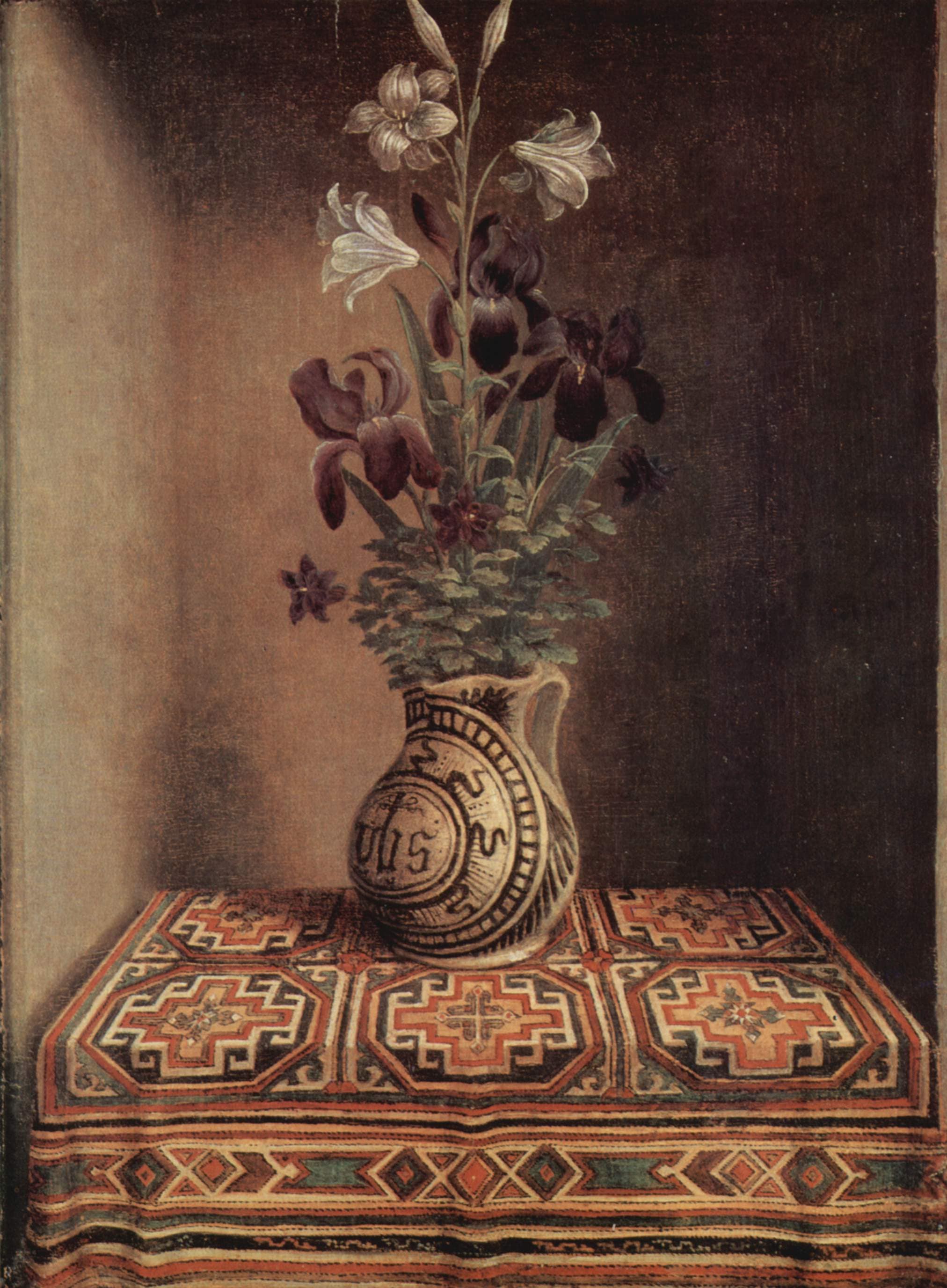
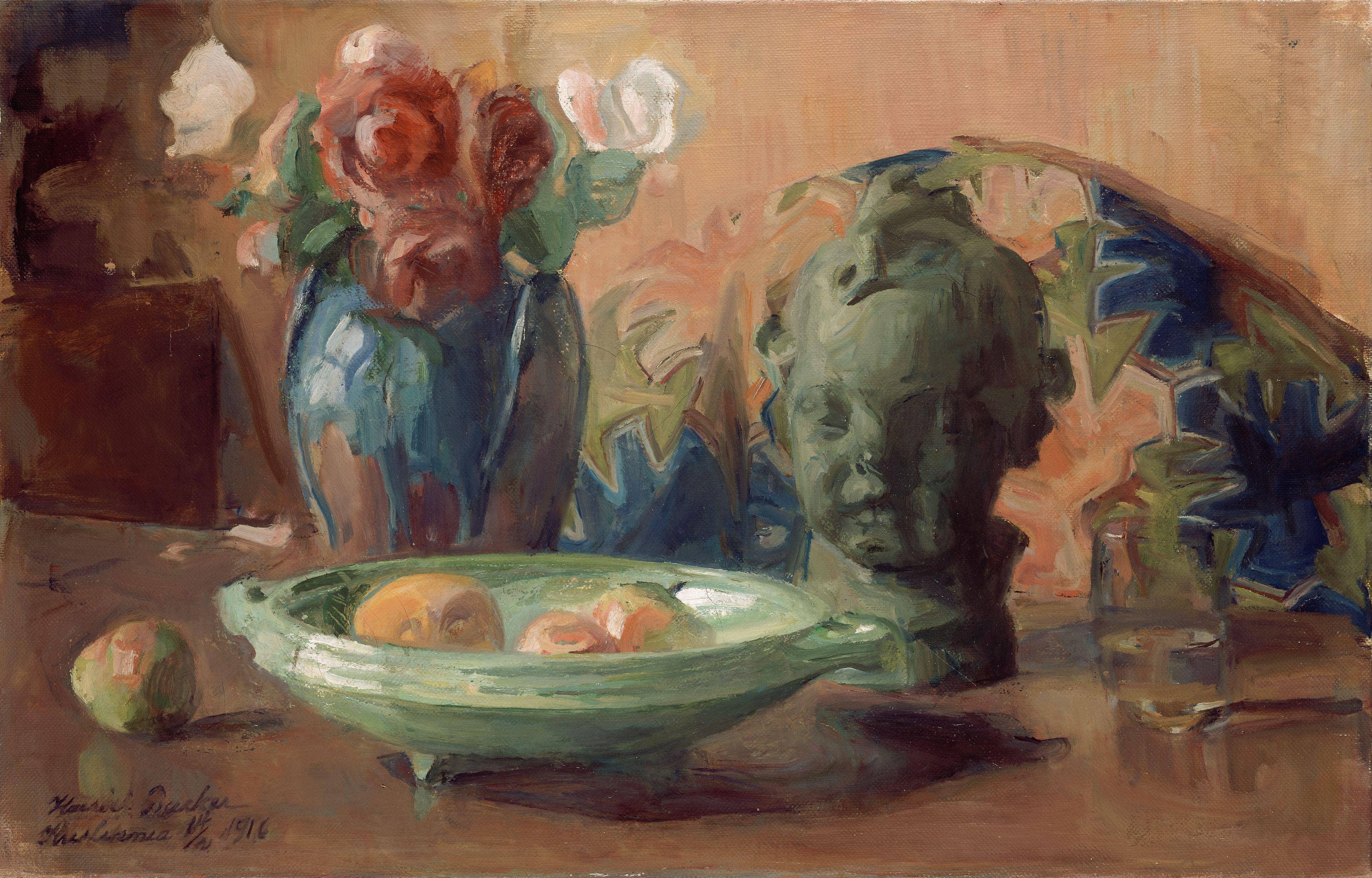
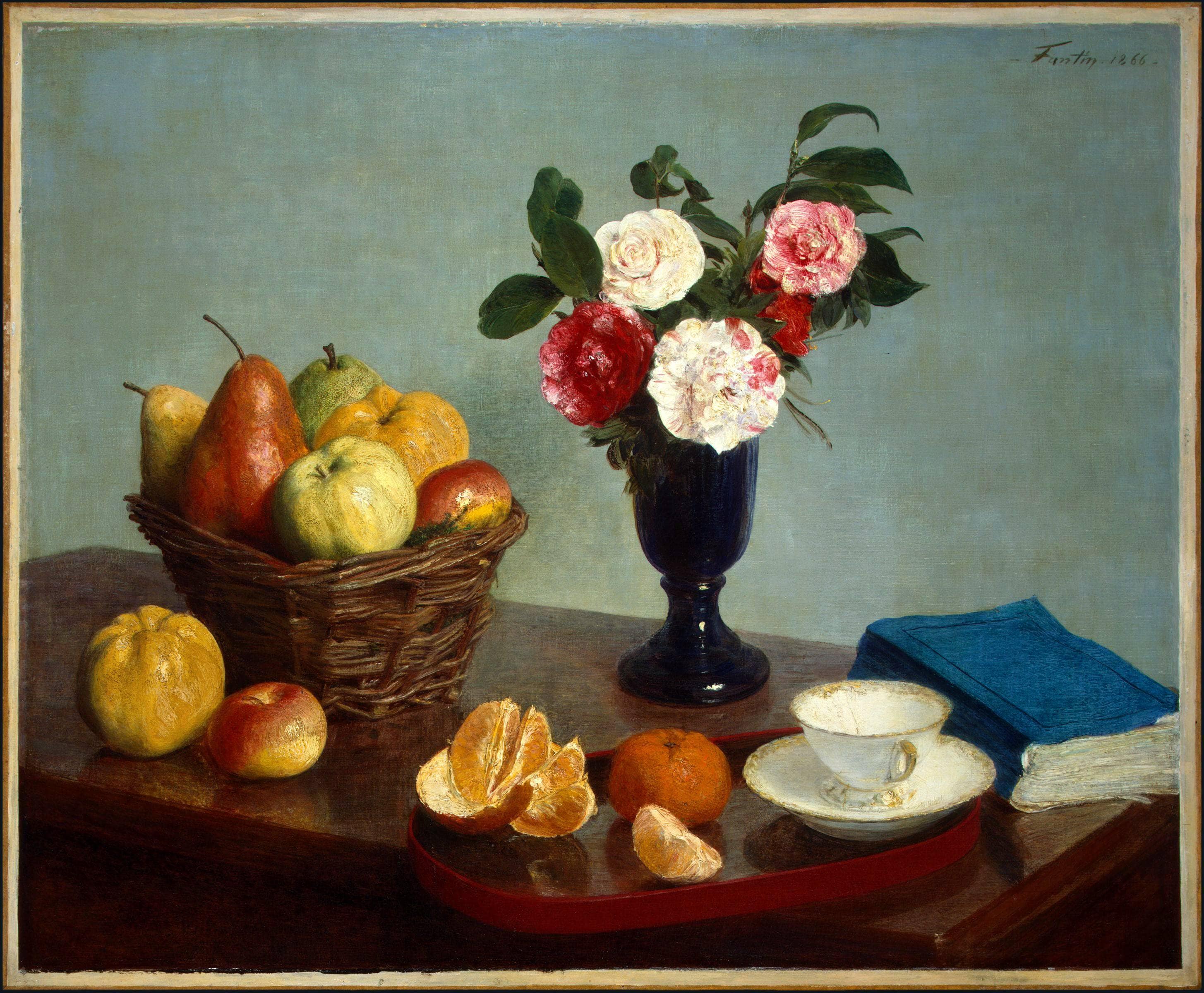
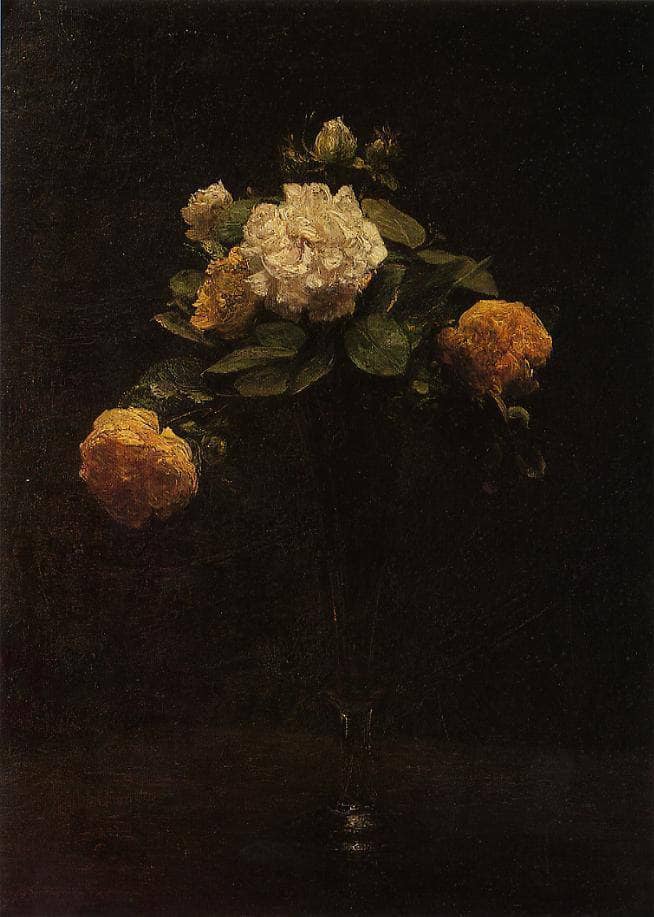
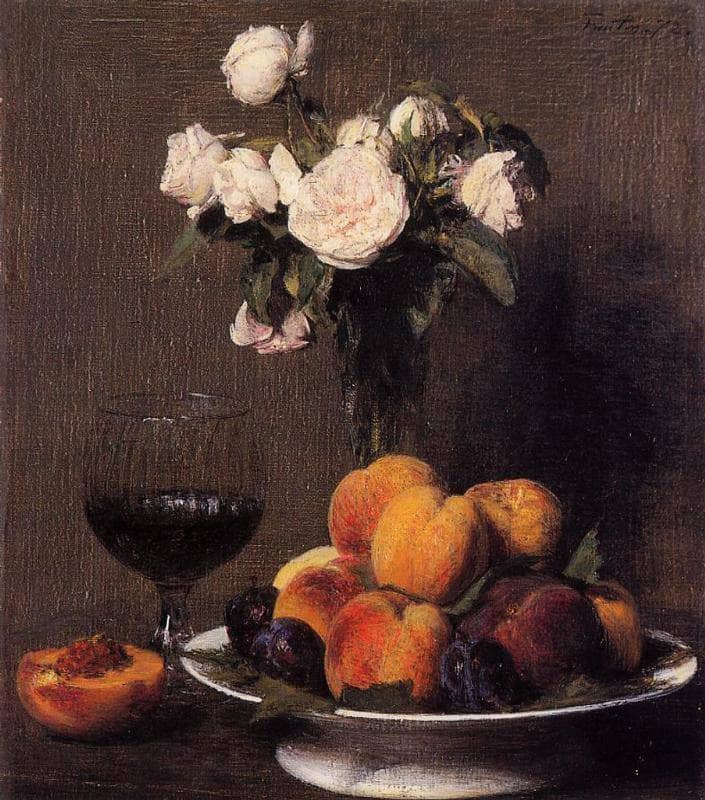
In "Still Life with Roses, Fruit and a Glass of Wine," Henri Fantin-Latour masterfully captures the beauty of delicate roses. The vibrant hues of pink and white symbolize love and purity, inviting viewers to appreciate their elegance. Each petal is painted with meticulous detail, showcasing Fantin-Latour's skill in portraying the natural world. The roses stand as a testament to the fleeting nature of beauty, a theme prevalent in many of his works.
Fruits of the Season: A Study in Naturalism and Texture
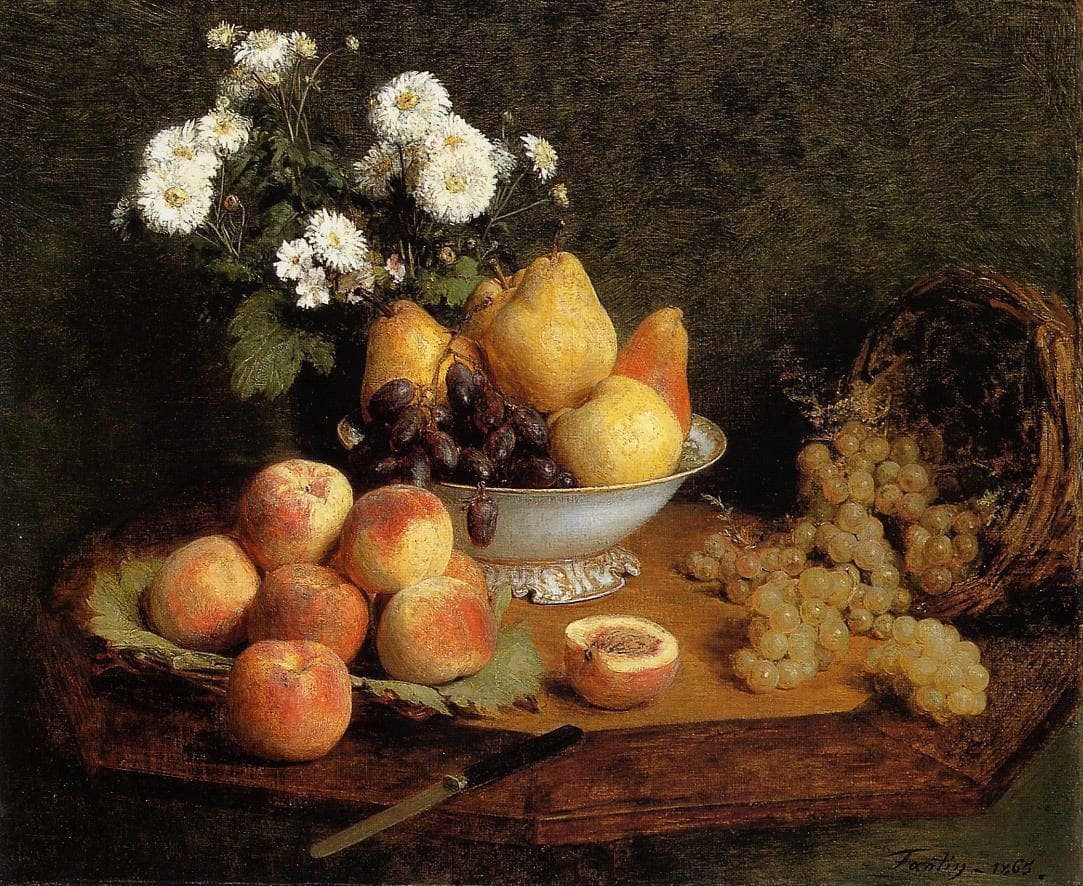
The assortment of fruits, including luscious grapes and ripe peaches, adds a rich texture to the composition. Fantin-Latour's attention to detail brings these fruits to life, making them appear almost tangible. The naturalism in his work reflects the bounty of nature, celebrating the harvest and the joy it brings. Each fruit is carefully arranged, creating a harmonious balance that draws the eye across the canvas.
The Glass of Wine: Reflections and Light Play
The glass of wine serves as a focal point, reflecting light in a way that enhances the overall composition. Fantin-Latour's use of chiaroscuro creates depth, making the glass appear almost three-dimensional. The interplay of light and shadow adds a layer of complexity, inviting viewers to ponder the moment captured in time. This element of the painting symbolizes indulgence and the pleasures of life.
Henri Fantin-Latour: A Journey Through the Life of a Master Painter
Artistic Influences: The Impact of the French Romantic Movement
Henri Fantin-Latour was deeply influenced by the French Romantic movement, which emphasized emotion and individualism. His works often reflect a romanticized view of nature and everyday life. This influence is evident in "Still Life with Roses, Fruit and a Glass of Wine," where he elevates simple objects to a level of artistic reverence.
Fantin-Latour's Signature Style: Merging Realism with Impressionism
Fantin-Latour's unique style blends realism with impressionistic techniques. He captures the essence of his subjects while infusing them with a sense of movement and light. This approach allows viewers to experience the vibrancy of the scene, making it feel alive. His ability to merge these styles sets him apart from his contemporaries.
Historical Context: The Era of Still Life Paintings in 19th Century France
Artistic Trends: The Rise of Still Life as a Genre
In the 19th century, still life painting gained popularity as artists sought to explore everyday objects. This genre allowed for experimentation with color, composition, and texture. Fantin-Latour emerged as a leading figure in this movement, bringing a fresh perspective to traditional still life themes.
Patrons and Collectors: Who Appreciated Fantin-Latour's Work?
Fantin-Latour's work attracted the attention of prominent collectors and patrons, including the famous art dealer Paul Durand-Ruel. His paintings were celebrated for their beauty and technical skill, making them highly sought after. This recognition helped solidify his place in art history.
Symbolism and Themes: What Lies Beneath the Surface?
Nature's Bounty: The Celebration of Life and Abundance
The arrangement of flowers and fruits in the painting symbolizes nature's bounty. Fantin-Latour celebrates the abundance of life, inviting viewers to reflect on the beauty that surrounds them. This theme resonates with the viewer, evoking feelings of gratitude and appreciation for the simple pleasures in life.
Transience and Beauty: The Ephemeral Nature of Still Life
Still life paintings often convey a sense of transience. Fantin-Latour captures this idea by showcasing flowers and fruits that will eventually fade. This juxtaposition of beauty and impermanence encourages viewers to cherish the moment, reminding us that all things are temporary.
Technical Mastery: Brushwork and Techniques in Oil Painting
Layering and Glazing: Creating Depth and Dimension
Fantin-Latour employed layering and glazing techniques to achieve depth in his paintings. By applying multiple layers of paint, he created a rich texture that draws the viewer in. This method enhances the visual experience, making the objects appear more lifelike.
Capturing Light: The Art of Chiaroscuro in Still Life
The use of chiaroscuro is evident in "Still Life with Roses, Fruit and a Glass of Wine." Fantin-Latour skillfully captures the play of light and shadow, adding drama to the composition. This technique not only highlights the objects but also creates a sense of atmosphere, inviting viewers to immerse themselves in the scene.
Comparative Analysis: Fantin-Latour's Still Life vs. Other Masters
Contrasting Styles: Comparing with Dutch Masters of Still Life
When comparing Fantin-Latour's work to that of Dutch masters like Jan Davidsz de Heem, one can see distinct differences. While Dutch still lifes often focus on symbolism and moral lessons, Fantin-Latour emphasizes beauty and the joy of nature. His approach is more emotive, inviting personal reflection.
Influence on Contemporary Artists: A Lasting Legacy
Fantin-Latour's influence extends to contemporary artists who continue to explore still life themes. His ability to blend realism with emotional depth has inspired many. Artists today draw from his techniques and themes, ensuring that his legacy endures in the art world.
Experiencing the Painting: A Personal Reflection
Emotional Resonance: What the Painting Evokes in Viewers
Imagining the Setting: Where Would You Display This Artwork?
This exquisite painting would enhance any room, from a cozy dining area to a sophisticated living room. Its vibrant colors and rich textures make it a focal point, sparking conversation and admiration. Displaying this artwork in a well-lit space allows its beauty to shine, creating an inviting atmosphere.
FAQs About Still Life with Roses, Fruit and a Glass of Wine
What is the significance of the roses in the painting?
The roses symbolize love and beauty, representing the fleeting nature of life.
How does Fantin-Latour's style differ from other still life artists?
Fantin-Latour blends realism with impressionistic techniques, focusing on emotional resonance rather than just symbolism.
What techniques did Fantin-Latour use to create depth in this painting?
He used layering and glazing techniques to achieve a rich texture and depth, enhancing the lifelike quality of the objects.
What historical events influenced the creation of this artwork?
The rise of still life as a popular genre in 19th century France, along with the influence of the Romantic movement, shaped Fantin-Latour's work.
How does this painting reflect the themes of abundance and beauty?
The arrangement of flowers and fruits celebrates nature's bounty, inviting viewers to appreciate life's simple pleasures.
What are the key features to look for in a reproduction of this painting?
Look for vibrant colors, detailed brushwork, and a faithful representation of the original composition to ensure quality.
How can I ensure the quality of a painting reproduction?
Choose a reputable art reproduction company that specializes in oil painting reproductions, ensuring they use high-quality materials and techniques.
Original: $249.95
-70%$249.95
$74.98Product Information
Product Information
Shipping & Returns
Shipping & Returns
Description
Exploring the Artistic Essence of Henri Fantin-Latour's Still Life with Roses, Fruit and a Glass of Wine
Unveiling the Visual Symphony: Composition and Color Palette
Delicate Roses: Symbolism and Color Significance
In "Still Life with Roses, Fruit and a Glass of Wine," Henri Fantin-Latour masterfully captures the beauty of delicate roses. The vibrant hues of pink and white symbolize love and purity, inviting viewers to appreciate their elegance. Each petal is painted with meticulous detail, showcasing Fantin-Latour's skill in portraying the natural world. The roses stand as a testament to the fleeting nature of beauty, a theme prevalent in many of his works.
Fruits of the Season: A Study in Naturalism and Texture
The assortment of fruits, including luscious grapes and ripe peaches, adds a rich texture to the composition. Fantin-Latour's attention to detail brings these fruits to life, making them appear almost tangible. The naturalism in his work reflects the bounty of nature, celebrating the harvest and the joy it brings. Each fruit is carefully arranged, creating a harmonious balance that draws the eye across the canvas.
The Glass of Wine: Reflections and Light Play
The glass of wine serves as a focal point, reflecting light in a way that enhances the overall composition. Fantin-Latour's use of chiaroscuro creates depth, making the glass appear almost three-dimensional. The interplay of light and shadow adds a layer of complexity, inviting viewers to ponder the moment captured in time. This element of the painting symbolizes indulgence and the pleasures of life.
Henri Fantin-Latour: A Journey Through the Life of a Master Painter
Artistic Influences: The Impact of the French Romantic Movement
Henri Fantin-Latour was deeply influenced by the French Romantic movement, which emphasized emotion and individualism. His works often reflect a romanticized view of nature and everyday life. This influence is evident in "Still Life with Roses, Fruit and a Glass of Wine," where he elevates simple objects to a level of artistic reverence.
Fantin-Latour's Signature Style: Merging Realism with Impressionism
Fantin-Latour's unique style blends realism with impressionistic techniques. He captures the essence of his subjects while infusing them with a sense of movement and light. This approach allows viewers to experience the vibrancy of the scene, making it feel alive. His ability to merge these styles sets him apart from his contemporaries.
Historical Context: The Era of Still Life Paintings in 19th Century France
Artistic Trends: The Rise of Still Life as a Genre
In the 19th century, still life painting gained popularity as artists sought to explore everyday objects. This genre allowed for experimentation with color, composition, and texture. Fantin-Latour emerged as a leading figure in this movement, bringing a fresh perspective to traditional still life themes.
Patrons and Collectors: Who Appreciated Fantin-Latour's Work?
Fantin-Latour's work attracted the attention of prominent collectors and patrons, including the famous art dealer Paul Durand-Ruel. His paintings were celebrated for their beauty and technical skill, making them highly sought after. This recognition helped solidify his place in art history.
Symbolism and Themes: What Lies Beneath the Surface?
Nature's Bounty: The Celebration of Life and Abundance
The arrangement of flowers and fruits in the painting symbolizes nature's bounty. Fantin-Latour celebrates the abundance of life, inviting viewers to reflect on the beauty that surrounds them. This theme resonates with the viewer, evoking feelings of gratitude and appreciation for the simple pleasures in life.
Transience and Beauty: The Ephemeral Nature of Still Life
Still life paintings often convey a sense of transience. Fantin-Latour captures this idea by showcasing flowers and fruits that will eventually fade. This juxtaposition of beauty and impermanence encourages viewers to cherish the moment, reminding us that all things are temporary.
Technical Mastery: Brushwork and Techniques in Oil Painting
Layering and Glazing: Creating Depth and Dimension
Fantin-Latour employed layering and glazing techniques to achieve depth in his paintings. By applying multiple layers of paint, he created a rich texture that draws the viewer in. This method enhances the visual experience, making the objects appear more lifelike.
Capturing Light: The Art of Chiaroscuro in Still Life
The use of chiaroscuro is evident in "Still Life with Roses, Fruit and a Glass of Wine." Fantin-Latour skillfully captures the play of light and shadow, adding drama to the composition. This technique not only highlights the objects but also creates a sense of atmosphere, inviting viewers to immerse themselves in the scene.
Comparative Analysis: Fantin-Latour's Still Life vs. Other Masters
Contrasting Styles: Comparing with Dutch Masters of Still Life
When comparing Fantin-Latour's work to that of Dutch masters like Jan Davidsz de Heem, one can see distinct differences. While Dutch still lifes often focus on symbolism and moral lessons, Fantin-Latour emphasizes beauty and the joy of nature. His approach is more emotive, inviting personal reflection.
Influence on Contemporary Artists: A Lasting Legacy
Fantin-Latour's influence extends to contemporary artists who continue to explore still life themes. His ability to blend realism with emotional depth has inspired many. Artists today draw from his techniques and themes, ensuring that his legacy endures in the art world.
Experiencing the Painting: A Personal Reflection
Emotional Resonance: What the Painting Evokes in Viewers
Imagining the Setting: Where Would You Display This Artwork?
This exquisite painting would enhance any room, from a cozy dining area to a sophisticated living room. Its vibrant colors and rich textures make it a focal point, sparking conversation and admiration. Displaying this artwork in a well-lit space allows its beauty to shine, creating an inviting atmosphere.
FAQs About Still Life with Roses, Fruit and a Glass of Wine
What is the significance of the roses in the painting?
The roses symbolize love and beauty, representing the fleeting nature of life.
How does Fantin-Latour's style differ from other still life artists?
Fantin-Latour blends realism with impressionistic techniques, focusing on emotional resonance rather than just symbolism.
What techniques did Fantin-Latour use to create depth in this painting?
He used layering and glazing techniques to achieve a rich texture and depth, enhancing the lifelike quality of the objects.
What historical events influenced the creation of this artwork?
The rise of still life as a popular genre in 19th century France, along with the influence of the Romantic movement, shaped Fantin-Latour's work.
How does this painting reflect the themes of abundance and beauty?
The arrangement of flowers and fruits celebrates nature's bounty, inviting viewers to appreciate life's simple pleasures.
What are the key features to look for in a reproduction of this painting?
Look for vibrant colors, detailed brushwork, and a faithful representation of the original composition to ensure quality.
How can I ensure the quality of a painting reproduction?
Choose a reputable art reproduction company that specializes in oil painting reproductions, ensuring they use high-quality materials and techniques.