🚚 Free Worldwide Shipping on All Orders!Shop Now

Flowers and Fruit on a Table
Exploring the Vibrant Palette of Flowers and Fruit on a Table by Henri Fantin-Latour
Artistic Techniques: The Mastery of Oil Painting
Brushwork and Texture: Capturing Realism
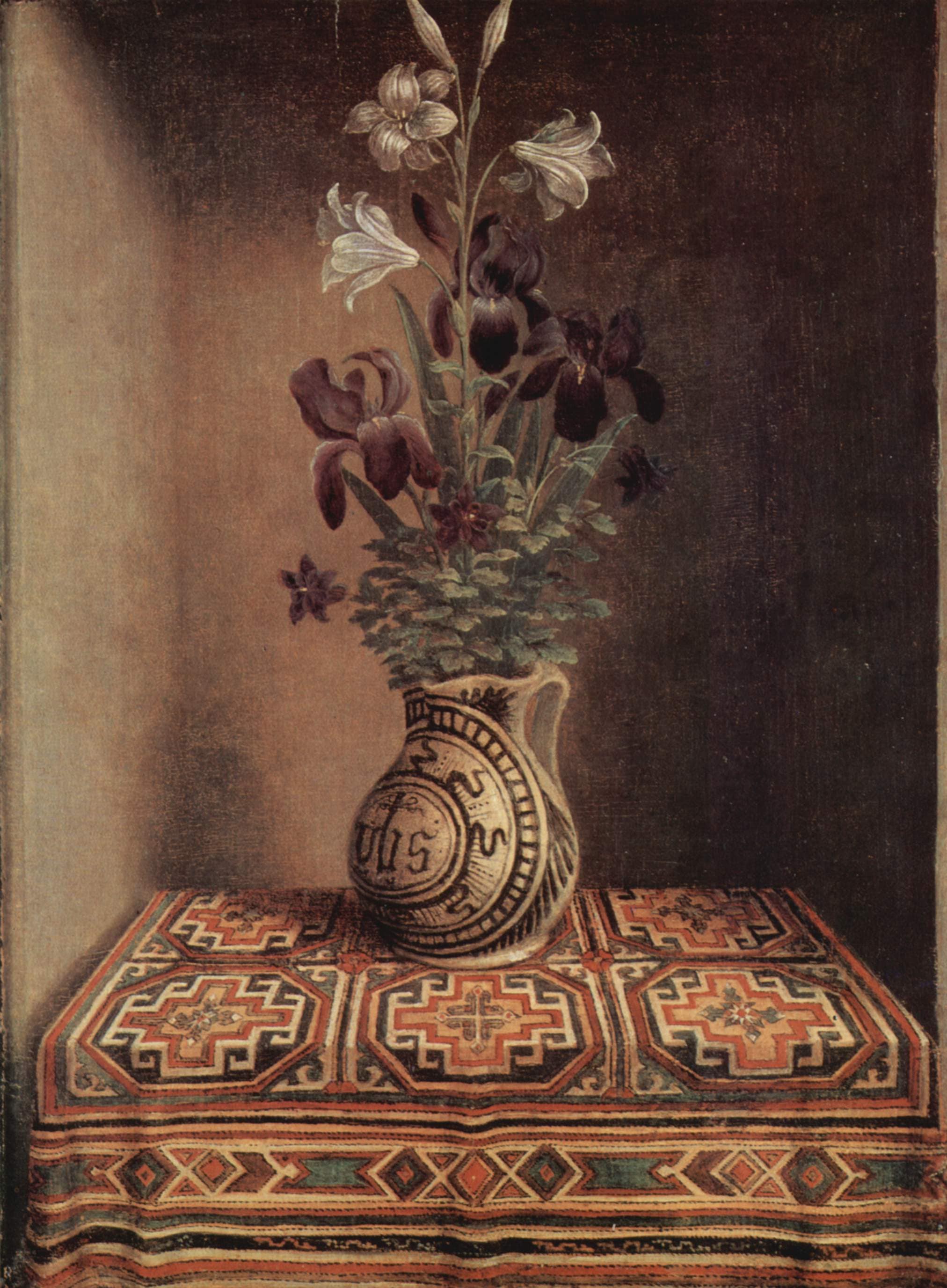
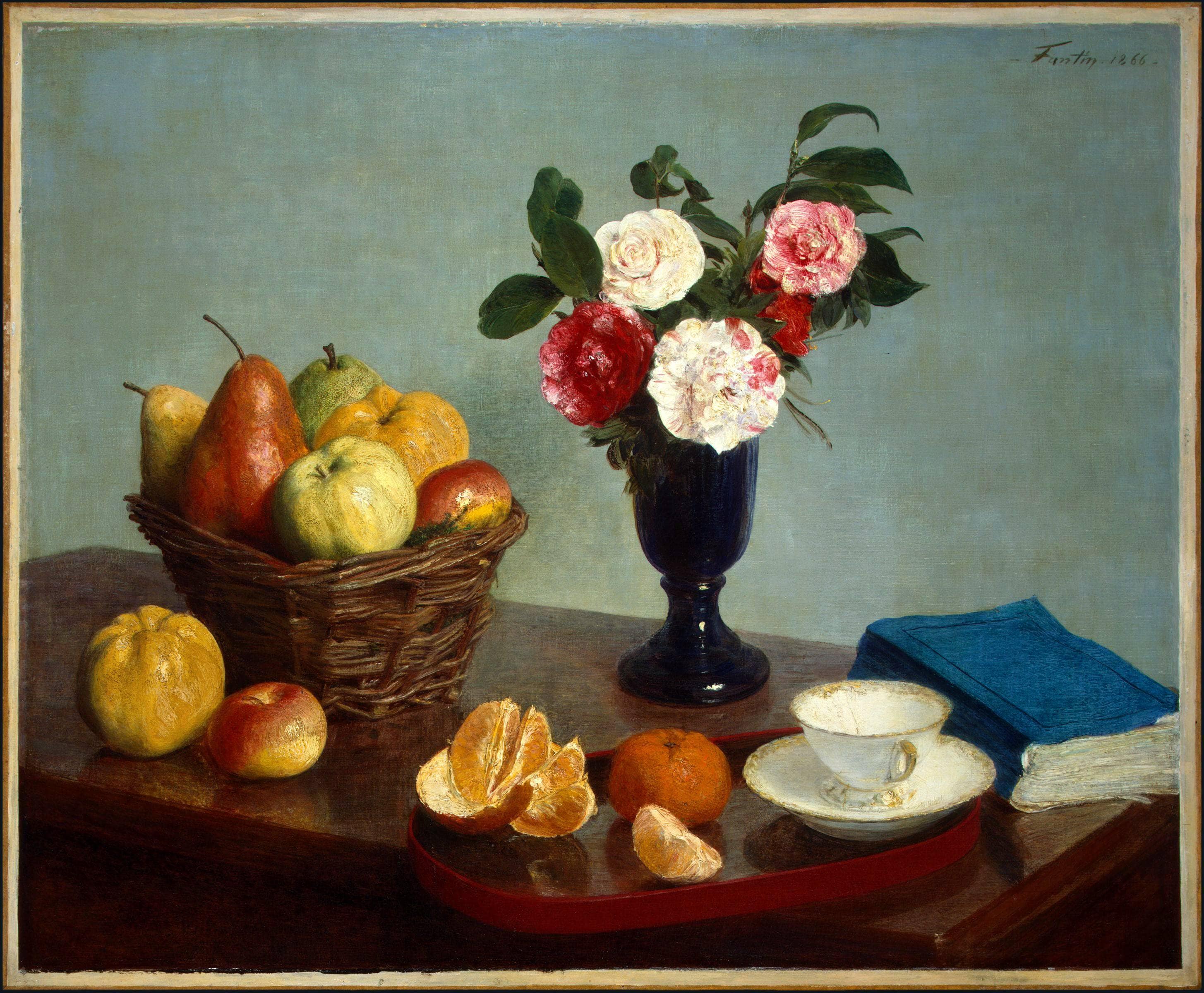
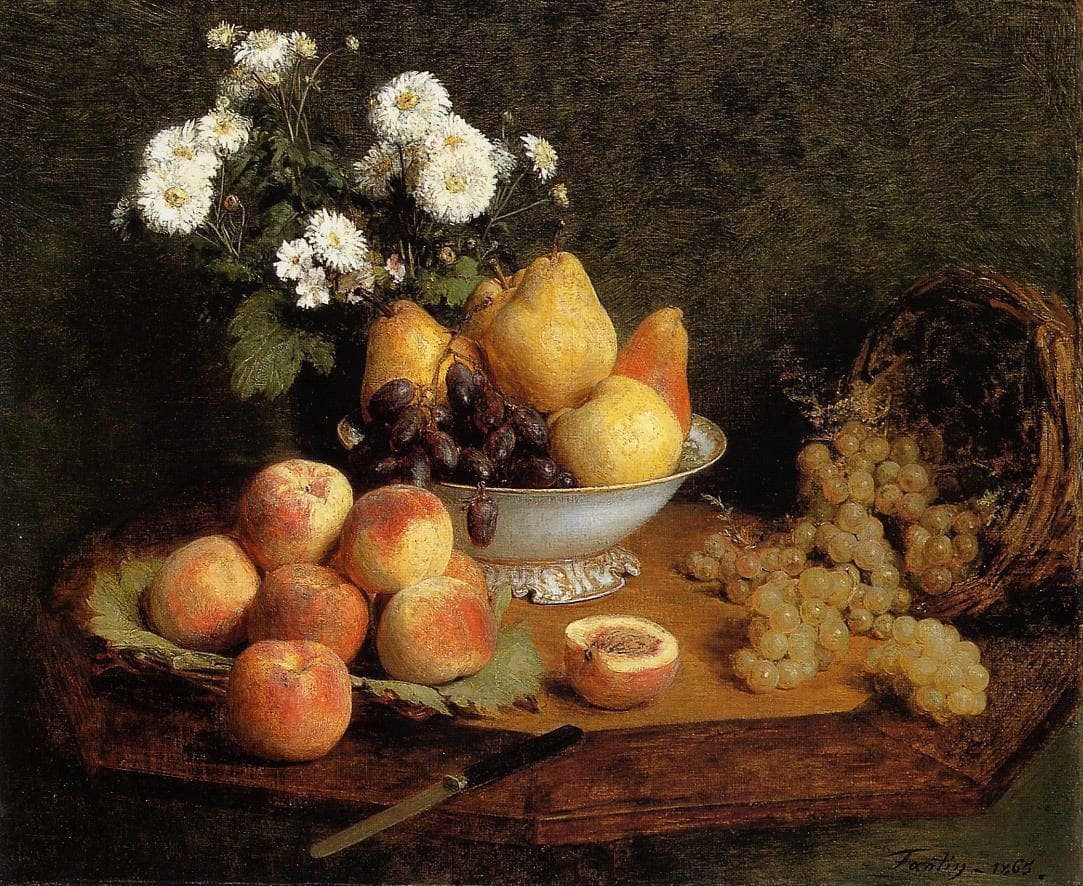
Henri Fantin-Latour's "Flowers and Fruit on a Table" showcases his exceptional oil painting techniques. His meticulous brushwork creates a lifelike texture that draws viewers into the scene. Each stroke contributes to the realism of the flowers and fruit, making them appear almost tangible. Fantin-Latour's ability to blend colors seamlessly enhances the three-dimensional quality of the composition.Color Theory: The Harmony of Floral Hues
The vibrant colors in this painting reflect Fantin-Latour's deep understanding of color theory. He skillfully combines warm and cool tones to create a harmonious palette. The rich reds of the roses contrast beautifully with the soft yellows of the fruit, evoking a sense of balance and tranquility. This thoughtful use of color not only captivates the eye but also conveys the beauty of nature.Symbolism in Still Life: Meaning Behind the Arrangement
Floral Significance: What Each Flower Represents
In "Flowers and Fruit on a Table," each flower carries its own symbolism. The roses symbolize love and passion, while the delicate lilies represent purity and renewal. Fantin-Latour's choice of flowers invites viewers to explore deeper meanings, reflecting the complexities of human emotions and relationships. This thoughtful arrangement encourages personal interpretation and connection.Fruit as Metaphor: The Deeper Meaning of Nature's Bounty
The fruit in the painting serves as a metaphor for abundance and the cycles of life. The ripe peaches and luscious grapes symbolize fertility and the rewards of nature. Fantin-Latour's inclusion of these elements highlights the beauty of the natural world and its transient nature. This duality invites viewers to reflect on the passage of time and the richness of life.Henri Fantin-Latour: A Glimpse into the Artist's Life
Influences and Inspirations: The Artistic Journey
Henri Fantin-Latour was influenced by the Romantic and Realist movements, which shaped his artistic vision. He drew inspiration from nature, literature, and the works of his contemporaries. His friendships with notable artists like Édouard Manet and Claude Monet enriched his creative process. Fantin-Latour's dedication to capturing the essence of beauty is evident in every brushstroke.Connection to the Impressionist Movement: A Unique Perspective
While Fantin-Latour is often associated with the Impressionist movement, his style remains distinct. He focused on still life and floral compositions, emphasizing detail and texture. His work complements the Impressionists by capturing light and color, yet he maintains a classical approach. This unique perspective allows his art to stand out in the rich tapestry of 19th-century French art.Historical Context: The Era of 19th Century France
Artistic Trends: The Rise of Still Life in French Art
The 19th century marked a significant shift in French art, with still life gaining prominence. Artists like Fantin-Latour elevated this genre, showcasing the beauty of everyday objects. This painting reflects the growing appreciation for nature and domestic life during this period. The meticulous attention to detail in still life compositions became a hallmark of the era.Societal Reflections: What the Painting Says About Its Time
"Flowers and Fruit on a Table" also serves as a reflection of 19th-century French society. The abundance of flowers and fruit symbolizes prosperity and the flourishing middle class. This artwork captures the essence of a time when people began to appreciate the beauty in their surroundings. Fantin-Latour's work invites viewers to consider the cultural shifts occurring during this transformative period.Visual Analysis: A Closer Look at Composition
Arrangement and Balance: The Art of Still Life Composition
Fantin-Latour's composition in "Flowers and Fruit on a Table" demonstrates a masterful balance of elements. The careful arrangement of flowers and fruit creates a sense of harmony. The placement of objects draws the viewer's eye across the canvas, inviting exploration. This thoughtful composition enhances the overall aesthetic appeal of the painting.Light and Shadow: Creating Depth and Dimension
The interplay of light and shadow in this painting adds depth and dimension. Fantin-Latour skillfully uses chiaroscuro to create a three-dimensional effect. The soft light illuminates the flowers and fruit, highlighting their textures and colors. This technique enhances the realism of the scene, making it feel alive and inviting.Emotional Resonance: The Feelings Evoked by the Painting
Serenity and Abundance: The Mood of the Artwork
"Flowers and Fruit on a Table" evokes a sense of serenity and abundance. The vibrant colors and lush arrangements create a peaceful atmosphere. Viewers often feel a connection to nature and a sense of gratitude for life's simple pleasures. This emotional resonance makes the painting a timeless piece that continues to inspire.Personal Reflections: Viewer Interpretations and Experiences
Each viewer brings their own experiences and interpretations to the painting. Some may see it as a celebration of nature's beauty, while others may reflect on personal memories associated with flowers and fruit. This diversity of interpretation adds to the richness of the artwork, allowing it to resonate with a wide audience.Preserving Art: The Importance of Art Reproductions
Why Reproductions Matter: Accessibility to Masterpieces
Art reproductions play a vital role in making masterpieces like "Flowers and Fruit on a Table" accessible to everyone. Unlike prints, painting reproductions capture the texture and depth of the original artwork. They allow art lovers to experience the beauty of Fantin-Latour's work in their own homes. This accessibility fosters a greater appreciation for art and culture.Quality and Craftsmanship: What to Look for in Reproductions
When purchasing a reproduction, quality and craftsmanship are essential. Look for reproductions that use high-quality materials and techniques. A well-crafted reproduction will reflect the original's colors and textures, providing a more authentic experience. Investing in a painting reproduction ensures that you bring home a piece of art that honors the original masterpiece.FAQs About Flowers and Fruit on a Table
What is the significance of the flowers in the painting?
The flowers symbolize various emotions and themes, such as love, purity, and renewal, inviting viewers to explore their meanings.How does Henri Fantin-Latour's style differ from other artists of his time?
Fantin-Latour's focus on still life and floral compositions sets him apart, as he emphasizes detail and texture while maintaining a classical approach.What techniques did Fantin-Latour use to create depth in this painting?
He employed chiaroscuro to create depth, using light and shadow to enhance the three-dimensional quality of the flowers and fruit.What emotions does the painting evoke in viewers?
The painting evokes feelings of serenity and abundance, connecting viewers to nature and life's simple pleasures.How does this painting reflect the culture of 19th century France?
It reflects the growing appreciation for nature and domestic life, symbolizing prosperity and the flourishing middle class during that era.FAQs About Painting Reproductions
What should I consider when purchasing a reproduction of this painting?
Consider the quality of materials, craftsmanship, and how well the reproduction captures the original's colors and textures.How can I ensure the quality of a painting reproduction?
Look for reputable sellers who specialize in high-quality reproductions, ensuring they use techniques that reflect the original artwork accurately.Select Size
From $89.98
Original: $299.95
-70%Flowers and Fruit on a Table—
$299.95
$89.98Product Information
Product Information
Shipping & Returns
Shipping & Returns