Autumn
Discover the Enigmatic Beauty of Autumn by Giuseppe Arcimboldo
Unveiling the Masterpiece: A Closer Look at Arcimboldo's Autumn
The Unique Concept of Personification in Art
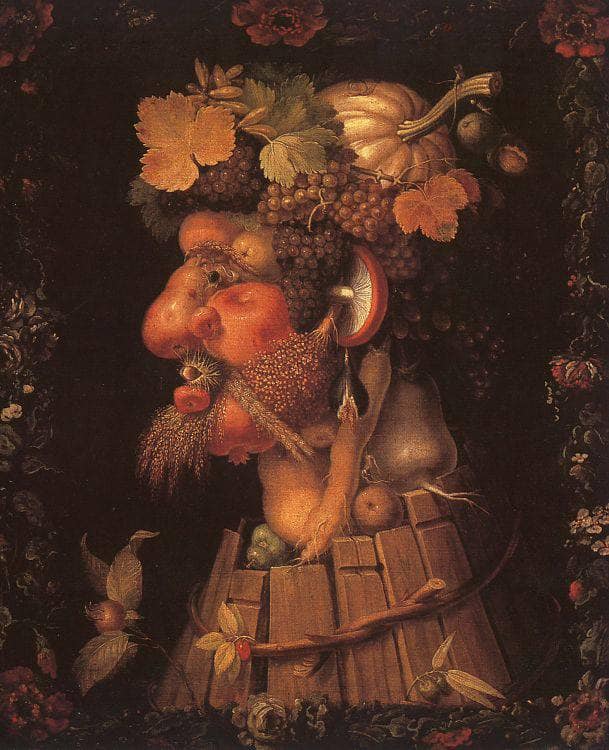
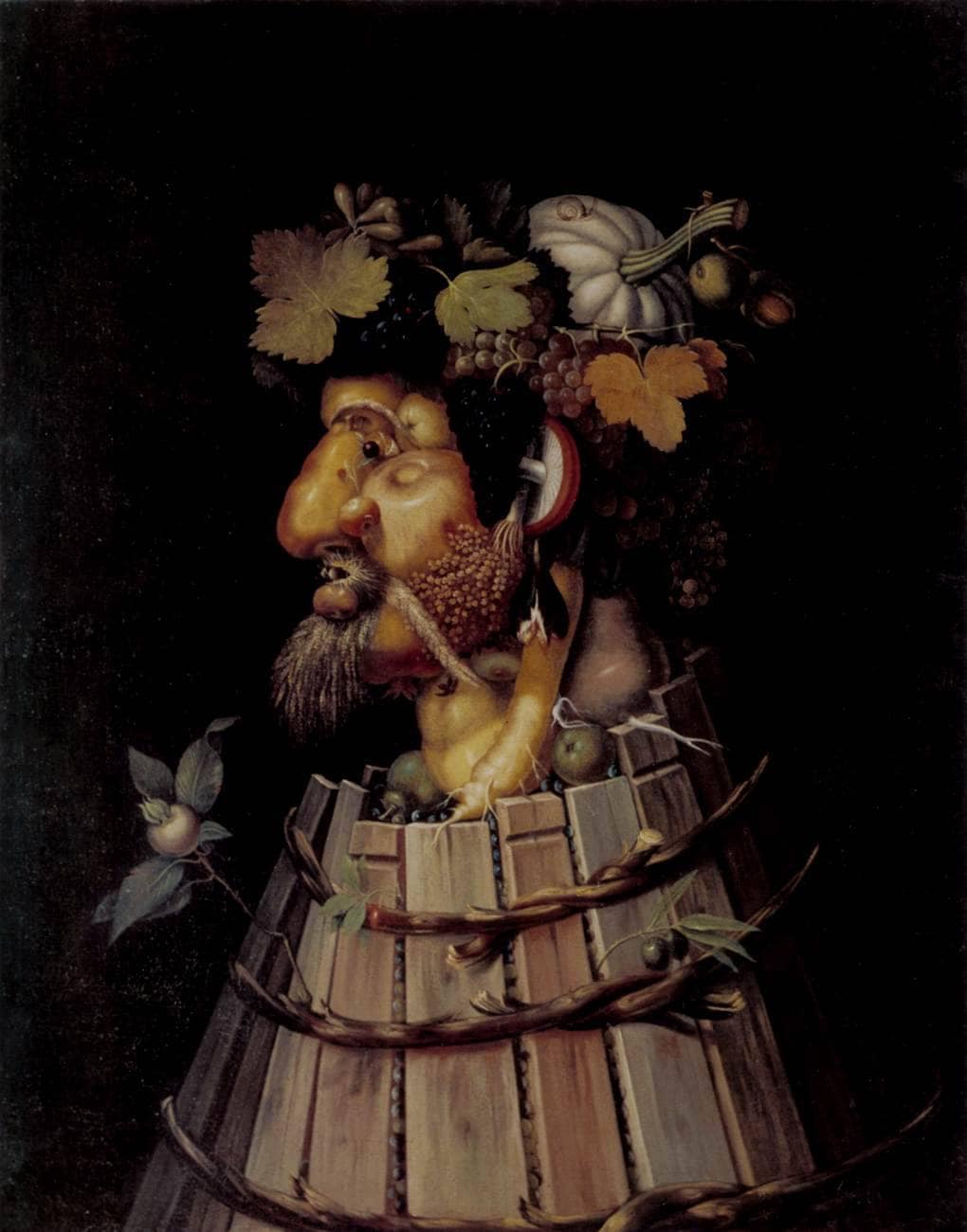
Giuseppe Arcimboldo's "Autumn" is a stunning example of personification in art. This oil painting transforms the essence of the harvest season into a human figure, showcasing the artist's innovative approach. By using fruits, vegetables, and foliage, Arcimboldo creates a face that embodies the spirit of autumn, inviting viewers to explore the relationship between nature and humanity.
Symbolism of the Harvest Season in Autumn
The painting symbolizes abundance and the cyclical nature of life. The rich colors of ripe fruits and earthy vegetables reflect the bountiful harvest. Each element in "Autumn" serves as a reminder of the season's significance in agriculture and sustenance, highlighting the connection between the earth and human existence.
Giuseppe Arcimboldo: The Visionary Behind the Canvas
A Brief Biography of the Renaissance Artist
Giuseppe Arcimboldo, born in 1527 in Milan, was a pioneering artist of the Italian Renaissance. He gained fame for his imaginative portraits that combined natural elements into human forms. His unique style captivated the courts of Europe, particularly the Habsburgs, where he served as a court painter. Arcimboldo's work reflects a deep appreciation for nature and the complexities of human identity.
Arcimboldo's Influence on Surrealism and Modern Art
Arcimboldo's innovative techniques and whimsical compositions laid the groundwork for surrealism. Artists like Salvador Dal√≠ and René Magritte drew inspiration from his ability to blend reality with fantasy. His work challenges viewers to see beyond the surface, encouraging a deeper exploration of visual perception and meaning.
Artistic Techniques and Styles in Autumn
Innovative Use of Color and Texture
In "Autumn," Arcimboldo employs a vibrant palette that captures the essence of the season. The warm hues of oranges, yellows, and browns create a rich tapestry of color. His meticulous attention to detail enhances the texture of each fruit and vegetable, making them almost tangible. This technique invites viewers to appreciate the beauty of nature through the lens of art.
Composition and Balance: The Arrangement of Natural Elements
The composition of "Autumn" is masterfully balanced. Arcimboldo arranges the elements to form a harmonious face, where each fruit and vegetable plays a crucial role. The careful placement of grapes, pumpkins, and leaves creates a sense of unity, drawing the viewer's eye across the canvas. This balance reflects the interconnectedness of life and nature.
The Cultural Context of Autumn: Renaissance Ideals and Nature
How Autumn Reflects the Values of the 16th Century
"Autumn" embodies the Renaissance ideals of harmony, beauty, and the celebration of nature. During the 16th century, artists sought to explore the relationship between humanity and the natural world. Arcimboldo's work reflects this cultural shift, emphasizing the importance of nature in art and society.
The Role of Nature in Renaissance Art and Society
Nature played a vital role in Renaissance art, symbolizing both beauty and knowledge. Artists like Arcimboldo used natural elements to convey deeper meanings. "Autumn" serves as a testament to the era's fascination with the natural world, showcasing how art can reflect societal values and beliefs.
Exploring the Symbolic Elements in Autumn
Fruits, Vegetables, and Their Significance in the Painting
The fruits and vegetables in "Autumn" are rich in symbolism. Apples represent knowledge, while grapes signify abundance and joy. The inclusion of pumpkins and corn reflects the harvest's importance in sustaining life. Each element contributes to the overall narrative of the painting, celebrating the season's bounty.
The Hidden Meanings Behind the Facial Features
Arcimboldo's clever use of facial features adds another layer of meaning to "Autumn." The eyes, formed by two apples, suggest a watchful presence, while the nose, crafted from a pear, hints at the sweetness of the season. This playful approach encourages viewers to engage with the artwork on a deeper level, uncovering the hidden messages within.
Comparative Analysis: Autumn and Other Seasonal Portraits
Contrasting Autumn with Spring, Summer, and Winter
When compared to Arcimboldo's other seasonal portraits, "Autumn" stands out for its warm, earthy tones. Spring is vibrant and fresh, filled with flowers, while Summer bursts with lush greenery and sun-kissed fruits. Winter, in contrast, presents a stark, cold palette. Each season reflects different aspects of nature, yet "Autumn" uniquely captures the transition and richness of the harvest.
Recurring Themes in Arcimboldo's Seasonal Series
Arcimboldo's seasonal series explores themes of transformation and the passage of time. Each portrait serves as a reminder of nature's cycles. "Autumn" emphasizes the beauty of decay and renewal, showcasing how life continues through the changing seasons. This interconnectedness is a hallmark of Arcimboldo's work.
Artistic Legacy: The Impact of Autumn on Future Generations
Influence on Contemporary Artists and Pop Culture
Arcimboldo's "Autumn" continues to inspire contemporary artists and pop culture. Its imaginative approach to portraiture resonates with modern audiences. Artists today draw on Arcimboldo's techniques to explore themes of identity and nature, proving that his legacy endures in the art world.
Autumn's Place in Art History: Recognition and Exhibitions
"Autumn" has earned its place in art history, celebrated in numerous exhibitions worldwide. Its unique blend of realism and fantasy captivates art lovers and scholars alike. The painting's recognition highlights Arcimboldo's innovative contributions to the art world, ensuring that his work remains relevant and appreciated.
Frequently Asked Questions About Autumn by Giuseppe Arcimboldo
What inspired Giuseppe Arcimboldo to create seasonal portraits?
Arcimboldo was inspired by the beauty of nature and the changing seasons. He sought to capture the essence of each season through imaginative portraits that reflect the natural world.
What are the main themes depicted in Autumn?
The main themes in "Autumn" include abundance, the cyclical nature of life, and the relationship between humanity and nature. The painting celebrates the harvest and the beauty of the season.
How does Autumn compare to Arcimboldo's other works?
"Autumn" is distinct for its warm colors and rich textures. Compared to other seasonal portraits, it emphasizes the transition from growth to decay, showcasing the beauty of the harvest.
What techniques did Arcimboldo use to create the illusion of a face?
Arcimboldo skillfully arranged fruits and vegetables to form facial features. His innovative use of color and texture creates a lifelike appearance, inviting viewers to explore the details.
What is the significance of the fruits and vegetables in the painting?
The fruits and vegetables symbolize abundance, knowledge, and the importance of the harvest. Each element contributes to the overall narrative of the painting, celebrating the richness of autumn.
How can I appreciate the details in Autumn more deeply?
To appreciate "Autumn" more deeply, take time to observe the textures and colors of each element. Consider the symbolism behind the fruits and vegetables, and reflect on how they relate to the themes of the painting.
What should I know about reproductions of Autumn?
Art reproductions of "Autumn" offer a superior alternative to prints. They capture the intricate details and vibrant colors of the original painting, allowing you to bring the beauty of Arcimboldo's work into your home. Investing in a high-quality reproduction ensures that you experience the artwork's full impact.
Original: $299.95
-70%$299.95
$89.98Product Information
Product Information
Shipping & Returns
Shipping & Returns
Description
Discover the Enigmatic Beauty of Autumn by Giuseppe Arcimboldo
Unveiling the Masterpiece: A Closer Look at Arcimboldo's Autumn
The Unique Concept of Personification in Art
Giuseppe Arcimboldo's "Autumn" is a stunning example of personification in art. This oil painting transforms the essence of the harvest season into a human figure, showcasing the artist's innovative approach. By using fruits, vegetables, and foliage, Arcimboldo creates a face that embodies the spirit of autumn, inviting viewers to explore the relationship between nature and humanity.
Symbolism of the Harvest Season in Autumn
The painting symbolizes abundance and the cyclical nature of life. The rich colors of ripe fruits and earthy vegetables reflect the bountiful harvest. Each element in "Autumn" serves as a reminder of the season's significance in agriculture and sustenance, highlighting the connection between the earth and human existence.
Giuseppe Arcimboldo: The Visionary Behind the Canvas
A Brief Biography of the Renaissance Artist
Giuseppe Arcimboldo, born in 1527 in Milan, was a pioneering artist of the Italian Renaissance. He gained fame for his imaginative portraits that combined natural elements into human forms. His unique style captivated the courts of Europe, particularly the Habsburgs, where he served as a court painter. Arcimboldo's work reflects a deep appreciation for nature and the complexities of human identity.
Arcimboldo's Influence on Surrealism and Modern Art
Arcimboldo's innovative techniques and whimsical compositions laid the groundwork for surrealism. Artists like Salvador Dal√≠ and René Magritte drew inspiration from his ability to blend reality with fantasy. His work challenges viewers to see beyond the surface, encouraging a deeper exploration of visual perception and meaning.
Artistic Techniques and Styles in Autumn
Innovative Use of Color and Texture
In "Autumn," Arcimboldo employs a vibrant palette that captures the essence of the season. The warm hues of oranges, yellows, and browns create a rich tapestry of color. His meticulous attention to detail enhances the texture of each fruit and vegetable, making them almost tangible. This technique invites viewers to appreciate the beauty of nature through the lens of art.
Composition and Balance: The Arrangement of Natural Elements
The composition of "Autumn" is masterfully balanced. Arcimboldo arranges the elements to form a harmonious face, where each fruit and vegetable plays a crucial role. The careful placement of grapes, pumpkins, and leaves creates a sense of unity, drawing the viewer's eye across the canvas. This balance reflects the interconnectedness of life and nature.
The Cultural Context of Autumn: Renaissance Ideals and Nature
How Autumn Reflects the Values of the 16th Century
"Autumn" embodies the Renaissance ideals of harmony, beauty, and the celebration of nature. During the 16th century, artists sought to explore the relationship between humanity and the natural world. Arcimboldo's work reflects this cultural shift, emphasizing the importance of nature in art and society.
The Role of Nature in Renaissance Art and Society
Nature played a vital role in Renaissance art, symbolizing both beauty and knowledge. Artists like Arcimboldo used natural elements to convey deeper meanings. "Autumn" serves as a testament to the era's fascination with the natural world, showcasing how art can reflect societal values and beliefs.
Exploring the Symbolic Elements in Autumn
Fruits, Vegetables, and Their Significance in the Painting
The fruits and vegetables in "Autumn" are rich in symbolism. Apples represent knowledge, while grapes signify abundance and joy. The inclusion of pumpkins and corn reflects the harvest's importance in sustaining life. Each element contributes to the overall narrative of the painting, celebrating the season's bounty.
The Hidden Meanings Behind the Facial Features
Arcimboldo's clever use of facial features adds another layer of meaning to "Autumn." The eyes, formed by two apples, suggest a watchful presence, while the nose, crafted from a pear, hints at the sweetness of the season. This playful approach encourages viewers to engage with the artwork on a deeper level, uncovering the hidden messages within.
Comparative Analysis: Autumn and Other Seasonal Portraits
Contrasting Autumn with Spring, Summer, and Winter
When compared to Arcimboldo's other seasonal portraits, "Autumn" stands out for its warm, earthy tones. Spring is vibrant and fresh, filled with flowers, while Summer bursts with lush greenery and sun-kissed fruits. Winter, in contrast, presents a stark, cold palette. Each season reflects different aspects of nature, yet "Autumn" uniquely captures the transition and richness of the harvest.
Recurring Themes in Arcimboldo's Seasonal Series
Arcimboldo's seasonal series explores themes of transformation and the passage of time. Each portrait serves as a reminder of nature's cycles. "Autumn" emphasizes the beauty of decay and renewal, showcasing how life continues through the changing seasons. This interconnectedness is a hallmark of Arcimboldo's work.
Artistic Legacy: The Impact of Autumn on Future Generations
Influence on Contemporary Artists and Pop Culture
Arcimboldo's "Autumn" continues to inspire contemporary artists and pop culture. Its imaginative approach to portraiture resonates with modern audiences. Artists today draw on Arcimboldo's techniques to explore themes of identity and nature, proving that his legacy endures in the art world.
Autumn's Place in Art History: Recognition and Exhibitions
"Autumn" has earned its place in art history, celebrated in numerous exhibitions worldwide. Its unique blend of realism and fantasy captivates art lovers and scholars alike. The painting's recognition highlights Arcimboldo's innovative contributions to the art world, ensuring that his work remains relevant and appreciated.
Frequently Asked Questions About Autumn by Giuseppe Arcimboldo
What inspired Giuseppe Arcimboldo to create seasonal portraits?
Arcimboldo was inspired by the beauty of nature and the changing seasons. He sought to capture the essence of each season through imaginative portraits that reflect the natural world.
What are the main themes depicted in Autumn?
The main themes in "Autumn" include abundance, the cyclical nature of life, and the relationship between humanity and nature. The painting celebrates the harvest and the beauty of the season.
How does Autumn compare to Arcimboldo's other works?
"Autumn" is distinct for its warm colors and rich textures. Compared to other seasonal portraits, it emphasizes the transition from growth to decay, showcasing the beauty of the harvest.
What techniques did Arcimboldo use to create the illusion of a face?
Arcimboldo skillfully arranged fruits and vegetables to form facial features. His innovative use of color and texture creates a lifelike appearance, inviting viewers to explore the details.
What is the significance of the fruits and vegetables in the painting?
The fruits and vegetables symbolize abundance, knowledge, and the importance of the harvest. Each element contributes to the overall narrative of the painting, celebrating the richness of autumn.
How can I appreciate the details in Autumn more deeply?
To appreciate "Autumn" more deeply, take time to observe the textures and colors of each element. Consider the symbolism behind the fruits and vegetables, and reflect on how they relate to the themes of the painting.
What should I know about reproductions of Autumn?
Art reproductions of "Autumn" offer a superior alternative to prints. They capture the intricate details and vibrant colors of the original painting, allowing you to bring the beauty of Arcimboldo's work into your home. Investing in a high-quality reproduction ensures that you experience the artwork's full impact.