Still Life
Discover the Artistic Essence of Still Life by Harriet Backer
Unveiling the Masterpiece: A Closer Look at Harriet Backer's Still Life
The Unique Composition and Color Palette
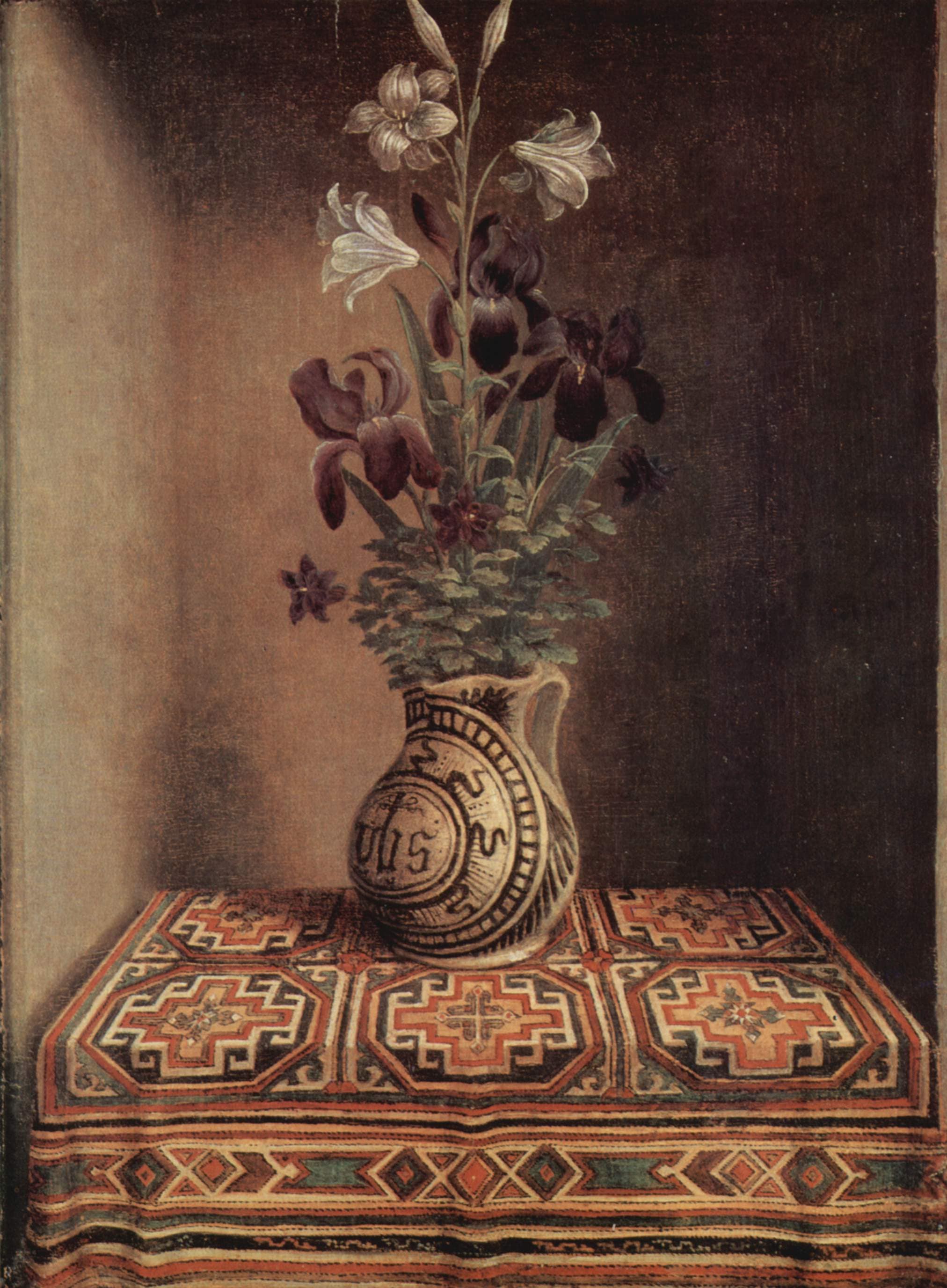
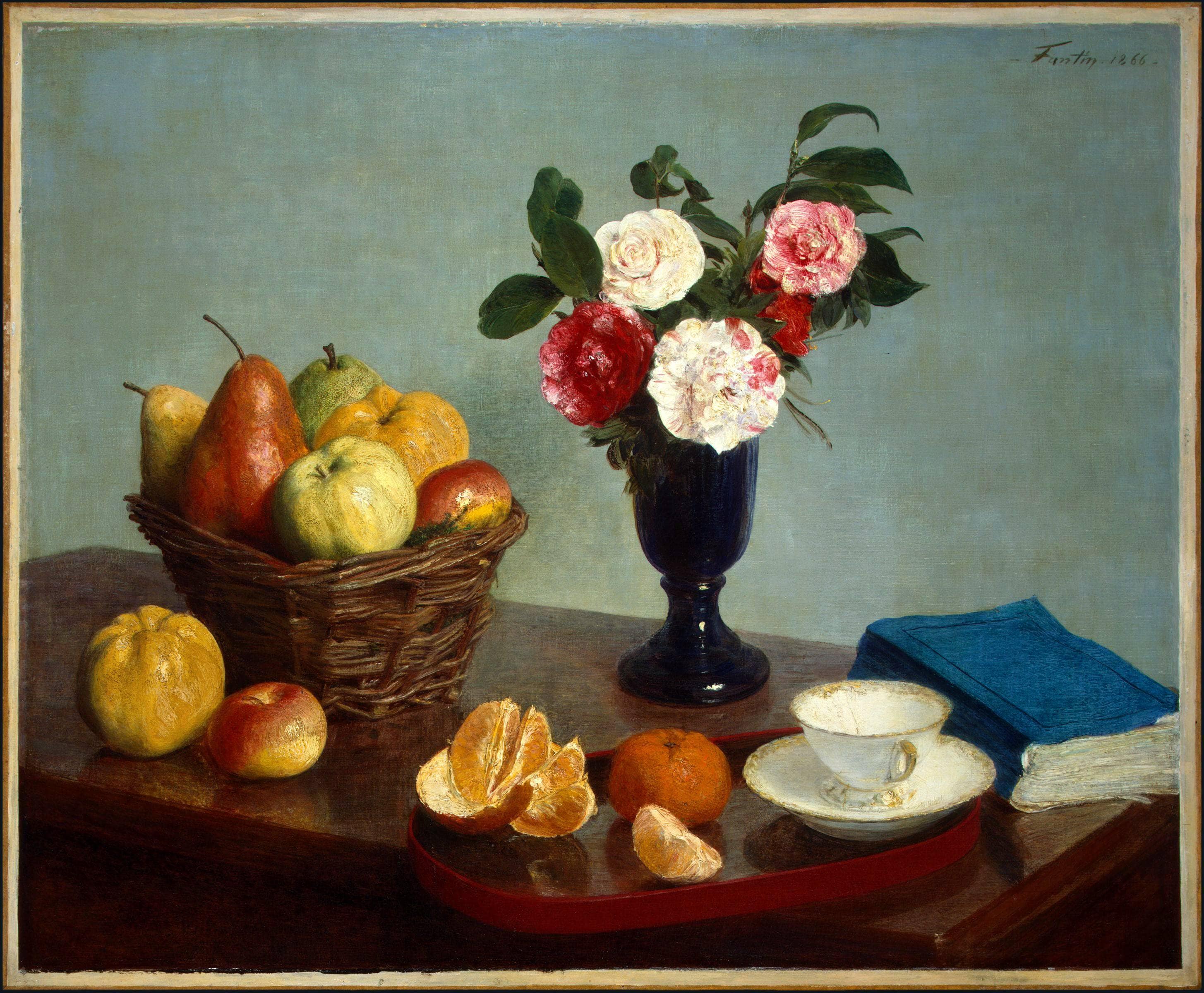
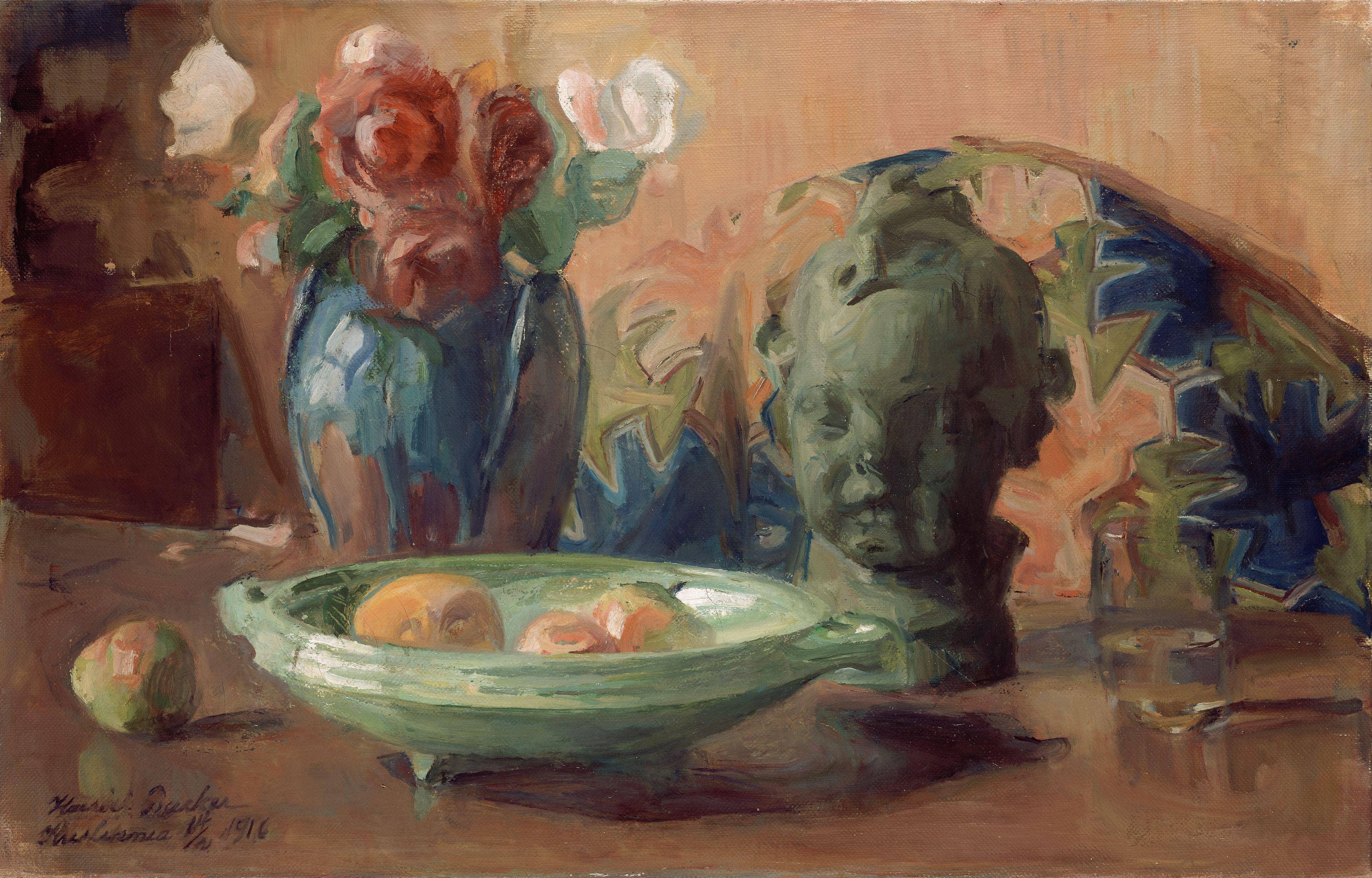
Harriet Backer's "Still Life" captivates viewers with its striking composition and vibrant color palette. The arrangement of objects, including delicate flowers and everyday utensils, draws the eye and invites contemplation. Backer skillfully uses warm hues and cool tones to create a harmonious balance, showcasing her mastery of oil painting techniques.
Symbolism and Themes in Backer's Still Life
This painting is rich in symbolism, reflecting themes of domesticity and the beauty of ordinary life. The objects in the composition serve as metaphors for the passage of time and the fleeting nature of beauty. Backer's choice of items, such as a vase of flowers, evokes a sense of tranquility and appreciation for the simple pleasures in life.
Harriet Backer: A Pioneer of Norwegian Art
Exploring Backer's Artistic Journey and Influences
Harriet Backer emerged as a significant figure in Norwegian art during the late 19th century. Influenced by the Symbolist movement and the natural beauty of Norway, she developed a unique style that combined realism with emotional depth. Her travels across Europe, particularly in France, exposed her to various artistic movements, shaping her distinctive approach to painting.
Her Contribution to the Symbolist Movement
Backer played a crucial role in the Symbolist movement, which sought to express emotions and ideas through symbolic imagery. Her works often reflect a deep connection to nature and the human experience. By incorporating elements of symbolism into her still life compositions, she invites viewers to explore deeper meanings behind the objects depicted.
Artistic Techniques: The Oil Painting Methodology
Brushwork and Texture: Creating Depth in Still Life
Backer's oil painting technique is characterized by her meticulous brushwork and attention to texture. She layers paint to create a sense of depth and dimension, allowing the viewer to feel the tactile quality of the objects. This technique enhances the realism of the still life, making it almost lifelike.
Color Theory: The Emotional Impact of Backer's Palette
The emotional impact of Backer's color palette cannot be overstated. She expertly blends colors to evoke feelings of warmth and nostalgia. The interplay of light and shadow in her work adds to the overall mood, inviting viewers to experience the emotions she intended to convey.
The Cultural Context of Still Life in the Late 19th Century
How Still Life Reflects Societal Changes in Norway
Backer's "Still Life" reflects the societal changes occurring in Norway during the late 19th century. As industrialization began to reshape the landscape, artists like Backer turned to still life to capture the essence of domestic life. This genre became a way to celebrate the beauty of everyday objects amidst a rapidly changing world.
Comparative Analysis: Backer and Her Contemporaries
When compared to her contemporaries, Backer's approach to still life stands out. While many artists focused on grand historical themes, Backer found beauty in the mundane. Her ability to infuse emotional depth into simple objects sets her apart from other artists of her time, making her work timeless and relatable.
Interpreting the Objects: A Symbolic Breakdown
The Significance of Everyday Items in Backer's Work
The objects in Backer's "Still Life" are not mere decorations; they hold significant meaning. Each item tells a story, reflecting the artist's personal experiences and cultural background. The inclusion of flowers, for instance, symbolizes beauty and transience, while everyday utensils represent the comfort of home.
Exploring the Narrative Behind the Still Life Elements
Backer invites viewers to explore the narrative behind her still life elements. The arrangement of objects suggests a moment frozen in time, encouraging contemplation of the relationships between them. This narrative quality adds layers of meaning, making the painting a rich subject for interpretation.
Visual Experience: Engaging with Still Life
How to Appreciate the Details in Backer's Painting
To fully appreciate Backer's "Still Life," take time to observe the intricate details. Notice the delicate brushstrokes that create texture and the subtle variations in color. Engaging with these details allows viewers to connect more deeply with the artwork and understand Backer's artistic vision.
Creating a Personal Connection with the Artwork
Creating a personal connection with Backer's painting enhances the viewing experience. Reflect on your own experiences with similar objects or settings. This personal engagement can transform the act of viewing into a meaningful dialogue between the viewer and the artist.
FAQs About Still Life by Harriet Backer
What inspired Harriet Backer to create Still Life?
Backer was inspired by her surroundings and the beauty of everyday life. Her love for nature and domestic settings influenced her choice of subjects.
What are the key elements that define Backer's style in this painting?
Key elements include her use of color, texture, and composition. Backer's ability to convey emotion through ordinary objects is a hallmark of her style.
How does Still Life reflect the cultural context of its time?
The painting reflects the shift towards appreciating domestic life and the beauty of simplicity during a time of industrial change in Norway.
What techniques did Backer use to achieve the painting's depth?
Backer used layering techniques and varied brushwork to create depth and dimension, making the objects appear three-dimensional.
What emotions does Still Life evoke in viewers?
The painting evokes feelings of nostalgia, tranquility, and appreciation for the beauty found in everyday life.
How can I interpret the symbolism in the objects depicted?
To interpret the symbolism, consider the cultural significance of each object and how they relate to themes of beauty, time, and domesticity.
FAQs About the Painting Reproduction
What should I consider when purchasing a reproduction of Still Life?
When purchasing a reproduction, consider the quality of materials, the accuracy of colors, and the craftsmanship involved in the reproduction process.
How can I ensure the quality of the painting reproduction?
Look for reputable sellers who specialize in high-quality oil painting reproductions. Check for customer reviews and product details to ensure authenticity.
Original: $299.95
-70%$299.95
$89.98Product Information
Product Information
Shipping & Returns
Shipping & Returns
Description
Discover the Artistic Essence of Still Life by Harriet Backer
Unveiling the Masterpiece: A Closer Look at Harriet Backer's Still Life
The Unique Composition and Color Palette
Harriet Backer's "Still Life" captivates viewers with its striking composition and vibrant color palette. The arrangement of objects, including delicate flowers and everyday utensils, draws the eye and invites contemplation. Backer skillfully uses warm hues and cool tones to create a harmonious balance, showcasing her mastery of oil painting techniques.
Symbolism and Themes in Backer's Still Life
This painting is rich in symbolism, reflecting themes of domesticity and the beauty of ordinary life. The objects in the composition serve as metaphors for the passage of time and the fleeting nature of beauty. Backer's choice of items, such as a vase of flowers, evokes a sense of tranquility and appreciation for the simple pleasures in life.
Harriet Backer: A Pioneer of Norwegian Art
Exploring Backer's Artistic Journey and Influences
Harriet Backer emerged as a significant figure in Norwegian art during the late 19th century. Influenced by the Symbolist movement and the natural beauty of Norway, she developed a unique style that combined realism with emotional depth. Her travels across Europe, particularly in France, exposed her to various artistic movements, shaping her distinctive approach to painting.
Her Contribution to the Symbolist Movement
Backer played a crucial role in the Symbolist movement, which sought to express emotions and ideas through symbolic imagery. Her works often reflect a deep connection to nature and the human experience. By incorporating elements of symbolism into her still life compositions, she invites viewers to explore deeper meanings behind the objects depicted.
Artistic Techniques: The Oil Painting Methodology
Brushwork and Texture: Creating Depth in Still Life
Backer's oil painting technique is characterized by her meticulous brushwork and attention to texture. She layers paint to create a sense of depth and dimension, allowing the viewer to feel the tactile quality of the objects. This technique enhances the realism of the still life, making it almost lifelike.
Color Theory: The Emotional Impact of Backer's Palette
The emotional impact of Backer's color palette cannot be overstated. She expertly blends colors to evoke feelings of warmth and nostalgia. The interplay of light and shadow in her work adds to the overall mood, inviting viewers to experience the emotions she intended to convey.
The Cultural Context of Still Life in the Late 19th Century
How Still Life Reflects Societal Changes in Norway
Backer's "Still Life" reflects the societal changes occurring in Norway during the late 19th century. As industrialization began to reshape the landscape, artists like Backer turned to still life to capture the essence of domestic life. This genre became a way to celebrate the beauty of everyday objects amidst a rapidly changing world.
Comparative Analysis: Backer and Her Contemporaries
When compared to her contemporaries, Backer's approach to still life stands out. While many artists focused on grand historical themes, Backer found beauty in the mundane. Her ability to infuse emotional depth into simple objects sets her apart from other artists of her time, making her work timeless and relatable.
Interpreting the Objects: A Symbolic Breakdown
The Significance of Everyday Items in Backer's Work
The objects in Backer's "Still Life" are not mere decorations; they hold significant meaning. Each item tells a story, reflecting the artist's personal experiences and cultural background. The inclusion of flowers, for instance, symbolizes beauty and transience, while everyday utensils represent the comfort of home.
Exploring the Narrative Behind the Still Life Elements
Backer invites viewers to explore the narrative behind her still life elements. The arrangement of objects suggests a moment frozen in time, encouraging contemplation of the relationships between them. This narrative quality adds layers of meaning, making the painting a rich subject for interpretation.
Visual Experience: Engaging with Still Life
How to Appreciate the Details in Backer's Painting
To fully appreciate Backer's "Still Life," take time to observe the intricate details. Notice the delicate brushstrokes that create texture and the subtle variations in color. Engaging with these details allows viewers to connect more deeply with the artwork and understand Backer's artistic vision.
Creating a Personal Connection with the Artwork
Creating a personal connection with Backer's painting enhances the viewing experience. Reflect on your own experiences with similar objects or settings. This personal engagement can transform the act of viewing into a meaningful dialogue between the viewer and the artist.
FAQs About Still Life by Harriet Backer
What inspired Harriet Backer to create Still Life?
Backer was inspired by her surroundings and the beauty of everyday life. Her love for nature and domestic settings influenced her choice of subjects.
What are the key elements that define Backer's style in this painting?
Key elements include her use of color, texture, and composition. Backer's ability to convey emotion through ordinary objects is a hallmark of her style.
How does Still Life reflect the cultural context of its time?
The painting reflects the shift towards appreciating domestic life and the beauty of simplicity during a time of industrial change in Norway.
What techniques did Backer use to achieve the painting's depth?
Backer used layering techniques and varied brushwork to create depth and dimension, making the objects appear three-dimensional.
What emotions does Still Life evoke in viewers?
The painting evokes feelings of nostalgia, tranquility, and appreciation for the beauty found in everyday life.
How can I interpret the symbolism in the objects depicted?
To interpret the symbolism, consider the cultural significance of each object and how they relate to themes of beauty, time, and domesticity.
FAQs About the Painting Reproduction
What should I consider when purchasing a reproduction of Still Life?
When purchasing a reproduction, consider the quality of materials, the accuracy of colors, and the craftsmanship involved in the reproduction process.
How can I ensure the quality of the painting reproduction?
Look for reputable sellers who specialize in high-quality oil painting reproductions. Check for customer reviews and product details to ensure authenticity.