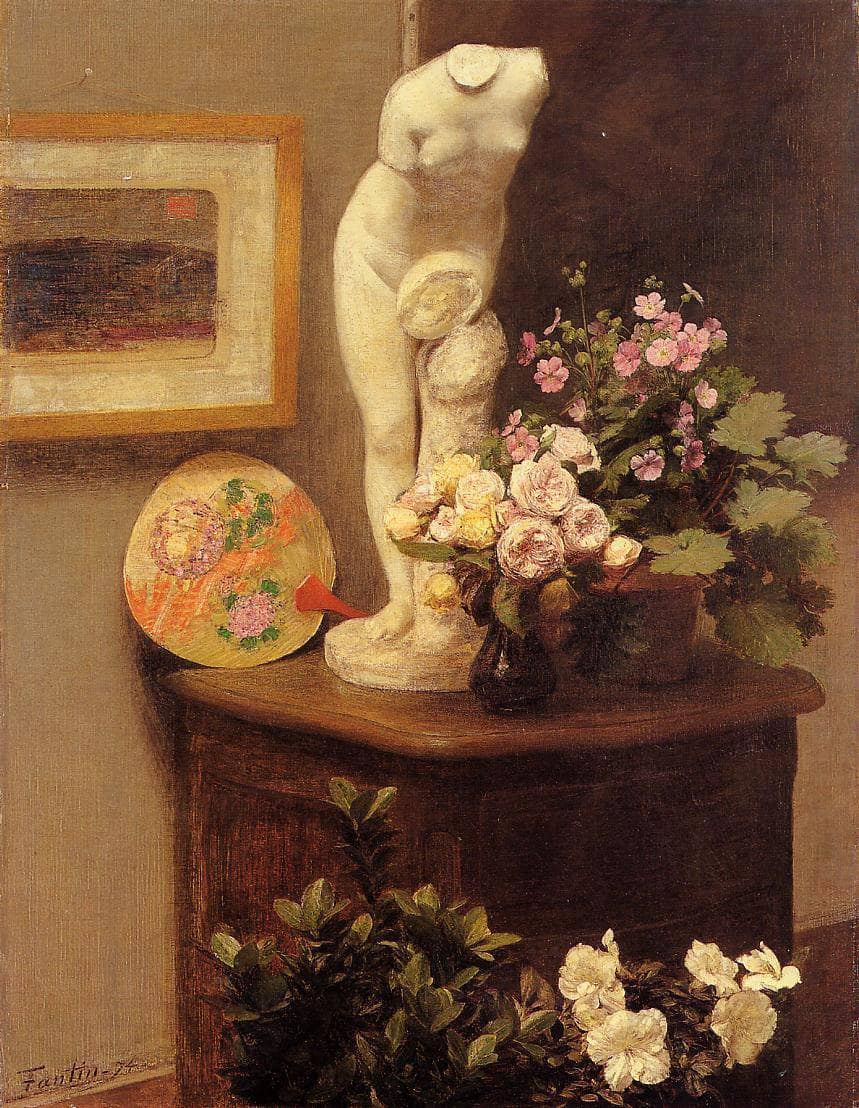
Still Life with Torso and Flowers
Exploring the Artistic Essence of Henri Fantin-Latour's Still Life with Torso and Flowers
Unveiling the Masterpiece: A Closer Look at Still Life with Torso and Flowers
The Unique Composition: Flowers and the Human Form
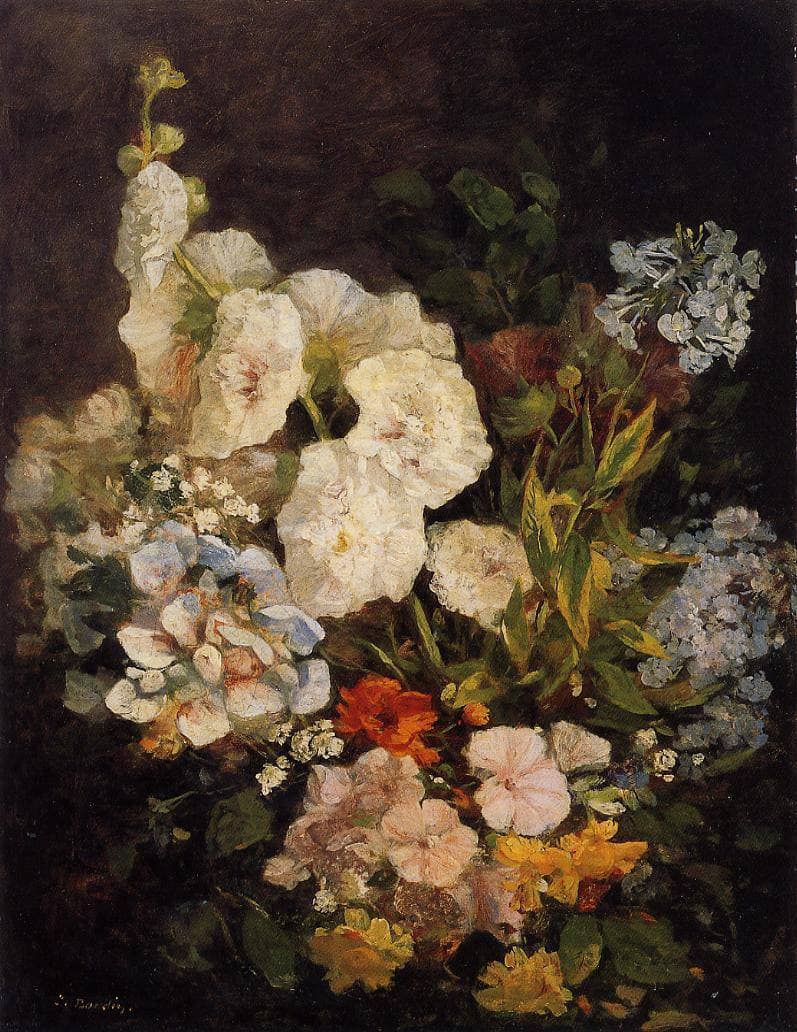
Henri Fantin-Latour's Still Life with Torso and Flowers presents a striking juxtaposition of nature and the human form. The arrangement features a beautifully sculpted torso alongside a vibrant bouquet, creating a dialogue between the organic and the anatomical. This unique composition invites viewers to reflect on the relationship between humanity and nature, a theme prevalent in many of Fantin-Latour's works.
Color Palette: The Harmony of Earthy Tones and Vibrant Hues
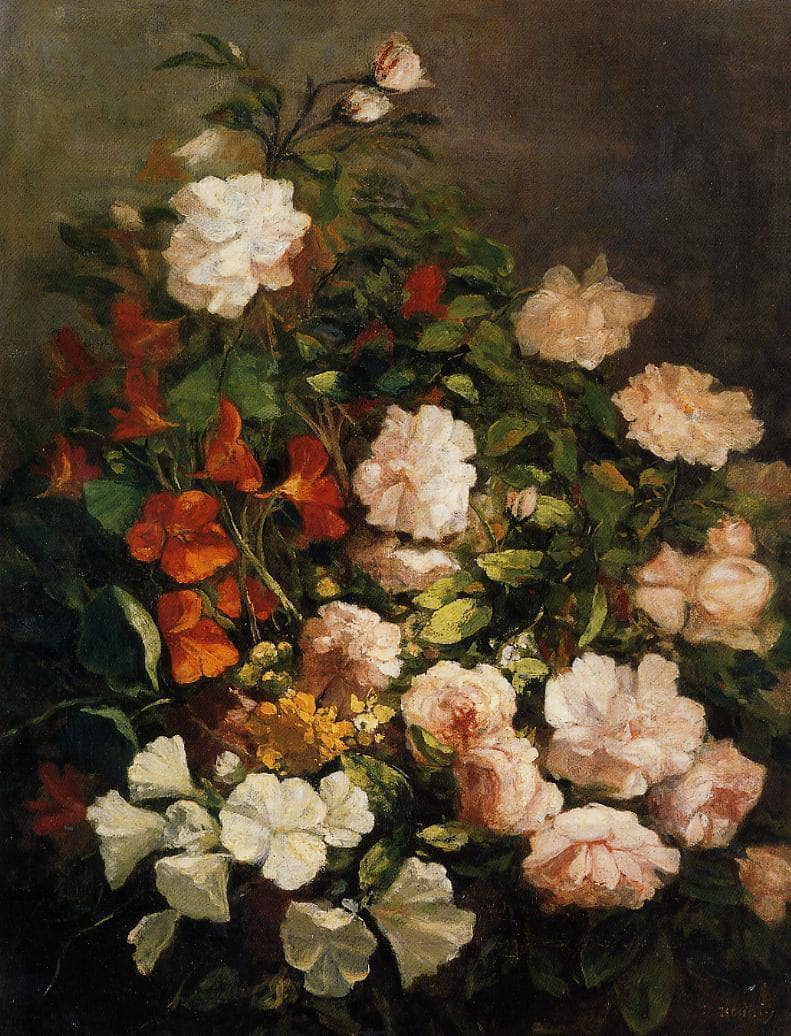
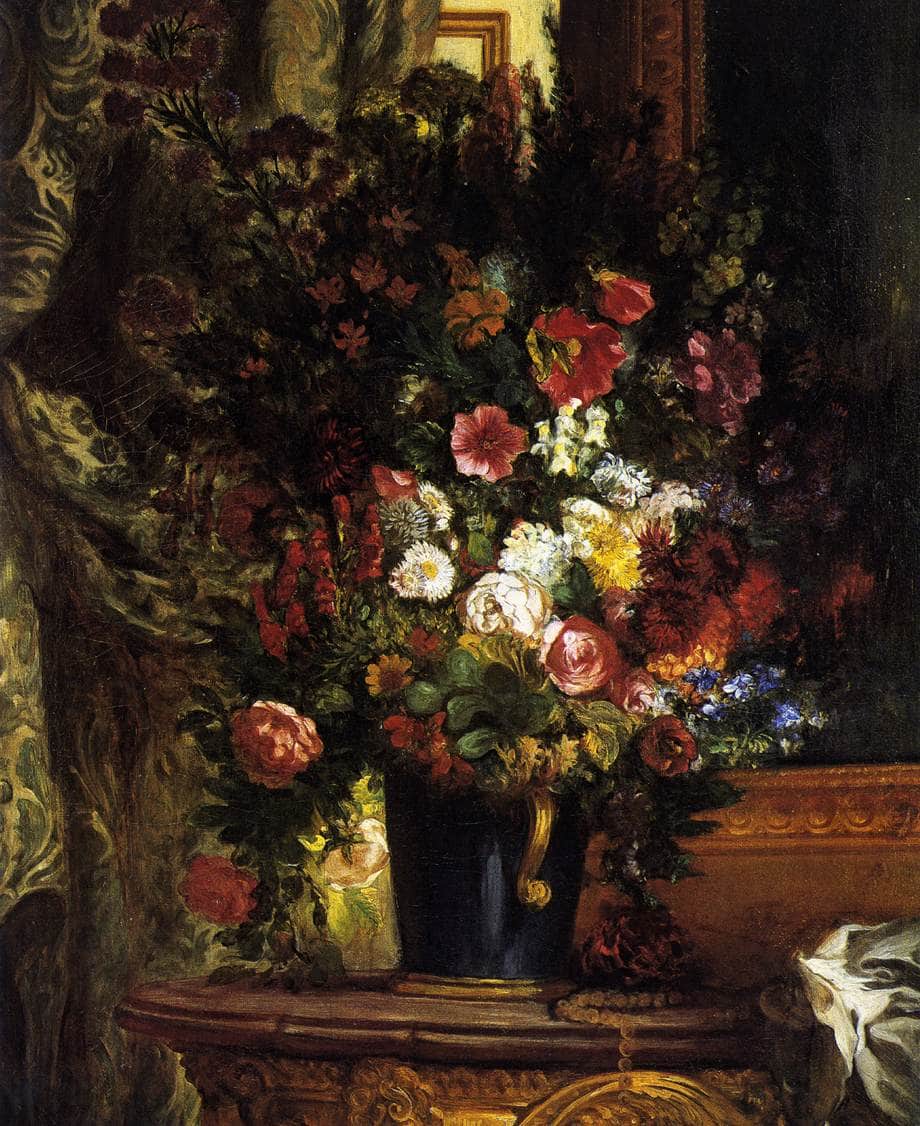
The color palette of this painting is a masterclass in harmony. Fantin-Latour employs earthy tones, such as deep browns and soft greens, which ground the composition. These are beautifully contrasted by the vibrant reds, yellows, and whites of the flowers. This interplay of colors not only enhances the visual appeal but also evokes a sense of warmth and life.
Henri Fantin-Latour: The Visionary Behind the Canvas
Biographical Insights: The Life of a 19th Century French Painter
Henri Fantin-Latour was born in 1836 in Grenoble, France. He became a prominent figure in the art world, known for his still lifes and portraits. His artistic journey began in Paris, where he mingled with influential artists and writers of the time. Fantin-Latour's dedication to capturing beauty in everyday life set him apart as a visionary in 19th-century art.
Artistic Influences: The Impact of Romanticism and Realism
Fantin-Latour's work reflects the dual influences of Romanticism and Realism. While he embraced the emotional depth of Romanticism, he also focused on the realistic portrayal of subjects. This blend allowed him to create artworks that resonate with viewers on both an emotional and intellectual level, making his pieces timeless.
Symbolism and Themes: Decoding the Elements of Still Life with Torso and Flowers
The Significance of the Torso: A Study of the Human Figure
The torso in Still Life with Torso and Flowers serves as a powerful symbol of the human experience. It represents the beauty and fragility of the human body, inviting contemplation on mortality and existence. This focus on the human form amidst the flowers suggests a connection between life, death, and the natural world.
Floral Symbolism: The Language of Flowers in Art
Flowers have long been symbols of various emotions and ideas in art. In this painting, the choice of flowers may represent love, beauty, and transience. Each bloom carries its own meaning, contributing to the overall narrative of the piece. Fantin-Latour's careful selection of floral elements enhances the emotional depth of the composition.
Interplay of Light and Shadow: Creating Depth and Emotion
Fantin-Latour expertly manipulates light and shadow to create depth in the painting. The soft illumination highlights the contours of the torso and the delicate petals of the flowers. This technique not only adds a three-dimensional quality but also evokes a sense of intimacy and warmth, drawing viewers into the scene.
Artistic Techniques: The Craftsmanship of Oil Painting
Brushwork and Texture: Techniques Employed by Fantin-Latour
Fantin-Latour's brushwork is characterized by its precision and fluidity. He skillfully layers paint to create texture, giving life to both the flowers and the torso. This attention to detail showcases his mastery of oil painting, allowing viewers to appreciate the tactile quality of the artwork.
Layering and Glazing: The Process Behind the Painting
The process of layering and glazing is evident in Still Life with Torso and Flowers. Fantin-Latour applied multiple layers of paint to achieve depth and luminosity. This technique enhances the vibrancy of the colors, making the flowers appear almost lifelike, while the torso exudes a sense of solidity.
Historical Context: The Art Scene of 19th Century France
Art Movements: The Role of Impressionism and Symbolism
The 19th century was a transformative period for art in France. Movements like Impressionism and Symbolism emerged, challenging traditional artistic conventions. Fantin-Latour, while not an Impressionist himself, was influenced by these movements, incorporating their principles into his work.
Exhibitions and Reception: How the Painting Was Received
Upon its exhibition, Still Life with Torso and Flowers garnered attention for its innovative composition and emotional depth. Critics praised Fantin-Latour for his ability to blend realism with a poetic sensibility. The painting's reception reflects the evolving tastes of the art world during this dynamic era.
Comparative Analysis: Still Life with Torso and Flowers in the Context of Fantin-Latour's Work
Similar Works: Exploring Other Still Life Paintings by Fantin-Latour
Fantin-Latour created numerous still life paintings that echo the themes found in Still Life with Torso and Flowers. Works like Still Life with Flowers and Still Life with Fruit showcase his ability to capture the beauty of nature while exploring the human condition. Each piece offers a unique perspective on life and art.
Influence on Contemporary Artists: The Legacy of Fantin-Latour
Fantin-Latour's influence extends beyond his lifetime. Contemporary artists continue to draw inspiration from his unique blend of realism and emotional depth. His ability to convey complex themes through simple subjects resonates with modern audiences, ensuring his legacy endures in the art world.
Visiting the Original: Where to Experience Still Life with Torso and Flowers
Location and Accessibility: Museums Housing the Masterpiece
Art enthusiasts can experience Still Life with Torso and Flowers at the Musée d'Orsay in Paris. This renowned museum houses an extensive collection of 19th-century art, making it a must-visit for anyone interested in Fantin-Latour's work. The museum's accessibility and rich history enhance the experience of viewing this masterpiece.
Exhibition Highlights: Special Features and Events
The Musée d'Orsay often hosts special exhibitions that feature works by Fantin-Latour. These events provide deeper insights into his artistic process and the historical context of his paintings. Attending such exhibitions allows visitors to engage with the art on a more profound level.
FAQs About Still Life with Torso and Flowers
What is the story behind Still Life with Torso and Flowers?
This painting reflects Fantin-Latour's exploration of the relationship between humanity and nature, using the torso and flowers to symbolize life and mortality.
What techniques did Henri Fantin-Latour use in this painting?
Fantin-Latour employed layering and glazing techniques, along with precise brushwork, to create texture and depth in the painting.
What are the main themes represented in Still Life with Torso and Flowers?
The main themes include the beauty of the human form, the symbolism of flowers, and the interplay of light and shadow to evoke emotion.
How does this painting reflect the artistic style of the 19th century?
The painting embodies the transition between Romanticism and Realism, showcasing emotional depth while maintaining a realistic portrayal of subjects.
What is the significance of the torso in the painting?
The torso symbolizes the human experience, representing beauty, fragility, and the connection between life and nature.
Are there any notable exhibitions featuring this painting?
Yes, the Musée d'Orsay frequently features Still Life with Torso and Flowers in its exhibitions, highlighting Fantin-Latour's contributions to 19th-century art.
FAQs About Painting Reproductions
What should I consider when purchasing a reproduction of Still Life with Torso and Flowers?
When purchasing a reproduction, consider the quality of materials, the accuracy of colors, and the craftsmanship involved in the painting reproduction process.
How can I ensure the quality of a painting reproduction?
Look for reputable artists or companies that specialize in painting reproductions. Check reviews and request samples to ensure the quality meets your expectations.
Original: $299.95
-70%$299.95
$89.98Product Information
Product Information
Shipping & Returns
Shipping & Returns
Description
Exploring the Artistic Essence of Henri Fantin-Latour's Still Life with Torso and Flowers
Unveiling the Masterpiece: A Closer Look at Still Life with Torso and Flowers
The Unique Composition: Flowers and the Human Form
Henri Fantin-Latour's Still Life with Torso and Flowers presents a striking juxtaposition of nature and the human form. The arrangement features a beautifully sculpted torso alongside a vibrant bouquet, creating a dialogue between the organic and the anatomical. This unique composition invites viewers to reflect on the relationship between humanity and nature, a theme prevalent in many of Fantin-Latour's works.
Color Palette: The Harmony of Earthy Tones and Vibrant Hues
The color palette of this painting is a masterclass in harmony. Fantin-Latour employs earthy tones, such as deep browns and soft greens, which ground the composition. These are beautifully contrasted by the vibrant reds, yellows, and whites of the flowers. This interplay of colors not only enhances the visual appeal but also evokes a sense of warmth and life.
Henri Fantin-Latour: The Visionary Behind the Canvas
Biographical Insights: The Life of a 19th Century French Painter
Henri Fantin-Latour was born in 1836 in Grenoble, France. He became a prominent figure in the art world, known for his still lifes and portraits. His artistic journey began in Paris, where he mingled with influential artists and writers of the time. Fantin-Latour's dedication to capturing beauty in everyday life set him apart as a visionary in 19th-century art.
Artistic Influences: The Impact of Romanticism and Realism
Fantin-Latour's work reflects the dual influences of Romanticism and Realism. While he embraced the emotional depth of Romanticism, he also focused on the realistic portrayal of subjects. This blend allowed him to create artworks that resonate with viewers on both an emotional and intellectual level, making his pieces timeless.
Symbolism and Themes: Decoding the Elements of Still Life with Torso and Flowers
The Significance of the Torso: A Study of the Human Figure
The torso in Still Life with Torso and Flowers serves as a powerful symbol of the human experience. It represents the beauty and fragility of the human body, inviting contemplation on mortality and existence. This focus on the human form amidst the flowers suggests a connection between life, death, and the natural world.
Floral Symbolism: The Language of Flowers in Art
Flowers have long been symbols of various emotions and ideas in art. In this painting, the choice of flowers may represent love, beauty, and transience. Each bloom carries its own meaning, contributing to the overall narrative of the piece. Fantin-Latour's careful selection of floral elements enhances the emotional depth of the composition.
Interplay of Light and Shadow: Creating Depth and Emotion
Fantin-Latour expertly manipulates light and shadow to create depth in the painting. The soft illumination highlights the contours of the torso and the delicate petals of the flowers. This technique not only adds a three-dimensional quality but also evokes a sense of intimacy and warmth, drawing viewers into the scene.
Artistic Techniques: The Craftsmanship of Oil Painting
Brushwork and Texture: Techniques Employed by Fantin-Latour
Fantin-Latour's brushwork is characterized by its precision and fluidity. He skillfully layers paint to create texture, giving life to both the flowers and the torso. This attention to detail showcases his mastery of oil painting, allowing viewers to appreciate the tactile quality of the artwork.
Layering and Glazing: The Process Behind the Painting
The process of layering and glazing is evident in Still Life with Torso and Flowers. Fantin-Latour applied multiple layers of paint to achieve depth and luminosity. This technique enhances the vibrancy of the colors, making the flowers appear almost lifelike, while the torso exudes a sense of solidity.
Historical Context: The Art Scene of 19th Century France
Art Movements: The Role of Impressionism and Symbolism
The 19th century was a transformative period for art in France. Movements like Impressionism and Symbolism emerged, challenging traditional artistic conventions. Fantin-Latour, while not an Impressionist himself, was influenced by these movements, incorporating their principles into his work.
Exhibitions and Reception: How the Painting Was Received
Upon its exhibition, Still Life with Torso and Flowers garnered attention for its innovative composition and emotional depth. Critics praised Fantin-Latour for his ability to blend realism with a poetic sensibility. The painting's reception reflects the evolving tastes of the art world during this dynamic era.
Comparative Analysis: Still Life with Torso and Flowers in the Context of Fantin-Latour's Work
Similar Works: Exploring Other Still Life Paintings by Fantin-Latour
Fantin-Latour created numerous still life paintings that echo the themes found in Still Life with Torso and Flowers. Works like Still Life with Flowers and Still Life with Fruit showcase his ability to capture the beauty of nature while exploring the human condition. Each piece offers a unique perspective on life and art.
Influence on Contemporary Artists: The Legacy of Fantin-Latour
Fantin-Latour's influence extends beyond his lifetime. Contemporary artists continue to draw inspiration from his unique blend of realism and emotional depth. His ability to convey complex themes through simple subjects resonates with modern audiences, ensuring his legacy endures in the art world.
Visiting the Original: Where to Experience Still Life with Torso and Flowers
Location and Accessibility: Museums Housing the Masterpiece
Art enthusiasts can experience Still Life with Torso and Flowers at the Musée d'Orsay in Paris. This renowned museum houses an extensive collection of 19th-century art, making it a must-visit for anyone interested in Fantin-Latour's work. The museum's accessibility and rich history enhance the experience of viewing this masterpiece.
Exhibition Highlights: Special Features and Events
The Musée d'Orsay often hosts special exhibitions that feature works by Fantin-Latour. These events provide deeper insights into his artistic process and the historical context of his paintings. Attending such exhibitions allows visitors to engage with the art on a more profound level.
FAQs About Still Life with Torso and Flowers
What is the story behind Still Life with Torso and Flowers?
This painting reflects Fantin-Latour's exploration of the relationship between humanity and nature, using the torso and flowers to symbolize life and mortality.
What techniques did Henri Fantin-Latour use in this painting?
Fantin-Latour employed layering and glazing techniques, along with precise brushwork, to create texture and depth in the painting.
What are the main themes represented in Still Life with Torso and Flowers?
The main themes include the beauty of the human form, the symbolism of flowers, and the interplay of light and shadow to evoke emotion.
How does this painting reflect the artistic style of the 19th century?
The painting embodies the transition between Romanticism and Realism, showcasing emotional depth while maintaining a realistic portrayal of subjects.
What is the significance of the torso in the painting?
The torso symbolizes the human experience, representing beauty, fragility, and the connection between life and nature.
Are there any notable exhibitions featuring this painting?
Yes, the Musée d'Orsay frequently features Still Life with Torso and Flowers in its exhibitions, highlighting Fantin-Latour's contributions to 19th-century art.
FAQs About Painting Reproductions
What should I consider when purchasing a reproduction of Still Life with Torso and Flowers?
When purchasing a reproduction, consider the quality of materials, the accuracy of colors, and the craftsmanship involved in the painting reproduction process.
How can I ensure the quality of a painting reproduction?
Look for reputable artists or companies that specialize in painting reproductions. Check reviews and request samples to ensure the quality meets your expectations.