🚚 Free Worldwide Shipping on All Orders!Shop Now

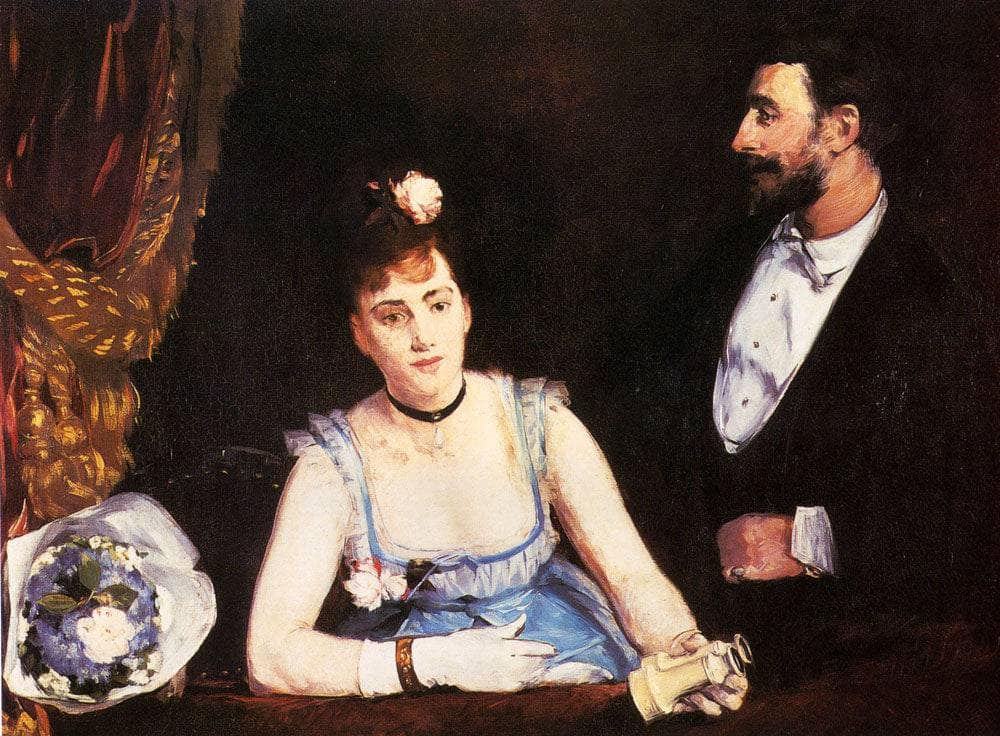
A Box at the Theatre des Italiens
Discovering the Enigmatic Charm of A Box at the Theatre des Italiens
Introduction to Eva Gonzales: A Pioneer of Impressionism
Her Artistic Journey and Influences
Eva Gonzales (1849-1883) emerged as a significant figure in the Impressionist movement. Born in Paris, she was influenced by renowned artists like Édouard Manet and Edgar Degas. Gonzales often painted scenes of modern life, capturing the vibrancy of Parisian culture. Her dedication to her craft and her unique perspective set her apart in a male-dominated art world.Gonzales' Unique Style: Merging Realism with Impressionism
Gonzales skillfully blended realism with the loose brushwork of Impressionism. Her paintings often feature intimate moments, showcasing her ability to convey emotion through color and light. This fusion creates a captivating visual experience, inviting viewers to connect with the subjects on a personal level.Unveiling the Scene: A Box at the Theatre des Italiens
Setting the Stage: The Historical Context of the Theatre des Italiens
The Theatre des Italiens, established in 1867, was a hub of cultural activity in Paris. It showcased operas and theatrical performances, attracting the elite of society. Gonzales captured this vibrant atmosphere, reflecting the social dynamics of the time. The theatre represented not just entertainment but also a gathering place for the fashionable and affluent.Capturing the Essence of Parisian Society in the 19th Century
In "A Box at the Theatre des Italiens," Gonzales portrays the elegance and sophistication of Parisian society. The painting invites viewers into a private box, offering a glimpse into the lives of the upper class. The scene encapsulates the glamour and intrigue of the theatre, highlighting the importance of social status and public appearances in 19th-century France.Visual Elements: Analyzing the Composition of the Painting
Color Palette: The Use of Light and Shadow
Gonzales employs a rich color palette, utilizing soft pastels and deep hues to create depth. The interplay of light and shadow enhances the three-dimensionality of the figures. This technique draws the viewer's eye, emphasizing the luxurious fabrics and the warm glow of the theatre's ambiance.Figures and Gestures: The Language of Body Movement
The figures in the painting are elegantly posed, their gestures conveying a sense of intimacy and connection. The subtle expressions on their faces reveal a range of emotions, from curiosity to contemplation. Gonzales masterfully captures the nuances of human interaction, making the scene feel alive and dynamic.Spatial Arrangement: The Importance of the Box Setting
The box setting serves as a focal point, symbolizing exclusivity and privilege. The arrangement of figures within the box creates a sense of intimacy, inviting viewers to share in their experience. This spatial composition highlights the social dynamics at play, as the characters engage with both each other and the performance unfolding before them.Thematic Exploration: What Lies Beneath the Surface?
Social Commentary: Class and Gender in the Theatre
Gonzales' painting offers a subtle critique of class and gender roles in 19th-century society. The women in the box are dressed in exquisite gowns, showcasing their status. Yet, their expressions hint at the constraints placed upon them by societal expectations. This duality invites viewers to reflect on the complexities of identity and social standing.Emotional Resonance: The Mood and Atmosphere of the Scene
The overall mood of "A Box at the Theatre des Italiens" is one of elegance and intrigue. The warm colors and soft lighting create a sense of intimacy, while the figures' expressions evoke curiosity and contemplation. This emotional resonance draws viewers into the scene, allowing them to experience the atmosphere of the theatre firsthand.Artistic Techniques: Brushwork and Texture in Gonzales' Work
Impressionistic Techniques: Capturing Fleeting Moments
Gonzales employs Impressionistic techniques to capture the fleeting moments of life. Her loose brushwork conveys movement and spontaneity, allowing the viewer to feel the energy of the theatre. This approach reflects the essence of Impressionism, where the focus is on the moment rather than precise detail.Textural Details: The Impact of Oil on Canvas
The use of oil on canvas enhances the richness of the painting. Gonzales' technique creates a tactile quality, inviting viewers to appreciate the texture of the fabrics and the luminosity of the skin tones. This attention to detail elevates the artwork, making it a stunning reproduction for collectors and art enthusiasts alike.Comparative Analysis: A Box at the Theatre des Italiens vs. Contemporary Works
Influence on Future Artists: The Legacy of Gonzales
Eva Gonzales' work has influenced many contemporary artists. Her ability to blend realism with Impressionism paved the way for future explorations of light and color. Artists today continue to draw inspiration from her unique perspective and emotional depth.Similarities and Differences with Other Impressionist Masters
While Gonzales shares similarities with Impressionist masters like Monet and Renoir, her focus on intimate social settings sets her apart. Her works often explore the lives of women, offering a fresh perspective within the movement. This distinction highlights her contribution to the broader narrative of Impressionism.Collecting Art: The Value of A Box at the Theatre des Italiens
Market Trends: The Demand for Gonzales' Works
The demand for Eva Gonzales' works has been steadily increasing. Collectors appreciate her unique style and the emotional depth of her paintings. "A Box at the Theatre des Italiens" stands out as a prime example of her talent, making it a sought-after piece in the art market.Investment Potential: Why This Painting is a Timeless Piece
Investing in "A Box at the Theatre des Italiens" is a wise choice. Its historical significance and artistic merit ensure its value will endure. As interest in Impressionist art continues to grow, this painting represents a timeless addition to any collection.FAQs About A Box at the Theatre des Italiens
What is the story behind A Box at the Theatre des Italiens?
The painting captures a moment in the lives of Parisian elites attending a performance at the Theatre des Italiens. It reflects the social dynamics and cultural significance of the theatre in 19th-century Paris.How does Eva Gonzales' style differ from other Impressionists?
Gonzales focuses on intimate social interactions and the lives of women, offering a unique perspective within the Impressionist movement. Her blend of realism and Impressionism creates a distinct emotional resonance.What emotions does the painting evoke in viewers?
Viewers often feel a sense of curiosity and nostalgia when observing the painting. The intimate setting and expressive figures invite reflection on social dynamics and personal connections.Where can I see the original painting today?
The original "A Box at the Theatre des Italiens" is housed in a private collection. It occasionally appears in exhibitions dedicated to Impressionist art.What are the key features to look for in a reproduction of this painting?
When seeking a reproduction, look for vibrant colors, accurate details, and a faithful representation of the original's texture. High-quality oil on canvas reproductions offer a superior experience compared to prints.How can I ensure the quality of a reproduction of A Box at the Theatre des Italiens?
Choose reputable art reproduction companies that specialize in oil paintings. Look for reviews and examples of their work to ensure they capture the essence of Gonzales' style.Are there any notable exhibitions featuring Gonzales' work?
Gonzales' work has been featured in various exhibitions focusing on female Impressionists and the broader Impressionist movement. Keep an eye on art museums and galleries for upcoming shows that may include her pieces.Select Size
From $89.98
Original: $299.95
-70%A Box at the Theatre des Italiens—
$299.95
$89.98Product Information
Product Information
Shipping & Returns
Shipping & Returns