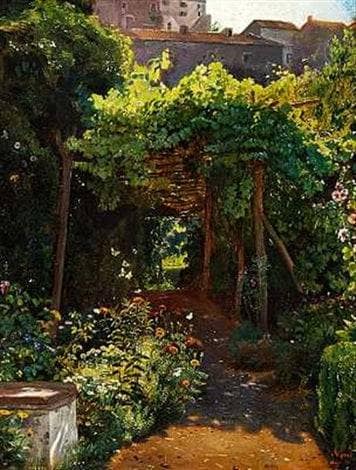
A lush Italian garden
Discover the Enchantment of A Lush Italian Garden by Ernst Meyer
Unveiling the Artistic Vision: Ernst Meyer's Mastery
Exploring the Life and Influence of Ernst Meyer
Ernst Meyer, a prominent figure in the late 19th and early 20th centuries, was known for his captivating landscapes and garden scenes. Born in Germany, Meyer was deeply influenced by the beauty of nature and the rich artistic traditions of Italy. His travels through the Italian countryside inspired him to capture the essence of lush gardens, vibrant flora, and serene landscapes. Meyer's work reflects a blend of realism and impressionism, showcasing his ability to evoke emotion through color and light.
Understanding the Artistic Techniques Used in the Painting
Meyer employed a variety of techniques to bring his vision to life in "A Lush Italian Garden." He skillfully used oil paints to create texture and depth, allowing the viewer to feel as if they are stepping into the garden. His brushwork is both delicate and bold, capturing the intricate details of leaves and flowers while also conveying the overall harmony of the scene. The layering of colors creates a sense of movement, making the garden appear alive and inviting.
Immersive Experience: The Allure of the Italian Garden
Symbolism of Nature in Italian Art
In Italian art, gardens often symbolize paradise and tranquility. They represent a connection to nature and the divine. Meyer's "A Lush Italian Garden" embodies this symbolism, inviting viewers to escape into a serene world filled with vibrant life. The garden serves as a metaphor for growth, beauty, and the fleeting nature of time.
Color Palette: The Vibrant Hues of Meyer's Garden
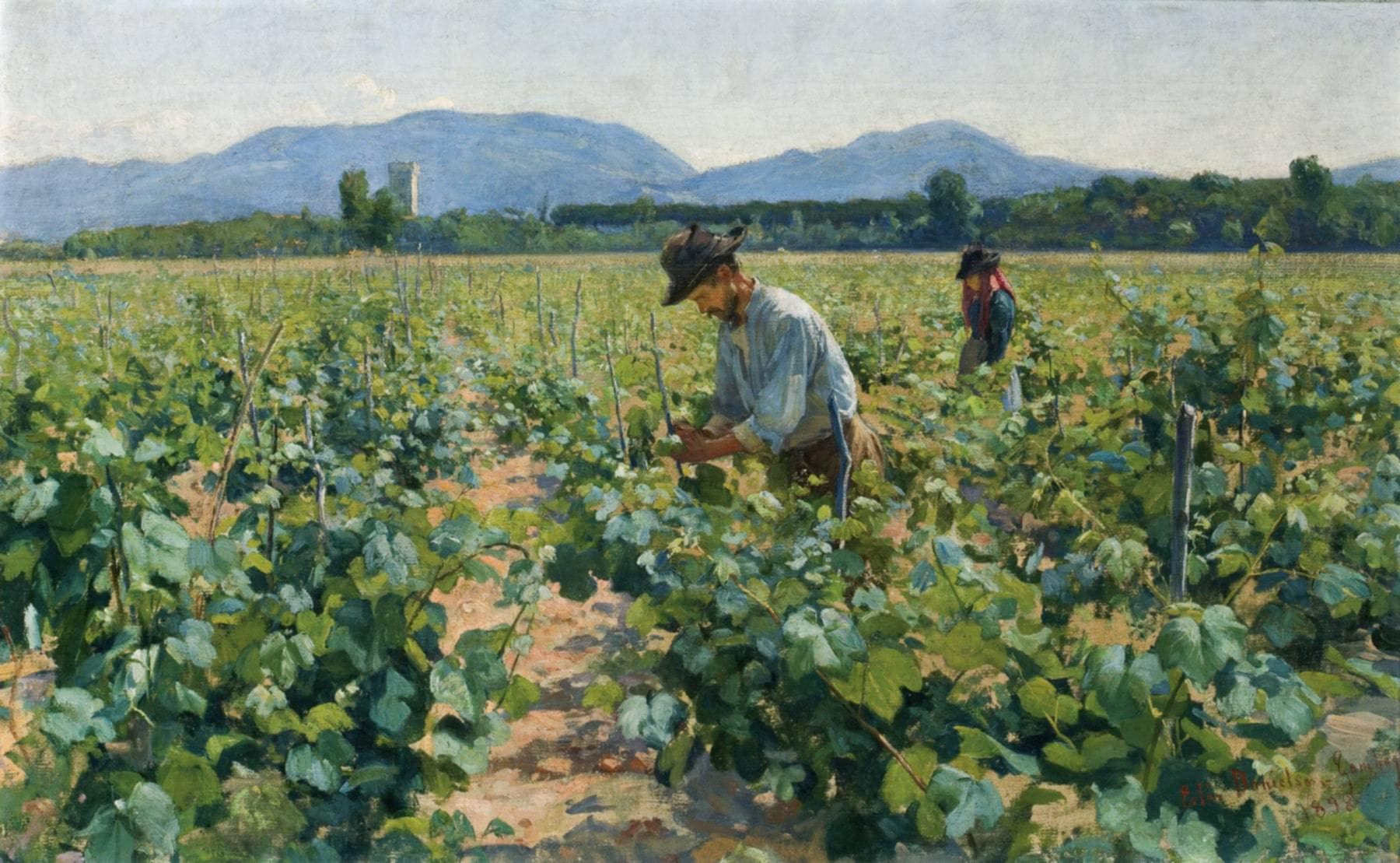
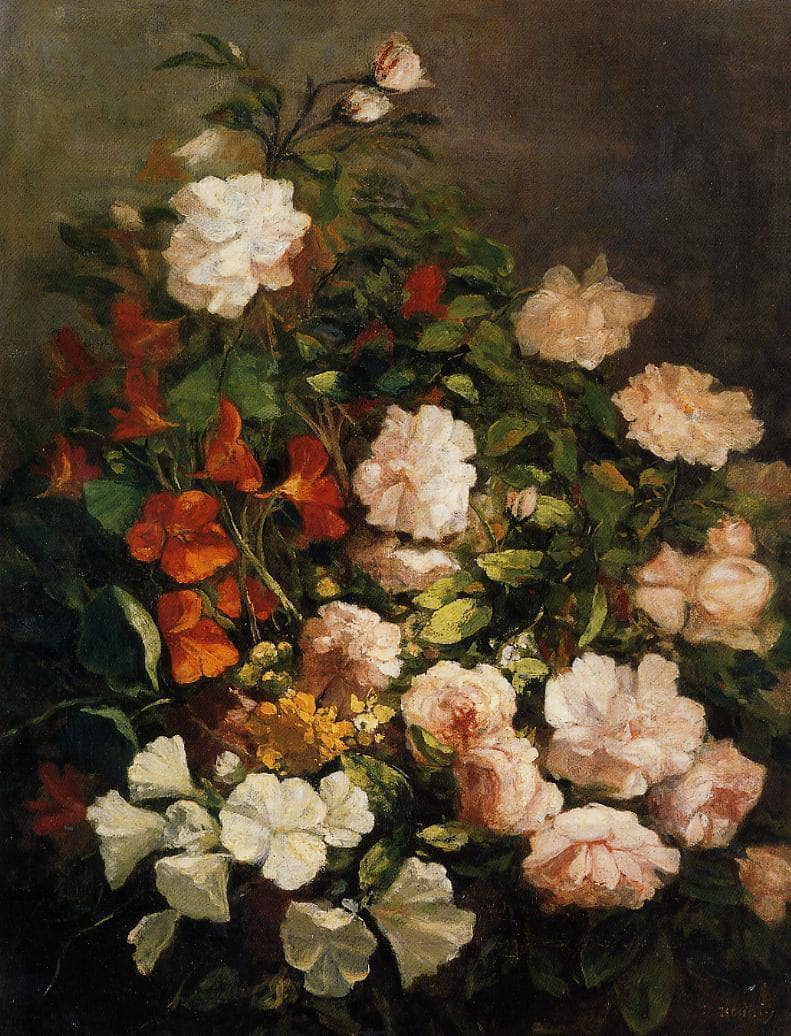
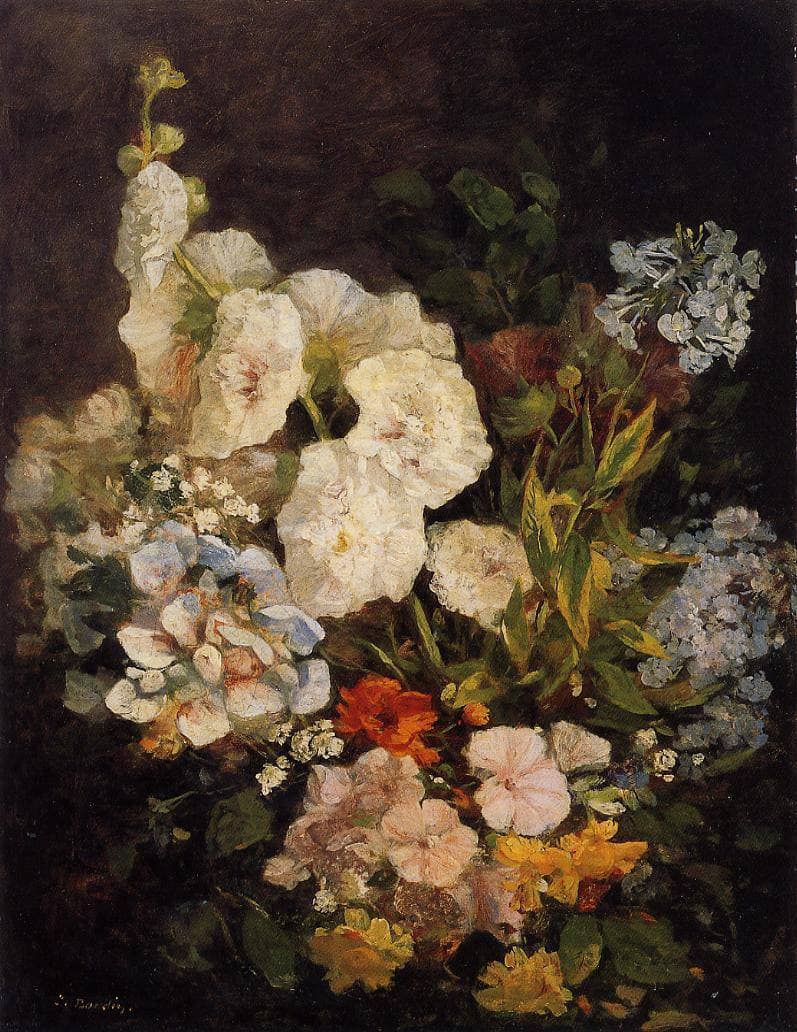
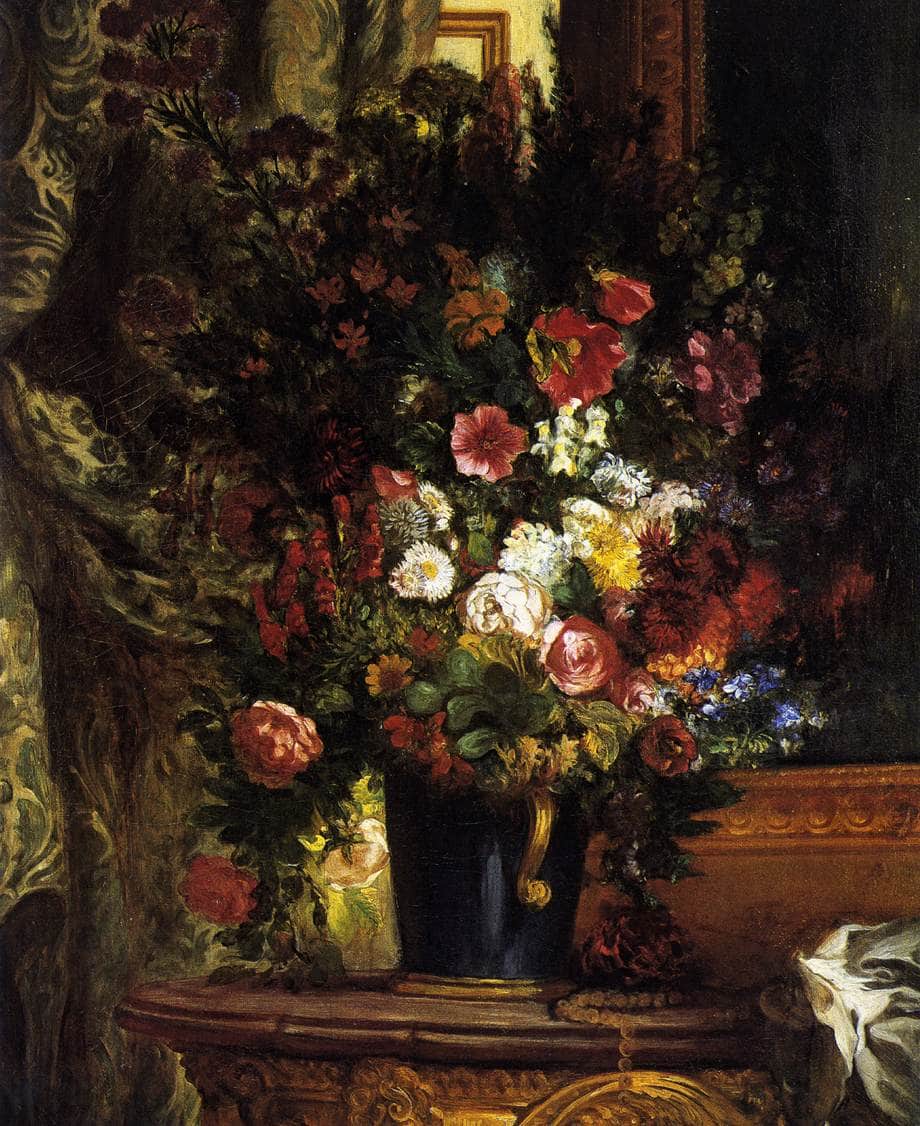
The color palette in "A Lush Italian Garden" is a feast for the eyes. Meyer uses rich greens, soft pastels, and bright floral colors to create a harmonious composition. The interplay of light and shadow enhances the vibrancy of the scene, making the flowers pop against the lush greenery. This vibrant color scheme not only captures the viewer's attention but also evokes feelings of joy and serenity.
Composition and Perspective: A Journey Through the Canvas
Meyer's composition draws the viewer into the garden, creating a sense of depth and perspective. The winding pathways and carefully arranged plants lead the eye through the painting, inviting exploration. This thoughtful arrangement reflects the principles of Italian garden design, where every element is placed with intention to create a harmonious experience.
Historical Context: The Italian Garden Movement
The Renaissance Influence on Meyer's Work
The Italian garden movement has its roots in the Renaissance, a period that celebrated beauty, nature, and humanism. Artists like Leonardo da Vinci and Raphael inspired generations, including Meyer. His work reflects the Renaissance ideals of balance and proportion, showcasing gardens as spaces for contemplation and beauty.
Gardens as a Reflection of Italian Culture and Society
Gardens in Italy are more than just beautiful landscapes; they are a reflection of the country's rich culture and history. They represent a connection to the earth and a celebration of life. Meyer's painting captures this essence, portraying a garden that is both a sanctuary and a celebration of nature's bounty.
Emotional Resonance: What the Painting Evokes
Feelings of Tranquility and Serenity in Nature
"A Lush Italian Garden" evokes a profound sense of tranquility. The serene environment invites viewers to pause and reflect, offering a moment of escape from the chaos of everyday life. The lush greenery and vibrant flowers create a peaceful atmosphere, encouraging a deep connection with nature.
Connecting with the Viewer: Meyer's Emotional Palette
Meyer's emotional palette resonates with viewers on multiple levels. The colors and composition evoke feelings of joy, nostalgia, and peace. Each brushstroke tells a story, inviting the viewer to immerse themselves in the beauty of the garden and experience the emotions it elicits.
Artistic Elements: A Closer Look at the Details
Flora and Fauna: The Botanical Diversity in the Painting
The painting showcases a rich diversity of flora, from blooming roses to towering cypress trees. Meyer's attention to detail highlights the unique characteristics of each plant, celebrating the beauty of nature. The inclusion of butterflies and birds adds life to the scene, enhancing the garden's vibrancy.
Light and Shadow: Creating Depth and Dimension
Meyer masterfully plays with light and shadow to create depth in "A Lush Italian Garden." The dappled sunlight filtering through the leaves adds a dynamic quality to the painting. This technique not only enhances the three-dimensionality of the garden but also evokes the changing moods of nature throughout the day.
Comparative Analysis: A Lush Italian Garden in Art History
Similar Works by Contemporaries of Ernst Meyer
Meyer's contemporaries, such as Claude Monet and Pierre-Auguste Renoir, also explored garden themes in their work. While Monet focused on the play of light in his water lilies, Meyer captured the lushness of Italian gardens. Each artist brought their unique perspective, contributing to the rich tapestry of garden art in history.
Contrasting Styles: Meyer vs. Other Italian Garden Artists
Unlike some artists who favored abstract interpretations, Meyer embraced realism. His detailed representation of gardens contrasts with the more impressionistic styles of his peers. This commitment to realism allows viewers to appreciate the intricate beauty of the natural world in a way that feels tangible and relatable.
Preserving the Legacy: The Importance of Art Reproductions
How Reproductions Bring Art to New Audiences
Art reproductions play a vital role in making masterpieces like "A Lush Italian Garden" accessible to a broader audience. Unlike prints, which can lack depth and texture, high-quality reproductions capture the essence of the original painting. They allow art lovers to experience the beauty of Meyer's work in their own homes.
The Role of Reproductions in Art Education and Appreciation
Reproductions serve as valuable educational tools, helping people learn about art history and techniques. They provide an opportunity to study the details and craftsmanship of the original work. By bringing art into everyday spaces, reproductions foster a deeper appreciation for the beauty and significance of artistic expression.
FAQs About A Lush Italian Garden by Ernst Meyer
What is the significance of the lush garden depicted in the painting?
The lush garden symbolizes tranquility, beauty, and a connection to nature, reflecting the ideals of Italian art and culture.
How does Ernst Meyer's style reflect the characteristics of Italian art?
Meyer's style combines realism with impressionistic elements, showcasing vibrant colors and detailed landscapes that are hallmarks of Italian art.
What emotions does A Lush Italian Garden evoke in viewers?
The painting evokes feelings of peace, joy, and nostalgia, inviting viewers to connect with the beauty of nature.
Are there any notable techniques used by Meyer in this painting?
Yes, Meyer uses layering techniques, vibrant color palettes, and masterful light and shadow to create depth and realism in the garden scene.
How does this painting compare to other works from the same period?
This painting stands out for its detailed realism and vibrant color, contrasting with the more abstract approaches of some contemporaries.
FAQs About the Painting Reproduction
What should I consider when purchasing a reproduction of this painting?
When purchasing a reproduction, consider the quality of materials, the accuracy of colors, and the level of detail to ensure it captures the essence of the original.
How can I display A Lush Italian Garden reproduction in my home?
Display the reproduction in a well-lit area to highlight its colors. Consider framing it to enhance its beauty and protect it from damage.
Original: $299.95
-70%$299.95
$89.98Product Information
Product Information
Shipping & Returns
Shipping & Returns
Description
Discover the Enchantment of A Lush Italian Garden by Ernst Meyer
Unveiling the Artistic Vision: Ernst Meyer's Mastery
Exploring the Life and Influence of Ernst Meyer
Ernst Meyer, a prominent figure in the late 19th and early 20th centuries, was known for his captivating landscapes and garden scenes. Born in Germany, Meyer was deeply influenced by the beauty of nature and the rich artistic traditions of Italy. His travels through the Italian countryside inspired him to capture the essence of lush gardens, vibrant flora, and serene landscapes. Meyer's work reflects a blend of realism and impressionism, showcasing his ability to evoke emotion through color and light.
Understanding the Artistic Techniques Used in the Painting
Meyer employed a variety of techniques to bring his vision to life in "A Lush Italian Garden." He skillfully used oil paints to create texture and depth, allowing the viewer to feel as if they are stepping into the garden. His brushwork is both delicate and bold, capturing the intricate details of leaves and flowers while also conveying the overall harmony of the scene. The layering of colors creates a sense of movement, making the garden appear alive and inviting.
Immersive Experience: The Allure of the Italian Garden
Symbolism of Nature in Italian Art
In Italian art, gardens often symbolize paradise and tranquility. They represent a connection to nature and the divine. Meyer's "A Lush Italian Garden" embodies this symbolism, inviting viewers to escape into a serene world filled with vibrant life. The garden serves as a metaphor for growth, beauty, and the fleeting nature of time.
Color Palette: The Vibrant Hues of Meyer's Garden
The color palette in "A Lush Italian Garden" is a feast for the eyes. Meyer uses rich greens, soft pastels, and bright floral colors to create a harmonious composition. The interplay of light and shadow enhances the vibrancy of the scene, making the flowers pop against the lush greenery. This vibrant color scheme not only captures the viewer's attention but also evokes feelings of joy and serenity.
Composition and Perspective: A Journey Through the Canvas
Meyer's composition draws the viewer into the garden, creating a sense of depth and perspective. The winding pathways and carefully arranged plants lead the eye through the painting, inviting exploration. This thoughtful arrangement reflects the principles of Italian garden design, where every element is placed with intention to create a harmonious experience.
Historical Context: The Italian Garden Movement
The Renaissance Influence on Meyer's Work
The Italian garden movement has its roots in the Renaissance, a period that celebrated beauty, nature, and humanism. Artists like Leonardo da Vinci and Raphael inspired generations, including Meyer. His work reflects the Renaissance ideals of balance and proportion, showcasing gardens as spaces for contemplation and beauty.
Gardens as a Reflection of Italian Culture and Society
Gardens in Italy are more than just beautiful landscapes; they are a reflection of the country's rich culture and history. They represent a connection to the earth and a celebration of life. Meyer's painting captures this essence, portraying a garden that is both a sanctuary and a celebration of nature's bounty.
Emotional Resonance: What the Painting Evokes
Feelings of Tranquility and Serenity in Nature
"A Lush Italian Garden" evokes a profound sense of tranquility. The serene environment invites viewers to pause and reflect, offering a moment of escape from the chaos of everyday life. The lush greenery and vibrant flowers create a peaceful atmosphere, encouraging a deep connection with nature.
Connecting with the Viewer: Meyer's Emotional Palette
Meyer's emotional palette resonates with viewers on multiple levels. The colors and composition evoke feelings of joy, nostalgia, and peace. Each brushstroke tells a story, inviting the viewer to immerse themselves in the beauty of the garden and experience the emotions it elicits.
Artistic Elements: A Closer Look at the Details
Flora and Fauna: The Botanical Diversity in the Painting
The painting showcases a rich diversity of flora, from blooming roses to towering cypress trees. Meyer's attention to detail highlights the unique characteristics of each plant, celebrating the beauty of nature. The inclusion of butterflies and birds adds life to the scene, enhancing the garden's vibrancy.
Light and Shadow: Creating Depth and Dimension
Meyer masterfully plays with light and shadow to create depth in "A Lush Italian Garden." The dappled sunlight filtering through the leaves adds a dynamic quality to the painting. This technique not only enhances the three-dimensionality of the garden but also evokes the changing moods of nature throughout the day.
Comparative Analysis: A Lush Italian Garden in Art History
Similar Works by Contemporaries of Ernst Meyer
Meyer's contemporaries, such as Claude Monet and Pierre-Auguste Renoir, also explored garden themes in their work. While Monet focused on the play of light in his water lilies, Meyer captured the lushness of Italian gardens. Each artist brought their unique perspective, contributing to the rich tapestry of garden art in history.
Contrasting Styles: Meyer vs. Other Italian Garden Artists
Unlike some artists who favored abstract interpretations, Meyer embraced realism. His detailed representation of gardens contrasts with the more impressionistic styles of his peers. This commitment to realism allows viewers to appreciate the intricate beauty of the natural world in a way that feels tangible and relatable.
Preserving the Legacy: The Importance of Art Reproductions
How Reproductions Bring Art to New Audiences
Art reproductions play a vital role in making masterpieces like "A Lush Italian Garden" accessible to a broader audience. Unlike prints, which can lack depth and texture, high-quality reproductions capture the essence of the original painting. They allow art lovers to experience the beauty of Meyer's work in their own homes.
The Role of Reproductions in Art Education and Appreciation
Reproductions serve as valuable educational tools, helping people learn about art history and techniques. They provide an opportunity to study the details and craftsmanship of the original work. By bringing art into everyday spaces, reproductions foster a deeper appreciation for the beauty and significance of artistic expression.
FAQs About A Lush Italian Garden by Ernst Meyer
What is the significance of the lush garden depicted in the painting?
The lush garden symbolizes tranquility, beauty, and a connection to nature, reflecting the ideals of Italian art and culture.
How does Ernst Meyer's style reflect the characteristics of Italian art?
Meyer's style combines realism with impressionistic elements, showcasing vibrant colors and detailed landscapes that are hallmarks of Italian art.
What emotions does A Lush Italian Garden evoke in viewers?
The painting evokes feelings of peace, joy, and nostalgia, inviting viewers to connect with the beauty of nature.
Are there any notable techniques used by Meyer in this painting?
Yes, Meyer uses layering techniques, vibrant color palettes, and masterful light and shadow to create depth and realism in the garden scene.
How does this painting compare to other works from the same period?
This painting stands out for its detailed realism and vibrant color, contrasting with the more abstract approaches of some contemporaries.
FAQs About the Painting Reproduction
What should I consider when purchasing a reproduction of this painting?
When purchasing a reproduction, consider the quality of materials, the accuracy of colors, and the level of detail to ensure it captures the essence of the original.
How can I display A Lush Italian Garden reproduction in my home?
Display the reproduction in a well-lit area to highlight its colors. Consider framing it to enhance its beauty and protect it from damage.