Pink Roses
Exploring the Vibrant World of Pink Roses by Ernst Ludwig Kirchner
Artistic Vision: Kirchner's Unique Approach to Floral Composition
Expressionism and Color: The Emotional Palette of Pink Roses
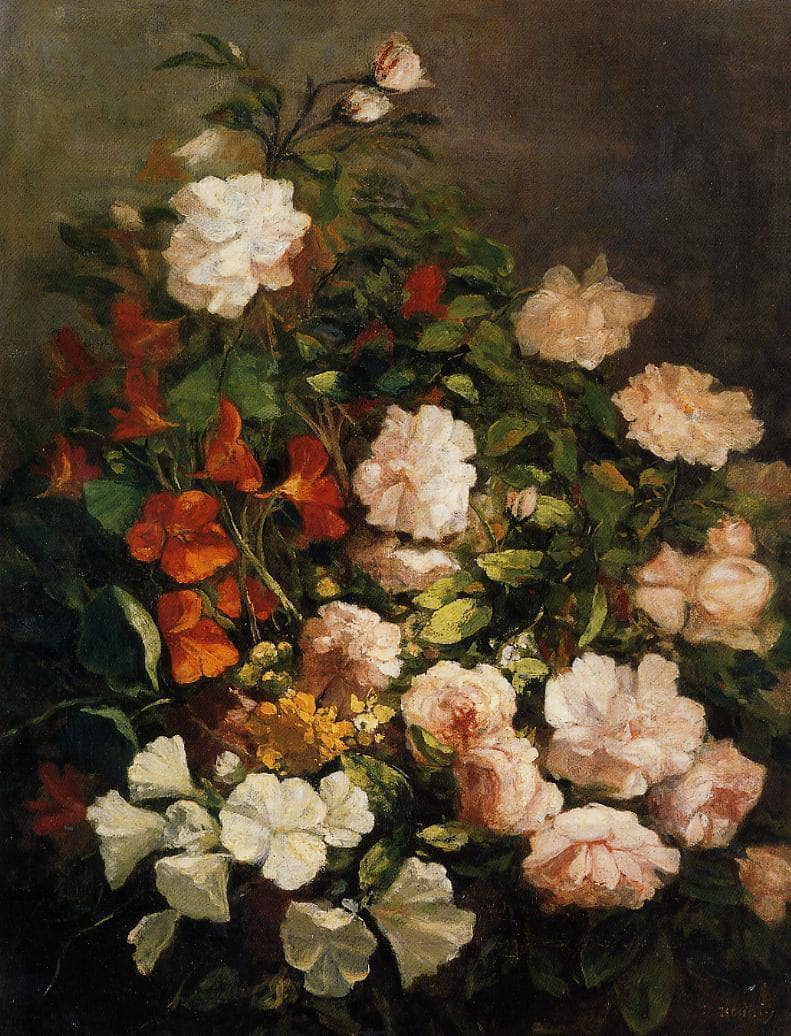
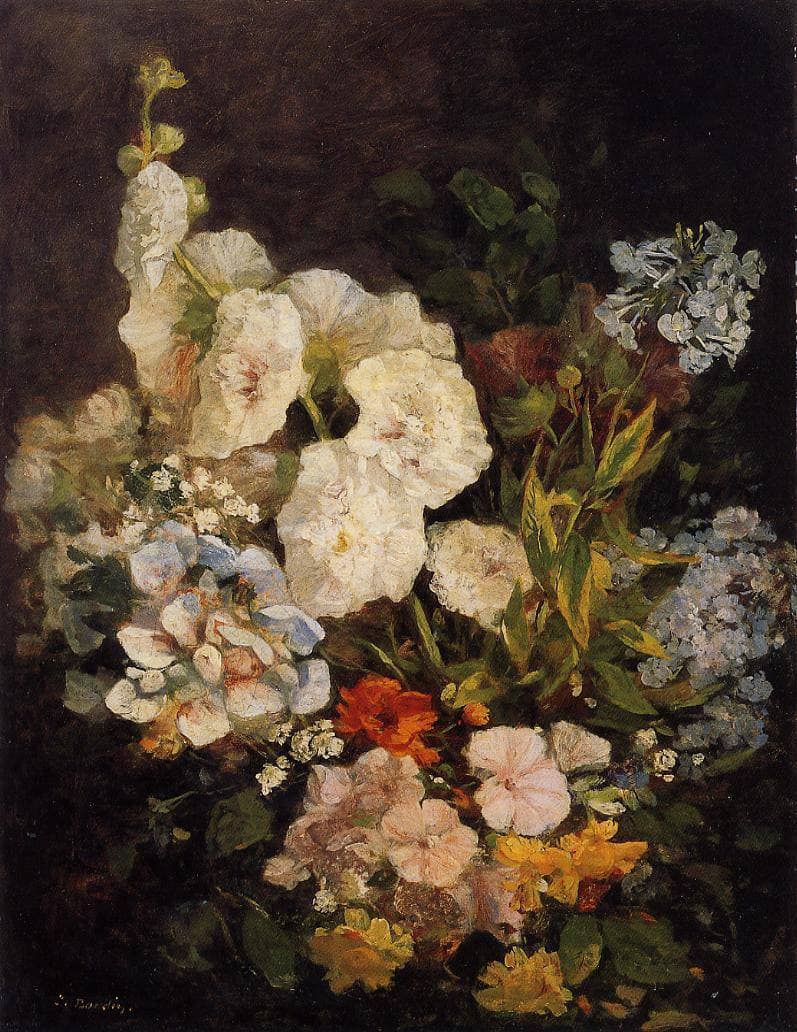
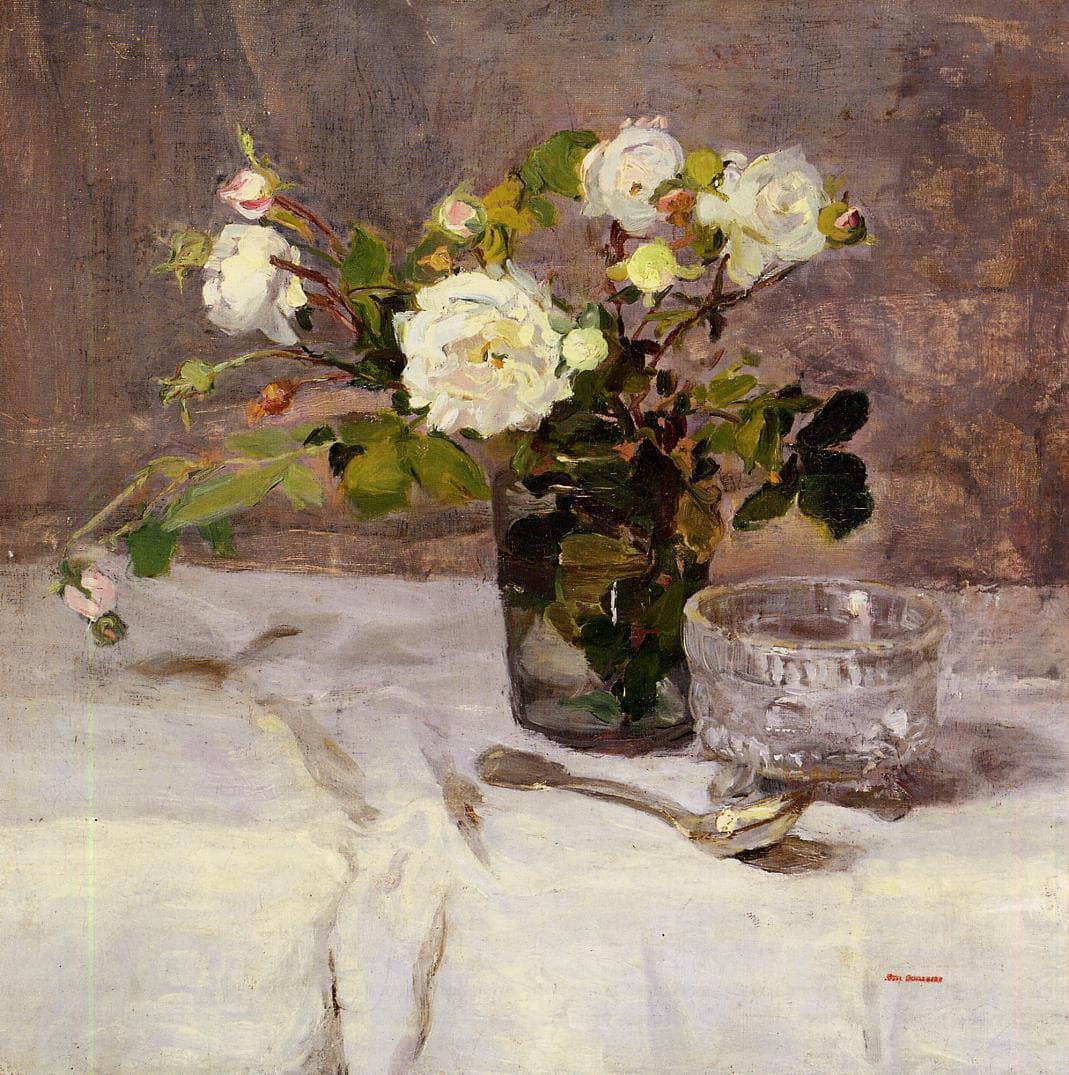
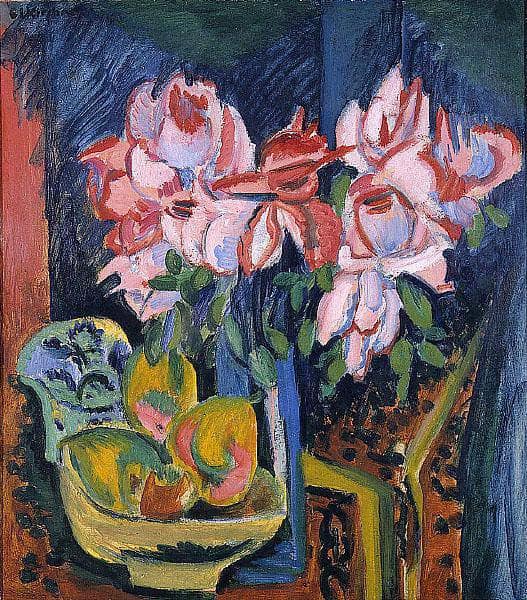
Ernst Ludwig Kirchner's "Pink Roses" is a stunning example of Expressionism, where vibrant colors evoke deep emotions. The painting features a rich array of pink hues, symbolizing love and beauty, contrasted with lush greens that represent life and vitality. Kirchner's bold use of color creates a dynamic visual experience, inviting viewers to feel the passion and energy embedded in the floral composition.
Brushwork Techniques: Capturing Movement and Life in Stillness
Kirchner's brushwork in "Pink Roses" is both expressive and deliberate. He employs thick, impasto strokes that add texture and depth, making the flowers appear almost alive. This technique captures the essence of the roses, showcasing their delicate petals and intricate details. The movement within the brushstrokes conveys a sense of spontaneity, reflecting Kirchner's desire to capture the fleeting beauty of nature.
The Symbolism of Pink Roses: Love, Beauty, and Transience
Cultural Significance: The Role of Roses in Art History
Roses have long been a symbol of love and beauty in art history. From the romantic works of the Renaissance to the modern interpretations of the 20th century, roses represent the complexity of human emotions. Kirchner's "Pink Roses" fits into this rich tradition, offering a fresh perspective on the timeless flower. The painting invites viewers to explore the deeper meanings behind the roses, including themes of transience and the ephemeral nature of beauty.
Personal Interpretation: What Pink Roses Represent to Kirchner
For Kirchner, the pink roses may symbolize his own experiences with love and longing. The vibrant colors reflect his emotional state, while the arrangement of the flowers suggests a moment frozen in time. This personal connection adds layers of meaning to the artwork, allowing viewers to engage with Kirchner's inner world and the emotions he sought to express through his art.
Contextualizing Kirchner: The Artist's Life and Influences
Early Life: How Kirchner's Background Shaped His Art
Born in 1880 in Aschaffenburg, Germany, Kirchner's early life was marked by a deep appreciation for nature and art. His upbringing in the picturesque German landscape influenced his artistic vision. The natural beauty surrounding him inspired his use of color and form, which became hallmarks of his style. Kirchner's experiences shaped his understanding of the world, leading him to explore themes of identity and emotion in his work.
The Die Brücke Movement: A Catalyst for Kirchner's Style
Kirchner was a founding member of the Die Brücke (The Bridge) movement, which sought to break away from traditional artistic conventions. This group of artists embraced Expressionism, focusing on emotional expression and individual perspective. "Pink Roses" embodies the spirit of Die Brücke, showcasing Kirchner's innovative approach to floral representation and his desire to convey raw emotion through art.
Influences from Nature: The Impact of the German Landscape
The German landscape played a crucial role in shaping Kirchner's artistic vision. The vibrant colors and diverse flora inspired his work, including "Pink Roses." Kirchner often painted en plein air, immersing himself in nature to capture its essence. This connection to the natural world is evident in the lively colors and dynamic forms of the roses, reflecting the beauty he found in his surroundings.
Visual Analysis: Dissecting the Elements of Pink Roses
Color Theory: The Use of Pink and Green in the Composition
In "Pink Roses," Kirchner expertly employs color theory to create harmony and contrast. The soft pinks of the roses stand out against the rich greens of the leaves, drawing the viewer's eye. This color combination not only enhances the visual appeal but also evokes feelings of warmth and tranquility. The interplay of colors invites viewers to explore the emotional depth of the painting.
Form and Structure: The Arrangement of Roses and Leaves
The composition of "Pink Roses" is carefully arranged, with the flowers positioned to create a sense of balance and movement. Kirchner's attention to form highlights the natural beauty of the roses, while the surrounding leaves add depth and context. This thoughtful arrangement allows the viewer to appreciate the intricate details of each flower, showcasing Kirchner's skill as a painter.
Light and Shadow: Creating Depth in a Two-Dimensional Space
Kirchner masterfully uses light and shadow to create depth in "Pink Roses." The interplay of light across the petals adds dimension, making the flowers appear three-dimensional. This technique enhances the overall realism of the painting, inviting viewers to engage with the artwork on a deeper level. The careful manipulation of light and shadow reflects Kirchner's understanding of how to create a captivating visual experience.
Artistic Legacy: Kirchner's Impact on Modern Art and Floral Representations
Influence on Future Generations: How Kirchner Inspired Contemporary Artists
Kirchner's innovative approach to floral painting has left a lasting impact on modern art. His bold use of color and emotional expression has inspired countless contemporary artists. Many have adopted his techniques, exploring the emotional resonance of flowers in their own work. Kirchner's legacy continues to influence the art world, encouraging artists to push boundaries and explore new forms of expression.
Floral Art in Modernism: The Evolution of Flower Paintings Post-Kirchner
Following Kirchner's contributions, floral art evolved significantly within the modernist movement. Artists began to experiment with abstraction and new materials, inspired by Kirchner's emotional depth. The representation of flowers transformed, with many artists seeking to capture not just the physical beauty but also the emotional essence of their subjects. Kirchner's "Pink Roses" remains a pivotal work in this evolution, showcasing the power of flowers as a means of expression.
Collecting Kirchner: The Appeal of Pink Roses in Art Collections
Market Trends: The Value of Kirchner's Works in Today's Art Scene
Ernst Ludwig Kirchner's works, including "Pink Roses," are highly sought after in today's art market. Collectors appreciate the emotional depth and vibrant colors that characterize his paintings. The value of Kirchner's art continues to rise, making it a wise investment for art enthusiasts. His unique style and historical significance contribute to the growing demand for his works.
Art Reproductions: Why Collectors Seek High-Quality Replicas
Art reproductions of Kirchner's "Pink Roses" offer collectors a chance to own a piece of his legacy. Unlike standard prints, high-quality reproductions capture the texture and vibrancy of the original painting. These reproductions allow art lovers to enjoy the beauty of Kirchner's work in their own homes. Investing in a reproduction means bringing the emotional power of "Pink Roses" into your space, enriching your environment with its artistic brilliance.
FAQs About Pink Roses by Ernst Ludwig Kirchner
What inspired Ernst Ludwig Kirchner to paint Pink Roses?
Kirchner was inspired by the beauty of nature and his emotional experiences, which he sought to express through vibrant colors and dynamic forms.
What techniques did Kirchner use to create the texture in Pink Roses?
Kirchner used thick, impasto brushstrokes to create texture, making the flowers appear lively and three-dimensional.
How does Pink Roses reflect the themes of Expressionism?
The painting embodies Expressionism through its bold colors and emotional depth, capturing the essence of love and beauty.
What is the significance of the colors used in Pink Roses?
The pinks symbolize love and beauty, while the greens represent life, creating a harmonious and emotionally resonant composition.
How does Pink Roses compare to other floral paintings by Kirchner?
While all of Kirchner's floral works share emotional depth, "Pink Roses" stands out for its vibrant color palette and dynamic brushwork.
Are there any notable exhibitions featuring Pink Roses?
Yes, "Pink Roses" has been featured in various exhibitions showcasing Kirchner's work, highlighting its significance in the Expressionist movement.
What should I know about reproducing Kirchner's Pink Roses?
When reproducing "Pink Roses," it's essential to focus on capturing the texture and vibrant colors to reflect the original's emotional impact.
Original: $249.95
-70%$249.95
$74.98Product Information
Product Information
Shipping & Returns
Shipping & Returns
Description
Exploring the Vibrant World of Pink Roses by Ernst Ludwig Kirchner
Artistic Vision: Kirchner's Unique Approach to Floral Composition
Expressionism and Color: The Emotional Palette of Pink Roses
Ernst Ludwig Kirchner's "Pink Roses" is a stunning example of Expressionism, where vibrant colors evoke deep emotions. The painting features a rich array of pink hues, symbolizing love and beauty, contrasted with lush greens that represent life and vitality. Kirchner's bold use of color creates a dynamic visual experience, inviting viewers to feel the passion and energy embedded in the floral composition.
Brushwork Techniques: Capturing Movement and Life in Stillness
Kirchner's brushwork in "Pink Roses" is both expressive and deliberate. He employs thick, impasto strokes that add texture and depth, making the flowers appear almost alive. This technique captures the essence of the roses, showcasing their delicate petals and intricate details. The movement within the brushstrokes conveys a sense of spontaneity, reflecting Kirchner's desire to capture the fleeting beauty of nature.
The Symbolism of Pink Roses: Love, Beauty, and Transience
Cultural Significance: The Role of Roses in Art History
Roses have long been a symbol of love and beauty in art history. From the romantic works of the Renaissance to the modern interpretations of the 20th century, roses represent the complexity of human emotions. Kirchner's "Pink Roses" fits into this rich tradition, offering a fresh perspective on the timeless flower. The painting invites viewers to explore the deeper meanings behind the roses, including themes of transience and the ephemeral nature of beauty.
Personal Interpretation: What Pink Roses Represent to Kirchner
For Kirchner, the pink roses may symbolize his own experiences with love and longing. The vibrant colors reflect his emotional state, while the arrangement of the flowers suggests a moment frozen in time. This personal connection adds layers of meaning to the artwork, allowing viewers to engage with Kirchner's inner world and the emotions he sought to express through his art.
Contextualizing Kirchner: The Artist's Life and Influences
Early Life: How Kirchner's Background Shaped His Art
Born in 1880 in Aschaffenburg, Germany, Kirchner's early life was marked by a deep appreciation for nature and art. His upbringing in the picturesque German landscape influenced his artistic vision. The natural beauty surrounding him inspired his use of color and form, which became hallmarks of his style. Kirchner's experiences shaped his understanding of the world, leading him to explore themes of identity and emotion in his work.
The Die Brücke Movement: A Catalyst for Kirchner's Style
Kirchner was a founding member of the Die Brücke (The Bridge) movement, which sought to break away from traditional artistic conventions. This group of artists embraced Expressionism, focusing on emotional expression and individual perspective. "Pink Roses" embodies the spirit of Die Brücke, showcasing Kirchner's innovative approach to floral representation and his desire to convey raw emotion through art.
Influences from Nature: The Impact of the German Landscape
The German landscape played a crucial role in shaping Kirchner's artistic vision. The vibrant colors and diverse flora inspired his work, including "Pink Roses." Kirchner often painted en plein air, immersing himself in nature to capture its essence. This connection to the natural world is evident in the lively colors and dynamic forms of the roses, reflecting the beauty he found in his surroundings.
Visual Analysis: Dissecting the Elements of Pink Roses
Color Theory: The Use of Pink and Green in the Composition
In "Pink Roses," Kirchner expertly employs color theory to create harmony and contrast. The soft pinks of the roses stand out against the rich greens of the leaves, drawing the viewer's eye. This color combination not only enhances the visual appeal but also evokes feelings of warmth and tranquility. The interplay of colors invites viewers to explore the emotional depth of the painting.
Form and Structure: The Arrangement of Roses and Leaves
The composition of "Pink Roses" is carefully arranged, with the flowers positioned to create a sense of balance and movement. Kirchner's attention to form highlights the natural beauty of the roses, while the surrounding leaves add depth and context. This thoughtful arrangement allows the viewer to appreciate the intricate details of each flower, showcasing Kirchner's skill as a painter.
Light and Shadow: Creating Depth in a Two-Dimensional Space
Kirchner masterfully uses light and shadow to create depth in "Pink Roses." The interplay of light across the petals adds dimension, making the flowers appear three-dimensional. This technique enhances the overall realism of the painting, inviting viewers to engage with the artwork on a deeper level. The careful manipulation of light and shadow reflects Kirchner's understanding of how to create a captivating visual experience.
Artistic Legacy: Kirchner's Impact on Modern Art and Floral Representations
Influence on Future Generations: How Kirchner Inspired Contemporary Artists
Kirchner's innovative approach to floral painting has left a lasting impact on modern art. His bold use of color and emotional expression has inspired countless contemporary artists. Many have adopted his techniques, exploring the emotional resonance of flowers in their own work. Kirchner's legacy continues to influence the art world, encouraging artists to push boundaries and explore new forms of expression.
Floral Art in Modernism: The Evolution of Flower Paintings Post-Kirchner
Following Kirchner's contributions, floral art evolved significantly within the modernist movement. Artists began to experiment with abstraction and new materials, inspired by Kirchner's emotional depth. The representation of flowers transformed, with many artists seeking to capture not just the physical beauty but also the emotional essence of their subjects. Kirchner's "Pink Roses" remains a pivotal work in this evolution, showcasing the power of flowers as a means of expression.
Collecting Kirchner: The Appeal of Pink Roses in Art Collections
Market Trends: The Value of Kirchner's Works in Today's Art Scene
Ernst Ludwig Kirchner's works, including "Pink Roses," are highly sought after in today's art market. Collectors appreciate the emotional depth and vibrant colors that characterize his paintings. The value of Kirchner's art continues to rise, making it a wise investment for art enthusiasts. His unique style and historical significance contribute to the growing demand for his works.
Art Reproductions: Why Collectors Seek High-Quality Replicas
Art reproductions of Kirchner's "Pink Roses" offer collectors a chance to own a piece of his legacy. Unlike standard prints, high-quality reproductions capture the texture and vibrancy of the original painting. These reproductions allow art lovers to enjoy the beauty of Kirchner's work in their own homes. Investing in a reproduction means bringing the emotional power of "Pink Roses" into your space, enriching your environment with its artistic brilliance.
FAQs About Pink Roses by Ernst Ludwig Kirchner
What inspired Ernst Ludwig Kirchner to paint Pink Roses?
Kirchner was inspired by the beauty of nature and his emotional experiences, which he sought to express through vibrant colors and dynamic forms.
What techniques did Kirchner use to create the texture in Pink Roses?
Kirchner used thick, impasto brushstrokes to create texture, making the flowers appear lively and three-dimensional.
How does Pink Roses reflect the themes of Expressionism?
The painting embodies Expressionism through its bold colors and emotional depth, capturing the essence of love and beauty.
What is the significance of the colors used in Pink Roses?
The pinks symbolize love and beauty, while the greens represent life, creating a harmonious and emotionally resonant composition.
How does Pink Roses compare to other floral paintings by Kirchner?
While all of Kirchner's floral works share emotional depth, "Pink Roses" stands out for its vibrant color palette and dynamic brushwork.
Are there any notable exhibitions featuring Pink Roses?
Yes, "Pink Roses" has been featured in various exhibitions showcasing Kirchner's work, highlighting its significance in the Expressionist movement.
What should I know about reproducing Kirchner's Pink Roses?
When reproducing "Pink Roses," it's essential to focus on capturing the texture and vibrant colors to reflect the original's emotional impact.