🚚 Free Worldwide Shipping on All Orders!Shop Now

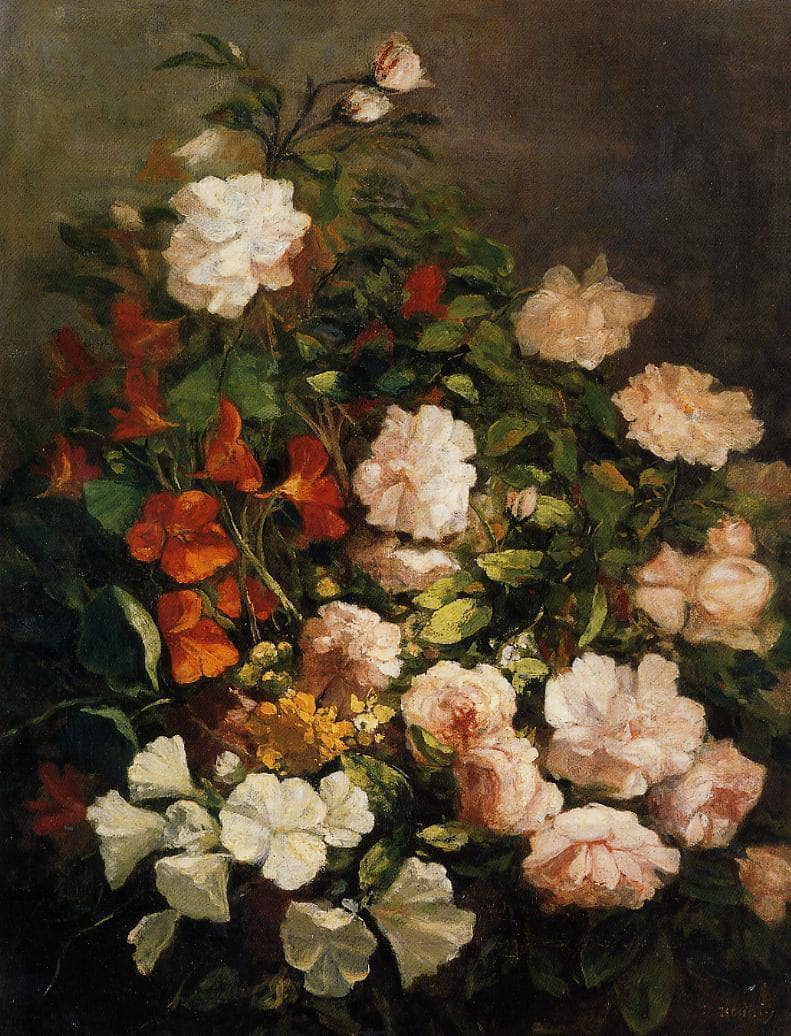
Spray of Flowers
Discovering the Beauty of "Spray of Flowers" by Eugene Boudin
Introduction to Eugene Boudin: Master of Impressionism
The Life and Legacy of Eugene Boudin
Eugene Boudin (1824-1898) stands as a pivotal figure in the Impressionist movement. Born in Honfleur, France, he grew up surrounded by the stunning coastal landscapes that would inspire his art. Boudin was one of the first artists to paint en plein air, capturing the essence of nature directly from the source. His dedication to portraying the beauty of the outdoors laid the groundwork for future Impressionists like Claude Monet and Pierre-Auguste Renoir.Influences on Boudin's Artistic Style
Boudin's style was influenced by the Barbizon School, which emphasized naturalism and the beauty of rural life. He admired the works of artists like Johan Barthold Jongkind, who introduced him to the techniques of capturing light and atmosphere. Boudin's love for the sea and flowers is evident in his vibrant compositions, showcasing his deep connection to the natural world.Unveiling "Spray of Flowers": A Closer Look at the Painting
Visual Elements: Color Palette and Composition
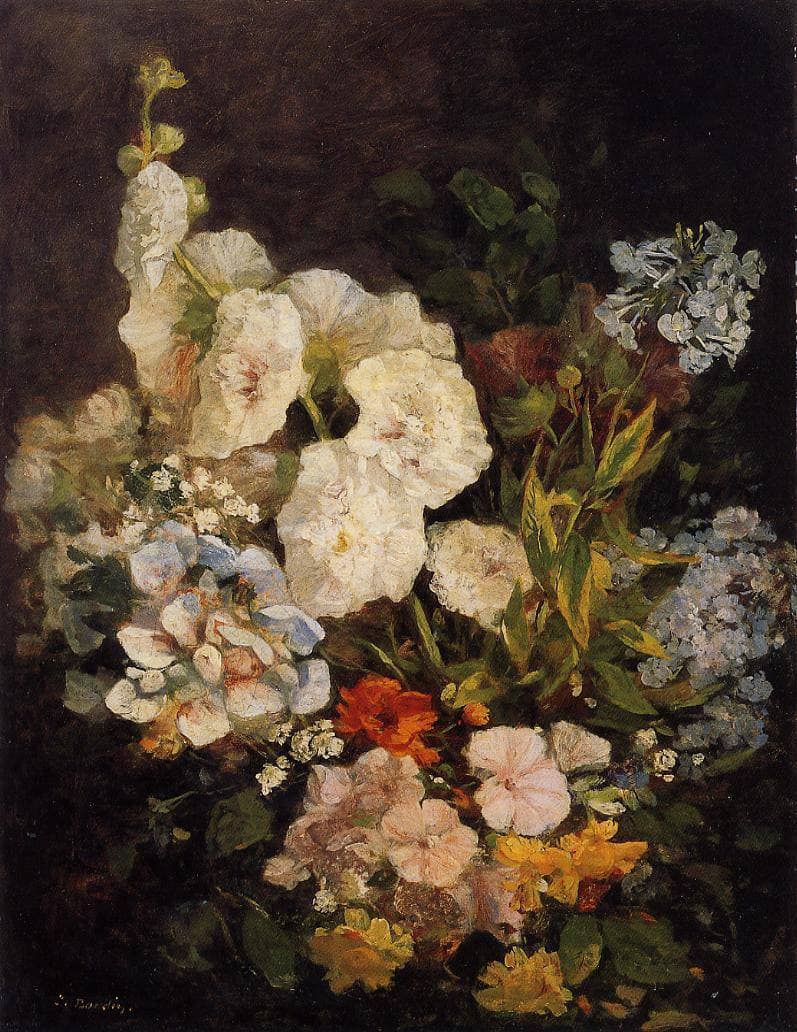
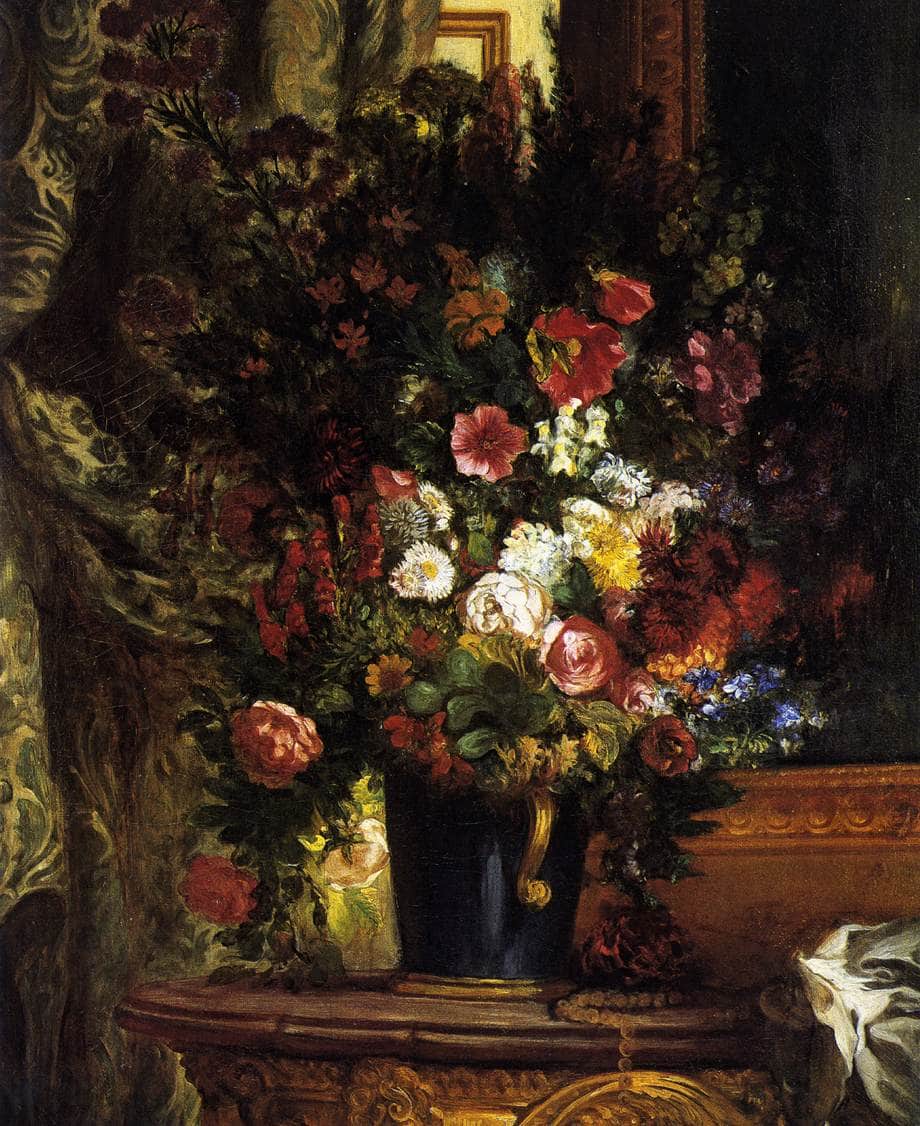
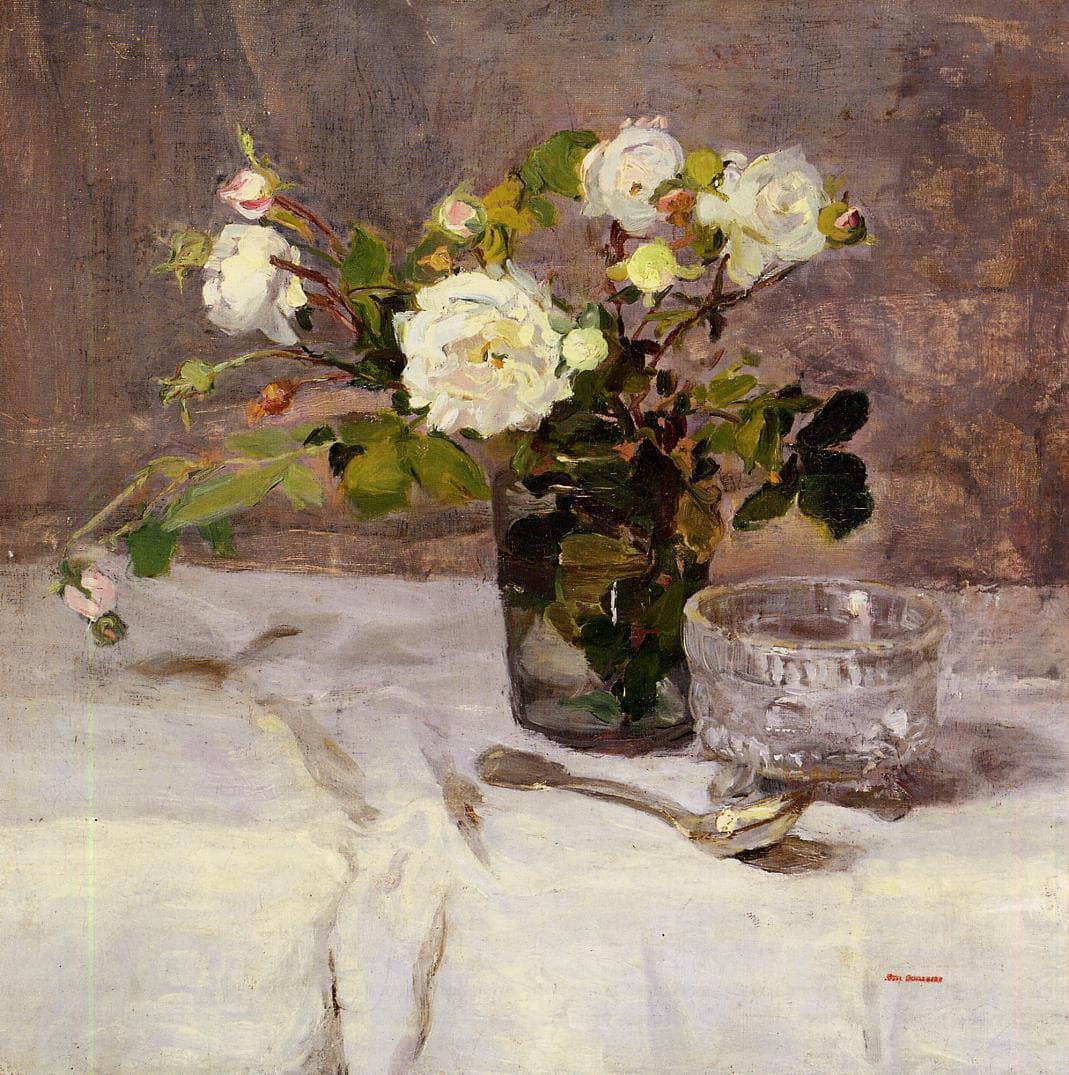
"Spray of Flowers" features a stunning array of colors, from soft pastels to vibrant hues. Boudin expertly blends shades of pink, yellow, and green, creating a harmonious composition that draws the viewer in. The arrangement of flowers is both natural and deliberate, showcasing Boudin's keen eye for balance and beauty. The painting's composition invites the viewer to explore the intricate details of each bloom.Symbolism in "Spray of Flowers": Nature's Embrace
In "Spray of Flowers," Boudin captures the essence of nature's beauty and fragility. The flowers symbolize the fleeting nature of life, reminding us to appreciate the present moment. This theme resonates deeply with viewers, evoking feelings of nostalgia and tranquility. The painting serves as a celebration of nature's bounty, inviting us to reflect on our connection to the environment.Brushwork Techniques: Capturing Light and Movement
Boudin's brushwork in "Spray of Flowers" is both dynamic and delicate. He employs short, quick strokes to create a sense of movement, as if the flowers are swaying in a gentle breeze. This technique enhances the painting's liveliness, making it feel almost three-dimensional. Boudin's mastery of light is evident, as he captures the way sunlight dances on the petals, creating a radiant effect.Thematic Exploration: Nature and Emotion in Boudin's Work
Floral Representations: A Study of Beauty and Transience
Boudin's floral paintings, including "Spray of Flowers," explore themes of beauty and transience. The vibrant blooms serve as a reminder of life's impermanence, encouraging viewers to cherish fleeting moments. Each flower tells a story, reflecting the cycle of life and the passage of time. Boudin's ability to convey emotion through his floral representations is a hallmark of his artistic genius.Connection to the Impressionist Movement
"Spray of Flowers" exemplifies Boudin's role in the Impressionist movement. His focus on light, color, and natural beauty aligns with the movement's core principles. Boudin's work paved the way for future Impressionists, emphasizing the importance of capturing the essence of a moment. His innovative techniques and dedication to nature continue to inspire artists today.Historical Context: The Era of Boudin's Creation
Artistic Trends in 19th Century France
The 19th century was a time of great change in France, with the rise of new artistic movements. Romanticism gave way to Realism and eventually Impressionism, as artists sought to break free from traditional constraints. Boudin emerged during this transformative period, embracing the beauty of everyday life and the natural world. His work reflects the shifting artistic landscape of his time.Boudin's Role in the Development of Impressionism
Eugene Boudin played a crucial role in the development of Impressionism. He was one of the first to exhibit alongside the Impressionists, showcasing his innovative approach to painting. Boudin's emphasis on outdoor scenes and natural light influenced many of his contemporaries. His legacy as a mentor to younger artists solidified his place in art history.Artistic Techniques: Understanding Boudin's Methodology
Oil Painting Techniques: Layering and Texture
Boudin's oil painting techniques are characterized by layering and texture. He often applied multiple layers of paint to create depth and richness in his works. This method allows for a vibrant interplay of colors, enhancing the overall visual impact. Boudin's skillful use of oil paints brings his floral subjects to life, making them appear almost tangible.Use of Natural Light: A Signature of Boudin's Style
Natural light is a defining feature of Boudin's paintings. He expertly captures the way light interacts with his subjects, creating a sense of warmth and vibrancy. In "Spray of Flowers," the play of light on the petals adds a luminous quality, drawing the viewer's eye. Boudin's ability to depict light is a testament to his mastery of the medium.Emotional Resonance: What "Spray of Flowers" Evokes
Personal Reflections: Viewer Interpretations
"Spray of Flowers" evokes a range of emotions in viewers. Many find a sense of peace and joy in the vibrant colors and delicate forms. The painting invites personal reflection, allowing each viewer to connect with their own experiences of nature. Boudin's work resonates on a deeply emotional level, making it a cherished piece for art lovers.Nature's Influence on Human Emotion
Nature has a profound impact on human emotions, and Boudin captures this connection beautifully. "Spray of Flowers" serves as a reminder of the calming effects of nature. The vibrant blooms and soft colors evoke feelings of happiness and tranquility, encouraging viewers to appreciate the beauty around them. Boudin's art fosters a deeper connection to the natural world.Comparative Analysis: "Spray of Flowers" and Other Works
Similarities with Boudin's Other Floral Paintings
"Spray of Flowers" shares similarities with Boudin's other floral works, showcasing his signature style. Like many of his paintings, it features a rich color palette and dynamic brushwork. Boudin's love for flowers is evident in each piece, as he captures their beauty and essence. This painting stands out as a prime example of his floral artistry.Contrasts with Contemporary Artists of the Time
While Boudin embraced Impressionism, he also maintained a unique style that set him apart from his contemporaries. Unlike some artists who focused on urban scenes, Boudin remained dedicated to nature. His emphasis on floral subjects and coastal landscapes distinguishes his work, offering a refreshing perspective within the Impressionist movement.FAQs About "Spray of Flowers" by Eugene Boudin
What inspired Eugene Boudin to paint "Spray of Flowers"?
Boudin was inspired by the beauty of nature and the vibrant flowers that surrounded him. His love for the outdoors and his desire to capture fleeting moments motivated him to create "Spray of Flowers."What techniques did Boudin use in "Spray of Flowers"?
Boudin used oil painting techniques, focusing on layering and texture. His dynamic brushwork and mastery of light create a lively and radiant composition.How does "Spray of Flowers" reflect the Impressionist movement?
"Spray of Flowers" reflects the Impressionist movement through its emphasis on light, color, and natural beauty. Boudin's innovative approach to capturing the essence of a moment aligns with Impressionist principles.What emotions does "Spray of Flowers" evoke in viewers?
Viewers often feel peace, joy, and nostalgia when experiencing "Spray of Flowers." The vibrant colors and delicate forms invite personal reflection and connection to nature.Where can I see the original "Spray of Flowers" painting?
The original "Spray of Flowers" by Eugene Boudin is housed in a prominent art collection, where it can be appreciated by art enthusiasts and visitors alike.FAQs About the Painting Reproduction
What should I consider when purchasing a reproduction of "Spray of Flowers"?
When purchasing a reproduction of "Spray of Flowers," consider the quality of materials used, the accuracy of colors, and the craftsmanship of the reproduction. Look for reputable sources that specialize in high-quality art reproductions.How can I ensure the quality of a reproduction of Boudin's work?
To ensure the quality of a reproduction, choose a provider that uses archival materials and expert printing techniques. A well-crafted painting reproduction will capture the essence of Boudin's original work, offering a superior alternative to standard prints.Select Size
From $89.98
Original: $299.95
-70%Spray of Flowers—
$299.95
$89.98Product Information
Product Information
Shipping & Returns
Shipping & Returns