🚚 Free Worldwide Shipping on All Orders!Shop Now

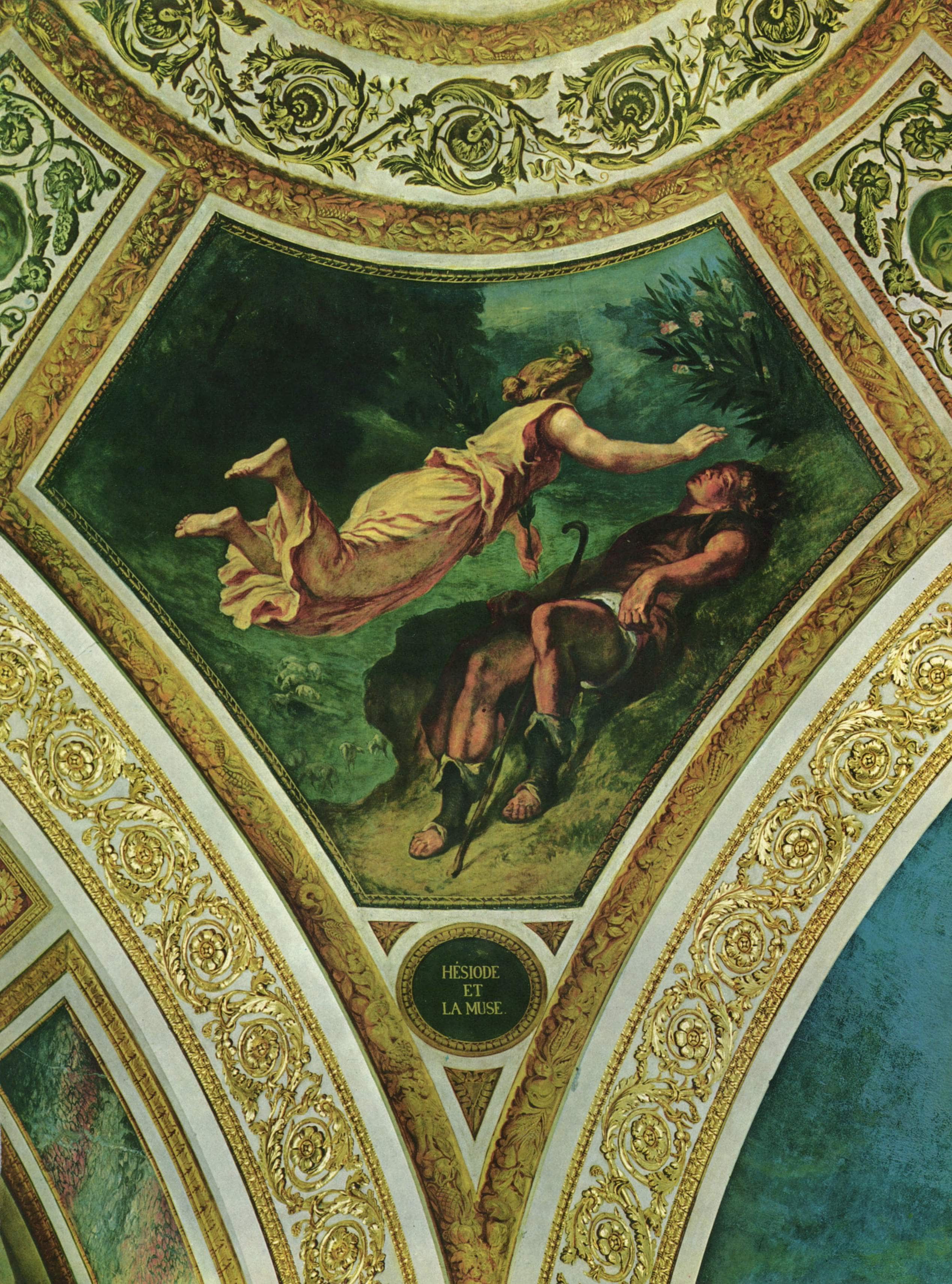
Hesiod and the Muse
Exploring the Artistic Brilliance of "Hesiod and the Muse" by EugÉne Delacroix
Delacroix's Mastery: A Deep Dive into Romanticism
The Influence of Romanticism on Delacroix's Work
EugÉne Delacroix stands as a pivotal figure in the Romantic movement, which emphasized emotion, nature, and individualism. His painting "Hesiod and the Muse" captures the essence of Romanticism through its dramatic expressions and vibrant colors. Delacroix's work often reflects the tumultuous spirit of the 19th century, showcasing a deep connection to literature and mythology.Key Characteristics of Delacroix's Artistic Style
Delacroix's style is marked by bold brushwork, rich color palettes, and dynamic compositions. He often used swirling forms and intense contrasts to evoke feelings of passion and drama. In "Hesiod and the Muse," these characteristics come together to create a powerful visual narrative that draws viewers into the world of ancient Greek poetry.Unveiling the Narrative: The Story Behind "Hesiod and the Muse"
Understanding Hesiod: The Poet of Ancient Greece
Hesiod, a seminal figure in ancient Greek literature, is known for his works like "Theogony" and "Works and Days." He is often regarded as the father of didactic poetry. In "Hesiod and the Muse," Delacroix portrays Hesiod as a symbol of inspiration and creativity, emphasizing the importance of the muse in the artistic process.The Role of the Muse: Inspiration in Art and Literature
In Greek mythology, the Muses are goddesses who inspire creativity in the arts and sciences. Delacroix's depiction of the Muse in this painting highlights her role as a source of divine inspiration. This connection between the artist and the muse reflects the Romantic ideal of seeking beauty and truth through emotional expression.Symbolism in "Hesiod and the Muse": A Closer Look
Delacroix infuses "Hesiod and the Muse" with rich symbolism. The Muse, often depicted with a lyre, represents artistic inspiration, while Hesiod's contemplative pose suggests a deep connection to his craft. The interplay of light and shadow further enhances the emotional depth of the scene, inviting viewers to explore the relationship between the poet and his muse.Visual Elements: Composition and Color in Delacroix's Painting
Color Palette: The Emotional Impact of Color Choices
Delacroix's color palette in "Hesiod and the Muse" is both vibrant and evocative. He employs deep blues, warm earth tones, and striking reds to convey a sense of passion and intensity. These colors not only enhance the emotional impact of the painting but also reflect the tumultuous nature of the Romantic spirit.Composition Techniques: Balance and Movement in the Artwork
The composition of "Hesiod and the Muse" is masterfully balanced, with Hesiod positioned prominently while the Muse gracefully interacts with him. Delacroix uses diagonal lines to create a sense of movement, drawing the viewer's eye across the canvas. This dynamic arrangement adds to the painting's overall energy and emotional resonance.Figures and Forms: Analyzing the Characters in the Painting
In "Hesiod and the Muse," the figures are rendered with a sense of realism and vitality. Hesiod's thoughtful expression contrasts with the Muse's ethereal beauty, highlighting the tension between inspiration and the creative process. Delacroix's attention to detail in their clothing and expressions adds depth to their characters, making them relatable and compelling.Historical Context: The Era of Delacroix and Its Influence
The Cultural Landscape of 19th Century France
The 19th century was a time of great change in France, marked by political upheaval and cultural transformation. Romanticism emerged as a response to the Enlightenment's rationalism, celebrating emotion and individual experience. Delacroix's work reflects this cultural shift, as he sought to capture the complexities of human emotion and the beauty of nature.Delacroix's Place Among His Contemporaries
Delacroix was a contemporary of artists like Théodore Géricault and Gustave Courbet. While Géricault focused on dramatic subjects, Delacroix explored themes of passion and the sublime. His unique approach to color and composition set him apart, influencing future movements such as Impressionism and Symbolism.How Historical Events Shaped Delacroix's Artistic Vision
Historical events, such as the July Revolution of 1830, deeply influenced Delacroix's work. His desire to express the struggles and triumphs of the human spirit is evident in "Hesiod and the Muse." The painting serves as a reflection of the artist's response to the tumultuous times, emphasizing the enduring power of art and inspiration.Artistic Techniques: Brushwork and Texture in "Hesiod and the Muse"
Exploring Delacroix's Signature Brushwork
Delacroix's brushwork in "Hesiod and the Muse" is both expressive and fluid. He employs loose, energetic strokes that create a sense of movement and life within the painting. This technique allows the viewer to feel the emotional intensity of the scene, drawing them into the world of Hesiod and the Muse.The Use of Light and Shadow: Creating Depth and Dimension
Light and shadow play a crucial role in Delacroix's composition. He skillfully uses chiaroscuro to create depth and dimension, enhancing the three-dimensional quality of the figures. This technique adds drama to the painting, emphasizing the emotional weight of the moment.Texture and Detail: Enhancing the Visual Experience
Delacroix's attention to texture is evident in the intricate details of the clothing and the flowing hair of the Muse. The rich textures invite viewers to explore the painting closely, revealing the artist's meticulous craftsmanship. This level of detail enhances the overall visual experience, making "Hesiod and the Muse" a captivating work of art.Legacy and Influence: The Impact of "Hesiod and the Muse" on Future Artists
How Delacroix Inspired Subsequent Generations of Artists
Delacroix's innovative techniques and emotional depth have inspired countless artists. His approach to color and composition influenced the Impressionists, who sought to capture light and movement in their work. "Hesiod and the Muse" remains a testament to Delacroix's lasting impact on the art world.The Painting's Role in Art History and Education
"Hesiod and the Muse" is often studied in art history courses for its rich symbolism and masterful execution. It serves as an example of Romantic ideals and the importance of inspiration in the creative process. The painting continues to be a source of inspiration for artists and students alike.FAQs About "Hesiod and the Muse" by EugÉne Delacroix
What is the significance of Hesiod in Greek literature?
Hesiod is significant for his contributions to Greek literature, particularly in the development of didactic poetry. His works explore themes of morality, labor, and the divine, influencing generations of poets and writers.How does Delacroix portray the concept of inspiration in this painting?
Delacroix portrays inspiration through the interaction between Hesiod and the Muse. The Muse's presence symbolizes the divine spark that ignites creativity, while Hesiod's contemplative expression reflects the artist's journey toward understanding and expression.What are the main themes explored in "Hesiod and the Muse"?
The main themes include the relationship between the artist and inspiration, the struggle for creative expression, and the celebration of the poetic spirit. Delacroix captures the essence of artistic endeavor through the lens of Greek mythology.What techniques did Delacroix use to convey emotion in this artwork?
Delacroix used vibrant colors, dynamic compositions, and expressive brushwork to convey emotion. The interplay of light and shadow further enhances the emotional depth, inviting viewers to connect with the characters on a personal level.How does "Hesiod and the Muse" reflect the ideals of Romanticism?
The painting reflects Romantic ideals through its emphasis on emotion, individual experience, and the beauty of nature. Delacroix's portrayal of the Muse as a source of inspiration aligns with the Romantic belief in the power of the artist's imagination.FAQs About the Painting Reproduction
What should I consider when purchasing a reproduction of "Hesiod and the Muse"?
When purchasing a reproduction, consider the quality of materials used, the accuracy of color matching, and the level of detail. A high-quality painting reproduction will capture the essence of Delacroix's original work far better than a simple print.How can I ensure the quality of the reproduction matches the original artwork?
To ensure quality, look for reproductions created by skilled artists who specialize in oil painting techniques. Check for reviews and testimonials to gauge the reputation of the reproduction company. A superior reproduction will reflect the texture and vibrancy of the original painting, providing a more authentic experience.Select Size
From $89.98
Original: $299.95
-70%Hesiod and the Muse—
$299.95
$89.98Product Information
Product Information
Shipping & Returns
Shipping & Returns