🚚 Free Worldwide Shipping on All Orders!Shop Now

Laocoon
Exploring the Masterpiece: Laocoon by El Greco
Historical Context of Laocoon: A Glimpse into the 16th Century
The Influence of the Spanish Renaissance on El Greco's Work
El Greco, born Domenikos Theotokopoulos, created "Laocoon" during the Spanish Renaissance, a period marked by vibrant artistic expression and cultural flourishing. This era saw a blend of classical themes with innovative techniques. El Greco's unique background as a Greek artist living in Spain allowed him to merge Byzantine influences with the emerging styles of the Renaissance. His work reflects the spiritual and emotional depth characteristic of this transformative time.Artistic Movements: Mannerism and Its Impact on Laocoon
Mannerism, an artistic movement that emerged in the late Renaissance, significantly influenced El Greco's "Laocoon." This style is known for its elongated forms, complex compositions, and emotional intensity. In "Laocoon," the figures exhibit exaggerated poses and dramatic expressions, showcasing the tension and struggle against fate. This Mannerist approach adds a layer of complexity, inviting viewers to engage with the emotional turmoil depicted in the scene.Symbolism and Themes in Laocoon: Decoding the Visual Language
The Struggle Against Fate: Analyzing the Central Figures
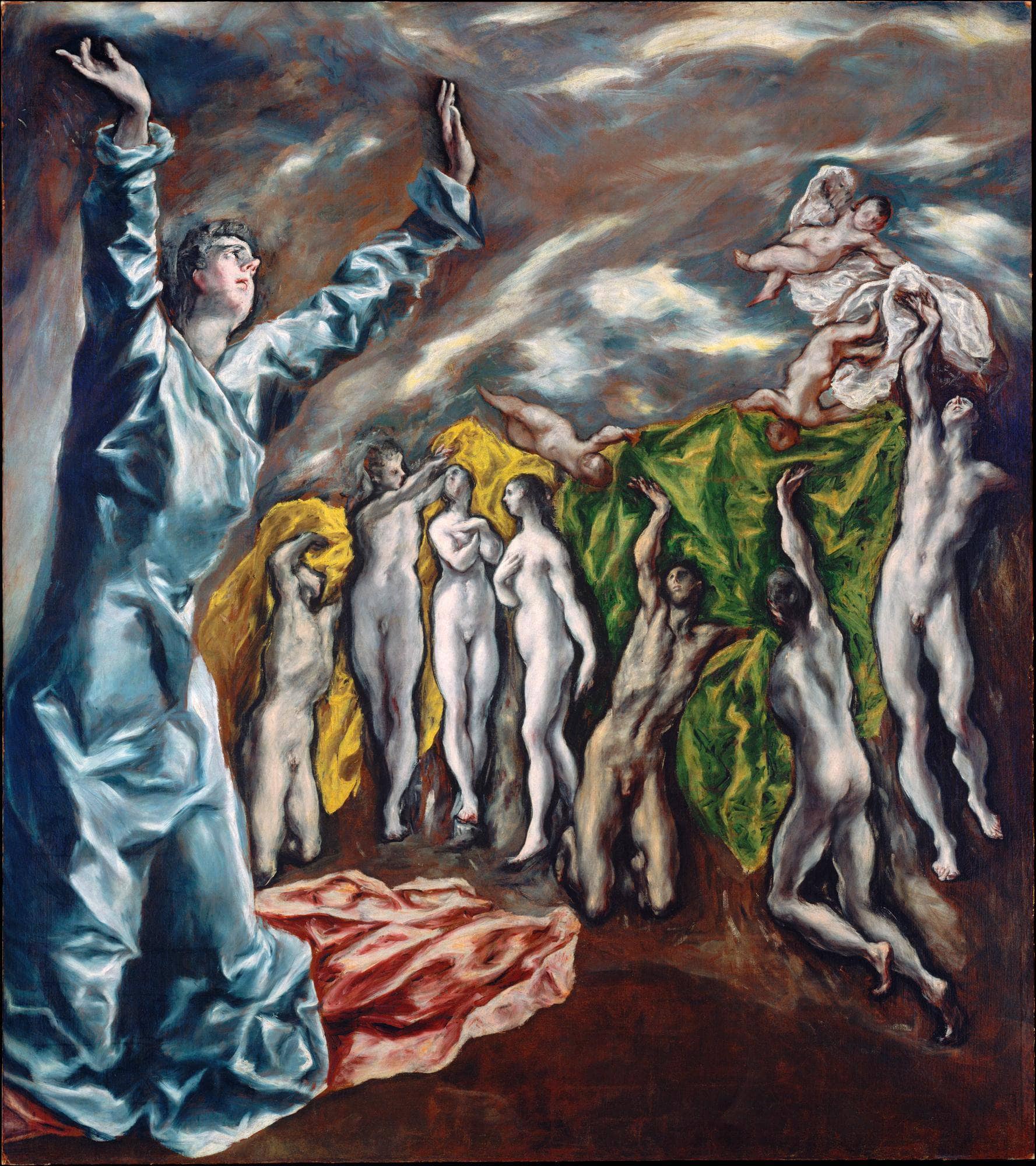
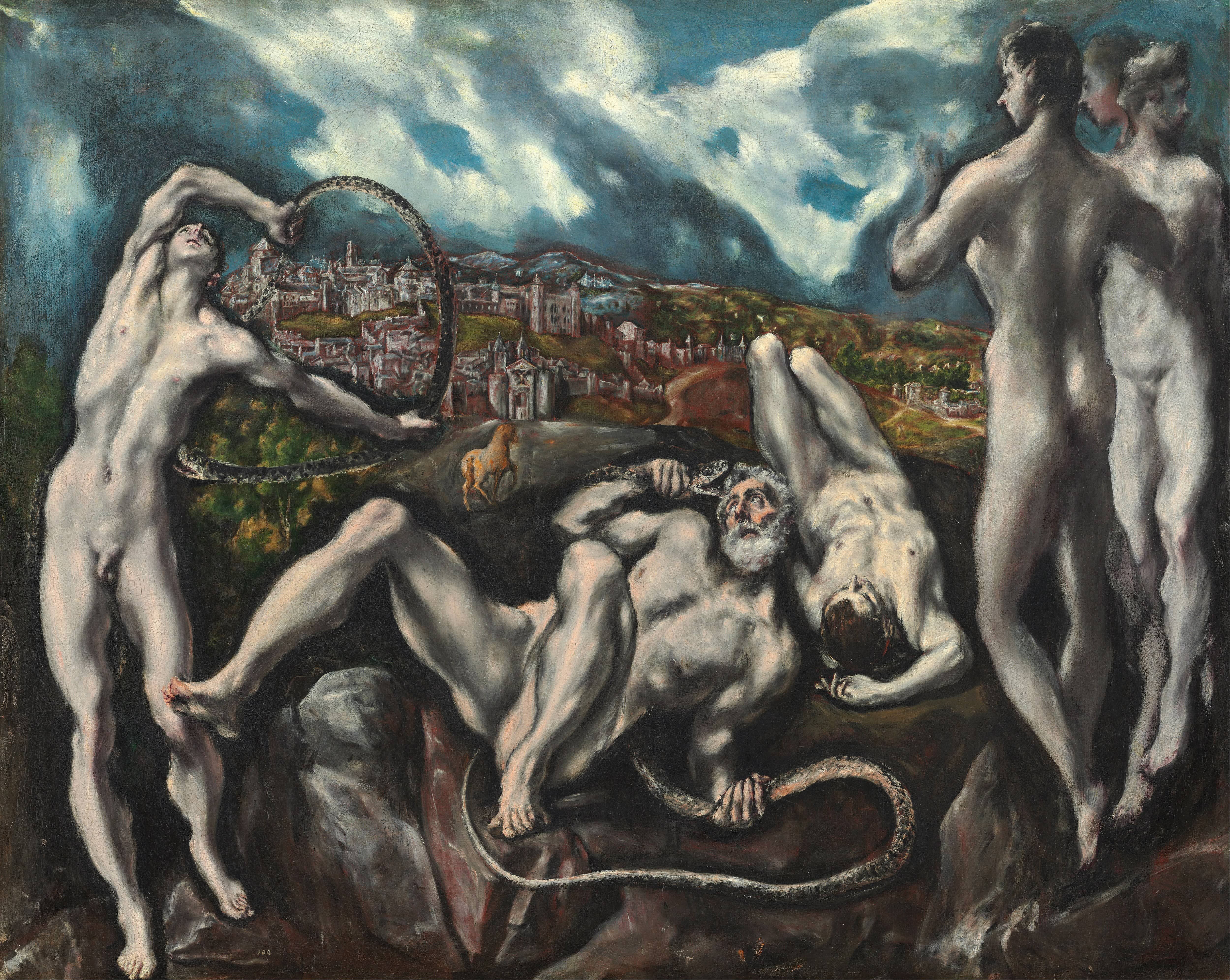
At the heart of "Laocoon" lies the theme of struggle against fate. The central figures, Laocoon and his sons, are depicted in a moment of desperate resistance against the serpents sent by the gods. This powerful imagery symbolizes the human condition and the inevitable confrontation with destiny. The anguish on their faces and the dynamic movement of their bodies evoke a visceral response, drawing viewers into their plight.Religious Undertones: The Connection to Greek Mythology
"Laocoon" also intertwines religious themes with Greek mythology. Laocoon, a Trojan priest, warned his fellow citizens against bringing the wooden horse into Troy. His punishment by the gods serves as a cautionary tale about the consequences of defying divine will. El Greco's portrayal of this mythological figure resonates with the spiritual struggles of humanity, reflecting the artist's deep interest in the intersection of faith and fate.El Greco's Unique Style: Techniques and Characteristics in Laocoon
Brushwork and Color Palette: A Study of Vibrancy and Emotion
El Greco's "Laocoon" showcases his masterful brushwork and vibrant color palette. The swirling strokes create a sense of movement, while the rich hues of reds, blues, and greens evoke strong emotions. This dynamic use of color not only enhances the drama of the scene but also reflects the inner turmoil of the characters. The contrast between light and shadow adds depth, making the figures appear almost three-dimensional.Composition and Perspective: The Dramatic Arrangement of Figures
The composition of "Laocoon" is striking, with figures arranged in a triangular formation that draws the viewer's eye to the center of the action. El Greco's use of perspective creates a sense of depth, making the viewer feel as if they are part of the unfolding drama. The placement of the serpents and the anguished expressions of Laocoon and his sons heighten the emotional impact, inviting contemplation of their tragic fate.Laocoon's Cultural Significance: Impact on Art and Literature
Influence on Later Artists: From Baroque to Modernism
"Laocoon" has left a lasting legacy on the art world, influencing artists from the Baroque period to modernism. Its emotional intensity and dramatic composition inspired painters like Caravaggio and Rubens, who sought to capture similar themes of struggle and human emotion. The painting's exploration of fate and divine intervention continues to resonate, making it a pivotal work in the evolution of Western art.Literary References: Laocoon in Poetry and Prose
The story of Laocoon has also permeated literature, inspiring poets and writers throughout the centuries. The themes of betrayal and divine punishment appear in various literary works, reflecting the timeless nature of the myth. El Greco's interpretation adds a visual dimension to these narratives, allowing audiences to experience the emotional weight of Laocoon's story in a new way.First-Hand Experience: Viewing Laocoon in Person
Visiting the Museo del Prado: A Personal Journey
To truly appreciate "Laocoon," a visit to the Museo del Prado in Madrid is essential. Standing before the original painting allows viewers to experience its grandeur and emotional depth firsthand. The museum's setting enhances the artwork's impact, providing context within the rich tapestry of Spanish art history.Emotional Reactions: What to Expect When Encountering Laocoon
Encountering "Laocoon" in person evokes a powerful emotional response. The anguish of the figures resonates deeply, prompting reflections on human suffering and resilience. Viewers often find themselves captivated by the painting's intensity, making it a memorable experience that lingers long after leaving the gallery.Comparative Analysis: Laocoon and Other Works by El Greco
Contrasting Themes: Laocoon vs. The Disrobing of Christ
When comparing "Laocoon" to El Greco's "The Disrobing of Christ," distinct themes emerge. While "Laocoon" focuses on the struggle against fate, "The Disrobing of Christ" explores themes of sacrifice and redemption. Both paintings showcase El Greco's emotional depth, yet they approach the human experience from different angles, highlighting the artist's versatility.Stylistic Evolution: How Laocoon Reflects El Greco's Growth
"Laocoon" serves as a testament to El Greco's artistic evolution. The painting reflects his mastery of Mannerism and foreshadows his later works, where he further explores emotional expression and spiritual themes. This piece marks a significant moment in his career, showcasing his ability to convey complex narratives through innovative techniques.FAQs About Laocoon by El Greco
What is the story behind the painting Laocoon?
"Laocoon" depicts the tragic fate of the Trojan priest Laocoon and his sons, who are attacked by serpents as punishment for warning the Trojans against the wooden horse. This mythological tale serves as a powerful commentary on fate and divine retribution.How does Laocoon reflect El Greco's artistic style?
The painting exemplifies El Greco's unique style through its dramatic use of color, elongated figures, and emotional intensity. These elements are hallmarks of his work, showcasing his ability to convey deep feelings and complex narratives.What are the main themes depicted in Laocoon?
Key themes in "Laocoon" include the struggle against fate, the consequences of defying the gods, and the emotional turmoil of the human experience. The painting invites viewers to reflect on these universal themes.Where can I see the original Laocoon painting?
The original "Laocoon" is housed in the Museo del Prado in Madrid, Spain. This renowned museum features a vast collection of European art, making it a must-visit for art enthusiasts.What techniques did El Greco use in Laocoon?
El Greco employed techniques such as dynamic brushwork, a vibrant color palette, and dramatic composition to create "Laocoon." His innovative approach enhances the emotional impact of the painting.How does Laocoon compare to other famous paintings of the time?
"Laocoon" stands out among contemporary works for its emotional depth and Mannerist style. While other artists focused on realism, El Greco's unique vision and expressive techniques set his work apart.What should I know about reproductions of Laocoon?
Art reproductions of "Laocoon" offer a superior alternative to prints, capturing the vibrancy and detail of the original painting. These reproductions allow art lovers to appreciate El Greco's masterpiece in their own homes, making it accessible to a wider audience.Select Size
From $89.98
Original: $299.95
-70%Laocoon—
$299.95
$89.98Product Information
Product Information
Shipping & Returns
Shipping & Returns