Tram and Rail
Discovering the Vibrant World of Tram and Rail by Ernst Ludwig Kirchner
Introduction to Kirchner's Expressionist Vision
The Role of Expressionism in Early 20th Century Art
Expressionism emerged as a powerful art movement in the early 20th century, emphasizing emotional experience over physical reality. Artists sought to convey deep feelings through bold colors and distorted forms. This movement was a reaction against the constraints of realism and traditional artistic norms.
Ernst Ludwig Kirchner: A Pioneer of the Die Brücke Movement
Ernst Ludwig Kirchner was a founding member of the Die Brücke (The Bridge) group, which played a crucial role in the development of Expressionism. His innovative approach combined vibrant colors with dynamic compositions, making him a key figure in modern art. Kirchner's work often reflected his fascination with urban life and the complexities of human emotions.
Unpacking the Artistic Elements of Tram and Rail
Color Palette: The Bold Use of Vibrant Hues
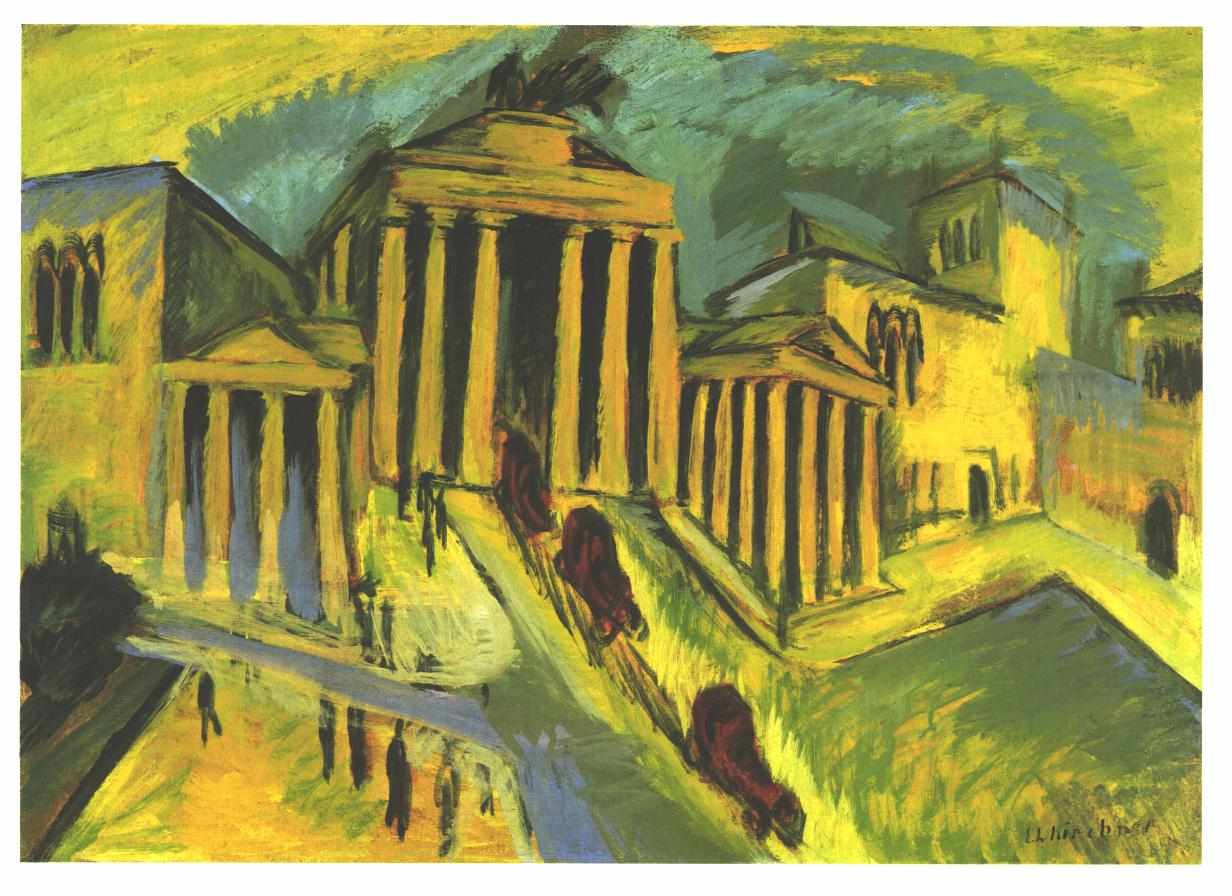
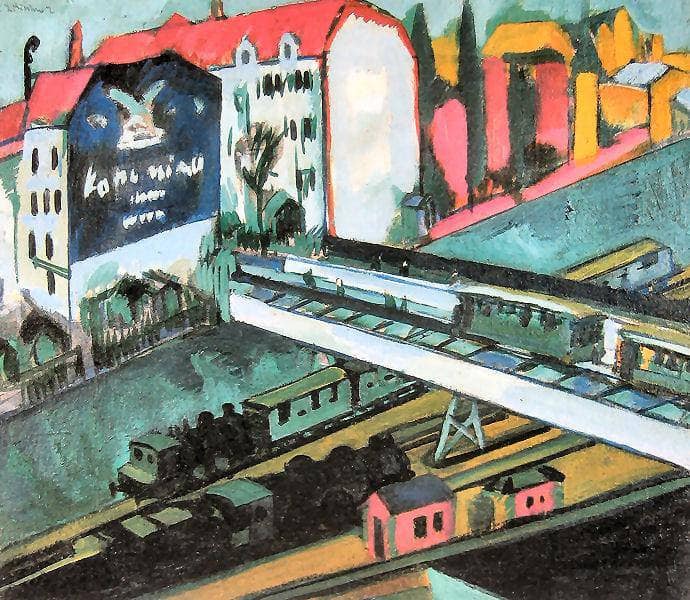
In Tram and Rail, Kirchner employs a striking color palette filled with vivid reds, greens, and yellows. These colors create a sense of energy and urgency, capturing the bustling atmosphere of early 20th-century Berlin. The bold hues not only attract the viewer's eye but also evoke strong emotional responses.
Brushwork Techniques: Capturing Movement and Emotion
Kirchner's brushwork in Tram and Rail is both expressive and fluid. He uses quick, sweeping strokes to convey movement, making the figures appear as if they are in constant motion. This technique enhances the painting's dynamic quality, immersing viewers in the lively urban scene.
Composition: The Dynamic Interaction of Figures and Environment
The composition of Tram and Rail is carefully crafted to showcase the interaction between figures and their environment. Kirchner places the tram at the center, surrounded by pedestrians, creating a sense of depth and perspective. This arrangement invites viewers to explore the relationship between the individuals and the modern cityscape.
Thematic Exploration: Urban Life and Modernity
Depicting the Pulse of City Life in Early 1900s Berlin
Tram and Rail vividly captures the essence of urban life in early 1900s Berlin. The painting reflects the rapid changes in society, as trams became a symbol of modern transportation. Kirchner's portrayal of city dwellers highlights the excitement and chaos of metropolitan living.
Symbolism of Trams: A Metaphor for Modern Existence
In this artwork, trams symbolize the fast-paced nature of modern existence. They represent not just transportation but also the interconnectedness of urban life. Kirchner uses the tram as a metaphor for the journey of life, filled with both opportunities and challenges.
Figures in Motion: The Human Experience in Urban Settings
The figures in Tram and Rail are depicted in various poses, showcasing the diversity of human experiences in the city. Some appear hurried, while others seem contemplative. This variety reflects the complexity of urban life, where individuals navigate their paths amidst the hustle and bustle.
Historical Context: Kirchner's Artistic Journey
The Influence of World War I on Kirchner's Work
World War I had a profound impact on Kirchner's art. The trauma and chaos of the war influenced his later works, leading to darker themes and more intense emotional expressions. Tram and Rail, created before the war, captures a moment of vibrant life that contrasts sharply with his later, more somber pieces.
Artistic Inspirations: From Impressionism to Expressionism
Kirchner drew inspiration from Impressionism, particularly in his use of color and light. However, he transformed these elements into a more emotional and subjective style. His transition to Expressionism allowed him to explore deeper psychological themes, making his work resonate with viewers on a personal level.
Kirchner's Personal Struggles and Their Reflection in His Art
Kirchner faced numerous personal struggles, including mental health issues and the pressures of societal expectations. These challenges often found their way into his art, influencing the themes and emotions he portrayed. Tram and Rail reflects a moment of clarity and vibrancy before the darker periods of his life.
Artistic Legacy: The Impact of Tram and Rail on Future Generations
Influence on Later Expressionist Artists
Tram and Rail has left a lasting legacy on future generations of artists. Kirchner's bold use of color and emotional depth inspired many Expressionist artists who followed. His work paved the way for new artistic explorations that prioritized personal expression and emotional resonance.
Tram and Rail in Contemporary Art Discussions
Today, Tram and Rail is often discussed in the context of modern urban life and its challenges. Contemporary artists continue to draw from Kirchner's themes, exploring the complexities of city living and the human experience. His work remains relevant as society grapples with similar issues in today's fast-paced world.
Preservation and Exhibition: Where to Experience Kirchner's Work Today
Art lovers can view Tram and Rail in various prestigious museums around the world. Institutions like the Museum of Modern Art in New York and the National Gallery in Berlin showcase Kirchner's masterpieces. These exhibitions allow visitors to appreciate the vibrancy and emotional depth of his work firsthand.
FAQs About Tram and Rail by Ernst Ludwig Kirchner
What is the significance of the tram in Kirchner's painting?
The tram symbolizes modernity and the fast-paced nature of urban life, representing the journey of individuals in a bustling city.
How does Tram and Rail reflect the themes of modernity?
Tram and Rail captures the essence of early 20th-century urban life, showcasing the excitement and chaos of a rapidly changing society.
What emotions does Kirchner convey through his use of color?
Kirchner's vibrant color palette evokes feelings of energy, urgency, and emotional intensity, drawing viewers into the scene.
In what ways did Kirchner's life experiences influence Tram and Rail?
Kirchner's personal struggles and experiences in urban settings shaped the themes and emotions depicted in Tram and Rail, reflecting his complex relationship with modernity.
Where can I view the original Tram and Rail painting?
The original Tram and Rail can be viewed at major art institutions, including the Museum of Modern Art in New York and the National Gallery in Berlin.
What should I know about reproductions of Tram and Rail?
Art reproductions of Tram and Rail offer a superior alternative to prints, capturing the texture and vibrancy of the original painting. They allow art enthusiasts to enjoy Kirchner's work in their own spaces.
How can I ensure the quality of a Tram and Rail art reproduction?
To ensure quality, look for reproductions created using high-quality materials and techniques that replicate the original's colors and textures. Choose reputable sources that specialize in art reproductions.
Original: $249.95
-70%$249.95
$74.98Product Information
Product Information
Shipping & Returns
Shipping & Returns
Description
Discovering the Vibrant World of Tram and Rail by Ernst Ludwig Kirchner
Introduction to Kirchner's Expressionist Vision
The Role of Expressionism in Early 20th Century Art
Expressionism emerged as a powerful art movement in the early 20th century, emphasizing emotional experience over physical reality. Artists sought to convey deep feelings through bold colors and distorted forms. This movement was a reaction against the constraints of realism and traditional artistic norms.
Ernst Ludwig Kirchner: A Pioneer of the Die Brücke Movement
Ernst Ludwig Kirchner was a founding member of the Die Brücke (The Bridge) group, which played a crucial role in the development of Expressionism. His innovative approach combined vibrant colors with dynamic compositions, making him a key figure in modern art. Kirchner's work often reflected his fascination with urban life and the complexities of human emotions.
Unpacking the Artistic Elements of Tram and Rail
Color Palette: The Bold Use of Vibrant Hues
In Tram and Rail, Kirchner employs a striking color palette filled with vivid reds, greens, and yellows. These colors create a sense of energy and urgency, capturing the bustling atmosphere of early 20th-century Berlin. The bold hues not only attract the viewer's eye but also evoke strong emotional responses.
Brushwork Techniques: Capturing Movement and Emotion
Kirchner's brushwork in Tram and Rail is both expressive and fluid. He uses quick, sweeping strokes to convey movement, making the figures appear as if they are in constant motion. This technique enhances the painting's dynamic quality, immersing viewers in the lively urban scene.
Composition: The Dynamic Interaction of Figures and Environment
The composition of Tram and Rail is carefully crafted to showcase the interaction between figures and their environment. Kirchner places the tram at the center, surrounded by pedestrians, creating a sense of depth and perspective. This arrangement invites viewers to explore the relationship between the individuals and the modern cityscape.
Thematic Exploration: Urban Life and Modernity
Depicting the Pulse of City Life in Early 1900s Berlin
Tram and Rail vividly captures the essence of urban life in early 1900s Berlin. The painting reflects the rapid changes in society, as trams became a symbol of modern transportation. Kirchner's portrayal of city dwellers highlights the excitement and chaos of metropolitan living.
Symbolism of Trams: A Metaphor for Modern Existence
In this artwork, trams symbolize the fast-paced nature of modern existence. They represent not just transportation but also the interconnectedness of urban life. Kirchner uses the tram as a metaphor for the journey of life, filled with both opportunities and challenges.
Figures in Motion: The Human Experience in Urban Settings
The figures in Tram and Rail are depicted in various poses, showcasing the diversity of human experiences in the city. Some appear hurried, while others seem contemplative. This variety reflects the complexity of urban life, where individuals navigate their paths amidst the hustle and bustle.
Historical Context: Kirchner's Artistic Journey
The Influence of World War I on Kirchner's Work
World War I had a profound impact on Kirchner's art. The trauma and chaos of the war influenced his later works, leading to darker themes and more intense emotional expressions. Tram and Rail, created before the war, captures a moment of vibrant life that contrasts sharply with his later, more somber pieces.
Artistic Inspirations: From Impressionism to Expressionism
Kirchner drew inspiration from Impressionism, particularly in his use of color and light. However, he transformed these elements into a more emotional and subjective style. His transition to Expressionism allowed him to explore deeper psychological themes, making his work resonate with viewers on a personal level.
Kirchner's Personal Struggles and Their Reflection in His Art
Kirchner faced numerous personal struggles, including mental health issues and the pressures of societal expectations. These challenges often found their way into his art, influencing the themes and emotions he portrayed. Tram and Rail reflects a moment of clarity and vibrancy before the darker periods of his life.
Artistic Legacy: The Impact of Tram and Rail on Future Generations
Influence on Later Expressionist Artists
Tram and Rail has left a lasting legacy on future generations of artists. Kirchner's bold use of color and emotional depth inspired many Expressionist artists who followed. His work paved the way for new artistic explorations that prioritized personal expression and emotional resonance.
Tram and Rail in Contemporary Art Discussions
Today, Tram and Rail is often discussed in the context of modern urban life and its challenges. Contemporary artists continue to draw from Kirchner's themes, exploring the complexities of city living and the human experience. His work remains relevant as society grapples with similar issues in today's fast-paced world.
Preservation and Exhibition: Where to Experience Kirchner's Work Today
Art lovers can view Tram and Rail in various prestigious museums around the world. Institutions like the Museum of Modern Art in New York and the National Gallery in Berlin showcase Kirchner's masterpieces. These exhibitions allow visitors to appreciate the vibrancy and emotional depth of his work firsthand.
FAQs About Tram and Rail by Ernst Ludwig Kirchner
What is the significance of the tram in Kirchner's painting?
The tram symbolizes modernity and the fast-paced nature of urban life, representing the journey of individuals in a bustling city.
How does Tram and Rail reflect the themes of modernity?
Tram and Rail captures the essence of early 20th-century urban life, showcasing the excitement and chaos of a rapidly changing society.
What emotions does Kirchner convey through his use of color?
Kirchner's vibrant color palette evokes feelings of energy, urgency, and emotional intensity, drawing viewers into the scene.
In what ways did Kirchner's life experiences influence Tram and Rail?
Kirchner's personal struggles and experiences in urban settings shaped the themes and emotions depicted in Tram and Rail, reflecting his complex relationship with modernity.
Where can I view the original Tram and Rail painting?
The original Tram and Rail can be viewed at major art institutions, including the Museum of Modern Art in New York and the National Gallery in Berlin.
What should I know about reproductions of Tram and Rail?
Art reproductions of Tram and Rail offer a superior alternative to prints, capturing the texture and vibrancy of the original painting. They allow art enthusiasts to enjoy Kirchner's work in their own spaces.
How can I ensure the quality of a Tram and Rail art reproduction?
To ensure quality, look for reproductions created using high-quality materials and techniques that replicate the original's colors and textures. Choose reputable sources that specialize in art reproductions.