Staberhof Farm on Fehmarn I
Exploring the Vibrant Landscape of Staberhof Farm on Fehmarn
Ernst Ludwig Kirchner: A Pioneer of Expressionism
Artistic Journey and Influences
Ernst Ludwig Kirchner, a leading figure in the Expressionist movement, was born in 1880 in Aschaffenburg, Germany. His artistic journey began in the early 1900s when he co-founded the Berlin Secession. Kirchner drew inspiration from various sources, including African art, German folklore, and the vibrant colors of the Fauvist movement. His time spent in the picturesque landscapes of Fehmarn Island profoundly influenced his work, allowing him to explore the interplay between nature and emotion.
Kirchner's Unique Style and Techniques
Kirchner's style is characterized by bold colors, dynamic forms, and expressive brushwork. He often used a palette knife to create texture, giving his paintings a tactile quality. His innovative approach to color and form set him apart from his contemporaries. Kirchner's ability to convey deep emotions through his landscapes makes his work resonate with viewers even today.
The Captivating Scene of Staberhof Farm
Visual Elements: Color and Composition
Bold Color Palette: A Study in Greens and Blues
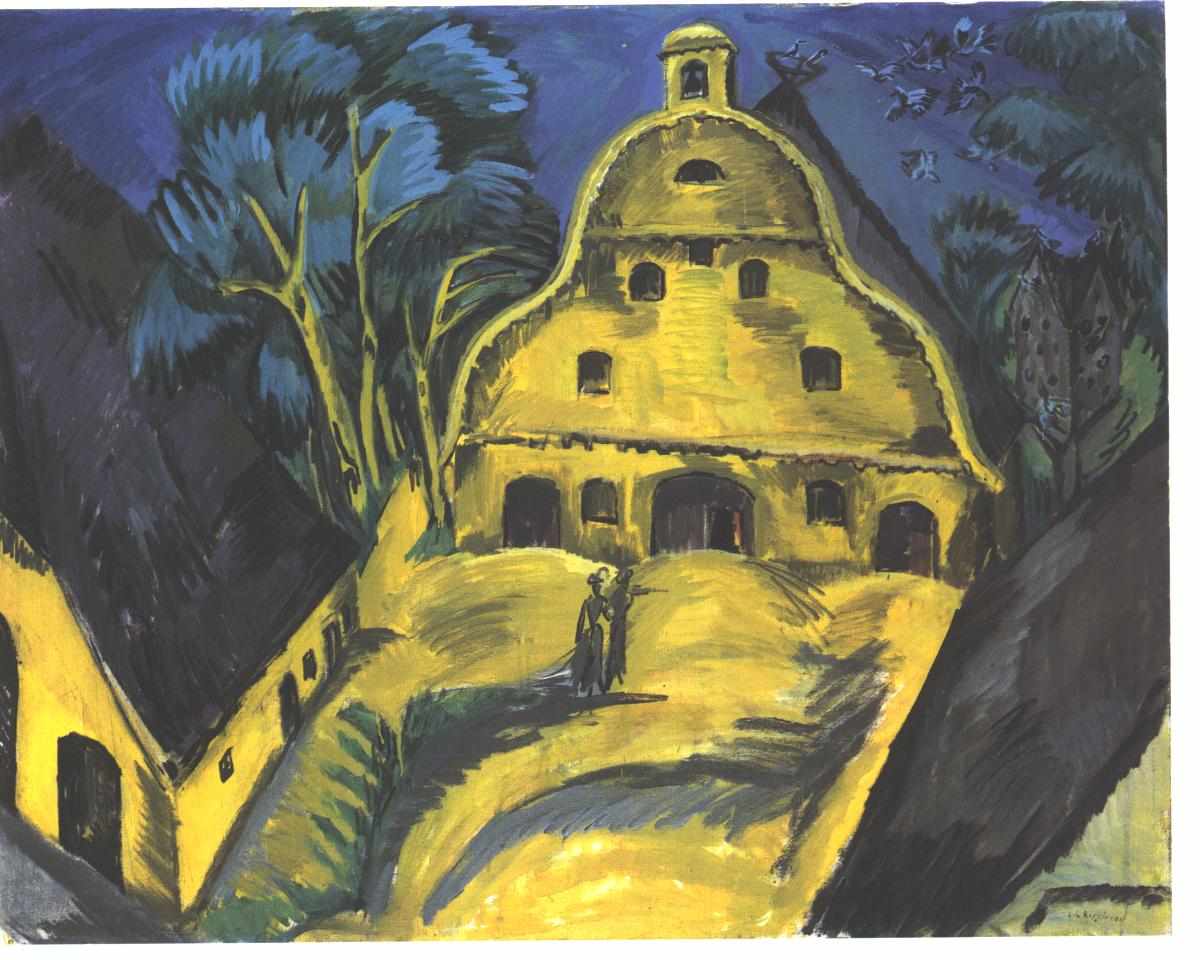
In "Staberhof Farm on Fehmarn," Kirchner employs a striking color palette dominated by lush greens and deep blues. These colors evoke the serene beauty of the rural landscape. The vibrant hues reflect the vitality of nature, inviting viewers to immerse themselves in the scene. Kirchner's use of color not only captures the essence of the farm but also conveys a sense of peace and tranquility.
Dynamic Brushwork: Capturing Movement and Emotion
The dynamic brushwork in this painting creates a sense of movement, as if the landscape is alive. Kirchner's energetic strokes convey the wind rustling through the trees and the gentle sway of the fields. This technique enhances the emotional depth of the artwork, allowing viewers to feel the connection between the land and their own inner feelings.
Symbolism and Meaning Behind the Landscape
Nature as a Reflection of Inner Feelings
Kirchner often viewed nature as a mirror of human emotions. In "Staberhof Farm," the idyllic landscape symbolizes tranquility and harmony. The farm represents a retreat from the chaos of urban life, reflecting Kirchner's desire for peace and connection with the natural world. This theme resonates with many who seek solace in nature.
Rural Life: A Glimpse into Early 20th Century Germany
The painting offers a glimpse into rural life in early 20th century Germany. It captures the simplicity and beauty of farm life, showcasing the relationship between humans and their environment. Kirchner's portrayal of the farm highlights the importance of agriculture and the connection to the land, which was especially significant during a time of rapid industrialization.
Historical Context of Staberhof Farm on Fehmarn
The Significance of Fehmarn Island in Kirchner's Work
Geographical Features and Their Artistic Representation
Fehmarn Island, located in the Baltic Sea, is known for its stunning landscapes and rich cultural heritage. The island's rolling hills, lush fields, and coastal views provided Kirchner with endless inspiration. He often painted en plein air, capturing the essence of the island's beauty in his works. The geographical features of Fehmarn are not just a backdrop; they play a crucial role in the emotional impact of his art.
Fehmarn's Cultural Heritage and Influence on Kirchner
The cultural heritage of Fehmarn, with its quaint villages and traditional farming practices, deeply influenced Kirchner's artistic vision. The island's history and its connection to German folklore enriched his understanding of rural life. This cultural backdrop allowed Kirchner to infuse his landscapes with a sense of nostalgia and authenticity.
Art Movements and Kirchner's Place in History
Expressionism: Breaking Away from Traditional Art
Kirchner was a key figure in the Expressionist movement, which sought to break away from traditional artistic conventions. This movement emphasized emotional experience over realistic representation. Kirchner's work, including "Staberhof Farm," exemplifies this shift, as he prioritized personal expression and emotional resonance in his landscapes.
Impact of World War I on Kirchner's Artistic Vision
The turmoil of World War I profoundly affected Kirchner's art. The war led to a sense of disillusionment and a longing for peace, which is evident in his later works. "Staberhof Farm" can be seen as a response to this chaos, representing a yearning for the simplicity and beauty of rural life amidst the horrors of war.
First-Hand Experience: Viewing Staberhof Farm
Emotional Response to the Painting
How the Landscape Evokes Feelings of Tranquility
Viewing "Staberhof Farm" evokes a deep sense of tranquility. The serene landscape invites viewers to escape the hustle and bustle of modern life. The harmonious colors and gentle brushwork create a calming atmosphere, allowing one to reflect and find peace in the beauty of nature.
Personal Reflections: What the Scene Means to Viewers
Many viewers find personal meaning in Kirchner's depiction of the farm. For some, it represents a longing for simpler times and a connection to nature. Others may see it as a reminder of the importance of preserving rural landscapes in an increasingly urbanized world. Each viewer brings their own experiences and emotions to the painting, making it a deeply personal encounter.
Comparative Analysis with Other Works by Kirchner
Similar Themes in Kirchner's Rural Landscapes
Kirchner's rural landscapes often share themes of tranquility and connection to nature. Works like "The Red House" and "The Farmhouse" also explore similar motifs, showcasing the beauty of the countryside. These paintings reflect Kirchner's deep appreciation for rural life and its emotional significance.
Contrasting Urban Scenes: A Study in Duality
In contrast to his rural works, Kirchner's urban scenes, such as "Street, Berlin," depict the chaos and vibrancy of city life. This duality highlights the tension between the serenity of nature and the frenetic energy of urban environments. Kirchner's ability to navigate these contrasting themes showcases his versatility as an artist.
FAQs About Staberhof Farm on Fehmarn
Common Questions About the Painting
What inspired Ernst Ludwig Kirchner to paint Staberhof Farm?
Kirchner was inspired by the natural beauty of Fehmarn Island and his desire to capture the emotional essence of rural life. The peaceful landscape provided a stark contrast to the chaos of urban existence.
What are the main themes depicted in Staberhof Farm?
The main themes include tranquility, the connection to nature, and a reflection on rural life in early 20th century Germany. The painting serves as a reminder of the beauty found in simplicity.
How does Staberhof Farm reflect Kirchner's artistic style?
The painting showcases Kirchner's signature bold colors, dynamic brushwork, and emotional depth. It exemplifies his ability to convey feelings through landscape, a hallmark of his Expressionist style.
What is the significance of the colors used in the painting?
The vibrant greens and blues symbolize vitality and tranquility. Kirchner's color choices enhance the emotional impact of the landscape, inviting viewers to experience the peace of the rural setting.
Where can I see the original Staberhof Farm painting?
The original painting is part of a private collection and may not be on public display. However, it is sometimes featured in exhibitions focused on Kirchner's work.
Questions About the Painting Reproduction
How closely does the reproduction match the original painting?
High-quality painting reproductions of "Staberhof Farm" capture the vibrant colors and dynamic brushwork of the original. Unlike prints, these reproductions offer a textured, lifelike representation that honors Kirchner's artistic intent.
What should I consider when displaying a reproduction of Staberhof Farm?
When displaying a reproduction, consider the lighting and placement to enhance its visual impact. Choose a location that allows viewers to appreciate the colors and details, creating a focal point in your space.
Original: $299.95
-70%$299.95
$89.98Product Information
Product Information
Shipping & Returns
Shipping & Returns
Description
Exploring the Vibrant Landscape of Staberhof Farm on Fehmarn
Ernst Ludwig Kirchner: A Pioneer of Expressionism
Artistic Journey and Influences
Ernst Ludwig Kirchner, a leading figure in the Expressionist movement, was born in 1880 in Aschaffenburg, Germany. His artistic journey began in the early 1900s when he co-founded the Berlin Secession. Kirchner drew inspiration from various sources, including African art, German folklore, and the vibrant colors of the Fauvist movement. His time spent in the picturesque landscapes of Fehmarn Island profoundly influenced his work, allowing him to explore the interplay between nature and emotion.
Kirchner's Unique Style and Techniques
Kirchner's style is characterized by bold colors, dynamic forms, and expressive brushwork. He often used a palette knife to create texture, giving his paintings a tactile quality. His innovative approach to color and form set him apart from his contemporaries. Kirchner's ability to convey deep emotions through his landscapes makes his work resonate with viewers even today.
The Captivating Scene of Staberhof Farm
Visual Elements: Color and Composition
Bold Color Palette: A Study in Greens and Blues
In "Staberhof Farm on Fehmarn," Kirchner employs a striking color palette dominated by lush greens and deep blues. These colors evoke the serene beauty of the rural landscape. The vibrant hues reflect the vitality of nature, inviting viewers to immerse themselves in the scene. Kirchner's use of color not only captures the essence of the farm but also conveys a sense of peace and tranquility.
Dynamic Brushwork: Capturing Movement and Emotion
The dynamic brushwork in this painting creates a sense of movement, as if the landscape is alive. Kirchner's energetic strokes convey the wind rustling through the trees and the gentle sway of the fields. This technique enhances the emotional depth of the artwork, allowing viewers to feel the connection between the land and their own inner feelings.
Symbolism and Meaning Behind the Landscape
Nature as a Reflection of Inner Feelings
Kirchner often viewed nature as a mirror of human emotions. In "Staberhof Farm," the idyllic landscape symbolizes tranquility and harmony. The farm represents a retreat from the chaos of urban life, reflecting Kirchner's desire for peace and connection with the natural world. This theme resonates with many who seek solace in nature.
Rural Life: A Glimpse into Early 20th Century Germany
The painting offers a glimpse into rural life in early 20th century Germany. It captures the simplicity and beauty of farm life, showcasing the relationship between humans and their environment. Kirchner's portrayal of the farm highlights the importance of agriculture and the connection to the land, which was especially significant during a time of rapid industrialization.
Historical Context of Staberhof Farm on Fehmarn
The Significance of Fehmarn Island in Kirchner's Work
Geographical Features and Their Artistic Representation
Fehmarn Island, located in the Baltic Sea, is known for its stunning landscapes and rich cultural heritage. The island's rolling hills, lush fields, and coastal views provided Kirchner with endless inspiration. He often painted en plein air, capturing the essence of the island's beauty in his works. The geographical features of Fehmarn are not just a backdrop; they play a crucial role in the emotional impact of his art.
Fehmarn's Cultural Heritage and Influence on Kirchner
The cultural heritage of Fehmarn, with its quaint villages and traditional farming practices, deeply influenced Kirchner's artistic vision. The island's history and its connection to German folklore enriched his understanding of rural life. This cultural backdrop allowed Kirchner to infuse his landscapes with a sense of nostalgia and authenticity.
Art Movements and Kirchner's Place in History
Expressionism: Breaking Away from Traditional Art
Kirchner was a key figure in the Expressionist movement, which sought to break away from traditional artistic conventions. This movement emphasized emotional experience over realistic representation. Kirchner's work, including "Staberhof Farm," exemplifies this shift, as he prioritized personal expression and emotional resonance in his landscapes.
Impact of World War I on Kirchner's Artistic Vision
The turmoil of World War I profoundly affected Kirchner's art. The war led to a sense of disillusionment and a longing for peace, which is evident in his later works. "Staberhof Farm" can be seen as a response to this chaos, representing a yearning for the simplicity and beauty of rural life amidst the horrors of war.
First-Hand Experience: Viewing Staberhof Farm
Emotional Response to the Painting
How the Landscape Evokes Feelings of Tranquility
Viewing "Staberhof Farm" evokes a deep sense of tranquility. The serene landscape invites viewers to escape the hustle and bustle of modern life. The harmonious colors and gentle brushwork create a calming atmosphere, allowing one to reflect and find peace in the beauty of nature.
Personal Reflections: What the Scene Means to Viewers
Many viewers find personal meaning in Kirchner's depiction of the farm. For some, it represents a longing for simpler times and a connection to nature. Others may see it as a reminder of the importance of preserving rural landscapes in an increasingly urbanized world. Each viewer brings their own experiences and emotions to the painting, making it a deeply personal encounter.
Comparative Analysis with Other Works by Kirchner
Similar Themes in Kirchner's Rural Landscapes
Kirchner's rural landscapes often share themes of tranquility and connection to nature. Works like "The Red House" and "The Farmhouse" also explore similar motifs, showcasing the beauty of the countryside. These paintings reflect Kirchner's deep appreciation for rural life and its emotional significance.
Contrasting Urban Scenes: A Study in Duality
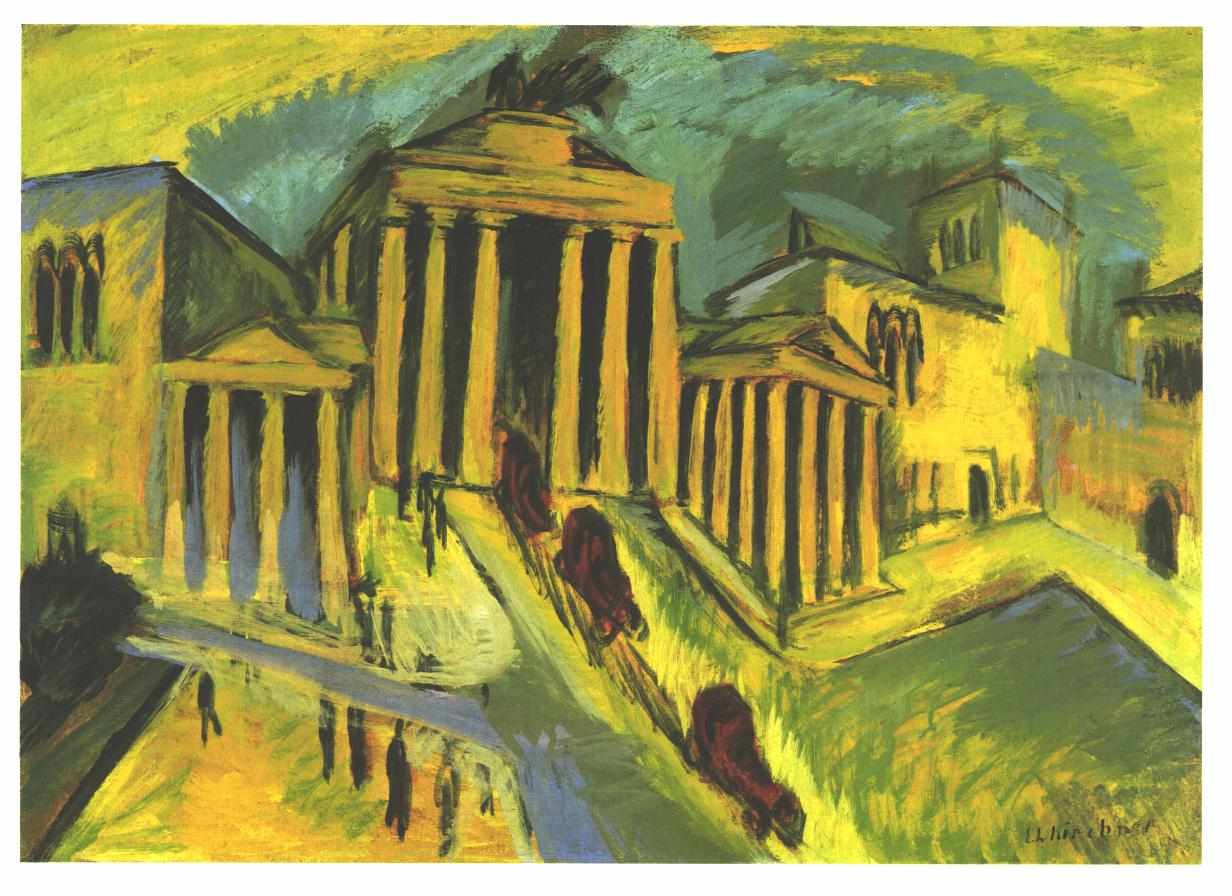
In contrast to his rural works, Kirchner's urban scenes, such as "Street, Berlin," depict the chaos and vibrancy of city life. This duality highlights the tension between the serenity of nature and the frenetic energy of urban environments. Kirchner's ability to navigate these contrasting themes showcases his versatility as an artist.
FAQs About Staberhof Farm on Fehmarn
Common Questions About the Painting
What inspired Ernst Ludwig Kirchner to paint Staberhof Farm?
Kirchner was inspired by the natural beauty of Fehmarn Island and his desire to capture the emotional essence of rural life. The peaceful landscape provided a stark contrast to the chaos of urban existence.
What are the main themes depicted in Staberhof Farm?
The main themes include tranquility, the connection to nature, and a reflection on rural life in early 20th century Germany. The painting serves as a reminder of the beauty found in simplicity.
How does Staberhof Farm reflect Kirchner's artistic style?
The painting showcases Kirchner's signature bold colors, dynamic brushwork, and emotional depth. It exemplifies his ability to convey feelings through landscape, a hallmark of his Expressionist style.
What is the significance of the colors used in the painting?
The vibrant greens and blues symbolize vitality and tranquility. Kirchner's color choices enhance the emotional impact of the landscape, inviting viewers to experience the peace of the rural setting.
Where can I see the original Staberhof Farm painting?
The original painting is part of a private collection and may not be on public display. However, it is sometimes featured in exhibitions focused on Kirchner's work.
Questions About the Painting Reproduction
How closely does the reproduction match the original painting?
High-quality painting reproductions of "Staberhof Farm" capture the vibrant colors and dynamic brushwork of the original. Unlike prints, these reproductions offer a textured, lifelike representation that honors Kirchner's artistic intent.
What should I consider when displaying a reproduction of Staberhof Farm?
When displaying a reproduction, consider the lighting and placement to enhance its visual impact. Choose a location that allows viewers to appreciate the colors and details, creating a focal point in your space.