🚚 Free Worldwide Shipping on All Orders!Shop Now

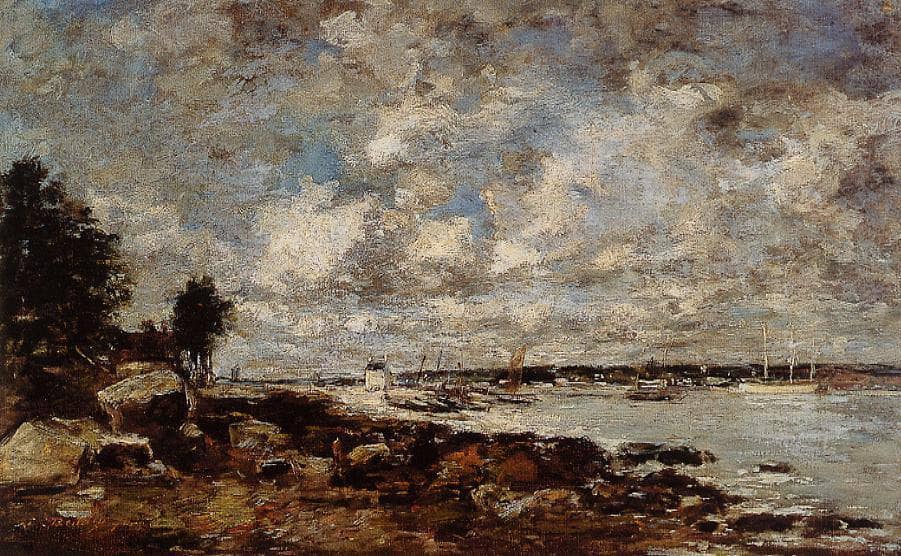
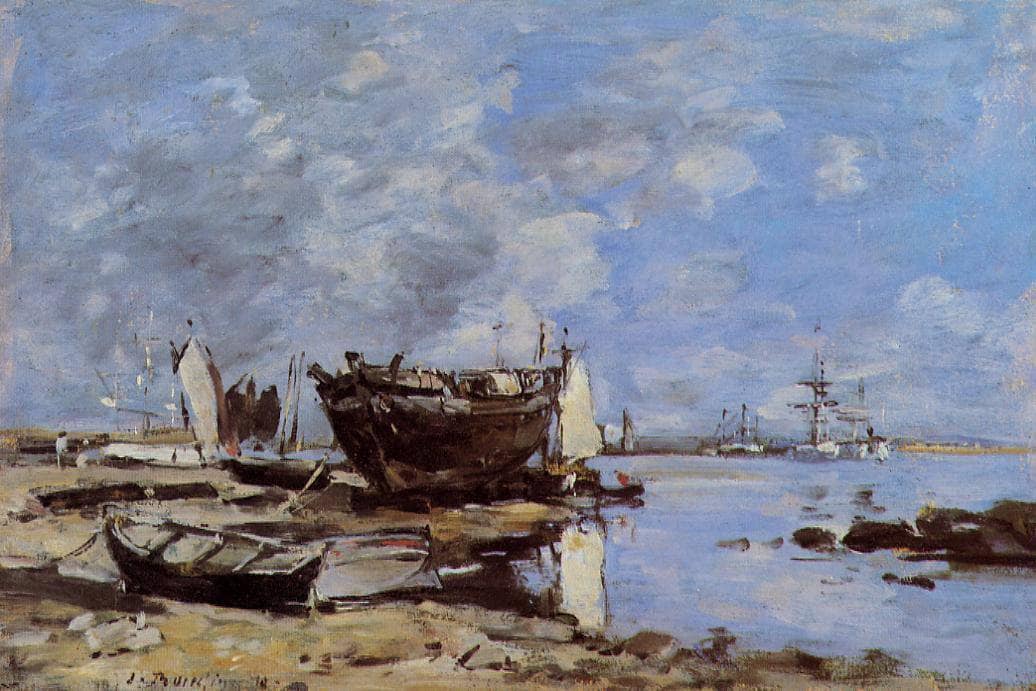
Plougastel, the Ferry Passage
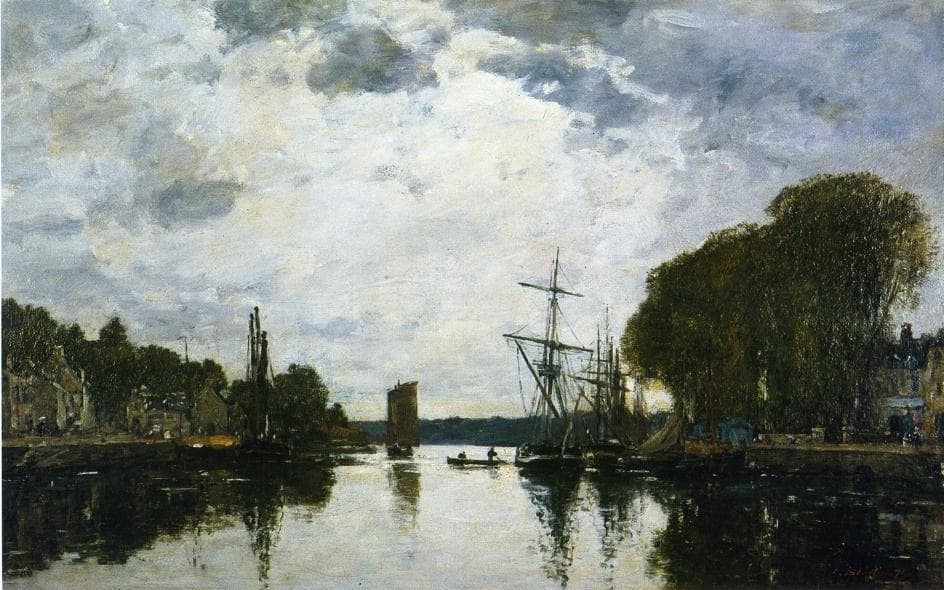
Discovering Plougastel: The Ferry Passage by EugÉne Boudin
Artistic Context: The Impressionist Movement and Boudin's Influence
Understanding Impressionism: Key Characteristics and Techniques
Impressionism emerged in the late 19th century, focusing on capturing the fleeting effects of light and color. Artists used loose brushwork and vibrant palettes to depict everyday scenes. This movement emphasized the importance of painting en plein air, or outdoors, to capture the essence of a moment.EugÉne Boudin: A Pioneer of Plein Air Painting
EugÉne Boudin, born in 1824 in Honfleur, France, is often celebrated as a precursor to Impressionism. He was one of the first artists to paint outdoors, which allowed him to observe and capture the changing qualities of light. His dedication to plein air painting laid the groundwork for future Impressionists, including Claude Monet.Connection to Other Impressionists: Monet, Degas, and Beyond
Boudin's influence extended to many renowned artists. Claude Monet admired Boudin's work and often painted alongside him. Boudin's techniques inspired other Impressionists like Edgar Degas and Pierre-Auguste Renoir, who also sought to capture the beauty of everyday life through innovative approaches to color and light.Visual Analysis: Elements of Plougastel, the Ferry Passage
Color Palette: The Harmony of Blues and Earthy Tones
In "Plougastel, the Ferry Passage," Boudin employs a stunning color palette dominated by soft blues and warm earthy tones. The interplay of these colors evokes a sense of tranquility and connection to nature. The blues of the water reflect the sky, creating a harmonious visual experience.Brushwork Techniques: Capturing Light and Movement
Boudin's brushwork is both expressive and deliberate. He uses short, quick strokes to convey the movement of water and the gentle sway of boats. This technique captures the dynamic essence of the scene, making the viewer feel as if they are part of the moment.Composition: The Balance of Land, Water, and Sky
The composition of "Plougastel, the Ferry Passage" is masterfully balanced. Boudin arranges the elements of land, water, and sky to create a sense of depth. The ferry, a focal point, draws the viewer's eye, while the surrounding landscape enhances the painting's serene atmosphere.Historical Significance: The Setting of Plougastel
Plougastel-Daoulas: A Glimpse into Breton Culture
Plougastel-Daoulas, located in Brittany, France, is rich in cultural heritage. Known for its picturesque landscapes and vibrant maritime life, this region has inspired many artists. Boudin's depiction of the ferry passage highlights the importance of this locale in the 19th century.The Role of Ferries in 19th Century France: Transportation and Trade
Ferries were vital for transportation and trade in 19th century France. They connected communities and facilitated commerce. Boudin's painting captures this essential aspect of life, showcasing the ferry as a lifeline for the people of Plougastel.Local Landmarks: The Iconic Landscape of Brittany
Brittany is known for its rugged coastline and charming villages. Boudin's work reflects the unique beauty of this region, featuring local landmarks that resonate with the viewer. The painting serves as a visual record of the landscape, preserving its charm for future generations.Emotional Resonance: The Mood and Atmosphere of the Painting
Transience of Time: Capturing Fleeting Moments in Nature
Boudin's "Plougastel, the Ferry Passage" captures the transience of time. The painting invites viewers to reflect on the fleeting moments of nature. The soft light and gentle movement evoke a sense of peace, encouraging contemplation of the beauty around us.Viewer Engagement: Inviting Reflection and Contemplation
The painting engages viewers on an emotional level. It invites them to pause and reflect on their own experiences with nature and travel. Boudin's ability to evoke feelings of nostalgia and tranquility makes this artwork a timeless piece.Artistic Techniques: Boudin's Mastery in Oil Painting
Layering and Glazing: Techniques that Define Boudin's Style
Boudin's mastery of oil painting is evident in his use of layering and glazing. He built up layers of paint to create depth and richness in color. This technique enhances the luminosity of the scene, making it come alive.Natural Light: The Impact of Weather and Time of Day
Boudin was a keen observer of natural light. He often painted at different times of day to capture the changing effects of sunlight. In "Plougastel, the Ferry Passage," the soft light reflects the calmness of the moment, showcasing Boudin's skill in portraying atmospheric conditions.Legacy and Influence: Boudin's Impact on Future Generations
Inspiration for Modern Artists: Continuing the Impressionist Tradition
Boudin's influence continues to resonate with modern artists. His techniques and dedication to capturing light and movement have inspired countless painters. The Impressionist tradition he helped establish remains a vital part of contemporary art.Exhibitions and Collections: Where to Experience Boudin's Work Today
Boudin's works are featured in major museums worldwide, including the Musée d'Orsay in Paris and the Metropolitan Museum of Art in New York. These exhibitions allow art lovers to experience his masterpieces firsthand, including "Plougastel, the Ferry Passage."FAQs about Plougastel, the Ferry Passage
What is the story behind Plougastel, the Ferry Passage?
"Plougastel, the Ferry Passage" depicts a serene moment in the bustling life of a ferry crossing. It reflects Boudin's love for the Breton landscape and his commitment to capturing everyday scenes.How does Boudin's style differ from other Impressionist painters?
Boudin's style is characterized by his focus on light and atmosphere. While other Impressionists like Monet emphasized color, Boudin's work often highlights the interplay of light and shadow, creating a unique perspective within the movement.What techniques did Boudin use to create the sense of movement in the painting?
Boudin used quick, short brushstrokes to convey movement. His technique captures the gentle ripples of water and the sway of boats, immersing the viewer in the scene.Where can I see the original Plougastel, the Ferry Passage?
The original painting is part of a private collection and may be exhibited in various art galleries. Check local exhibitions for opportunities to view this masterpiece.What themes are explored in Plougastel, the Ferry Passage?
The painting explores themes of nature, transportation, and the beauty of everyday life. It invites viewers to appreciate the simple moments that connect us to our surroundings.FAQs about Painting Reproductions
What should I consider when purchasing a reproduction of Plougastel, the Ferry Passage?
When purchasing a reproduction, consider the quality of materials used, the accuracy of colors, and the artist's techniques. A high-quality painting reproduction will capture the essence of Boudin's original work.How can I ensure the quality of a painting reproduction?
Look for reputable sellers who specialize in art reproductions. Check for customer reviews and ensure the reproduction is created using high-quality materials, such as canvas and oil paints, to achieve a superior finish compared to standard prints.Select Size
From $89.98
Original: $299.95
-70%Plougastel, the Ferry Passage—
$299.95
$89.98Product Information
Product Information
Shipping & Returns
Shipping & Returns