🚚 Free Worldwide Shipping on All Orders!Shop Now

Berlin Street Scene
Exploring the Vibrant Urban Life in Berlin Street Scene by Ernst Ludwig Kirchner
Understanding the Expressionist Movement: Kirchner's Role
The Birth of Expressionism: A New Artistic Language
The Expressionist movement emerged in the early 20th century as artists sought to convey emotional experiences rather than physical reality. This revolutionary approach allowed artists to explore deep feelings and societal issues through vivid colors and distorted forms. Kirchner, a key figure in this movement, used his art to reflect the tumultuous changes in society.Ernst Ludwig Kirchner: A Pioneer of Modern Art
Ernst Ludwig Kirchner was not just an artist; he was a visionary. Born in 1880 in Aschaffenburg, Germany, he co-founded the Die Brücke (The Bridge) group, which aimed to connect traditional art with modern expression. His works, including "Berlin Street Scene," showcase his innovative spirit and commitment to exploring the human condition in an urban environment.Visual Elements of Berlin Street Scene: A Closer Look
Color Palette: Bold Hues and Emotional Depth
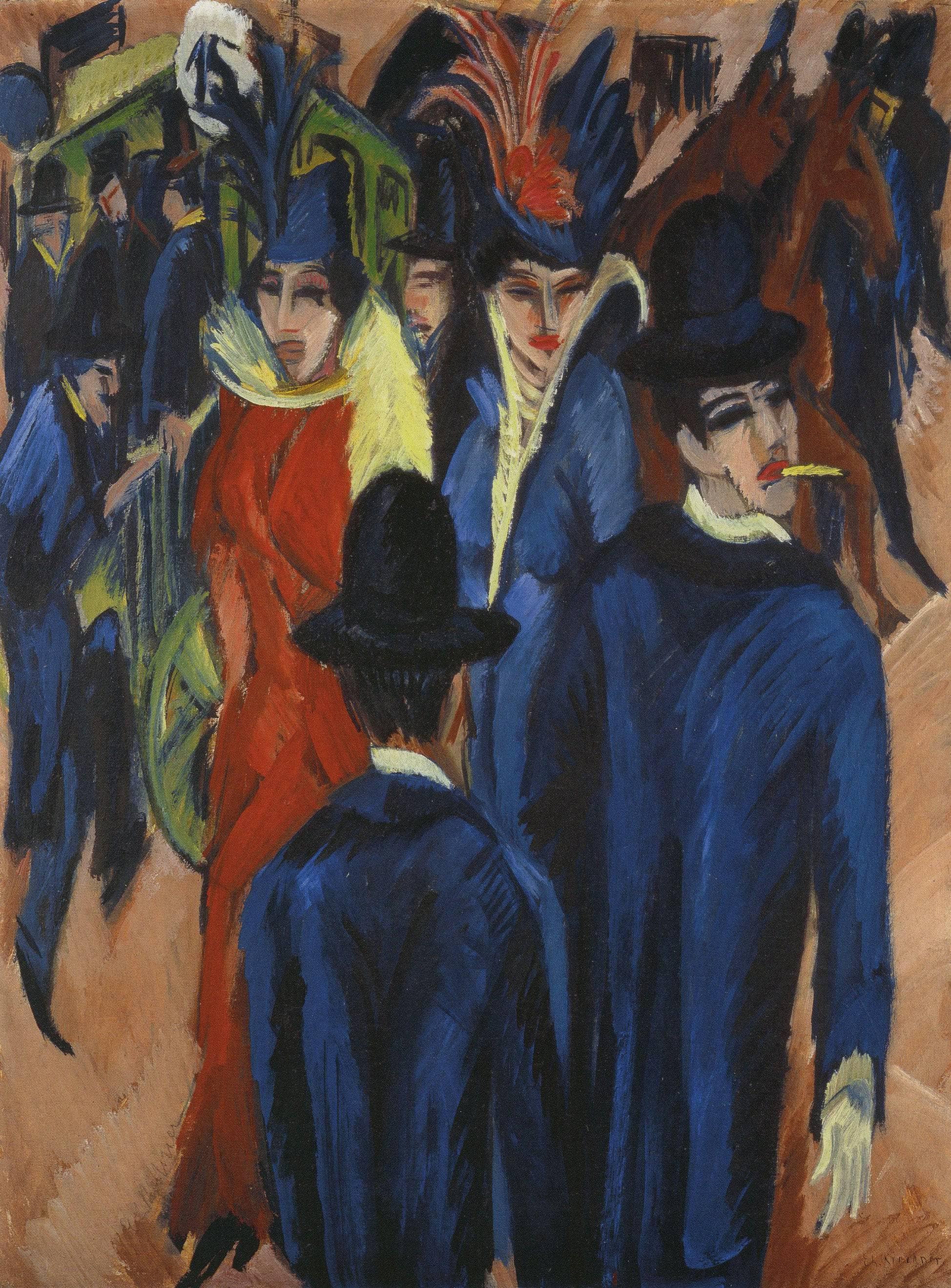
In "Berlin Street Scene," Kirchner employs a striking color palette filled with bold reds, greens, and yellows. These vibrant hues evoke strong emotions and create a sense of urgency. The colors reflect the chaotic energy of Berlin, capturing the viewer's attention and immersing them in the bustling city life.Composition: Dynamic Lines and Urban Energy
The composition of "Berlin Street Scene" is dynamic and engaging. Kirchner uses diagonal lines and overlapping figures to create a sense of movement. This technique draws the viewer's eye across the canvas, mimicking the fast-paced rhythm of urban life. The arrangement of figures and buildings enhances the feeling of a crowded street, filled with life and activity.Figures in Motion: Capturing the Essence of City Life
The figures in "Berlin Street Scene" are depicted in various poses, suggesting movement and interaction. Kirchner captures the essence of city life by portraying pedestrians, street vendors, and socialites. Each figure tells a story, reflecting the diverse experiences of individuals in a bustling metropolis.Thematic Exploration: Society and Isolation in Urban Settings
Contrasting Individuality and Collectivism in the City
Kirchner's work often explores the tension between individuality and collectivism. In "Berlin Street Scene," the figures appear both connected and isolated. This duality highlights the struggle of individuals to find their identity in a crowded urban environment, where anonymity can lead to feelings of loneliness.Psychological Insights: The Urban Experience of Alienation
The painting delves into the psychological impact of urban life. Kirchner's portrayal of figures with exaggerated features and expressions suggests a sense of alienation. This reflects the emotional turmoil many experienced in the rapidly changing society of early 20th-century Berlin, where traditional values clashed with modernity.Historical Context: Berlin in the Early 20th Century
The Impact of World War I on Art and Society
World War I profoundly affected art and society. The war shattered lives and altered perceptions of reality. Kirchner's work, including "Berlin Street Scene," reflects the disillusionment and chaos of the time. Artists sought to express the psychological scars left by the war, making their work more relevant than ever.Berlin as a Cultural Hub: Art, Politics, and Innovation
In the early 20th century, Berlin emerged as a vibrant cultural hub. The city was a melting pot of ideas, art, and politics. Kirchner thrived in this environment, drawing inspiration from the diverse influences around him. His art captured the spirit of innovation and the complexities of urban life during this transformative period.Artistic Techniques: Kirchner's Unique Style
Brushwork and Texture: Creating Movement and Emotion
Kirchner's brushwork is distinctive and expressive. He often used thick, bold strokes to create texture and depth. This technique adds a sense of movement to "Berlin Street Scene," making the figures appear alive and dynamic. The texture enhances the emotional impact, inviting viewers to connect with the scene on a deeper level.Influence of African Art: A New Perspective on Form
Kirchner was influenced by African art, which he encountered during his travels. This influence is evident in the stylized forms and vibrant colors of "Berlin Street Scene." By incorporating these elements, Kirchner created a unique visual language that challenged traditional Western art norms and offered a fresh perspective on form and expression.Comparative Analysis: Kirchner and His Contemporaries
Contrasting Styles: Kirchner vs. Other Expressionists
While many Expressionists focused on emotional intensity, Kirchner's style stands out for its urban themes and social commentary. His approach contrasts with artists like Edvard Munch, who often explored personal anguish. Kirchner's "Berlin Street Scene" captures the collective experience of city life, making it a significant contribution to the movement.Influence of Fauvism: Color and Emotion in Art
Fauvism, with its emphasis on bold color and emotional expression, also influenced Kirchner. His use of vivid colors in "Berlin Street Scene" aligns with Fauvist principles, enhancing the emotional resonance of the work. This blending of styles showcases Kirchner's ability to innovate while remaining rooted in the broader art movements of his time.Legacy of Berlin Street Scene: Impact on Future Generations
Influence on Modern Urban Art: A Lasting Impression
"Berlin Street Scene" has left a lasting impression on modern urban art. Its exploration of city life and emotional depth continues to inspire contemporary artists. The painting serves as a reminder of the complexities of urban existence, encouraging new generations to reflect on their own experiences in the city.Kirchner's Enduring Relevance in Contemporary Art
Kirchner's work remains relevant today, as artists grapple with themes of identity, alienation, and urban life. "Berlin Street Scene" exemplifies his ability to capture the human experience, making it a timeless piece. Its influence can be seen in various art forms, from painting to photography, as artists seek to convey the essence of modern life.FAQs about Berlin Street Scene by Ernst Ludwig Kirchner
What is the significance of the figures in Berlin Street Scene?
The figures in "Berlin Street Scene" represent the diverse experiences of urban life. They embody the tension between individuality and the collective experience of city dwellers.How does Kirchner's use of color affect the mood of the painting?
Kirchner's bold color choices create a vibrant and energetic mood. The colors evoke strong emotions, reflecting the chaotic nature of urban life.What historical events influenced Kirchner's work on this painting?
The impact of World War I and the cultural shifts in early 20th-century Berlin significantly influenced Kirchner's work, including "Berlin Street Scene."How does Berlin Street Scene reflect the urban experience of its time?
The painting captures the essence of urban life, highlighting themes of alienation, individuality, and the fast-paced nature of city living.What techniques did Kirchner use to convey movement in the painting?
Kirchner used dynamic lines, overlapping figures, and expressive brushwork to create a sense of movement and energy in "Berlin Street Scene."How can I appreciate the emotional depth of Berlin Street Scene?
To appreciate the emotional depth, consider the colors, figures, and composition. Reflect on how they convey the complexities of urban life and individual experiences.FAQs about Painting Reproductions of Berlin Street Scene
What should I consider when purchasing a reproduction of this painting?
When purchasing a reproduction, consider the quality of materials, the accuracy of colors, and the level of detail. A high-quality painting reproduction will capture the essence of Kirchner's original work.How can I ensure the quality of a reproduction of Berlin Street Scene?
Look for reputable sellers who specialize in art reproductions. Check for customer reviews and ensure the reproduction is created using high-quality materials to match the original's vibrancy and detail.Select Size
From $89.98
Original: $299.95
-70%Berlin Street Scene—
$299.95
$89.98Product Information
Product Information
Shipping & Returns
Shipping & Returns