🚚 Free Worldwide Shipping on All Orders!Shop Now

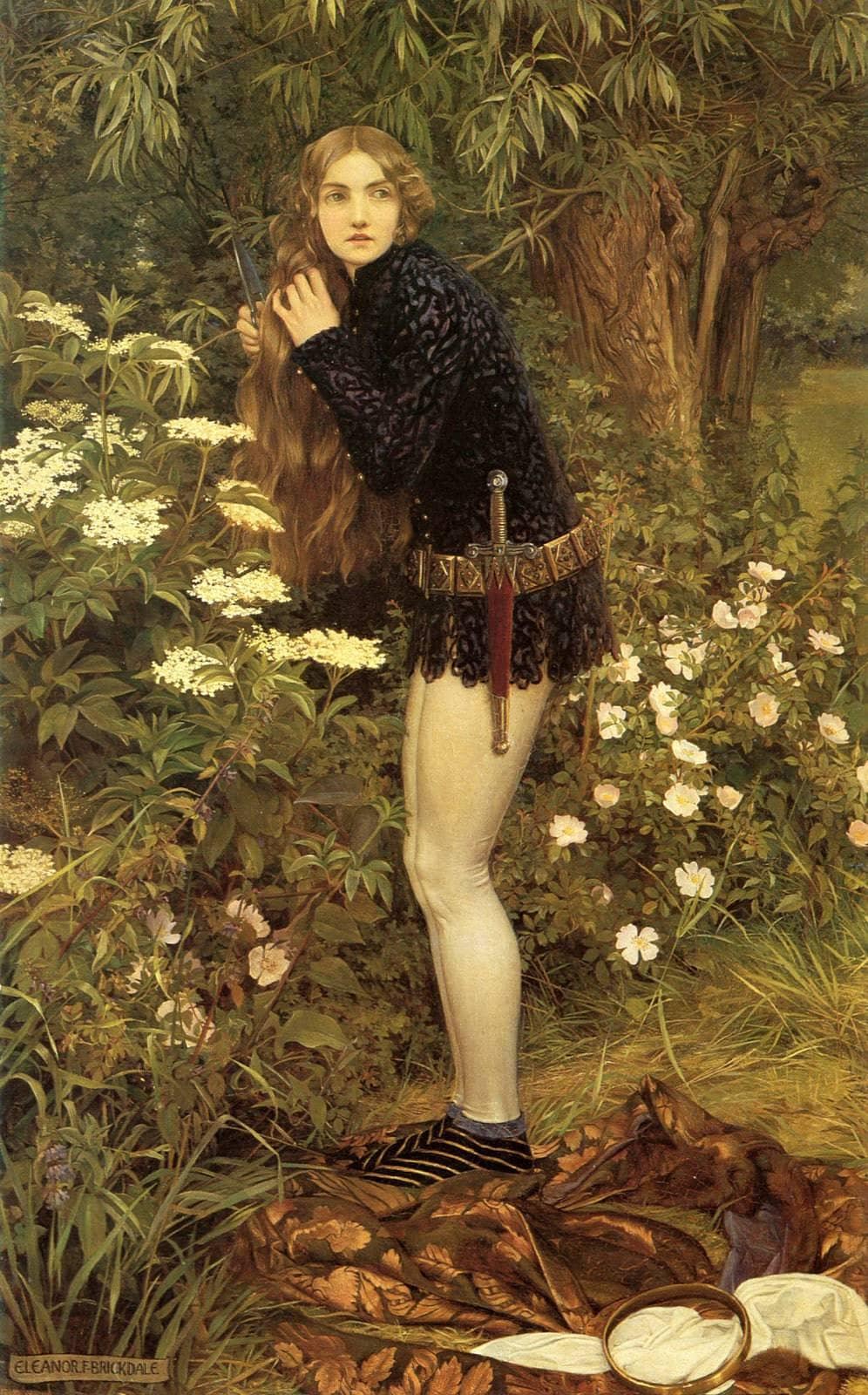
The Little Foot Page
The Enigmatic Beauty of The Little Foot by Eleanor Fortescue-Brickdale
Exploring the Artistic Vision of Eleanor Fortescue-Brickdale
Background of the Artist: A Journey Through the Pre-Raphaelite Movement
Eleanor Fortescue-Brickdale (1872-1945) was a prominent figure in the Pre-Raphaelite movement, known for her enchanting oil paintings that blend fantasy with realism. Born in London, she was influenced by the ideals of the Pre-Raphaelite Brotherhood, which emphasized detailed naturalism and vibrant colors. Fortescue-Brickdale's work often featured themes of mythology, folklore, and the feminine experience, making her a unique voice in the art world. Her dedication to capturing the essence of beauty and emotion set her apart from her contemporaries.Fortescue-Brickdale's Unique Style: Merging Symbolism and Realism
Fortescue-Brickdale's style is a captivating fusion of symbolism and realism. She skillfully employed intricate details and rich textures to create lifelike representations. Her use of symbolism often conveyed deeper meanings, inviting viewers to explore the narratives behind her subjects. In "The Little Foot," she masterfully combines these elements, creating a dreamlike atmosphere that resonates with viewers on multiple levels.Unveiling the Themes in The Little Foot
Childhood Innocence: The Symbolism of the Little Foot
At the heart of "The Little Foot" lies the theme of childhood innocence. The delicate portrayal of a child's foot symbolizes purity and the fleeting nature of youth. This small yet significant detail evokes a sense of nostalgia, reminding viewers of the simplicity and wonder of childhood. Fortescue-Brickdale captures this essence beautifully, inviting reflection on the passage of time and the innocence lost as one grows older.Nature's Embrace: The Role of Flora and Fauna in the Painting
Nature plays a vital role in "The Little Foot," with lush flora and gentle fauna surrounding the child. The vibrant flowers and soft greenery create a serene backdrop, emphasizing the connection between humanity and the natural world. Fortescue-Brickdale's attention to detail in the depiction of plants and animals enhances the painting's enchanting quality, making it a celebration of nature's beauty.Dreamlike Quality: The Use of Light and Color in Fortescue-Brickdale's Work
The dreamlike quality of "The Little Foot" is achieved through Fortescue-Brickdale's masterful use of light and color. Soft, diffused light bathes the scene, creating an ethereal glow that draws the viewer in. The harmonious color palette, featuring pastel hues and gentle contrasts, evokes a sense of tranquility and wonder. This careful manipulation of light and color enhances the painting's emotional depth, inviting viewers to lose themselves in its beauty.The Composition and Technique of The Little Foot
Analyzing the Brushwork: Techniques That Bring the Scene to Life
Fortescue-Brickdale's brushwork in "The Little Foot" is both delicate and expressive. She employs a variety of techniques, from fine, detailed strokes to broader, more fluid applications of paint. This dynamic approach brings the scene to life, allowing the viewer to feel the texture of the child's skin and the softness of the surrounding flora. Her skillful brushwork creates a sense of movement and vitality within the composition.Color Palette: The Emotional Impact of Color Choices
The color palette of "The Little Foot" is carefully curated to evoke specific emotions. Soft pinks, greens, and blues create a harmonious atmosphere that feels both calming and uplifting. The choice of colors not only enhances the visual appeal but also reinforces the themes of innocence and nature. Fortescue-Brickdale's understanding of color theory allows her to convey complex emotions through her art.Spatial Arrangement: How Composition Guides the Viewer's Eye
The composition of "The Little Foot" is thoughtfully arranged to guide the viewer's eye through the painting. The placement of the child, surrounded by nature, creates a focal point that draws attention. Fortescue-Brickdale uses leading lines and balanced proportions to create a sense of harmony within the artwork. This careful spatial arrangement invites viewers to explore every detail, enhancing their engagement with the piece.The Cultural Context of The Little Foot
Victorian Era Influences: Art, Society, and Gender Roles
"The Little Foot" was created during the Victorian era, a time of significant social change and artistic exploration. The painting reflects the era's fascination with childhood and the idealization of innocence. Fortescue-Brickdale's work also addresses gender roles, as women artists began to gain recognition in a male-dominated art world. Her portrayal of a child in a natural setting challenges traditional views, celebrating femininity and the nurturing aspects of nature.Symbolism in Victorian Art: What the Little Foot Represents
In Victorian art, symbolism played a crucial role in conveying deeper meanings. "The Little Foot" embodies the era's fascination with nature, childhood, and the passage of time. The child's foot serves as a powerful symbol of innocence and the transient nature of youth. Fortescue-Brickdale's ability to weave these themes into her work reflects the broader cultural context of her time, making her art resonate with contemporary audiences.Comparative Analysis: The Little Foot and Other Works by Fortescue-Brickdale
Similarities and Differences: A Look at Other Notable Paintings
When comparing "The Little Foot" to other works by Fortescue-Brickdale, such as "The Dream" and "The Awakening," one can see both similarities and differences. All her paintings share a focus on nature and femininity, yet each piece tells a unique story. "The Little Foot" stands out for its intimate portrayal of childhood, while other works may explore themes of love or mythology. This diversity showcases Fortescue-Brickdale's versatility as an artist.Fortescue-Brickdale's Legacy: Impact on Future Generations of Artists
Eleanor Fortescue-Brickdale's influence extends beyond her lifetime. Her unique blend of symbolism and realism inspired future generations of artists, particularly women. By breaking barriers in a male-dominated field, she paved the way for others to express their creativity. Her legacy lives on in the works of contemporary artists who continue to explore themes of nature, femininity, and the human experience.First-Hand Experience: Viewing The Little Foot in Person
Exhibition History: Where to See The Little Foot
"The Little Foot" has been featured in various exhibitions, showcasing Fortescue-Brickdale's remarkable talent. Art enthusiasts can often find this painting in prestigious galleries and museums that focus on Victorian art. Checking local exhibition schedules or museum collections can provide opportunities to view this enchanting piece in person.Visitor Insights: Reactions and Interpretations from Art Enthusiasts
Visitors who have experienced "The Little Foot" in person often describe it as a captivating and emotional experience. Many are drawn to the painting's delicate details and the sense of tranquility it evokes. Art enthusiasts appreciate the way Fortescue-Brickdale captures the essence of childhood and nature, leading to diverse interpretations and discussions among viewers.FAQs About The Little Foot by Eleanor Fortescue-Brickdale
What is the story behind The Little Foot painting?
"The Little Foot" tells a story of childhood innocence and the beauty of nature. It captures a moment of purity, inviting viewers to reflect on their own experiences of youth.What are the main themes depicted in The Little Foot?
The main themes include childhood innocence, the connection to nature, and the passage of time. The painting symbolizes the fleeting nature of youth through the delicate portrayal of a child's foot.How does The Little Foot reflect the artist's style?
The painting reflects Fortescue-Brickdale's unique style by merging realism with symbolism. Her attention to detail and use of color create an enchanting atmosphere that is characteristic of her work.What techniques did Eleanor Fortescue-Brickdale use in this painting?
Fortescue-Brickdale employed various techniques, including delicate brushwork and a harmonious color palette. Her skillful use of light enhances the dreamlike quality of the scene.Where can I find more information about Eleanor Fortescue-Brickdale?
More information about Eleanor Fortescue-Brickdale can be found in art history books, museum archives, and online resources dedicated to Victorian art and female artists.What should I know about reproductions of The Little Foot?
Reproductions of "The Little Foot" are available in high-quality oil painting formats, offering a superior alternative to prints. These reproductions capture the intricate details and vibrant colors of the original artwork, making them a cherished addition to any art collection.Are there any notable exhibitions featuring The Little Foot reproduction?
Notable exhibitions featuring reproductions of "The Little Foot" can be found in galleries that focus on Victorian art. Keep an eye on exhibition schedules for opportunities to see this beautiful piece in various settings.Select Size
From $89.98
Original: $299.95
-70%The Little Foot Page—
$299.95
$89.98Product Information
Product Information
Shipping & Returns
Shipping & Returns