🚚 Free Worldwide Shipping on All Orders!Shop Now

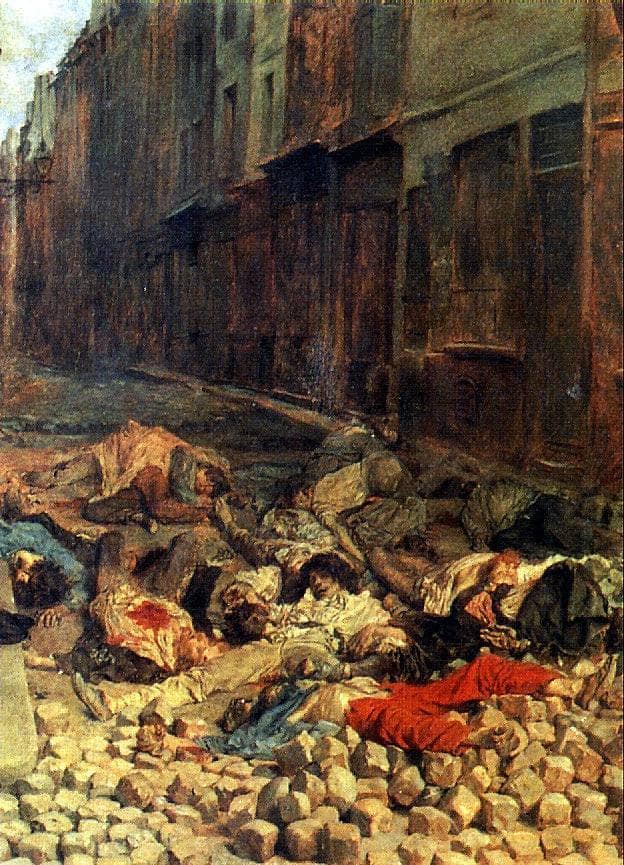
The Barricade, rue de la Mortellerie, June 1848 (Memory of Civil War)
The Barricade, rue de la Mortellerie: A Glimpse into June 1848
Historical Context of the June 1848 Uprising
Understanding the Political Climate in France
The June 1848 uprising in France emerged from a turbulent political landscape. After the February Revolution, the Second Republic was established, but discontent brewed among the working class. Economic hardship and political exclusion fueled anger, leading to a call for social reforms. The desire for workers' rights and better living conditions became a rallying cry for the masses.The Role of the Working Class in the Revolution
The working class played a pivotal role in the June Days. They took to the streets, building barricades as symbols of their struggle. These makeshift fortifications represented their fight against oppression and their demand for justice. The uprising highlighted the power of collective action, as workers united to challenge the status quo.Key Events Leading to the Barricade's Formation
The events leading to the barricade's formation were marked by escalating tensions. On June 23, 1848, the government announced the closure of national workshops, which provided jobs for the unemployed. This decision ignited protests, and barricades sprang up across Paris. The streets became battlegrounds, with revolutionaries clashing against government forces, embodying the spirit of resistance.Ernest Meissonier: The Master of Historical Realism
Biographical Insights into Meissonier's Life
Ernest Meissonier was born in 1815 in Lyon, France. He became renowned for his meticulous attention to detail and historical accuracy. His passion for history and military themes influenced his artistic journey. Meissonier's dedication to realism set him apart, making him a prominent figure in 19th-century art.Artistic Techniques and Style of Meissonier
Meissonier employed a unique blend of techniques to achieve his signature style. He used fine brushwork and a limited color palette to create depth and texture. His ability to capture light and shadow added a dramatic flair to his compositions. This meticulous approach allowed him to convey the intensity of historical moments, as seen in The Barricade.Influence of Romanticism on Meissonier's Work
Romanticism significantly influenced Meissonier's artistic vision. He embraced the emotional aspects of history, portraying the struggles and triumphs of individuals. His works often reflect a deep connection to the past, emphasizing the human experience. This influence is evident in The Barricade, where the emotional weight of the revolution is palpable.Symbolism and Themes in The Barricade
Exploring the Symbolism of the Barricade
The barricade in Meissonier's painting symbolizes resistance and defiance. It stands as a powerful representation of the fight for freedom and social justice. The structure itself, made of everyday materials, reflects the resourcefulness of the revolutionaries. It embodies their determination to stand against oppression.The Representation of Courage and Resistance
Courage is a central theme in The Barricade. The figures depicted are not just soldiers; they are everyday people united in their struggle. Their expressions convey a mix of fear, determination, and hope. This portrayal highlights the bravery of those who fought for their rights during a tumultuous time in French history.Emotional Depth: The Faces of the Revolutionaries
Meissonier masterfully captures the emotional depth of the revolutionaries. Each face tells a story, reflecting the personal stakes involved in the uprising. The intensity of their expressions draws viewers into the scene, evoking empathy and understanding. This emotional connection enhances the painting's impact and significance.Visual Analysis of The Barricade
Composition and Color Palette: A Detailed Breakdown
The composition of The Barricade is dynamic and engaging. Meissonier uses a triangular arrangement to guide the viewer's eye through the scene. The color palette features earthy tones, with splashes of red symbolizing passion and sacrifice. This careful selection of colors enhances the overall mood of the painting.Light and Shadow: Creating Drama in the Scene
Light and shadow play a crucial role in The Barricade. Meissonier skillfully uses chiaroscuro to create a sense of depth and drama. The interplay of light highlights the figures and the barricade, emphasizing their importance. This technique adds a layer of realism, making the viewer feel as if they are witnessing the event firsthand.Figures and Their Significance: Who Are They?
The figures in The Barricade represent a cross-section of society. They include workers, soldiers, and citizens, each contributing to the revolutionary spirit. Their diverse backgrounds underscore the collective nature of the uprising. Meissonier's attention to detail in their clothing and expressions adds authenticity to their portrayal.The Impact of The Barricade on Art and Society
Reception of the Painting in 19th Century France
Upon its unveiling, The Barricade received mixed reactions. Some praised Meissonier's technical skill and historical accuracy, while others criticized it for its political implications. Despite the controversy, the painting became a significant work in the context of French art and history.Influence on Future Generations of Artists
The Barricade influenced many artists who followed Meissonier. His commitment to realism and historical themes inspired a generation of painters. Artists began to explore social issues and the human experience in their works, reflecting the legacy of Meissonier's approach.The Painting's Role in French National Identity
The Barricade has become a symbol of French national identity. It encapsulates the spirit of resistance and the fight for social justice. The painting serves as a reminder of the struggles faced by the working class and the importance of collective action in shaping history.Preservation and Legacy of The Barricade
Current Location and Exhibition History
Today, The Barricade is housed in a prestigious museum, where it continues to be a focal point for visitors. Its exhibition history includes numerous showcases in France and abroad, highlighting its significance in the art world. The painting remains a testament to Meissonier's talent and the historical events it represents.Restoration Efforts and Challenges
Restoration efforts for The Barricade have faced challenges over the years. Conservators work diligently to preserve the painting's integrity while addressing issues like fading colors and surface damage. These efforts ensure that future generations can appreciate Meissonier's masterpiece.How The Barricade Continues to Inspire Today
The Barricade continues to inspire artists, historians, and activists alike. Its themes of courage and resistance resonate in contemporary society. The painting serves as a powerful reminder of the ongoing struggle for social justice and the importance of standing up for one's rights.Frequently Asked Questions about The Barricade
What is the significance of the barricade in the painting?
The barricade symbolizes resistance against oppression and the fight for social justice during the June Days uprising.How does Meissonier depict the emotions of the revolutionaries?
Meissonier captures the emotions of the revolutionaries through their facial expressions and body language, conveying a mix of fear, determination, and hope.What techniques did Meissonier use to create realism?
Meissonier used fine brushwork, chiaroscuro, and a limited color palette to achieve a high level of realism in his paintings.Where can I see The Barricade on display today?
The Barricade is currently displayed in a prominent museum, where it is part of the permanent collection.What was the public's reaction to The Barricade when it was first unveiled?
The public had mixed reactions, with some praising its technical skill and others criticizing its political implications.How does The Barricade compare to other works by Meissonier?
The Barricade stands out for its historical significance and emotional depth, showcasing Meissonier's mastery of realism compared to his other works.FAQs about The Barricade Reproduction
What should I consider when purchasing a reproduction of The Barricade?
When purchasing a reproduction, consider the quality of materials, the accuracy of colors, and the level of detail in the artwork.How can I ensure the quality of the reproduction?
Look for reputable sellers who specialize in high-quality art reproductions, ensuring they use archival materials for longevity.What are the benefits of owning a reproduction of this historical painting?
Owning a reproduction of The Barricade allows you to appreciate its historical significance and artistic beauty in your own space, making it a meaningful addition to your collection.Select Size
From $89.98
Original: $299.95
-70%The Barricade, rue de la Mortellerie, June 1848 (Memory of Civil War)—
$299.95
$89.98Product Information
Product Information
Shipping & Returns
Shipping & Returns